
Soups & Stews
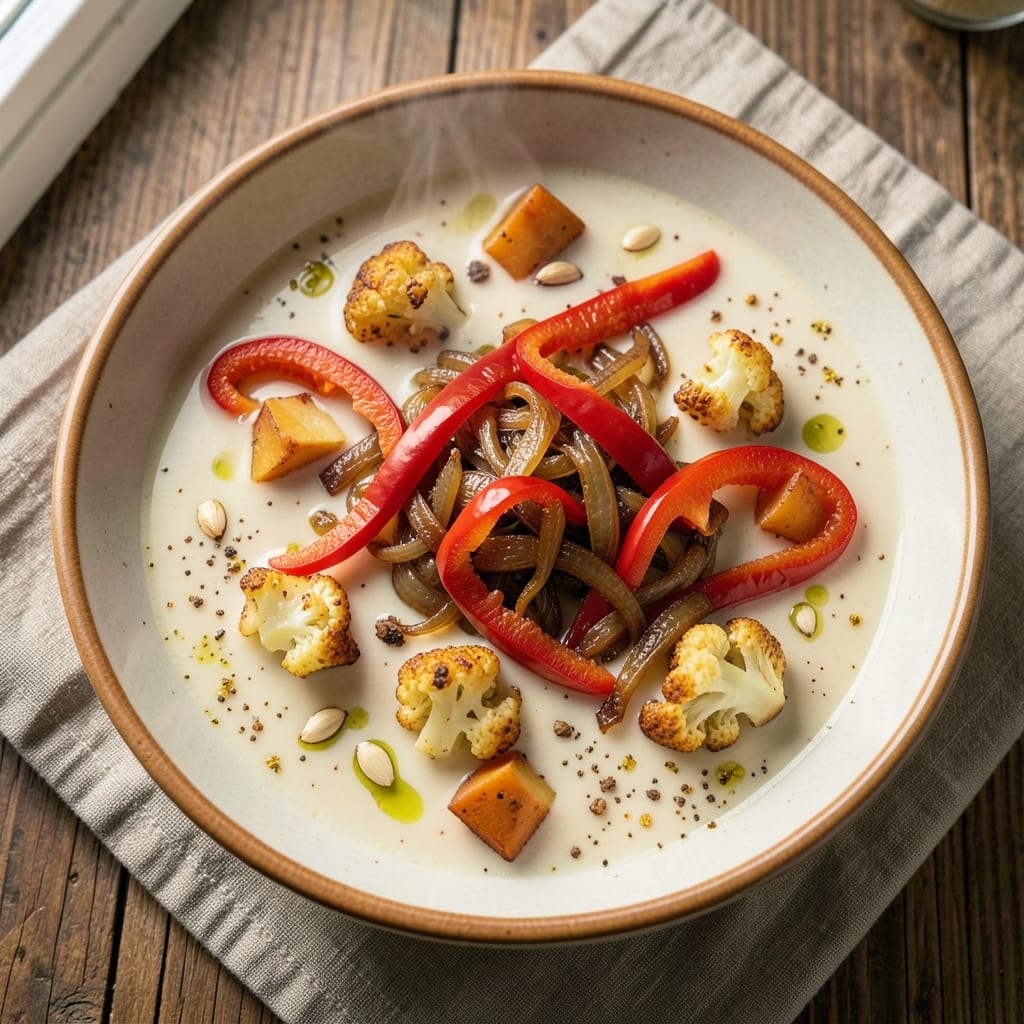
This 10-spice vegetable soup recipe transforms simple ingredients into a fragrant, warming bowl that feels like a hug on a chilly day. The secret lies in a carefully balanced blend of spices—cumin, coriander, turmeric, and more—that infuse every spoonful with depth and complexity. After testing countless variations, I’ve perfected a method that delivers rich, aromatic flavors in just 40 minutes, making it ideal for busy weeknights or cozy weekends.
The foundation of this soup is a sautéed spice base that forms the heart of its flavor profile. Sautéing whole spices in oil unlocks their aromatic oils before simmering with fresh vegetables like carrots, potatoes, and tomatoes. The spices—cumin for earthiness, coriander for brightness, turmeric for warmth, and others—work together to create a symphony of tastes that’s both comforting and invigorating. Unlike store-bought spice mixes, this approach ensures every bite is vibrant and layered.
What sets this recipe apart is its versatility and adaptability. Whether you prefer a lighter broth or a heartier stew, you can adjust the liquid to your preference. The spices mellow as they simmer, allowing you to control the heat level by adding fresh chili or adjusting the quantity of pre-toasted spices. Pair it with crusty bread, a sprinkle of fresh herbs, or a dollop of yogurt for the perfect balance of textures and flavors.
The result is a soup that’s nourishing, satisfying, and deeply flavorful—one that feels both rustic and refined. It’s the kind of dish that disappears quickly, leaving everyone at the table asking for seconds. Ready to create your own spice symphony? Let’s get started with the ingredients and steps that bring this recipe to life.
Ingredients for 10 spice vegetable soup
Ten aromatic spices meet fresh vegetables in this vibrant, warming vegetarian soup symphony.
| Ingredient | Amount | Notes |
|---|---|---|
| Yellow Onions 🧅 | 1 whole | Diced into 1/4-inch pieces |
| Garlic Cloves 🧄 | 6 cloves | Minced for aromatic depth |
| Extra-Virgin Olive Oil 🫒 | ½ cup | High-quality, fruity variety |
| Ground Cumin 🌿 | 1 ½ tbsp | Toasted for enhanced aroma |
| Ground Coriander 🌿 | 1 ½ tbsp | Freshly ground preferred |
| Turmeric Powder 🧂 | 1 tbsp | Bright, vibrant color |
| Ground Ginger 🌿 | 1 tbsp | Freshly ground preferred |
| Cinnamon Sticks 🌿 | 2 whole | Crushed for infusion |
| Cardamom Pods 🌿 | 6 whole | Lightly crushed |
| Cloves 🌿 | 4 whole | Lightly crushed |
| Black Peppercorns 🌶️ | 1 tsp | Crushed for heat |
| Carrots 🥕 | 3 medium | Peeled, sliced into rounds |
| Russet Potatoes 🥔 | 2 lb | Peeled, cubed evenly |
| Canned Diced Tomatoes 🍅 | 2 cups | San Marzano preferred |
| Vegetable Broth 💧 | 4 cups | Low-sodium preferred |
| Fresh Cilantro 🌿 | ¼ cup | Chopped for garnish |
| Lemon Juice 🍋 | 1 tbsp | Freshly squeezed |
| Salt 🧂 | 1 ½ tsp | Diamond Crystal kosher |
The spice blend is the soul of this soup. Whole spices like cardamom and cinnamon should be lightly crushed to release their essential oils without turning to dust. Penzeys Spices or bulk bins at Whole Foods offer the freshest options. Toast the ground spices in the olive oil for 30 seconds before adding vegetables—this step unlocks their full potential. The San Marzano tomatoes add natural sweetness, but any high-quality canned tomatoes work. For the potatoes, Yukon Golds create a creamier texture, but russets hold their shape better during simmering.
No fresh cilantro? Dried cilantro at half the amount works in a pinch, though it lacks the bright freshness. Substitute fresh parsley for garnish if needed. Running low on cardamom? Allspice at one-third the quantity mimics its warm, slightly floral notes. The vegetable broth can be homemade or store-bought—just ensure it's low-sodium to balance the spices. For extra depth, add 1/2 cup coconut milk at the end for a richer finish. The carrots can be swapped for sweet potatoes if you prefer a deeper color.
This soup tastes even better the next day as flavors meld. Store in an airtight container for up to 5 days in the fridge. For longer storage, freeze portions for 3 months. Reheat gently on the stove with a splash of broth to maintain texture. The spice base can be made ahead and stored in the freezer for 6 months—simply toast it again before using. Garnish with fresh herbs or a squeeze of lemon just before serving to brighten the dish.
Why You'll Love This Recipe
- Here’s what sold me: the 10-spice blend (yes, it’s in there) gives depth without overpowering. That toasty cumin and bright coriander? It’s like a warm hug in a bowl—no capsaicin fireworks.
- No Chopping Chaos: I swear by this recipe when I’m too tired to dice anything. Sauté those onions and garlic in olive oil—that’s the only prep. The cumin and coriander do the heavy lifting while you stir.
- Spice Without the Drama: Here’s what sold me: the 10-spice blend (yes, it’s in there) gives depth without overpowering. That toasty cumin and bright coriander? It’s like a warm hug in a bowl—no capsaicin fireworks.
- Lunchbox Magic: Between us, this soup reheats like a dream. Pack it in jars for work or school—it’s hearty enough to fill you up, but light enough to not weigh you down. (My kid still asks for it on Wednesdays.)
Step-by-step instructions for 10-Spice vegetable soup
Transform simple vegetables into a complex, aromatic symphony using these precise techniques.
Bloom the Spices in Olive Oil
Heat the 0.5 cup extra-virgin olive oil in a large Dutch oven over medium-low heat. Add the 2 crushed cinnamon sticks, 6 lightly crushed cardamom pods, 4 lightly crushed cloves, and 1 tsp crushed black peppercorns. Toast for 1 minute until fragrant—you should smell warm, earthy notes with a hint of sweetness.
Next, add the 1.5 tbsp ground cumin, 1.5 tbsp ground coriander, 1 tbsp turmeric powder, and 1 tbsp ground ginger. Stir continuously for 30 seconds until the spices release their oils and the mixture becomes deeply aromatic. This step is critical—it develops the spice complexity that defines this soup. If the oil starts to smoke, reduce heat immediately to medium-low.
Sauté Aromatics Until Translucent
Add the 1 whole yellow onion and 6 minced garlic cloves to the spiced oil. Cook over medium heat for 5-6 minutes, stirring occasionally, until the onions are soft and translucent. The garlic should be golden but not browned—this prevents bitterness and ensures sweetness.
Add the 3 peeled, sliced carrots and continue cooking for another 3 minutes until they begin to soften slightly. You'll notice the spices have already infused into the vegetables, creating a vibrant base. This stage builds the soup's aromatic foundation before adding liquids.
Build the Soup Base
Add the 2 lb peeled, cubed russet potatoes and 2 cups canned diced tomatoes to the pot. Stir to coat everything with the spiced oil. Pour in the 4 cups vegetable broth, then add the 1.5 tsp salt. Bring to a gentle boil over medium-high heat, then immediately reduce to low heat.
Partially cover the pot with a lid and simmer for 20-25 minutes until the potatoes are fork-tender. You'll know they're done when they collapse easily under gentle pressure. The soup should be thick but still have some body—if it's too thin, uncover and simmer for another 5 minutes to reduce slightly.
Finish and Adjust Seasoning
Once the vegetables are tender, stir in the 1 tbsp lemon juice. This brightens the flavors and cuts through the richness of the spices. Taste and adjust seasoning—you may need an additional ½ tsp salt or more lemon juice to balance the spices. The soup should be complex but harmonious, with each spice identifiable yet working together.
Remove the cinnamon sticks and cardamom pods (you can discard them or save for future batches). Stir in the 0.25 cup chopped fresh cilantro just before serving. This adds freshness and visual appeal. The soup should have a vibrant golden-orange color from the turmeric and a rich, aromatic steam rising from the pot.
Pro Tips For Making 10 Spice Vegetable Soup
- Bloom the Spices Low and Slow: After burning three batches of cumin and coriander, I finally learned—start these spices on low heat with the onions. Stir every 30 seconds for the first 2 minutes, or they’ll turn bitter faster than you can say "soup disaster." The olive oil should shimmer, not smoke.
- Mince Garlic Like You Mean It: I used to throw in whole cloves, thinking they’d soften. Nope. For this soup, chop garlic into a fine paste—almost like a salsa. It blends better, distributes flavor evenly, and won’t leave you with chewy bits that scream "rushed cook."
- Salt the Onions Before Browning: Sprinkle a pinch of salt on sliced onions before cooking. It draws out moisture, ensuring they caramelize properly and don’t steam into mush. Trust me, your soup’s depth of flavor hinges on this step—it’s the thing that matters most.
- Use a Splatter Screen for Cumin: Ground cumin jumps out of pans like popcorn when you add it to hot oil. Save your cabinets (and your patience) by tossing it in a splatter screen first, then sliding it into the pot. Less cleanup, same bold flavor—your future self will thank you.
Essential equipment for this recipe
Dutch Oven Essentials
A 5-6 quart Dutch oven is my go-to for this recipe—its heavy base distributes heat evenly, preventing hot spots that can burn spices or scorch vegetables. I swear by the Le Creuset Stoneware Dutch Oven (2.5 quarts) for its durability and even heat retention, though any enamel-coated Dutch oven will work. Avoid nonstick pans—they can’t handle the long simmering time needed to develop the spices' depth. 🔥
Spice Toasting Tools
For toasting whole spices, a mortar and pestle is ideal for crushing cardamom and cloves to the perfect texture. If you don’t own one, a rolling pin or the bottom of a heavy pan works in a pinch. For ground spices, a small cast-iron skillet (like a Lodge Mini Skillet) lets you bloom them directly in oil over low heat without overcrowding. Never skip toasting—it’s the secret to unlocking their aromatic oils! ⚡
Knife and Cutting Gear
Precision cutting matters here. A sharp 8-inch chef’s knife (I use Mercer Culinary Genesis) is essential for dicing onions and mincing garlic evenly. A mandoline speeds up slicing carrots into uniform rounds, but hand-slicing ensures better control. Keep a cutting board (preferably bamboo or plastic to avoid dulling knives) nearby and wipe it clean between ingredients to prevent flavor transfer. 💪
Measuring and Storage
Accurate measurements are key, especially for spices. A set of stainless steel measuring spoons (like OXO Good Grips) ensures precision with ground spices. For storage, amber glass jars with airtight lids preserve the spices’ potency—just label them with the date to track freshness. I also keep a small whisk handy for stirring the soup evenly during simmering. 🌿
Optional Upgrades
For extra convenience, a microplane makes grating fresh ginger effortless, and a fine-mesh strainer helps remove whole spices after simmering. If you love garnishes, a pair of kitchen shears trims fresh cilantro stems quickly. These aren’t must-haves, but they elevate the process and final presentation. 💫
Nutrition facts
Frequently asked questions
Can I make this soup without a Dutch oven?
A heavy-bottomed pot or even a large stainless steel stockpot works perfectly! The key is using a pot with a 5-6 quart capacity to give the vegetables room to simmer without crowding. Just ensure your pot has even heat distribution to prevent burning the spices. A slow cooker also works—simmer on low for 3-4 hours instead.
How can I adjust the spice level for sensitive eaters?
Start by reducing the ground ginger and black peppercorns by half. For a milder heat, omit the whole cloves and cardamom pods entirely—they contribute subtle warmth. If you still want depth, increase the ground coriander to 2 tbsp for brightness without heat. Always taste as you go!
What vegetables can I substitute for the carrots and potatoes?
Swap carrots for sweet potatoes (add 5 extra minutes to simmering) or butternut squash (cubed, 1.5 cups). For potatoes, try cauliflower florets (simmer 15 minutes) or green beans (add 10 minutes before the end). Keep total vegetable volume similar to maintain consistency.
Why does my soup taste bitter after simmering?
Bitterness usually comes from overcooking the garlic or burning the spices. Always cook garlic until golden but not browned, and never let the oil smoke when toasting spices. If it happens, stir in 1 tbsp lemon juice or a pinch of sugar to balance. For future batches, reduce simmering time by 5 minutes.
Can I make this soup ahead of time?
This soup tastes even better the next day! Store in an airtight container in the fridge for up to 5 days. Reheat gently on the stove with a splash of broth to restore texture. For longer storage, freeze portions for 3 months. The spices mellow over time, making flavors more harmonious.