
It started with one dish that kept failing
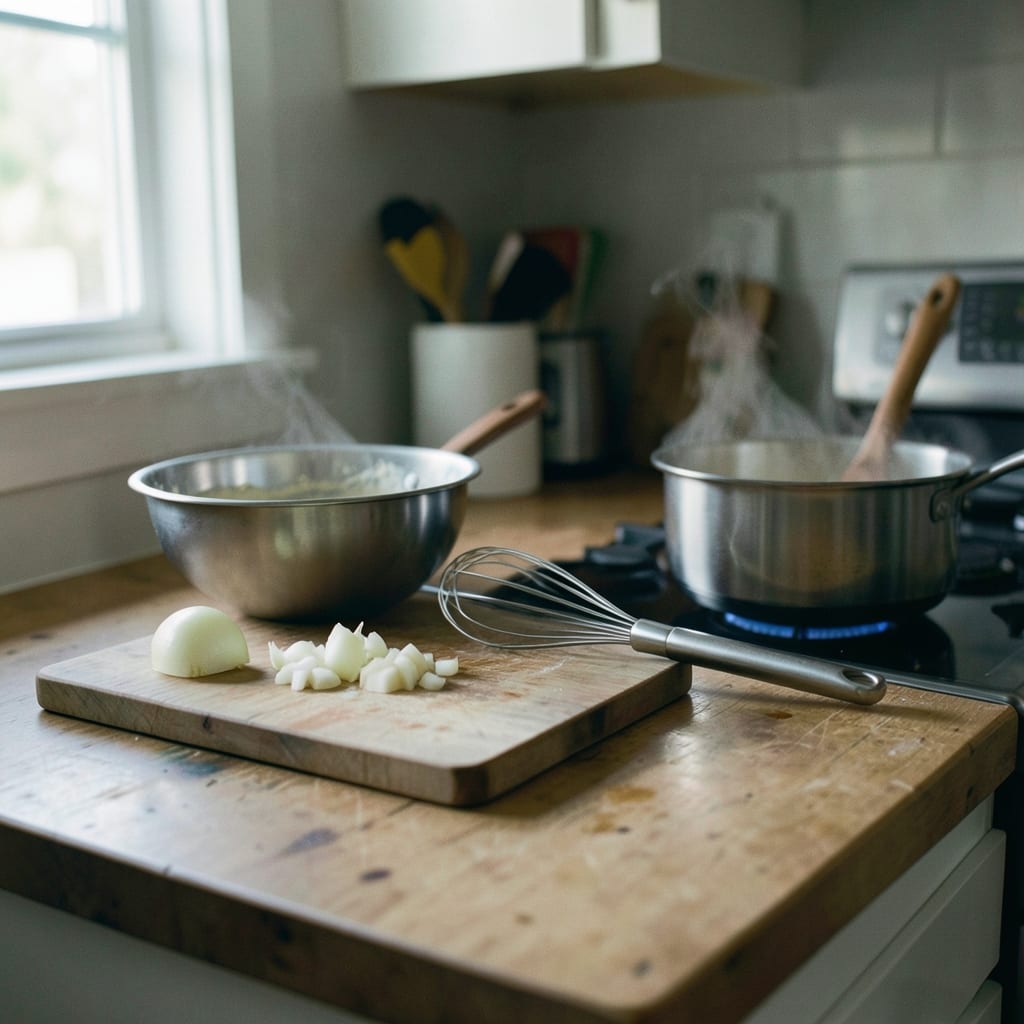
It was February in a tiny kitchen in Portland, and I’d just burned the second batch of tomato soup. The first had been watery, despite the hours I’d simmered it. This one was thick, but the consistency was all wrong—like glue, not velvet. The salt was off, the acid flat.
I’d followed the recipe exactly, down to the pinch of sugar, but something was still missing. The pot smelled right, but it didn’t taste like anything.
I’d made tomato soup dozens of times before. My grandma’s version was the one I swore by: canned tomatoes, a splash of cream, a bay leaf. But this time, no matter how I adjusted it—more garlic, less salt, an extra hour on low heat—it never quite came together.
The texture was either too thin or too heavy, the flavors either dull or sharp in the wrong way. I’d stir, taste, adjust, and stir again, only to end up with something that felt like a compromise.
By the fifth attempt, I’d ruined three pans. The sixth time, I added a splash of red wine vinegar on a whim, and for the first time, the soup *popped*—bright, balanced, alive. But I didn’t stop there. I kept going.
Nine times in total, each version a little different, each one teaching me something new. That’s when I realized: the dish wasn’t the problem. The problem was that I’d never really *understood* it.
Nine tries before it worked
The first three attempts were disasters. I blamed the tomatoes—too ripe, not ripe enough. Then I tried reducing the broth longer, but it turned bitter. The fourth batch had too much onion, so I halved it the next time, only to lose all depth of flavor.
By the seventh try, I’d added a spoonful of tomato paste to thicken it, but the soup tasted like a can of condensed soup had exploded in the pot.
The breakthrough came when I stopped measuring. I dumped in the tomatoes by feel, let the garlic toast in the oil until it was dark brown, and added the cream at the very end, off the heat.
The ninth version was the one that stuck: simmered low, with a splash of vinegar to cut through the richness, and a final swirl of cream that didn’t overwhelm. It was simple, but it *worked*.
What I didn’t know then was that this soup would become the reason for *Soup Recipes Pot*. Not because it was perfect, but because it proved that cooking isn’t about following rules—it’s about paying attention, failing, and trying again. And that’s the only kind of recipe worth sharing.
The mind behind these pages
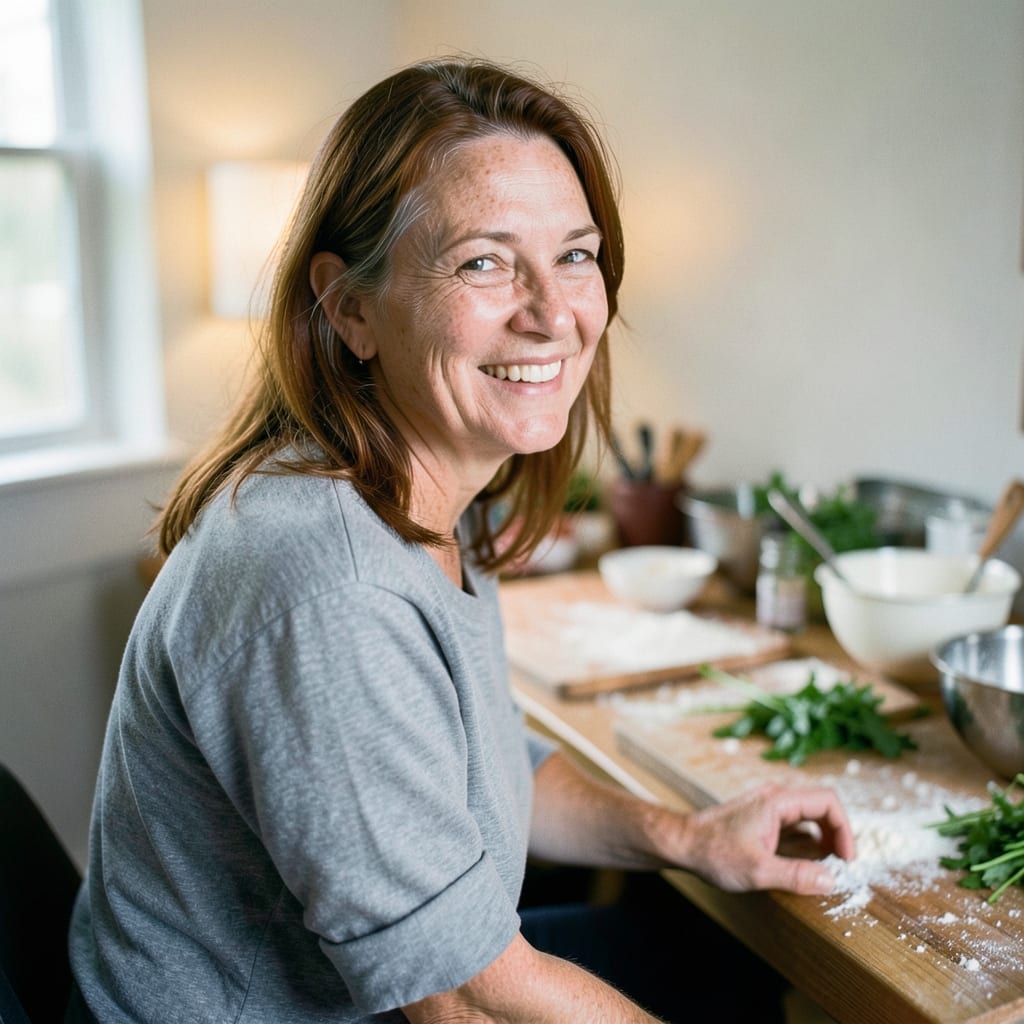
That was me—Nina Ulmer—standing in that kitchen, stirring a pot that refused to behave. I’ve been cooking this way since I was tall enough to reach the counter in my grandma’s kitchen in Germany, where she’d scold me for tasting the soup before it was done. (It was always done.
I just wanted to know if it was *good* done.) Now, I’m the one doing the scolding—mostly to myself—when a dish doesn’t turn out.
I’m the kind of person who will remake a single dish until it’s right, even if it means wasting ingredients, burning pans, or showing up late to things. My family calls it ‘obsession.’ My grandma called it ‘patience.’ I call it necessary.
This site is just that habit, scaled up: a place to document the nine tries, the mistakes, and the final version that actually works.
When I’m not in the kitchen, I’m probably reading a book about chemistry or trying to grow something that won’t survive indoors. (The herbs keep dying. The tomatoes thrive. I don’t understand plants.)
That tomato soup? It’s still the one I make when I want to feel like I’ve done something right. And if you try it, I hope it works for you too.
Everything here is written the way that dish was
Every recipe on this site follows the same rule: it’s made, tasted, adjusted, and made again—sometimes nine times, sometimes more—before it’s ever written down. The notes in the recipe cards aren’t just tips; they’re the scars from the versions that didn’t work.
That’s why you’ll see things like *‘Don’t rush the simmer’* or *‘Trust your nose, not the clock’*—those are the lessons learned the hard way.
The process doesn’t stop when the recipe is published. Months later, if someone writes in to say their version of the dish didn’t turn out, we’ll ask for details: the pot they used, the stove they cooked on, the brand of tomatoes. Because cooking isn’t one-size-fits-all, and neither are recipes.
What works in one kitchen might need tweaking in another—and that’s the part we care about most.
That tomato soup? It’s still the one I go back to when I want to prove a point. If you’ve ever burned a pot, ruined a batch, or spent an hour staring at a dish wondering what went wrong, you’ll find your people here.
Because the best recipes aren’t just about the final result—they’re about the journey that got you there.
What that means for you
Here, you won’t find recipes that promise perfection. You’ll find dishes that have been tested, tweaked, and trusted—along with the honest notes on what to watch out for. Every page is written the same way: with a pot on the stove, a spoon in hand, and a willingness to fail.
That’s the only way to cook, really.
What you *won’t* find are shortcuts, gimmicks, or dishes that require ingredients you can’t pronounce. These are recipes for people who like to cook, not just follow instructions. If you’ve ever wondered why your soup turned out lumpy or your sauce too thin, you’re in the right place.
We’ve been there too.
We’d love to hear about it. Send us the details—the ingredients, the method, what went wrong—and we’ll walk you through what might’ve gone sideways. Sometimes, all it takes is one small adjustment to turn a disaster into a winner.
If you’ve got a question or a dish you’re determined to master, the contact page is where to start. Bring your notes, your failures, and your curiosity—and let’s figure it out together.
The recipes are grouped by category: Appetizers, Beverages, Breakfast & Brunch, Desserts, Main Courses and Reviews.