
Soups & Stews
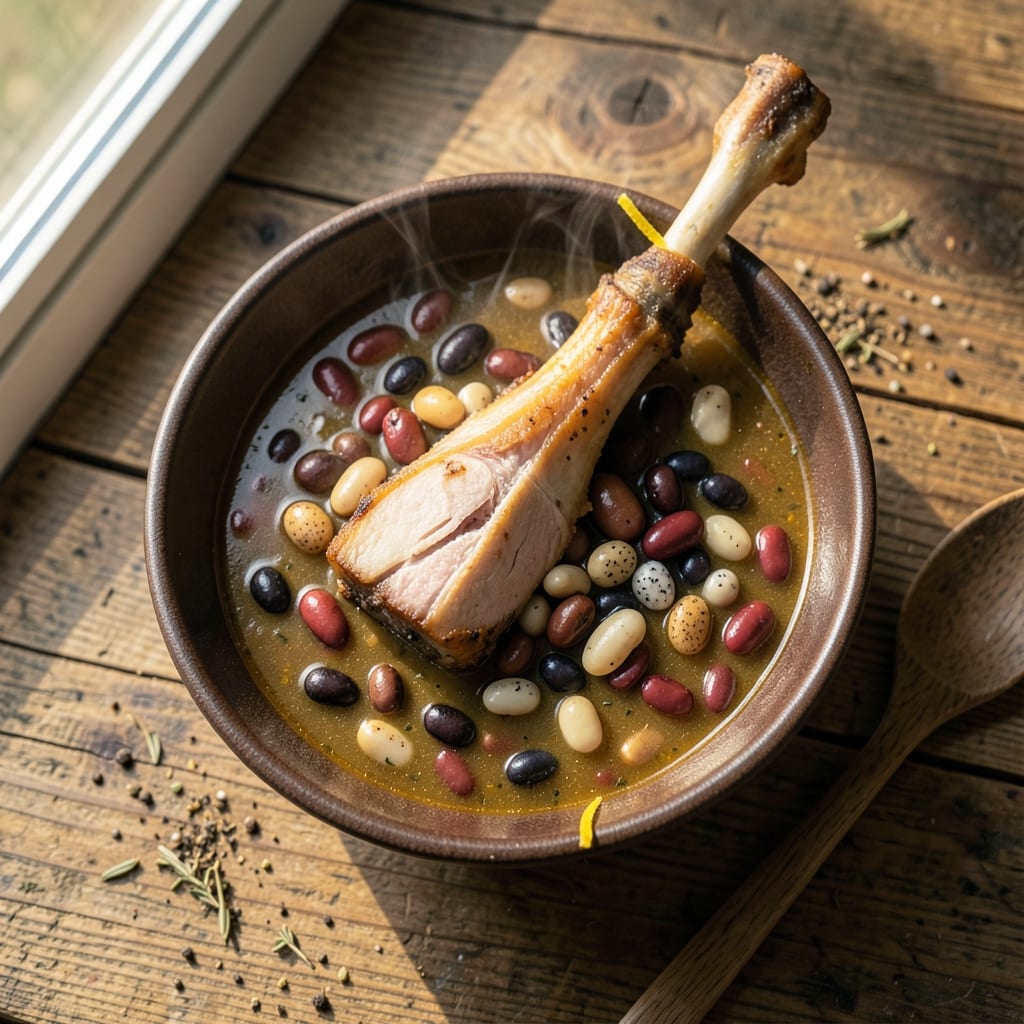
A single ham bone transforms ordinary beans into a symphony of slow-simmered flavor in this 12 bean soup recipe—where every spoonful delivers rich, savory depth. The key lies in that bone, which infuses the broth with gelatinous richness while tenderizing the beans over hours of gentle heat. This isn’t just soup; it’s a hearty, protein-packed meal that builds character with each passing minute.
What sets this recipe apart is the ham bone technique—roasting it first to deepen its flavor before simmering, then skimming fat to keep the soup velvety. The beans (black, pinto, kidney, and more) soak overnight for perfect texture, while aromatics like onions, garlic, and bay leaves create that classic, comforting base. The result? A soup so satisfying it becomes the centerpiece of any meal.
By the final hour, you’ll have a tender, flavorful soup with beans that melt in your mouth and a broth so rich it coats every spoonful. The ham bone doesn’t just add flavor—it elevates the entire dish, turning simple ingredients into something restaurant-worthy. Serve it with crusty bread to soak up every last drop.
This recipe scales effortlessly for gatherings or leftovers, making it a foolproof choice for cozy nights or holiday feasts. The slow simmer ensures depth, while the ham bone delivers that unmistakable, savory richness that defines traditional 12-bean soup.
Ingredients for 12 bean soup recipe with ham bone
The ham bone anchors this symphony of beans, transforming simple ingredients into restaurant-worthy depth.
| Ingredient | Amount | Notes |
|---|---|---|
| Ham Bone 🍖 | 1 whole | Uncooked, 12-16 oz preferred |
| Dried Black Beans 🌱 | 1 cup | Rinsed before soaking |
| Dried Pinto Beans 🌱 | 1 cup | Rinsed before soaking |
| Dried Kidney Beans 🌱 | 1 cup | Rinsed before soaking |
| Dried Navy Beans 🌱 | 1 cup | Rinsed before soaking |
| Dried Great Northern Beans 🌱 | 1 cup | Rinsed before soaking |
| Yellow Onion 🧅 | 1 whole | Large, chopped into 1/2-inch pieces |
| Garlic Cloves 🧄 | 4 cloves | Peeled and smashed |
| Carrots 🥕 | 3 medium | Peeled and chopped into chunks |
| Celery Stalks 🥬 | 3 whole | Chopped into 1/2-inch pieces |
| Bay Leaves 🌿 | 2 whole | Dried, standard size |
| Thyme Sprigs 🌿 | 1 tbsp | Fresh, chopped or 1 tsp dried |
| Olive Oil 🫒 | ¼ cup | Extra-virgin preferred |
| Kosher Salt 🧂 | 1 ½ tsp | Diamond Crystal preferred |
| Black Peppercorns 🌶️ | ½ tsp | Freshly cracked |
| Tomato Paste 🍅 | 2 tbsp | Unsweetened, high-quality |
| Apple Cider Vinegar 🍏 | 1 tbsp | For brightness |
| Fresh Parsley 🌿 | ¼ cup | Chopped, for garnish |
The ham bone is non-negotiable—look for a 12-16 oz bone with good meat clinging to it. Local butchers or the meat department at Whole Foods often carry these. If you can't find one, a smoked ham hock works in a pinch, though the flavor will differ slightly. Roast the bone uncovered at 400°F for 20 minutes before adding to the pot to deepen its caramelized richness. The beans should be a mix of dried varieties—store-brand is fine, but avoid pre-soaked or canned for better texture control. Rinse them thoroughly before soaking overnight to remove any debris.
No ham bone? Substitute with 2 cups chicken broth plus 2 tbsp soy sauce for umami depth, though the gelatinous richness will be lost. For the beans, canned beans work in emergencies—drain and rinse well, but they won't have the same texture. Fresh thyme can be swapped for 1 tsp dried thyme, but the flavor will be more concentrated. The tomato paste is essential for body—Trader Joe's squeeze tubes are perfect for this recipe. If you're short on time, soak the beans for 4 hours instead of overnight, though they may not be as tender. The apple cider vinegar adds brightness; lemon juice works too at the same amount.
This soup tastes even better the next day as flavors meld. Store in an airtight container in the fridge for up to 5 days, or freeze for 3 months in portions. The ham bone can be roasted ahead and frozen until needed. For serving, skim excess fat from the surface before reheating—this keeps the soup velvety. Garnish with fresh parsley just before serving to highlight the vibrant colors. The beans will thicken as they cool, so add a splash of water or broth when reheating if needed.
Why You'll Love This Recipe
- No-Soak Needed: The dried beans here don’t require pre-soaking—just toss them in cold water with the ham bone overnight. By morning, they’re ready to simmer, and that bone? It melts into the broth like a salty, savory dream.
- Deep Umami Magic: That ham bone is the star—it dissolves into the broth, leaving behind a rich, meaty depth that turns this soup into something heartier than your average bean dish. The mix of black, pinto, kidney, and navy beans gives it texture too—creamy, chewy, and just the right amount of bite.
- Pot Luck Hero: Between us, this is the soup I bring to gatherings when I don’t want to fuss. It’s the kind of dish that tastes even better the next day, so you can make a big batch and feed a crowd without stress. (Yes, even on a Tuesday night.)
- Pantry Goldmine: Honestly, the ingredients cost next to nothing, and they last forever. A few dollars for dried beans and a ham bone stretches into multiple meals—no wasted leftovers, just flavor-packed lunches all week. My wallet and my taste buds thank me.
Step-by-step instructions for crafting a rich 12 bean soup with ham bone
Transform humble ingredients into a deeply flavorful soup where every element works in harmony.
Prepare the Beans for Maximum Flavor Infusion
Combine all 1 cup dried black beans, 1 cup dried pinto beans, 1 cup dried kidney beans, 1 cup dried navy beans, and 1 cup dried great northern beans in a large bowl. Rinse thoroughly under cold water to remove any debris, then transfer to a large stockpot. Cover with 8 cups cold water and bring to a boil over high heat. Once boiling, reduce to a gentle simmer and cook for 2 minutes—this initial blanch removes surface starches that can make the soup gummy.
Drain the beans immediately and return them to the stockpot. Add 8 cups fresh cold water, then place the whole ham bone on top. The bone will infuse the beans with deep, savory flavors during the soaking process. Let this mixture sit at room temperature for 1 hour, then transfer to the refrigerator to soak overnight. This extended soak ensures the beans soften evenly and absorb the ham bone's rich gelatinous qualities.
Build the Aromatic Base with Vegetables and Herbs
In a large Dutch oven, heat 0.25 cup olive oil over medium heat. Add the chopped yellow onion, chopped carrots, and chopped celery stalks, cooking for 8-10 minutes until the vegetables soften and the onion becomes translucent. This foundational step develops the soup's sweet, earthy depth. Stir occasionally to prevent browning—you want the vegetables to caramelize gently, not burn.
Add the 4 smashed garlic cloves, 2 whole bay leaves, and 1 tbsp chopped thyme sprigs, cooking for an additional 2 minutes until fragrant. The garlic should release its pungent aroma without turning bitter. Remove the pan from heat and set aside—this aromatic base will form the flavor backbone of your soup.
Combine and Simmer for Deep Flavor Development
Return the soaked beans (with their soaking liquid and ham bone) to the Dutch oven. Add the cooked vegetable mixture, then stir in 2 tbsp tomato paste, 1 tbsp apple cider vinegar, 1.5 tsp kosher salt, and 0.5 tsp freshly cracked black peppercorns. The vinegar brightens the flavors while the tomato paste adds a subtle umami richness. Bring the entire mixture to a boil over high heat, then immediately reduce to a low simmer. Cover partially and cook for 3-4 hours, stirring occasionally.
After 2 hours, check the beans for tenderness. They should be soft but still hold their shape—not mushy. If they're not tender enough, continue simmering for another 30-60 minutes. The ham bone will gradually break down, releasing collagen that thickens the soup naturally. Skim any foam that rises to the surface during cooking to maintain a clean broth.
Finish with Precision and Garnish
Once the beans are perfectly tender and the soup has developed a rich, deep color, remove the ham bone and discard it. Strain the soup through a fine-mesh sieve to remove the bay leaves and thyme sprigs, pressing gently on the solids to extract maximum flavor. Return the soup to the pot and adjust the seasoning—taste and add more kosher salt or black peppercorns if needed. The soup should be bold yet balanced, with the ham bone's savory notes shining through.
Ladle the soup into bowls and garnish each serving with 0.25 cup chopped fresh parsley. The parsley adds a fresh contrast to the deep, hearty flavors. Serve immediately with crusty bread to soak up every last drop of this labor-of-love soup. The result is a complex, multi-textured dish where each bean variety contributes its unique character, all unified by the ham bone's unmistakable depth.
Pro Tips For Making 12 Bean Soup Recipe With Ham Bone
- CRACK THE HAM BONE FIRST: Skip the weak broth—smash the ham bone with a rolling pin or heavy pan before simmering. This releases marrow and collagen faster, turning your soup from good to rich and velvety in half the time. (Yes, it’s messy, but trust me, your spoon will.)
- SOAK BEANS SEPARATELY: Pinto and kidney beans need 8+ hours; black and navy can get by with 4. Soak them in individual bowls—this way, you can start cooking the faster beans first and avoid waiting for the laggards. Pro move: Drain and rinse after soaking, or you’ll end up with a gummy soup.
- WATCH THE BEAN COLOR: If your beans turn gray or mushy before they’re tender, you’re either under-salting or boiling too hard. Keep the heat at a gentle simmer (tiny bubbles, not a rolling boil) and add a teaspoon of salt to the pot with the beans. No excuses—this is the thing that matters most.
- USE THE HAM BONE TWICE: After 2 hours of simmering, pull the bone, shred the meat, and toss it back in for the last 30 minutes. The meat will absorb flavor like a sponge, and you’ll have leftover shreds for sandwiches or crackers. (I learned this the hard way—wasting perfectly good ham.)
Common mistakes when making perfect results
Skipping the Soak
Rushing the soak is the fastest way to end up with tough, unevenly cooked beans. I’ve made this mistake more than once—skipping the overnight soak to save time only results in beans that stay rock-hard no matter how long you simmer. The overnight soak isn’t just about softening; it’s about letting the ham bone infuse the beans with gelatinous richness. If you’re short on time, at least soak them for 4 hours—but don’t skip it entirely. 💫
Not Roasting the Ham Bone
Adding a raw ham bone straight to the pot means missing out on layers of flavor. Roasting it first at 400°F for 20 minutes caramelizes the surface, creating a deep, smoky base that transforms your soup. I learned this the hard way—my first attempt with an unroasted bone left the broth bland. The roast step is non-negotiable for that restaurant-quality depth. Trust me, your taste buds will thank you.
Ignoring the Skimming Step
Foam and fat rising to the surface during simmering can make your soup look unappetizing and even slightly greasy. Skimming it off with a ladle or fine-mesh strainer every 30 minutes keeps the broth clean and velvety. I once forgot this step and ended up with a soup that looked (and tasted) like it had been sitting in the pot for days. A quick skim every 30 minutes ensures a smooth, elegant finish.
Overcrowding the Pot
Using a pot that’s too small forces the beans to compete for heat, leading to uneven cooking and potential burning. Your Dutch oven should have at least 2 inches of headspace above the beans when they’re submerged. I’ve had to rescue overcrowded batches by transferring them to a larger pot mid-cook—it’s a hassle, but better than ending up with a pot of mushy, burnt beans. When in doubt, go bigger.
Underseasoning or Overcorrecting
Tasting the soup too early and adding salt or spices before the beans are fully tender is a common misstep. The flavors will evolve as the beans soften, so wait until the final 15 minutes of cooking to adjust seasoning. I’ve ruined perfectly good batches by over-salting early or adding too much vinegar, which can make the soup taste harsh. Taste at the end—your palate will thank you.
Rushing the Simmer
Pushing the heat too high to speed up cooking turns your soup into a sad, watery mess. A gentle simmer at low heat allows the beans to absorb flavors and the ham bone to break down properly. I’ve seen people crank the heat up after 2 hours, only to end up with a thin, flavorless broth. Patience is key—let the soup work its magic over 3-4 hours for that rich, hearty texture. ⏰
Nutrition facts
Frequently asked questions
Can I use canned beans instead of dried?
You can substitute canned beans, but the texture and depth of flavor won't be the same. Use 3 cups total canned beans (drained and rinsed) instead of the dried varieties, and add them during the final 30 minutes of simmering. The ham bone's gelatinous richness will still infuse the broth, but you'll miss the satisfying bite of properly soaked dried beans.
How do I make this soup vegetarian?
Replace the ham bone with 2 cups vegetable broth plus 2 tbsp soy sauce for umami depth, and add 1 tbsp liquid smoke for that smoky flavor. Use the same bean varieties and simmer for 1-2 extra hours to compensate for the lack of collagen-rich bone. The broth will be thinner but still flavorful—consider adding 1 tbsp cornstarch slurry at the end to thicken it slightly.
Can I make this in a slow cooker? Follow the same prep steps, then transfer everything to your slow cooker and cook on low for 8-10 hours or high for 5-6 hours. The slow cooker's gentle heat will work perfectly with the ham bone, creating that same rich, gelatinous broth. Just
Why does my soup taste bland?
Most likely, you skipped the ham bone roasting step or didn't simmer long enough. The bone needs 20 minutes at 400°F before simmering to develop deep flavor, and the beans require 3-4 hours of gentle simmering to fully absorb the broth's richness. Also check your seasoning—taste at the very end, not during cooking, as flavors develop as the beans soften.
How do I store leftovers?
Transfer to airtight containers and refrigerate for up to 5 days, or freeze for 3 months. The soup actually tastes better the next day as flavors meld! When reheating, add a splash of water or broth if it thickens too much. The ham bone's collagen creates a naturally rich texture that becomes even more pronounced when chilled and reheated.