
Soups & Stews
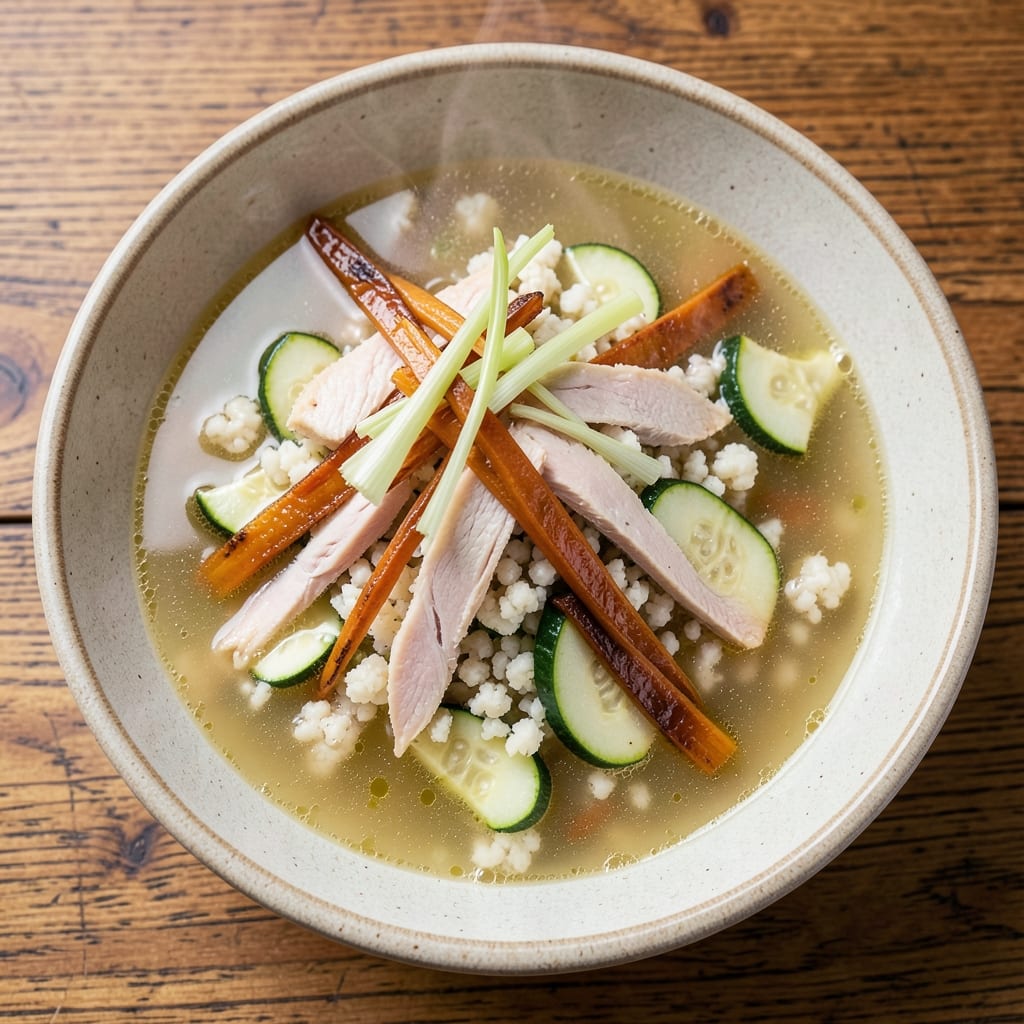
This 17-day diet soup recipe is designed to be your weight-loss ally—packed with hidden vegetables, lean protein, and fiber to keep you full while cutting calories. The secret lies in its balanced ingredients: hearty vegetables blend seamlessly with lean chicken or beans, creating a satisfying, nutrient-dense meal that supports your diet goals without sacrificing flavor. Every spoonful delivers essential vitamins, minerals, and plant-based power to fuel your day while promoting satiety.
The beauty of this recipe is its versatility—it’s easy to prepare in large batches, making it perfect for meal prep. The broth-based foundation ensures low calories while maximizing volume, while the hidden veggies (like cauliflower, zucchini, and carrots) boost nutrition without altering the taste. The addition of lean protein—whether chicken, turkey, or plant-based—keeps you energized and full, reducing cravings between meals.
What sets this soup apart is its ability to adapt to your dietary needs over 17 days. You can customize it with different vegetables, proteins, or spices to keep meals exciting while maintaining its weight-loss benefits. The recipe is designed to be both nourishing and delicious, proving that diet-friendly meals can be just as satisfying as indulgent ones.
Ready to transform your diet with a soup that works as hard as you do? This recipe ensures you stay on track without feeling deprived, making it the ultimate tool for sustainable weight loss. Let’s get started on your 17-day journey to a healthier, happier you.
Ingredients for 17 day diet soup
Lean protein, hidden veggies, and fiber-packed ingredients for your 17-day weight-loss journey.
| Ingredient | Amount | Notes |
|---|---|---|
| Low-Sodium Chicken Broth 🍲 | 6 cups | Homemade or high-quality low-sodium |
| Boneless, Skinless Chicken Breast 🍗 | 1 ½ lb | Lean protein, diced small |
| Cauliflower Rice 🥬 | 4 cups | Fresh or frozen, finely chopped |
| Zucchini 🥒 | 2 medium | Unpeeled, diced small |
| Carrots 🥕 | 3 medium | Peeled, sliced thin |
| Celery Stalks 🧅 | 3 whole | Chopped fine, for broth flavor |
| Onion 🧅 | 1 medium | Yellow or white, diced |
| Garlic Cloves 🧄 | 4 cloves | Minced for aromatic depth |
| Canned Diced Tomatoes 🍅 | 1 14.5 oz can | No salt added preferred |
| Black Beans 🌱 | 1 cup | Rinsed, for plant-based protein |
| Lentils 🌱 | ½ cup | Green or brown, cooked |
| Low-Fat Greek Yogurt 🥛 | ½ cup | Plain, for creaminess |
| Whole Wheat Pasta 🍝 | 1 oz | Small shapes, like ditalini |
| Fresh Spinach 🌿 | 2 cups | Chopped, wilted in |
| Lemon Juice 🍋 | 1 tbsp | Freshly squeezed |
| Dried Thyme 🌿 | 1 tsp | Or 1 tbsp fresh |
| Ground Black Pepper 🌶️ | ½ tsp | Freshly cracked |
| Diamond Crystal Kosher Salt 🧂 | 1 ½ tsp | Adjust to taste |
The chicken breast is your lean protein anchor—look for boneless, skinless cuts at Trader Joe's or your local butcher for the freshest. Costco often has family packs that save money for meal prep. The cauliflower rice is the secret weapon here—it mimics rice texture while cutting carbs dramatically. Fresh is best, but frozen works in a pinch (just thaw and drain well). For the low-sodium broth, homemade is ideal, but Pacific Foods or Imagine brands are solid grocery store options. The black beans and lentils provide plant-based protein and fiber—both essential for satiety. If you're short on time, canned beans work (just rinse thoroughly), but dried lentils take 20 minutes on the stovetop for a fresher taste.
No chicken? Extra-firm tofu or turkey breast keeps this vegetarian or lower-fat. The zucchini and carrots can be swapped for mushrooms or bell peppers if you prefer different veggie flavors—just adjust cooking times. For the whole wheat pasta, Barilla or De Cecco brands hold up well in soups. Short on spinach? Kale or Swiss chard work too, but chop finely so it blends seamlessly. The lemon juice brightens everything—use freshly squeezed if you've got it, but bottled works in a bind. For extra flavor without calories, try adding a pinch of red pepper flakes or a dash of smoked paprika to the broth while simmering. The Greek yogurt adds creaminess without heavy calories—opt for full-fat if you're not watching calories closely (trust me on the full-fat version).
This soup reheats beautifully—just warm through on the stovetop with a splash of broth. Keeps for 4-5 days in the fridge or 3 months frozen. I portion mine into glass containers for easy grab-and-go lunches. The hidden veggies (cauliflower, zucchini, carrots) stay fresh longer when chopped and stored in airtight containers with a damp paper towel to maintain crispness. For meal prep, cook the base broth and veggies ahead, then add protein and pasta fresh when serving. The spinach and yogurt can be stirred in just before eating to keep them vibrant.
Why You'll Love This Recipe
- No-Fuss Simmer: I swear by this recipe because it’s literally dump-and-go after the chopping. Toss everything—chicken, veggies, broth—into one pot, and let it work its magic. The cauliflower rice soaks up all the flavor while you’re scrolling through emails or watching a show.
- Savory Depth: That low-sodium broth paired with shredded chicken? It’s the kind of taste that tricks you into thinking it’s restaurant-quality. The carrots add natural sweetness, and the zucchini keeps it light—no heavy cream or weird aftertaste here.
- Meal Prep MVP: Between us, this soup is my secret weapon for lunches. Cook a big batch on Sunday, and you’ve got five easy, no-reheat-needed meals. The chicken stays tender, the veggies hold up, and honestly? I don’t even miss takeout.
- Budget Wins: Skinless chicken breast and seasonal veggies stretch this recipe far without breaking the bank. Plus, leftovers? They’re just as good cold the next day—perfect for packing or reheating when you’re too tired to cook.
Step-by-step instructions for weight-loss powerhouse soup
Here's how to create a nutrient-packed, vegetable-rich soup that supports your diet goals while delivering restaurant-quality flavor.
Build the Flavor Base with Aromatics and Protein
In a large Dutch oven or heavy pot, heat 1 tablespoon olive oil over medium heat. Add the diced onion and cook for 3-4 minutes until softened and translucent. This foundational step develops the soup's depth of flavor.
Add the chopped celery stalks, sliced carrots, and diced zucchini to the pot. Stir and cook for another 5 minutes until the vegetables begin to soften. The vegetables should release their natural juices and create a fragrant base.
Push the vegetables to one side of the pot and add the minced garlic cloves and 1 teaspoon dried thyme to the empty space. Cook for 30 seconds until fragrant—this releases the garlic's full flavor without burning. Add the diced boneless, skinless chicken breast and cook for 3-4 minutes until lightly browned on all sides.
Develop the Broth and Incorporate Legumes
Pour in the 6 cups low-sodium chicken broth and bring the mixture to a gentle boil. Once boiling, reduce heat to medium-low and add the 1 cup black beans and 0.5 cup cooked lentils. Stir well to combine and let the soup simmer for 10 minutes.
Add the 1 14.5 oz can diced tomatoes and the 4 cups cauliflower rice to the pot. Stir again to distribute evenly. The cauliflower rice will help thicken the soup slightly while adding fiber and volume without many calories.
Season with the 1.5 teaspoons diamond crystal kosher salt and 0.5 teaspoon ground black pepper. Taste and adjust seasoning if needed—this is where the soup's flavor really comes together. Let the soup continue simmering for another 15 minutes to allow all the ingredients to meld together.
Finish with Creaminess and Freshness
Reduce heat to low and stir in the 0.5 cup low-fat Greek yogurt and 1 tablespoon lemon juice. The yogurt adds a creamy texture without the heaviness of full-fat dairy, while the lemon juice brightens all the flavors. Stir gently to avoid breaking up the yogurt.
Add the 1 oz whole wheat pasta and 2 cups fresh spinach to the pot. Let the soup simmer for an additional 5-7 minutes until the pasta is al dente and the spinach is completely wilted. The spinach will add a vibrant green color and a boost of nutrients.
Taste one final time and adjust seasoning if needed. The soup should be well-seasoned but not overly salty. Remove from heat and let it sit for 5 minutes to allow the flavors to fully meld together before serving.
Serve Warm with Optional Toppings
Ladle the soup into bowls and serve immediately while warm. The combination of lean protein, fiber-rich vegetables, and creamy yogurt creates a satisfying yet light meal perfect for weight management.
For added flavor, consider topping with a sprinkle of fresh parsley or a drizzle of hot sauce. The soup's texture should be hearty yet light, with each spoonful packed with nutrients and flavor that will keep you satisfied between meals.
Pro Tips For Making 17 Day Diet Soup
- CHOP ZUCCHINI THIN: Thick slices turn to mush—slice zucchini into ¼-inch half-moons. I learned this the hard way when my soup ended up as a watery porridge. Thin pieces cook faster and hold shape, so they stay crisp-tender instead of dissolving into the broth.
- SIMMER CHICKEN LOW: Chicken breast dries out if you boil it. Once the broth reaches a gentle simmer, reduce heat to lowest possible and cover—just enough to keep it at 165°F (74°C). I used to rush it, and the result was sad, rubbery meat. Patience here makes all the difference.
- SAUTE CAULIFLOWER RICE FIRST: Skip adding cauliflower rice directly to the broth—it’ll turn to mush. Instead, dry it well (pat with a towel), then sauté in a dry pan for 3-4 minutes until golden in spots. This adds texture and prevents that sad, limp rice consistency.
- USE CARROT SLICES, NOT GRATES: Grated carrots turn to paste. Cut them into ⅛-inch thick half-moons so they stay intact and add bite. I was skeptical until I tried it—now I double-check my prep to avoid that mushy texture that ruins the soup’s freshness.
Common mistakes when making this dish
Over-Salting the Broth
This is my biggest rookie mistake when making diet-friendly soups—I'd often add too much salt early on, thinking I'd adjust later. The problem is that once you've added salt to the broth, you can't easily remove it. Instead, taste as you go and add salt in small increments—I use ¼ tsp at a time—and remember that the other ingredients (like low-fat Greek yogurt and lemon juice) will naturally enhance flavor without needing extra salt. Trust me, your taste buds will adjust after a day or two of eating lighter meals. 🧂
Skipping the Flavor Base
Rushing through the aromatic step (onion, celery, garlic) is a huge mistake—this is where the soup gets its depth. I've learned that taking 5-10 extra minutes to properly cook these vegetables makes all the difference. The Maillard reaction happening here creates complex flavors that can't be replicated later. Don't be tempted to add raw garlic or undercooked onions—they'll make your soup taste harsh and unbalanced.
Using High-Sodium Ingredients
Many store-bought ingredients hide sneaky sodium—canned beans, broth, and even some tomato products can be salt traps. Always look for no-salt-added versions when possible. I now keep Pacific Foods low-sodium broth and rinsed canned beans on hand to avoid this pitfall. Even a little extra salt adds up over 17 days, so every bit counts for your diet goals.
Overcooking the Vegetables
Mushy vegetables ruin the texture of an otherwise perfect soup. I used to let everything simmer too long, especially the cauliflower rice and zucchini, which turn to mush if not careful. The key is to add delicate ingredients like spinach and pasta only in the last 5-7 minutes of cooking. For the cauliflower rice, I add it when the beans and lentils are nearly done—just enough time to soften without breaking down completely.
Ignoring the Resting Time
Skipping the 5-minute rest after cooking might seem trivial, but it's crucial for letting flavors meld. I used to rush to serve immediately, only to find the soup tasted flat. This resting period allows the broth to absorb all the flavors from the vegetables and protein. It's also when the Greek yogurt has time to fully incorporate without curdling. Patience here makes a noticeable difference in the final taste. ⏳
Not Adjusting for Freezer Storage
If you're prepping this soup for the full 17 days, freezing is inevitable—but it changes the texture. The broth will thicken slightly when thawed, and vegetables may release more water. To combat this, I add an extra ½ cup broth when reheating frozen portions. Also, never freeze with the yogurt—add it fresh when serving to maintain that creamy texture. The key is to store the base ingredients separately and assemble only when ready to eat.
Nutrition facts
Frequently asked questions
Can I make this soup vegetarian?
Swap the chicken breast for extra-firm tofu or turkey breast to keep it protein-rich. For a fully plant-based version, use 1 cup more lentils or 1 cup chickpeas instead of chicken. The flavor stays rich and satisfying without meat.
How do I adjust portion sizes for 17 days?
This recipe makes about 12 servings, perfect for 17 days if you eat 1 bowl per day (about 1.5 cups per serving). Store in airtight containers in the fridge for 4-5 days or freeze portions in glass containers for up to 3 months. Thaw overnight in the fridge before reheating.
Can I add meatballs or sausage?
Yes, but choose lean options like turkey meatballs or chicken sausage to keep calories in check. Add them during the last 10 minutes of cooking to avoid overcooking. For extra flavor, season with Italian herbs or a pinch of smoked paprika before adding to the soup.
What if I don’t like cauliflower?
No problem! Replace the cauliflower rice with shredded zucchini, diced mushrooms, or even extra whole wheat pasta (just reduce the pasta by ½ oz). The soup will still be low-calorie and packed with veggies—just adjust the cooking time for denser ingredients like mushrooms.
Is this soup safe for people with gluten intolerance?
Not as written—it contains whole wheat pasta. For a gluten-free version, swap the pasta for gluten-free ditalini or quinoa. Check labels on broth, beans, and lentils too, as some brands process in gluten-containing facilities. Always verify ingredients if gluten is a concern.