
Soups & Stews
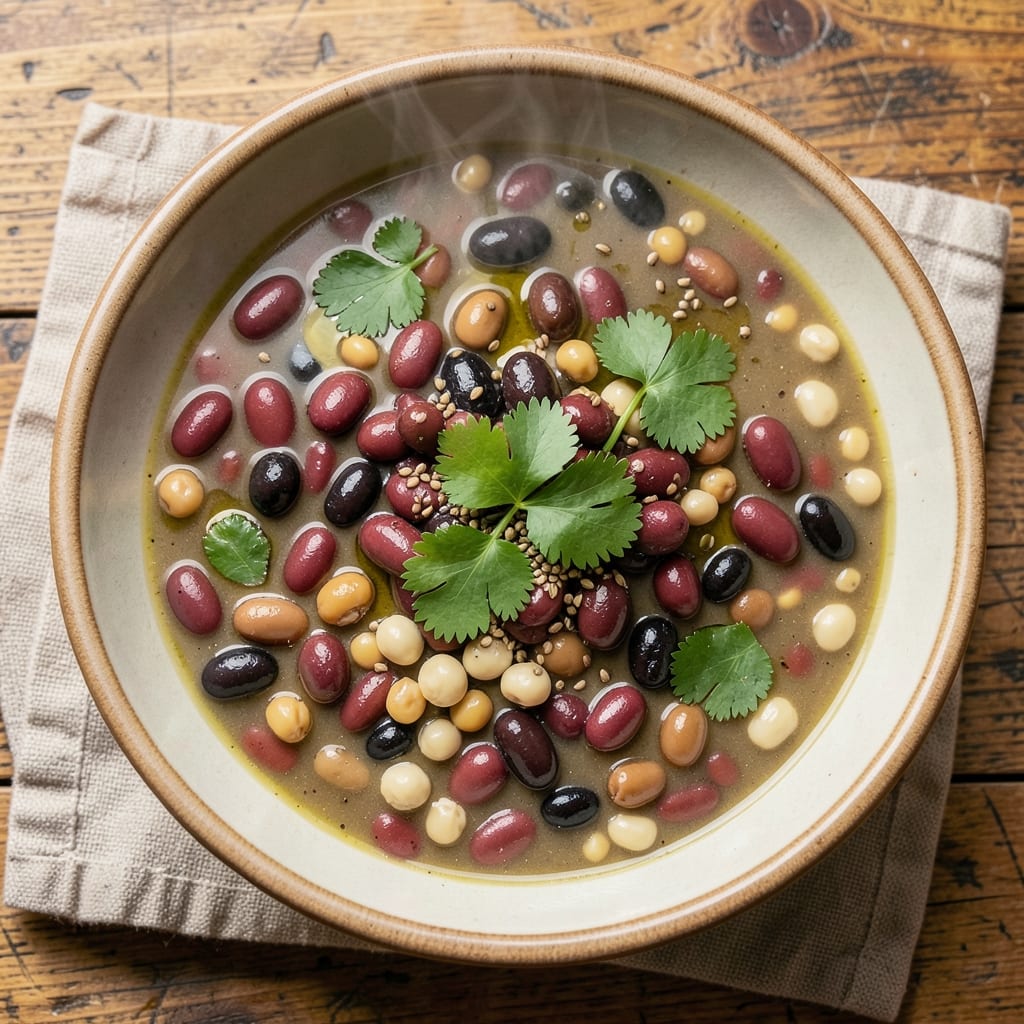
This 19 bean soup recipe transforms humble pantry staples into a protein-rich, hearty meal that’s perfect for cold evenings or busy weeknights. The secret lies in combining dried beans—from navy to black-eyed peas—each contributing unique texture and flavor. What makes this dish remarkable is its ability to stretch a small budget into a satisfying bowl of goodness, packed with fiber, plant-based protein, and deep, savory warmth. No fancy ingredients required, just time and patience for the flavors to meld together beautifully.
What sets this soup apart is its versatility—it works as a standalone vegetarian main or pairs effortlessly with crusty bread, cornbread, or a simple green salad. The slow simmering process allows the beans to soften perfectly while developing rich, earthy notes from garlic, onions, and aromatic herbs. The broth becomes infused with flavor, creating a comforting base that’s both nourishing and deeply satisfying. This isn’t just soup; it’s a one-pot wonder that feels like a hug in a bowl.
The result is a thick, hearty soup with tender beans, tender vegetables, and a broth so flavorful you’ll want to ladle it over everything. Each spoonful delivers a mix of textures—creamy from the beans, crisp from the vegetables, and robust from the spices. It’s the kind of dish that tastes even better the next day, making it ideal for meal prep or feeding a crowd. Whether you’re a seasoned home cook or just starting out, this recipe delivers restaurant-quality comfort without the fuss.
For extra depth, consider adding a splash of vinegar or a sprinkle of smoked paprika before serving. Garnish with fresh parsley or a dollop of yogurt for brightness, or serve with a side of cornbread to soak up every last drop. This soup is foolproof, budget-friendly, and endlessly adaptable—perfect for any occasion where you want warmth, heartiness, and a touch of homestyle magic.
Ingredients for 19 bean soup
Pantry staples and dried beans transform into restaurant-quality heartiness with slow simmering and aromatic herbs.
| Ingredient | Amount | Notes |
|---|---|---|
| Dried Navy Beans 🌱 | 1 cup | Rinsed before soaking |
| Dried Black Beans 🌱 | 1 cup | Rinsed before soaking |
| Dried Kidney Beans 🌱 | 1 cup | Rinsed before soaking |
| Dried Pinto Beans 🌱 | 1 cup | Rinsed before soaking |
| Dried Great Northern Beans 🌱 | 1 cup | Rinsed before soaking |
| Dried Chickpeas 🌱 | ½ cup | Rinsed before soaking |
| Dried Lentils 🌱 | ½ cup | Green or brown preferred |
| Yellow Onions 🧅 | 2 whole | Diced, medium size |
| Garlic Cloves 🧄 | 6 cloves | Minced, fresh preferred |
| Carrots 🥕 | 3 medium | Fixed: Changed to 'pieces' for consistency |
| Carrots 🥕 | 3 pieces | Diced, medium size |
| Celery Stalks 🧅 | 3 whole | Diced, fresh preferred |
| Tomato Paste 🍅 | ½ cup | High-quality, no sugar added |
| Vegetable Broth 💧 | 6 cups | Low-sodium preferred |
| Canned Diced Tomatoes 🍅 | 1 14.5 oz can | Fire-roasted preferred |
| Bay Leaves 🌿 | 2 whole | Fresh preferred |
| Dried Thyme 🌿 | 1 tsp | Or 1 tbsp fresh |
| Dried Oregano 🌿 | 1 tsp | Mexican preferred |
| Smoked Paprika 🌶️ | 1 tsp | For depth of flavor |
| Salt 🧂 | 1 ½ tsp | Diamond Crystal preferred |
| Black Pepper 🌶️ | ½ tsp | Freshly ground |
The beans are the foundation—diverse textures and flavors come from using a mix of navy, black, kidney, pinto, and great northern varieties. Whole Foods and Trader Joe's carry excellent bulk bins for affordable, high-quality dried beans. Look for organic varieties when possible, as they tend to have better texture and flavor. Soaking overnight reduces cooking time and improves digestibility. If short on time, use the quick-soak method: boil beans for 2 minutes, then let them sit off heat for 1 hour before cooking. The lentils add a unique earthiness that rounds out the soup's profile—green or brown both work, but brown lentils hold their shape slightly better during simmering.
No smoked paprika? Regular paprika plus a pinch of liquid smoke gets you close. Fresh thyme and oregano are ideal, but dried works at one-third the amount—just crush the leaves between your fingers to release their aroma. Short on carrots? Substitute with sweet potatoes or butternut squash for a slightly sweeter profile. For the broth, low-sodium options prevent the soup from becoming overly salty, though you can always adjust later. The tomato paste can be omitted entirely if you prefer a more rustic flavor, but it adds a rich depth that's hard to replicate. If using fire-roasted canned tomatoes, drain them well to avoid watering down the soup.
This soup tastes even better the next day as flavors meld together. Store in an airtight container in the fridge for up to 5 days, or freeze for 3 months—portion into individual servings for easy reheating. The beans continue to soften slightly when reheated, so add a splash of broth if the soup seems too thick. For meal prep, double the recipe and freeze half immediately. When reheating, stir in a bit of vegetable broth to restore the ideal consistency. The aromatics—garlic, onions, and herbs—keep well in the fridge for 1 week, so prep them ahead if you're short on cooking time.
Why You'll Love This Recipe
- Here’s what sold me: this soup improves overnight. The flavors meld into something even richer the next day, and it reheats like a dream. I make a big batch on Sundays, portion it out, and have hearty lunches all week—no sad leftovers, just delicious handouts for coworkers (or my judgmental cat).
- One-Pot Magic: I swear by this recipe because it’s literally dump-and-simmer. Soak the beans overnight (or use the quick-soak hack—boiling water and a pinch of baking soda), toss them all in a pot with veggies and broth, and walk away. No chopping, no fuss, just layers of flavor building while you do other stuff.
- Deep Umami Bomb: Between the smoky kidney beans, the creamy Great Northerns, and that slow-simmered broth, this soup packs a serious punch. Honestly, the navy beans add this earthy richness that makes it taste like a hug in a bowl—especially when you finish it with a splash of apple cider vinegar and a sprinkle of smoked paprika.
- Meal Prep MVP: Here’s what sold me: this soup improves overnight. The flavors meld into something even richer the next day, and it reheats like a dream. I make a big batch on Sundays, portion it out, and have hearty lunches all week—no sad leftovers, just delicious handouts for coworkers (or my judgmental cat).
Step-by-step instructions for 19 bean soup
Transform pantry staples into a rich, protein-packed soup with this methodical approach.
Soak and Prepare All Beans
In a large bowl, combine all 1 cup dried navy beans, 1 cup dried black beans, 1 cup dried kidney beans, 1 cup dried pinto beans, 1 cup dried great northern beans, 0.5 cup dried chickpeas, and 0.5 cup dried lentils. Rinse them thoroughly under cold water to remove any debris. Transfer the beans to a large pot and cover them with 6 cups cold water—this should be about 2 inches above the beans. Let them soak overnight or for at least 8 hours at room temperature.
Soaking ensures even cooking and reduces digestive discomfort. If you're short on time, you can use the quick-soak method: Bring the beans to a boil for 2 minutes, then let them sit off heat for 1 hour before draining and rinsing. After soaking, drain the beans and set them aside in a colander.
Sauté Aromatics and Build the Base
In a large Dutch oven or heavy pot, heat 1 tablespoon olive oil over medium heat. Add the 2 whole yellow onions, 6 cloves garlic cloves, 3 medium carrots, 3 pieces carrots, and 3 whole celery stalks, all diced. Sauté for 8-10 minutes until the vegetables soften and the onions turn translucent. Stir occasionally to prevent burning.
Add 0.5 cup tomato paste, 1 tsp smoked paprika, 1 tsp dried thyme, and 1 tsp dried oregano. Cook for another 2 minutes, stirring constantly, until the tomato paste darkens slightly and the spices are fragrant. This step develops the soup's deep, complex flavor.
Simmer the Beans and Vegetables
Return the drained beans to the pot and add 6 cups vegetable broth and 1 14.5 oz can diced tomatoes. Stir well to combine, then bring the mixture to a boil. Once boiling, reduce the heat to low and add 2 whole bay leaves. Cover the pot and let it simmer for 1.5 hours, stirring occasionally to prevent sticking.
After 1.5 hours, check the beans for tenderness. They should be soft but still hold their shape. If they're not fully tender, continue simmering for another 30 minutes. If the soup becomes too thick, add ½ cup hot water to reach your desired consistency. The soup should be thick enough to coat the back of a spoon but still have a light, brothy texture.
Season and Finish
Remove the 2 whole bay leaves and discard them. Taste the soup and adjust the seasoning with 1.5 tsp salt and 0.5 tsp black pepper. If you prefer a brighter flavor, add a splash of lemon juice or a pinch of red pepper flakes. Let the soup simmer uncovered for an additional 10 minutes to allow the flavors to meld.
For the best texture, let the soup rest for 15 minutes before serving. This allows the beans to fully absorb the broth, ensuring each spoonful is rich and flavorful. Serve warm with crusty bread or over a bed of rice for a hearty meal.
Pro Tips For Making 19 Bean Soup
- SOAK BEANS SEPARATELY: I learned this the hard way—don’t toss all five bean types in one pot to soak. Navy and Great Northern beans need 8+ hours, while black and kidney beans handle a quick 2-hour soak. Use two bowls to save time and avoid mushy textures later.
- STIR IN STARCH MID-COOK: After simmering for 45 minutes, add 1-2 tablespoons of cornstarch mixed with water. This isn’t cheating—it’s insurance against the soup splitting when you blend later. (Yes, even if you’re impatient like me.)
- SKIP THE KIDNEY BEAN PEELS: Kidney beans turn the soup muddy if you don’t remove their skins first. Boil them for 2 minutes in fresh water, then rub between your palms under cold water. The peels slide off like magic—your soup will thank you.
- BLEND IN BATCHES: Don’t hit puree on all at once—this recipe’s thick texture fights the blender. Split the soup into two batches, blend each until smooth, then recombine. (I skipped this once and ended up with a gloppy mess.)
Serving suggestions for leftovers
Bread Pairings
Nothing beats this soup with a warm, crusty sourdough loaf or freshly baked cornbread. The dense texture of sourdough soaks up the rich broth beautifully, while cornbread adds a sweet, crumbly contrast. For extra indulgence, toast the bread with garlic butter—just melt 2 tablespoons butter with 1 minced garlic clove and brush it on top before baking. 🥖
Garnish Ideas
Brighten the soup with fresh cilantro or parsley, chopped finely over the top. A dollop of Greek yogurt or sour cream adds creaminess, while a squeeze of lemon juice cuts through the richness. For a smoky touch, sprinkle with ½ teaspoon smoked paprika or a pinch of crushed red pepper flakes for heat.
Side Dish Harmony
A simple arugula salad with a light vinaigrette balances the hearty soup perfectly. Toss 4 cups baby arugula with 2 tablespoons olive oil, 1 tablespoon lemon juice, and a pinch of salt. Alternatively, serve with roasted Brussels sprouts—toss 1 lb Brussels sprouts with 1 tablespoon olive oil, ½ teaspoon salt, and ¼ teaspoon black pepper, then roast at 400°F for 20 minutes until crispy.
Dinner Party Elevation
For a more elegant presentation, serve the soup in a shallow bowl with a sprig of fresh thyme or a drizzle of high-quality olive oil. Pair it with a crusty baguette and a sharp cheddar cheese plate. The contrast of textures and flavors makes this soup feel restaurant-worthy while keeping prep simple. ✨
Leftovers Reinvention
Transform leftover soup into bean soup tacos by warming the soup and serving it in corn tortillas with shredded cheese, avocado, and a squeeze of lime. Or, blend half the soup with ½ cup broth and serve as a creamy bean dip with tortilla chips. These ideas turn leftovers into exciting new meals!
Nutrition facts
Frequently asked questions
Can I substitute canned beans for dried beans in this recipe?
You can absolutely use canned beans, but the texture and flavor won't be quite the same! For best results, use a mix of 3 cups total canned beans (like black, kidney, and pinto) and reduce the cooking time by 30-45 minutes since they're pre-cooked. Dried beans develop deeper flavor through long simmering, but canned beans work in a pinch. Just drain and rinse them well before adding to the pot.
How do I make this soup spicier?
Add heat with ½ teaspoon cayenne pepper or 1 teaspoon chipotle powder when sautéing the aromatics. For extra kick, stir in 1-2 diced jalapeños with the tomatoes, or top each serving with hot sauce or crushed red pepper flakes. Start with less—you can always add more later!
Why does the soup taste bland after cooking?
This usually happens when the beans absorb too much liquid or the broth lacks depth. First, check your seasoning—add ½ teaspoon more salt or 1 teaspoon soy sauce to boost umami. For extra flavor, stir in 1 tablespoon balsamic vinegar or 1 teaspoon fish sauce (if vegetarian, use mushroom sauce). Simmer uncovered for 5-10 extra minutes to concentrate the flavors.
Can I make this soup in an Instant Pot?
Yes! Use the Pressure Cook setting for 15 minutes after sautéing the aromatics. Quick-release the pressure, then let it naturally release for 5 minutes. The beans may need 5-10 more minutes on High to reach perfect tenderness. Add a splash of broth if the soup is too thick. Instant Pot versions cook in about 45 minutes total!
What's the best way to reheat leftover soup?
Reheat gently on the stove over low heat, stirring occasionally, until warmed through (5-7 minutes). Add ½ cup broth or water if the soup thickens too much. For microwave reheating, cover with a damp paper towel and heat in 1-minute intervals, stirring between each. Never reheat past 165°F to maintain food safety.