
Soups & Stews
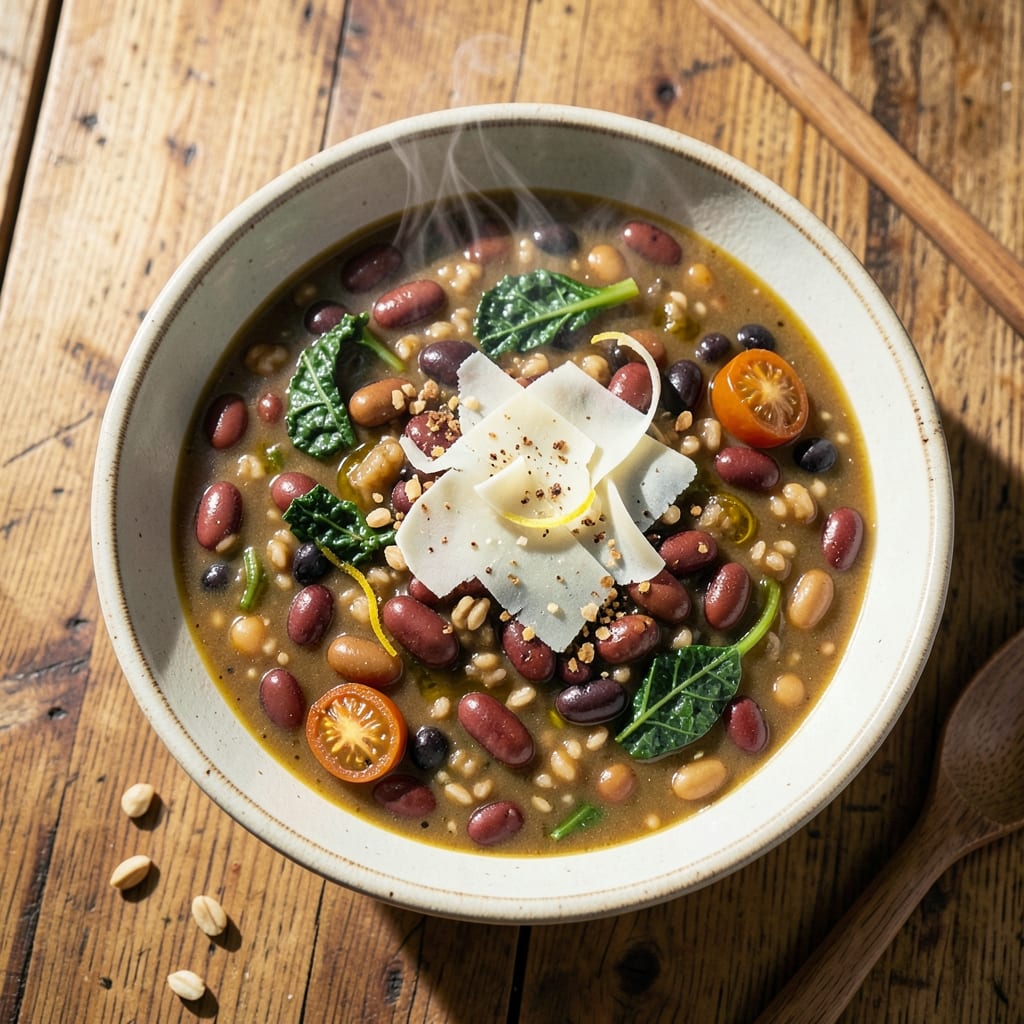
This 3 bean minestrone soup recipe draws inspiration from Blue Zone longevity principles, blending hearty vegetables, three fiber-rich beans, and aromatic herbs into a nutrient-dense bowl that supports long-term health. The slow-simmered approach allows flavors to meld while preserving maximum nutrients—no processed shortcuts here. What makes this recipe stand out is its focus on whole foods: organic beans, seasonal vegetables, and a rich vegetable broth that builds depth without relying on meat.
The beauty of this Blue Zone-inspired minestrone lies in its simplicity and versatility. You'll start with dried beans for maximum fiber and texture, then layer in fresh or frozen vegetables that adapt to whatever's in season. The key technique is a long, gentle simmer—about 45 minutes—which transforms tough vegetables into tender, flavorful bites while keeping the beans creamy and satisfying. This isn't just soup; it's a complete meal packed with plant-based protein, complex carbohydrates, and antioxidants.
By the time you're done, you'll have a steaming bowl of longevity-boosting minestrone that's rich in flavor but light enough for daily eating. The combination of cannellini, kidney, and black beans creates a perfect balance of textures—creamy, hearty, and slightly crunchy—while the vegetable medley adds vibrant colors and nutrients. Topped with fresh herbs and a drizzle of extra-virgin olive oil, this soup becomes a celebration of whole foods that nourishes both body and soul.
Perfect for meal prep or weeknight dinners, this recipe scales easily to feed a crowd or serves as a single serving for a light yet satisfying lunch. The flavors only deepen as it sits, making it ideal for leftovers. Here's how to create this plant-powered bowl that aligns with Blue Zone principles.
Ingredients for 3 bean minestrone soup recipe blue zone
Organic beans, seasonal vegetables, and aromatic herbs—this longevity-focused minestrone delivers plant-powered nutrition in every bowl.
| Ingredient | Amount | Notes |
|---|---|---|
| Organic Cannellini Beans (Dried) 🌱 | 1 cup | Rinsed before soaking overnight |
| Organic Kidney Beans (Dried) 🌱 | ½ cup | Rinsed before soaking overnight |
| Organic Black Beans (Dried) 🌱 | ½ cup | Rinsed before soaking overnight |
| Vegetable Broth 💧 | 6 cups | Homemade or low-sodium store-bought |
| Extra-Virgin Olive Oil 🫒 | ¼ cup | Cold-pressed for maximum nutrients |
| Yellow Onion 🧅 | 1 whole | Diced, yellow or red variety |
| Carrots 🥕 | 2 medium | Peeled, cut into 1/2-inch pieces |
| Celery Stalks 🌿 | 3 whole | Diced, including leaves for flavor |
| Garlic Cloves 🧄 | 4 cloves | Minced, fresh preferred |
| Canned Crushed Tomatoes 🍅 | 15 oz | No salt added, San Marzano preferred |
| Zucchini 🍆 | 1 medium | Diced, skin on for texture |
| Kale Leaves 🥬 | 2 cups | Chopped, stems removed |
| Fresh Thyme Leaves 🌿 | ¼ cup | Chopped, or 1 tsp dried |
| Fresh Rosemary Sprigs 🌿 | 2 whole | Chopped, or 1 tsp dried |
| Sea Salt 🧂 | 1 ½ tsp | Diamond Crystal preferred |
| Black Peppercorns 🌶️ | ½ tsp | Freshly cracked |
The foundation of this Blue Zone-inspired soup begins with organic dried beans—cannellini for creaminess, kidney for earthy depth, and black for rich texture. Sprouted or heirloom varieties from Thrive Market or your local bulk bin elevate the nutrient profile. Soak overnight (8+ hours) to reduce anti-nutrients while preserving fiber. The vegetable broth should be homemade if possible, using vegetable scraps and herbs—Imagine brand low-sodium works in a pinch. For the tomatoes, San Marzano canned delivers superior flavor and lower acidity than standard brands. The kale adds a nutrient punch, but spinach or Swiss chard work equally well when fresh greens are unavailable.
No fresh thyme? Dried at one-third the amount maintains the earthy notes, though fresh releases more aroma during simmering. Short on zucchini? Substitute with yellow squash or mushrooms—both add heartiness without altering texture. The onions and celery form the aromatic base, so don't skip them—this is where the soup develops its depth. For the garlic, roasted cloves (400°F for 10 minutes) add a sweet, caramelized dimension that pairs beautifully with the beans. The olive oil should be extra-virgin and cold-pressed—anything labeled 'light' lacks the phenolic compounds that support heart health, a key Blue Zone principle.
This soup tastes even better the next day as flavors meld—reheat gently with a splash of broth—never microwave directly. Store in glass containers for up to 5 days refrigerated or 3 months frozen**. For meal prep, portion into individual containers with a layer of olive oil on top to preserve freshness. The beans and vegetables can be prepped ahead and stored separately in the fridge for 3 days**—simmer directly from frozen for a quick weeknight meal. Freeze in portions for convenient lunches, though texture may soften slightly after thawing.
Why You'll Love This Recipe
- I’ll be real: soaking those cannellini, kidney, and black beans overnight does the heavy lifting for you. No chopping, no last-minute scrambling—just dump, simmer, and let the broth work its magic while you sip wine and pretend you’re a French chef.
- Dried Beans, Zero Fuss: I’ll be real: soaking those cannellini, kidney, and black beans overnight does the heavy lifting for you. No chopping, no last-minute scrambling—just dump, simmer, and let the broth work its magic while you sip wine and pretend you’re a French chef.
- Umami Bomb: Between us, that trio of beans—creamy cannellini, smoky kidney, and earthy black—builds layers of flavor you won’t find in most minestrone. Toss in a glug of extra-virgin olive oil at the end? Instant richness that makes you want to lick the bowl.
- Lunchbox Hero: This soup begs to be prepped ahead. Pack it in jars for work lunches (it stays fresh for days) or freeze portions for those nights when takeout feels like a chore. Honestly, my college-aged kids now ask for it on Sundays because it’s the only thing that doesn’t involve microwaving mystery meat.
Step-by-step instructions for Blue Zone-inspired minestrone soup
This plant-powered soup delivers the fiber-rich benefits of three bean varieties while maintaining the Mediterranean-inspired simplicity that supports longevity.
Prepare the Beans for Maximum Nutrient Absorption
Begin by rinsing all the dried beans—1 cup organic cannellini, 0.5 cup organic kidney, and 0.5 cup organic black beans—under cold water to remove any surface debris. Transfer them to a large bowl and cover with plenty of water (at least 8 cups total). Let them soak overnight at room temperature, which significantly reduces cooking time and improves digestibility.
The next morning, drain and rinse the soaked beans again. Place them in a large pot and cover with fresh water by about 2 inches. Bring to a gentle boil, then reduce heat to maintain a simmer. Cook for 45-60 minutes until the beans are fork-tender but still hold their shape. I like to keep a small bowl of the cooking liquid handy—this starchy water will help thicken our soup later.
Develop the Flavor Base with Aromatics and Herbs
While the beans cook, heat the 0.25 cup extra-virgin olive oil in a large Dutch oven over medium heat. Add the diced 1 whole yellow onion, 2 medium carrots, and 3 whole celery stalks (including leaves). Cook for 8-10 minutes, stirring occasionally, until the vegetables soften and the onion becomes translucent.
Add the 4 minced garlic cloves, 0.25 cup chopped fresh thyme leaves, and 2 chopped fresh rosemary sprigs. Stir for 1-2 minutes until fragrant—this is where the soup's complex herbal notes develop. The rosemary adds a piney depth while thyme provides earthy warmth. If using dried herbs, reduce to 1 teaspoon each and steep them in the broth later rather than cooking directly.
Build the Soup Foundation with Tomatoes and Broth
Pour in the 15 oz canned crushed tomatoes and stir to combine with the vegetables. Cook for 5 minutes to allow the tomato acids to mellow slightly. Then add the 6 cups vegetable broth and bring everything to a gentle simmer. This is the moment that matters: the broth should just barely bubble at the edges, not roll violently.
Stir in the cooked beans and their reserved cooking liquid (about 1 cup). Add the 1.5 teaspoons sea salt and 0.5 teaspoon freshly cracked black peppercorns. The salt should be distributed evenly—taste as you go, remembering that the beans and broth may contain some residual saltiness. Let the soup simmer uncovered for 15 minutes to allow flavors to meld.
Incorporate the Final Vegetables for Texture and Nutrition
Add the diced 1 medium zucchini and 2 cups chopped kale leaves to the simmering soup. Stir gently to distribute the greens evenly. The zucchini will cook quickly—3-4 minutes—while the kale needs 5-6 minutes to wilt completely. You'll know they're done when the kale leaves become tender and the zucchini loses its slight resistance when pierced with a fork.
Real talk: don't skip the kale. It adds essential nutrients without overpowering the soup's bean base. If you prefer a smoother texture, you can blend about half the soup with an immersion blender for 10-15 seconds after adding the vegetables, then return it to the pot. This creates a luxurious, velvety consistency while maintaining some rustic texture.
Final Adjustments and Serving
Taste the soup and make any final adjustments—perhaps a pinch more salt or a crack of black pepper. The soup should be hearty but not overly thick; if it's too dense, stir in ½ cup hot vegetable broth to reach your desired consistency. I find that letting it rest for 10 minutes off the heat allows all the flavors to truly develop.
Serve immediately with a drizzle of extra-virgin olive oil and additional fresh herbs if desired. This soup keeps well in the refrigerator for 4-5 days, making it perfect for meal prep. The flavors actually improve overnight as the beans continue to absorb the aromatic broth. For a Blue Zone-inspired touch, serve with a side of whole-grain bread or a simple green salad to complete the plant-forward meal.
Pro Tips For Making 3 Bean Minestrone Soup Recipe Blue Zone
- SOAK BEANS OVERNIGHT: I learned this the hard way—rushing the soak with dried beans leaves them tough and gummy. Toss all three beans (cannellini, kidney, black) in a big bowl with cold water, cover, and let them sit 12+ hours. No need to peel or pick through them afterward; they’ll soften evenly and save you 2 hours of simmering.
- SAUTÉ BEANS FIRST: Skip the broth jumpstart—this is where flavor hides. Drain soaked beans, pat them dry (yes, even kidney beans), then hit a hot pan with olive oil. Let them brown 5 minutes before adding broth; the Maillard reaction deepens their taste. (Your future self will notice the difference.)
- SKIP THE BOIL: After adding broth, bring to a gentle simmer—not a rolling boil. Cannellini beans break down fast, and kidney beans turn mushy if you’re aggressive. A low simmer (tiny bubbles, occasional swirls) keeps texture perfect in 45–60 minutes. Trust me, it’s worth the patience.
- UPGRADE WITH ACID: This isn’t the prettiest method, but it works: Stir in 1 tablespoon of red wine vinegar or lemon juice at the end. It brightens the beans’ earthiness and cuts through the broth’s heaviness—like a palate reset. (I was skeptical until I tried it.)
Flavor customization for this 3 bean minestrone soup recipe blue zone
Spicy Heat Boost
For a kick of heat, stir in 1 teaspoon red pepper flakes or ½ teaspoon cayenne pepper when adding the tomatoes. For a smoky depth, add ½ teaspoon smoked paprika to the aromatic base. I love a dash of hot honey (about 1 tablespoon) drizzled on top just before serving—it balances the heat with natural sweetness. 🌶️
Creamy Texture Upgrade
Transform this soup into a velvety version by blending 1 cup of the soup with ½ cup unsweetened almond milk or Greek yogurt until smooth, then stir back into the pot. For extra richness, add ¼ cup coconut milk to the broth before simmering. This works especially well if you prefer a smoother consistency while keeping the Blue Zone focus on whole foods. 🥄
Herb Variations
Swap out the thyme and rosemary for 1 tablespoon fresh oregano and 1 bay leaf for a Mediterranean twist. For a more rustic flavor, add 1 sprig fresh sage when cooking the aromatics. If you love basil, stir in ¼ cup fresh basil leaves in the final 5 minutes of simmering. Each herb brings a unique aromatic profile that complements the beans beautifully. 🌿
Protein-Packed Additions
Boost the plant-based protein by adding ½ cup cooked quinoa or ½ cup lentils when incorporating the final vegetables. For a heartier bowl, stir in ½ cup crumbled tempeh or ½ cup chickpeas after simmering. These additions keep the dish aligned with Blue Zone principles while adding satisfying texture and extra nutrients. 💪
Seasonal Vegetable Swaps
Adjust the vegetables based on what's in season: swap zucchini for butternut squash (cubed and roasted first) in fall or asparagus (trimmed and cut into 1-inch pieces) in spring. In winter, add fennel (thinly sliced) or rutabaga (diced and parboiled) for a heartier texture. Each seasonal swap keeps the soup vibrant and nutrient-dense. 🍂
Umami Depth Enhancers
Add depth with 1 tablespoon soy sauce (or tamari for gluten-free) or 1 teaspoon miso paste when simmering the tomatoes and broth. For a more complex flavor, stir in 1 teaspoon nutritional yeast** at the end—it adds a cheesy, savory note without dairy. These umami boosters elevate the soup's flavor profile while keeping it plant-based. 🍜
Nutrition facts
Frequently asked questions
Can I use canned beans instead of dried for this Blue Zone minestrone?
Yes, but with adjustments! Use 2 (15 oz) cans each of cannellini, kidney, and black beans (total 3 cans) instead of dried. Drain and rinse them thoroughly, then add them directly to the pot after simmering the broth and aromatics for 10 minutes. Canned beans cook faster, so reduce the final simmer time to 15-20 minutes to avoid mushiness. The fiber content will be slightly lower, but you'll still get excellent plant-based protein and texture.
How do I make this soup even more Blue Zone-friendly?
Focus on these three upgrades: 1) Use 100% homemade vegetable broth (simmer veggie scraps with garlic, herbs, and a bay leaf for 2 hours), 2) Add 1 cup chopped mushrooms (shiitake or cremini) for umami and immune-boosting compounds, and 3) Garnish with fresh herbs (parsley or cilantro) and a drizzle of extra-virgin olive oil (the healthiest fat). These tweaks maximize nutrient density while keeping the dish simple and satisfying.
What's the best way to reheat leftovers without losing texture?
Reheat gently on the stove over low heat with 2-3 tablespoons of water or broth per serving. Never microwave directly, as it can make the beans rubbery. For extra flavor, add a splash of lemon juice or apple cider vinegar (1 teaspoon per bowl) when reheating. The soup actually tastes better the next day as flavors meld—just adjust seasoning if needed. Store in glass containers for up to 5 days refrigerated.
Can I make this soup in an Instant Pot or pressure cooker?
First, sauté the onions, carrots, celery, and garlic in 1 tablespoon olive oil for 3 minutes on "Sauté" mode. Add the tomatoes, broth, beans (with 1 cup water), and herbs, then pressure cook for 10 minutes on high. Quick-release the pressure, then add the zucchini and kale. Cook on "Sauté" for 2-3 minutes until greens are tender. The pressure method cuts cooking time to 30 minutes total while preserving nutrients.
Why does my minestrone turn out too thick or too thin?
Thickness depends on two factors: bean cooking liquid and simmering time. For a thicker soup, use less broth (start with 5 cups) and reserve more bean cooking water. For thinner soup, add ½ cup hot broth or water at the end. The beans release starch as they cook—if they're overcooked, they'll break down and thicken the soup. Always taste and adjust gradually, remembering that the soup will thicken slightly as it cools.