
Soups & Stews
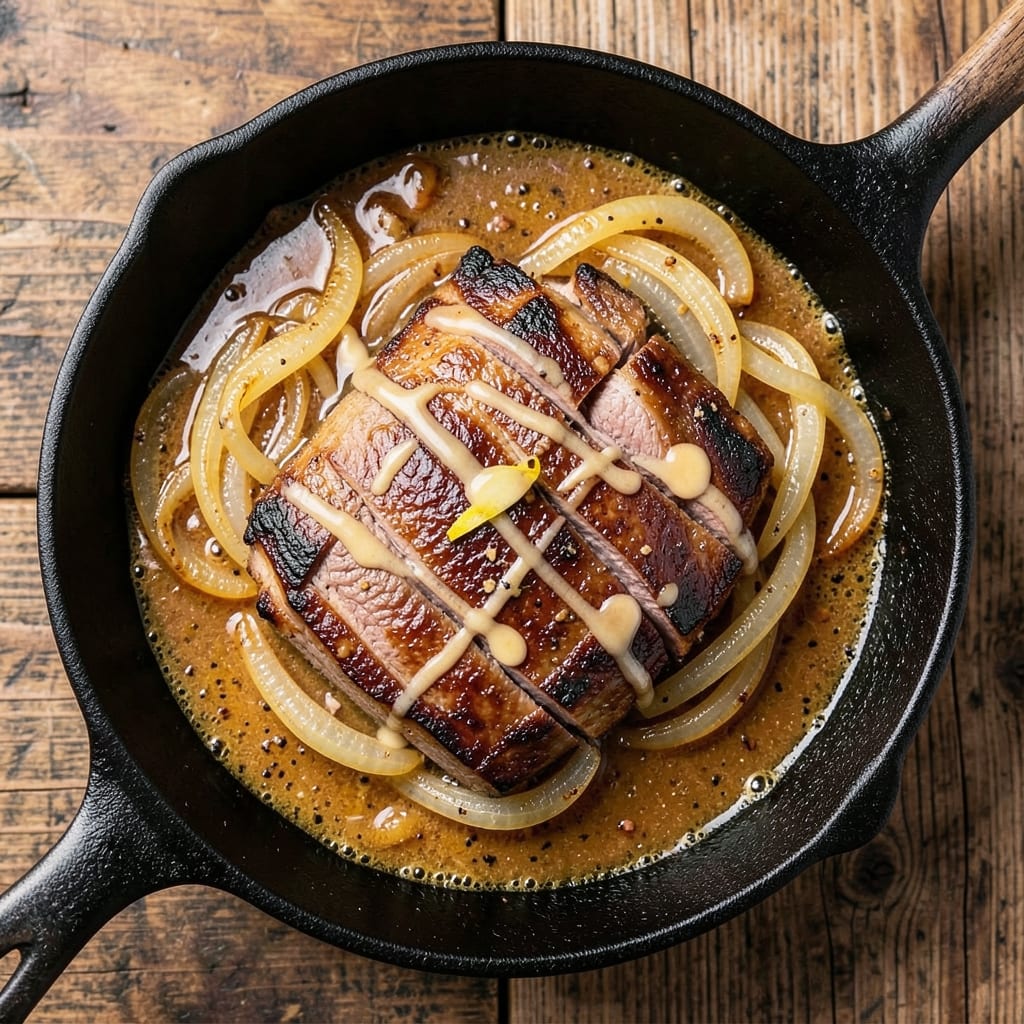
This 4-ingredient onion soup pot roast brings the cozy essence of French bistros to your kitchen with minimal effort but maximum flavor. 💛 The secret lies in transforming tough beef chuck into tender, melt-in-your-mouth perfection while developing a rich, caramelized onion base that forms the heart of this classic dish. No fancy techniques—just a slow simmer and a few pantry staples to create a meal that feels like a restaurant experience at home.
The beauty of this recipe is its simplicity: just beef, onions, broth, and wine working together in one pot. The onions caramelize beautifully as they cook, infusing the broth with deep, sweet notes that tenderize the beef while creating a velvety sauce. This method ensures every bite is packed with flavor without requiring hours of active prep or complicated steps.
By the time you're done, you'll have perfectly tender beef that practically falls apart at the touch of a fork, all swimming in a golden, aromatic onion broth that's rich enough to stand alone or pair beautifully with crusty bread. The dish delivers restaurant-quality results with just a few ingredients and one pot to clean—making it ideal for busy weeknights or special occasions.
This classic French dish proves that sometimes, the simplest recipes create the most memorable meals. The combination of tender beef and deeply flavorful onion broth transforms an ordinary dinner into something truly special. Let's get started on this comforting, one-pot masterpiece.
Ingredients for 4-ingredient onion soup pot roast
Four ingredients, one pot, French bistro magic in your kitchen.
| Ingredient | Amount | Notes |
|---|---|---|
| Beef Chuck Roast 🥩 | 3 lb | With fat cap for moisture |
| Yellow Onions 🧅 | 4 whole | Medium size, peeled |
| Beef Broth 💧 | 4 cups | Low-sodium preferred |
| Dry White Wine 🍷 | 1 cup | Sauvignon Blanc or Chardonnay |
The beef is everything here—chuck roast with that fat cap is non-negotiable. Look for marbled cuts at the butcher counter or meat section, not the leaner sirloin. I grab mine from Costco when I'm feeding a crowd, but any grocery store's chuck roast works for this. The onions? Yellow onions are classic, but red onions add a subtle sweetness. If you're using the soup-onion variety (the big ones), you'll need about 3. For the broth, low-sodium is key—you don't want to over-salt your dish.
No white wine? Dry chicken broth plus a splash of apple cider vinegar works in a pinch. Fresh thyme or bay leaves aren't in the original recipe, but I always add 2 sprigs of fresh thyme if I've got it—just remove them before serving. The onions can be caramelized separately if you're worried about burning them, but the slow cooker handles it beautifully. For extra richness, add 1 tbsp tomato paste to the pot with the wine. The beef broth? Homemade is ideal, but Swanson or Pacific Foods brands are solid store-bought options.
This reheats like a dream—better the second day, honestly. Store in the fridge for 4-5 days or freeze portions for up to 3 months. I like to double the recipe and freeze half for lazy days. The onions keep in the fridge for 2 weeks if you're prepping ahead, and the wine can sit out for a few hours before use. For serving, crusty bread is mandatory—it soaks up all that onion soup goodness.
Why You'll Love This Recipe
- Four-Ingredient Magic: I swear, the name alone makes me smile—because it’s actually just those four things. No hidden spices, no last-minute grocery runs. Just chuck roast, onions, broth, and a splash of wine. That’s it. The onions caramelize into sweet, jammy layers while the beef turns fork-tender, all without me standing at the stove for hours.
- Weeknight Flexibility: Between us, this is the dish I pull out when I’ve got a houseful but zero energy. Toss it in a Dutch oven, let the slow cooker do the work, or even make it in a skillet if I’m in a rush. The wine cuts through the richness, and the broth keeps everything luscious—no one ever asks what’s missing.
- Leftovers That Shine: Honestly, I make this just so I can have leftovers. The flavors only get better the next day, especially when I reheat slices in a pan with a little extra broth until they’re crispy again. My kids pretend to hate it, but they’re the first to grab seconds. (Yes, even on a Tuesday night.)
- Budget-Friendly Feast: A chuck roast is my wallet’s best friend—cheap, hearty, and packed with flavor. The onions add depth without costing much, and a bottle of wine stretches to make this taste like a fancy dinner. I’ll be real: this feeds four for under $20, and it’s the kind of meal that makes grocery night feel like a win.
Step-by-step instructions for one-pot French country pot roast
This simple method transforms humble ingredients into a rich, comforting classic.
Sear the Beef Chuck Roast for Deep Flavor
Heat a Dutch oven over medium-high heat until hot. Pat the 3 lb Beef Chuck Roast dry with paper towels—this ensures a proper sear. Place the roast in the pot fat-side down and sear for 4-5 minutes until deeply browned on one side. Flip carefully and sear the other side for another 4-5 minutes. The fat should render and sizzle loudly—this builds the flavor foundation.
Remove the roast and set it aside. Don't wipe out the browned bits—they're packed with flavor that will dissolve into the onions and wine. Here's the thing—if your pan isn't screaming hot, the meat won't develop that rich crust. Patience at this stage makes all the difference for the final result.
Caramelize the Onions Slowly
Add the 4 whole Yellow Onions, cut in half lengthwise, to the Dutch oven. Place them cut-side down in a single layer. Cook over medium-low heat for 20-25 minutes, stirring occasionally, until they turn deep golden brown and caramelized. You'll see the onions release their moisture and then slowly evaporate, leaving behind sweet, concentrated flavor.
Don't rush this step. The onions should be soft enough to pierce with a fork but still hold their shape. If they start to burn, reduce the heat slightly. This slow caramelization creates the signature sweetness that makes this dish special. Real talk: skipping this step means missing out on the dish's soul.
Deglaze and Simmer the Pot Roast
Pour in the 1 cup Dry White Wine and scrape up all the browned bits from the bottom of the pot using a wooden spoon. This deglazing step captures all the meaty flavors that stuck to the pot. Let the wine simmer for 3-4 minutes until reduced by half, then add the 4 cups Beef Broth. Return the roast to the pot, fat-side up, and bring everything to a gentle simmer.
Cover the pot and transfer it to a preheated 300°F oven. Here's where the magic happens: the low temperature allows the meat to cook slowly and evenly. This method ensures tender, fork-tender beef without drying it out. The liquid should mostly cover the roast—if not, add a splash of water or broth to maintain moisture.
Braise Until Fork-Tender
Braise the pot roast for 3-3.5 hours, or until the beef is fork-tender and easily pulls apart. The internal temperature should reach 200-205°F at its thickest part. Every 45 minutes, spoon some of the cooking liquid over the roast to keep it moist. The onions will continue to soften and infuse the broth with their sweet caramelized flavor.
Your oven might run hot, so start checking at the 2.5-hour mark. The roast is done when it falls apart easily with a fork and the meat releases from the bone. If it's not quite there, return it to the oven for another 30-minute stretch. The longer it cooks, the more tender and flavorful it becomes.
Rest and Serve
Remove the pot roast from the oven and let it rest for 15-20 minutes before serving. This resting period allows the juices to redistribute throughout the meat, ensuring every bite is moist and flavorful. Skim off any excess fat from the surface of the broth if desired, then ladle the onion-infused liquid over the sliced roast.
Slice the roast against the grain into ¼-inch thick pieces and serve directly from the Dutch oven. The rich, caramelized onions and tender beef create a comforting, restaurant-quality meal with minimal effort. The broth can be served as-is for a complete one-pot meal, or use it to make a simple gravy if you prefer a thicker sauce.
Pro Tips For Making 4-Ingredient Onion Soup Pot Roast
- SEAR THE ROAST FIRST: That crust isn’t just for looks—it’s what locks in flavor. After patting the chuck dry, hit it with high heat in your Dutch oven for 4-5 minutes per side until deep brown. I used to skip this, and the soup always tasted like it needed more seasoning.
- SLICE ONIONS THICK: Thin slices turn to mush in broth. Cut yellow onions into ½-inch thick rounds so they hold shape and caramelize properly. My first batch looked pretty, but by the end, they’d dissolved into the broth—wasted potential.
- DEGLAZE WITH WINE IMMEDIATELY: Don’t let those browned bits sit. As soon as you remove the roast, pour in the white wine and scrape every inch of the pot—those bits are pure flavor. I learned this the hard way when I rushed to add broth first and lost half the taste.
- LOW AND SLOW IS NON-NEGOTIABLE: Crank the oven to 300°F (150°C) and let it cook for 3-4 hours, covered. Rushing to 350°F will make the meat tough. I tried speeding it up once—big mistake. The meat was dry, and the onions were still raw in the center.
Troubleshooting this recipe
Meat Too Tough?
If your pot roast turns out chewy instead of tender, it likely didn't braise long enough. The magic happens at 200-205°F internal temperature—use a meat thermometer to check the thickest part. If it's below 200°F, return it to the oven for another 30-45 minutes. I've seen this happen when ovens run hot—always use an oven thermometer to verify your oven's actual temperature. 🔥
Onions Burned or Bitter?
Overcooking onions turns them bitter and ruins the dish. Keep the heat at medium-low and stir occasionally to prevent burning. If they start to darken too quickly, reduce heat further. For extra insurance, caramelize them separately in a skillet before adding to the pot. The goal is golden brown, not blackened. Trust me, this step makes or breaks the flavor.
Broth Too Thin?
A watery pot roast usually means too much liquid. If your broth seems too thin, remove the roast and reduce the liquid uncovered over medium-high heat for 5-10 minutes until slightly thickened. For future attempts, reduce the broth to 3 cups instead of 4. The onions should release enough moisture to create a rich, velvety sauce without needing extra liquid. 💧
Wine Flavor Missing?
If your dish lacks wine depth, you might have skipped the deglazing step. Always scrape up those browned bits with a wooden spoon after adding wine—they're packed with flavor. For extra richness, add 1 tbsp tomato paste with the wine. If you're avoiding alcohol, substitute with 1 cup chicken broth + 1 tbsp apple cider vinegar for tangy brightness.
Fat Floating on Top?
Excess fat can make the broth greasy. After braising, chill the pot uncovered in the fridge overnight. The fat will solidify on top—simply spoon it off before reheating. For a quicker fix, skim fat while the pot is still warm using a fat separator spoon. This keeps the broth clean while maintaining flavor. A little fat is fine, but too much can overwhelm the dish.
Dry Meat After Resting?
If your roast dries out during resting, it likely didn't have enough liquid during braising. Always ensure the roast is mostly submerged in liquid. For extra moisture, add ½ cup beef broth during the final 30 minutes of cooking. The resting period is crucial—never skip it! Cover the pot loosely with foil to prevent evaporation while resting. 💡
Nutrition facts
Frequently asked questions
Can I use a different cut of beef instead of chuck roast?
While chuck roast is ideal for its marbling and tenderness, you can substitute with brisket or short ribs for similar results. Avoid lean cuts like sirloin or tenderloin—they'll dry out during the long braising time. If using brisket, trim excess fat to ¼-inch thickness for even cooking.
How do I make this recipe without white wine?
No problem! Replace the 1 cup white wine with 1 cup chicken broth + 1 tablespoon apple cider vinegar for tangy brightness. For richness, add ½ teaspoon Worcestershire sauce or a pinch of dried thyme. The dish will still be flavorful—just slightly less complex than the wine version.
Can I make this in a slow cooker instead of the oven?
Sear the beef first, then transfer everything to a 6-quart slow cooker on Low for 8 hours or High for 5-6 hours. The onions will caramelize naturally from the slow cooking. For extra depth, add 1 teaspoon tomato paste with the broth. The texture will be slightly different but still tender and delicious.
What sides pair best with this pot roast?
Classic choices include crusty French bread for dipping in the onion broth, mashed potatoes to soak up flavors, or roasted root vegetables like carrots and parsnips. For a lighter option, serve with a simple green salad dressed with Dijon vinaigrette. The rich beef and caramelized onions balance perfectly with these sides.
How far ahead can I prepare this for meal prep?
This dish actually tastes better the next day! Store leftovers in an airtight container in the fridge for 4-5 days or freeze for 3 months. Reheat gently in the oven at 325°F for 20-30 minutes to restore juices. The flavors meld beautifully over time, making it perfect for batch cooking.