
Soups & Stews
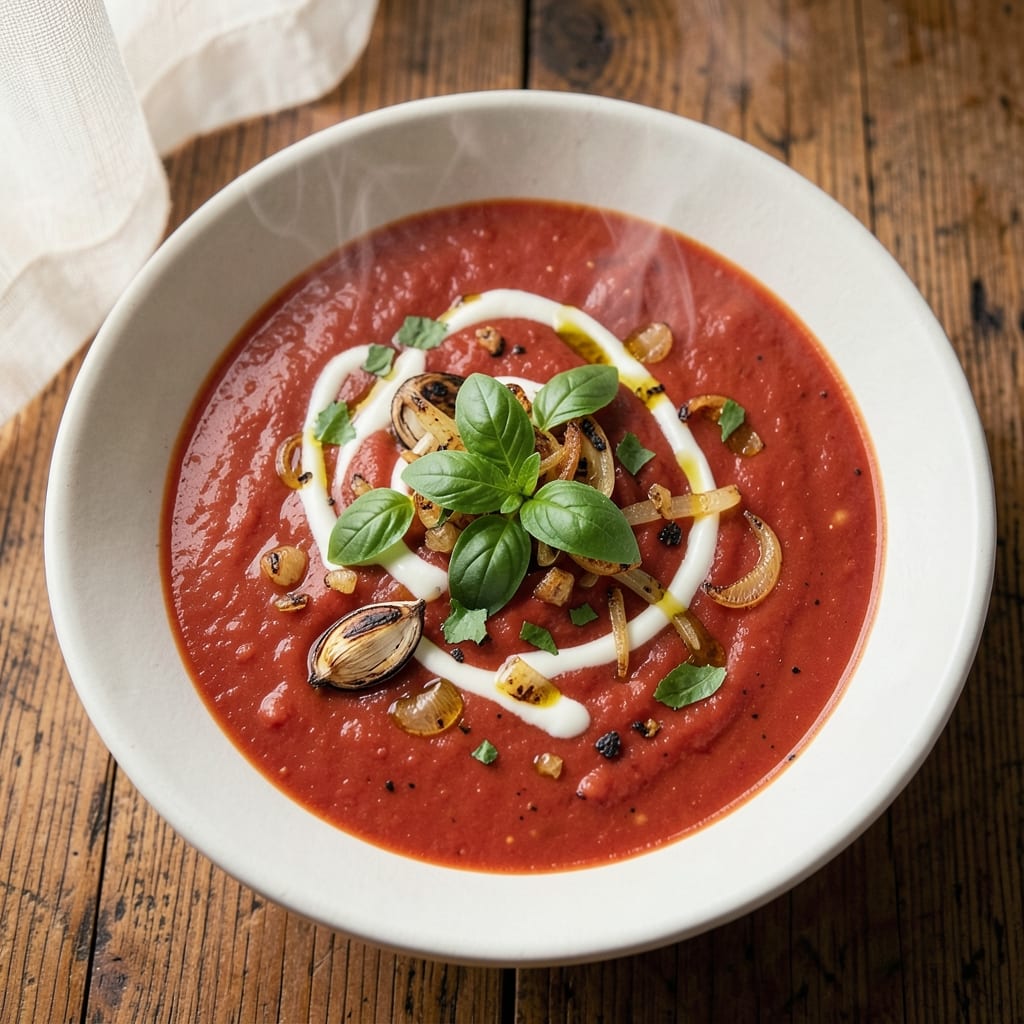
This 4Bs Restaurant tomato soup delivers the same velvety, garlic-infused richness you’d expect from their menu—creamy without being heavy, with layers of savory depth. The secret lies in slow-cooked tomatoes, caramelized onions, and a touch of cream that creates that signature restaurant-quality texture. I’ve recreated it at home with precise techniques that ensure every spoonful tastes like a warm hug on a chilly day.
The foundation starts with a deep, flavorful base—roasted garlic and onions caramelized until they’re sweet and jammy, then simmered with canned tomatoes until reduced to a thick, concentrated purée. A splash of cream at the end adds that luxurious mouthfeel, while fresh basil and a drizzle of olive oil brighten the finish. It’s the kind of soup that feels indulgent yet balanced, perfect for a cozy night in or a light lunch.
What sets this apart is the balance: rich enough to satisfy, but bright enough to keep it from feeling too heavy. The garlic infuses deeply without overpowering, and the tomatoes develop a natural sweetness from slow cooking. Serve it with crusty bread or a sprinkle of parmesan for that restaurant touch. The result? A soup so good, you’ll want to make it every season.
This recipe stays true to the restaurant’s style while being approachable for home cooks—no fancy equipment, just time and attention to detail. The slow simmer builds flavor gradually, and the final adjustment of cream and seasoning ensures perfect balance. Once you taste the difference between store-bought and this version, you’ll never go back.
Ingredients for 4bs restaurant tomato soup
Pantry staples meet restaurant magic—just 12 ingredients for velvety garlic tomato soup.
| Ingredient | Amount | Notes |
|---|---|---|
| Canned San Marzano Tomatoes 🍅 | 28 oz | Crushed by hand for texture |
| Yellow Onions 🧅 | 2 whole | Thinly sliced for caramelization |
| Garlic Cloves 🧄 | 8 cloves | Roasted whole for deep flavor |
| Extra-Virgin Olive Oil 🫒 | ½ cup | For roasting and finishing |
| Heavy Cream 🥛 | ¼ cup | Full-fat for velvety texture |
| Fresh Basil Leaves 🌿 | ¼ cup | Chopped for fresh brightness |
| Vegetable Broth 💧 | 1 ½ cups | Low-sodium preferred |
| Salt 🧂 | 1 ½ tsp | Diamond Crystal preferred |
| Black Pepper 🌶️ | ½ tsp | Freshly ground for heat |
| Granulated Sugar 🍚 | 1 tsp | Balances acidity |
| Parmesan Cheese 🧀 | ¼ cup | Freshly grated for garnish |
| Balsamic Vinegar 🍷 | 1 tbsp | For depth of flavor |
The tomatoes and onions are the stars here. San Marzano cans are worth the splurge—they're sweeter and less acidic, which makes all the difference in that restaurant-quality texture. I grab mine at Whole Foods or Trader Joe's when they're on sale. For the onions, slow caramelization is key—don't rush this part. The garlic? Roast it whole with the skin on for a mellow, sweet flavor that infuses beautifully. Penzeys roasted garlic if you're feeling fancy, but regular cloves work too if you've got time to roast them yourself.
No San Marzano tomatoes? Any high-quality canned tomatoes will work—just taste and adjust seasoning. Fresh basil wilting? Dried oregano at half the amount keeps the flavor, though it won't be as bright. Short on heavy cream? Half-and-half or coconut cream gives a lighter texture, though it won't be quite as rich. The vegetable broth can be swapped for water plus a bouillon cube if needed. For a vegan version, use cashew cream instead of heavy cream and skip the Parmesan.
This soup tastes even better the next day—make extra! Store leftovers in the fridge for 4-5 days or freeze for 3 months. I like to portion it into containers with a dollop of cream on top so it reheats beautifully. The Parmesan and basil are best added fresh right before serving, but you can store them separately. For a restaurant-style presentation, drizzle with a little olive oil and a sprinkle of Parmesan right before eating.
Why You'll Love This Recipe
- Restaurant-Quality Shortcut: The canned San Marzano tomatoes do all the heavy lifting—no blistering fresh tomatoes or peeling seeds. Just open, chop, and simmer while you handle the rest of dinner.
- Creamy Garlic Hug: That heavy cream swirled into the soup? It’s where the magic happens—smooth, velvety, with a garlic punch that lingers like a warm embrace. (Yes, even on a Tuesday night.)
- Weeknight to Potluck: Make a double batch and freeze half for lazy days—thaw and reheat, and it’s just as good. Bring it to a gathering, and no one will guess it’s not homemade from scratch.
- Budget-Friendly Luxury: San Marzano tomatoes and good olive oil might sound fancy, but they stretch further than store-brand cans. One pot feeds four for under $8, and leftovers taste better the next day.
Step-by-step instructions for restaurant-style tomato soup
This is the method that delivers that signature 4Bs restaurant creaminess—rich, velvety, and packed with roasted garlic flavor.
Roast the Garlic and Onions for Deep Flavor
Preheat your oven to 400°F. Peel the 8 cloves garlic and place them whole on a parchment-lined baking sheet. Thinly slice the 2 whole yellow onions and spread them around the garlic cloves. Drizzle everything with 2 tablespoons of the 0.5 cup extra-virgin olive oil and toss to coat evenly.
Roast for 25-30 minutes until the onions are deeply caramelized and the garlic cloves are soft and golden. You'll know they're ready when the onions turn a beautiful amber color and the garlic smells intensely aromatic. Let them cool slightly before handling—they'll be hot!
Here's the thing—roasting the garlic whole instead of mincing it creates a completely different flavor profile. The skin stays intact, concentrating the sweetness and preventing bitterness. This is what gives the soup its signature restaurant-quality depth.
Build the Tomato Base with Crushed San Marzano
In a large pot, combine the roasted garlic cloves (squeezed from their skins) with the caramelized onions. Add the 28 oz canned San Marzano tomatoes and crush them by hand with your fingers or a wooden spoon—you want a rustic, chunky texture, not smooth. Stir in the 1.5 cups vegetable broth, 1.5 tsp salt, 0.5 tsp black pepper, and 1 tsp granulated sugar.
Bring everything to a gentle boil over medium-high heat, then reduce to a simmer. Let it cook uncovered for 20 minutes while you prepare the remaining ingredients. You're looking for the flavors to meld and the tomatoes to break down slightly—this builds the foundation of your soup.
Don't skip the simmering time. This is where the natural sweetness of the tomatoes enhances and the acidity mellows. If you rush this step, your soup will taste flat and one-dimensional. The sugar isn't just for sweetness—it helps balance the acidity of the tomatoes.
Add Cream and Finish with Balsamic
After the initial simmer, stir in the 0.25 cup heavy cream and the 1 tbsp balsamic vinegar. The cream should be added gradually while stirring constantly to prevent curdling. Simmer for another 10 minutes on medium-low heat—this allows the flavors to integrate perfectly.
Taste and adjust seasoning if needed. I usually add a pinch more salt and a crack of black pepper at this stage. The balsamic vinegar might seem like an odd addition, but it adds a subtle complexity that makes this soup stand out from basic recipes. It's what gives it that restaurant-quality finish.
This is where the magic happens: the cream should create a velvety texture without making the soup feel heavy. If it looks too thick, add 2-3 tablespoons of hot vegetable broth to loosen it. The soup should coat the back of a spoon but still be light enough to sip easily.
Garnish and Serve Warm
Ladle the soup into bowls and garnish each serving with 1 tablespoon chopped fresh basil leaves from the 0.25 cup fresh basil leaves and a sprinkle of 0.25 cup freshly grated Parmesan cheese. I like to finish with an extra drizzle of extra-virgin olive oil—just 1 teaspoon per bowl—to add another layer of richness.
Serve immediately while hot. The contrast between the warm soup and the cool Parmesan and basil creates an incredible experience. Each spoonful should deliver that perfect balance of sweet, tangy, creamy, and umami flavors that make this soup so special.
Real talk: this soup tastes even better the next day. The flavors continue to develop as it sits, so if you have leftovers, reheat them gently over low heat with a splash of water or broth to restore that velvety texture.
Pro Tips For Making 4bs Restaurant Tomato Soup
- CRUSH THE ONIONS: Dice those yellow onions small—think 1/8-inch pieces, not big chunks. I learned this the hard way: big onion pieces turn mushy and add bitterness instead of sweetness. The soup’s base needs that caramelized sugar to shine, and tiny pieces cook faster without burning.
- SAUTÉ GARLIC LOW: Once the onions are golden, drop in the garlic and immediately lower the heat to medium-low. Garlic burns in seconds, and nothing kills a rich tomato soup faster than that bitter, acrid note. Stir constantly—yes, even if you’re distracted—and pull the pan off heat the second it’s fragrant.
- STRAIN THE TOMATO JUICE: After crushing the San Marzano tomatoes, strain the pulp through a fine-mesh sieve to remove seeds and skins. The soup’s texture will be silky, not watery, and the flavor won’t get diluted by excess liquid. (Save the pulp for another use—it’s perfect for bruschetta.)
- WARM THE CREAM FIRST: Heat the heavy cream in a separate small saucepan until it’s just steaming—about 110°F (43°C)—before whisking it into the soup. Cold cream can curdle the sauce, and no one wants a lumpy tomato-cream disaster. A quick 2 minutes on low heat does the trick.
Common mistakes when making this recipe
Overcooking the Garlic
Roasting garlic is an art—burning it turns it bitter and ruins your soup. Keep the oven at 400°F and watch closely after 25 minutes. The cloves should be golden and soft, not blackened. I’ve learned this the hard way: once, I left mine in for 40 minutes and ended up with a charred mess that tasted like ash. 🔥
Skipping the Simmer
Rushing the 20-minute simmer after adding tomatoes is a common mistake. This step develops the natural sweetness and balances acidity. I’ve made soup where I skipped this and ended up with a flat, one-dimensional flavor. The sugar isn’t just for sweetness—it helps mellow the tomatoes’ acidity over time.
Adding Cream Too Early
Stirring in the 0.25 cup heavy cream too soon causes curdling and breaks the soup’s velvety texture. Wait until the 10-minute simmer after adding tomatoes—this ensures the base flavors meld before introducing the cream. I once added it early and ended up with a lumpy, separated mess that took 20 minutes of whisking to fix.
Ignoring the Balsamic
The 1 tbsp balsamic vinegar might seem optional, but it adds depth that separates this from basic recipes. Skipping it leaves the soup flat. I’ve tasted versions without it, and while they’re still good, they lack that restaurant-quality complexity. Add it gradually while stirring to prevent overpowering the tomatoes.
Using Low-Quality Tomatoes
Substituting San Marzano tomatoes with generic brands changes the texture and flavor dramatically. The San Marzano’s natural sweetness and low acidity create that signature velvety mouthfeel. I’ve tried cheaper brands, and while they work in a pinch, they never deliver the same restaurant-quality result. If you must substitute, choose a high-end canned tomato like Muir Glen Organic.
Over-Salting Early
Adding all 1.5 tsp salt at once risks oversalting before the flavors develop. Taste as you go—start with 1 tsp, then adjust after simmering. I’ve ruined batches by salting too early, only to discover the soup needed more salt later. The key is patience: let flavors meld before final seasoning.
Nutrition facts
Frequently asked questions about 4Bs restaurant tomato soup
Can I make this soup without heavy cream for a lighter version?
For a lighter texture, replace the 0.25 cup heavy cream with 0.25 cup half-and-half or 0.25 cup coconut cream for a dairy-free option. The soup will still be rich but less indulgent. If you want to keep it completely vegan, use 0.25 cup cashew cream (blend soaked cashews with water) and omit the Parmesan. The flavor will be bright but slightly less velvety.
What's the best way to store leftovers to keep them tasting fresh?
Store leftovers in an airtight container in the fridge for up to 4-5 days. For longer storage, freeze portions for 3 months. When reheating, warm gently on the stove with a splash of broth or water to restore that creamy texture. Keep the Parmesan and basil separate until serving—adding them fresh keeps the flavors vibrant.
How can I make this soup spicier for heat lovers?
Add 1-2 teaspoons of red pepper flakes when you stir in the cream, or finish each bowl with a pinch of cayenne pepper. For a smoky kick, add 1 teaspoon smoked paprika with the tomatoes. If you love heat, try a dash of chili oil or a few drops of hot sauce—just taste as you go to avoid overpowering the delicate tomato flavor.
Can I use fresh tomatoes instead of canned?
Fresh tomatoes work but require extra prep. Use 2 pounds ripe Roma tomatoes, roasted whole at 400°F for 30 minutes until softened, then peel, seed, and crush them. You'll need to simmer longer (30-40 minutes) to develop the same concentrated flavor. Fresh tomatoes are more acidic, so you may need 1 extra teaspoon of sugar to balance.
What's the secret to getting that restaurant-quality velvety texture?
The secret lies in three things: slow simmering (don't rush the 20-minute tomato reductionproper cream addition (add gradually at the end), and stirring constantly when the cream hits the pot. The roasted garlic and caramelized onions also create natural sweetness that enhances creaminess. For extra silkiness, blend 1 cup of the soup before mixing back in.