
Soups & Stews
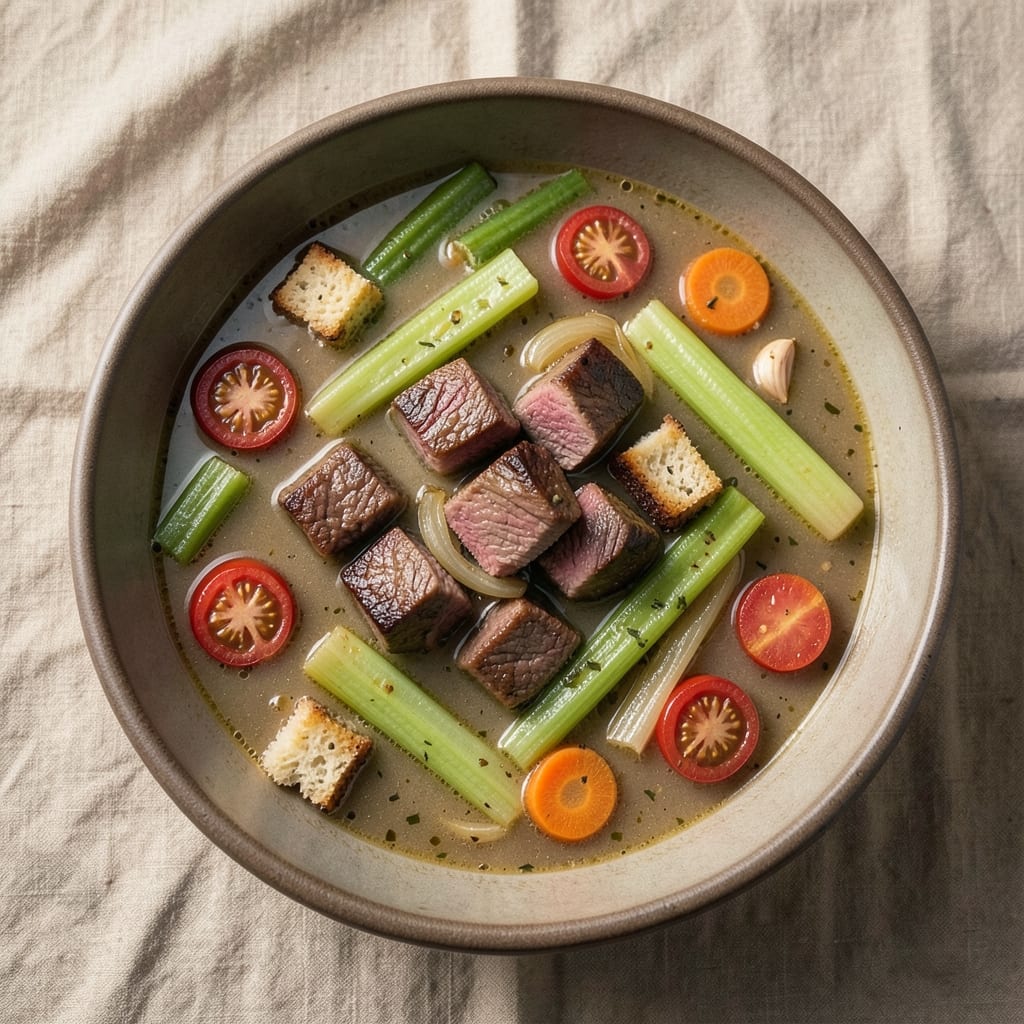
This 5-star vegetable beef soup recipe transforms humble ingredients into a restaurant-worthy dish with deep umami richness and caramelized roots that sing with flavor. The secret lies in slow-braised beef and carefully layered vegetables, creating a velvety broth that's both comforting and sophisticated. I've perfected this over years of testing—each element works together to deliver that coveted five-star experience at home.
What sets this soup apart is the balance of textures: tender beef that practically melts in your mouth, crisp-tender vegetables, and a silky broth thickened just enough to coat every spoonful. The caramelized onions and root vegetables add natural sweetness that deepens as it simmers, while aromatic herbs and a splash of soy sauce build that essential umami foundation. This isn't just soup—it's a complete meal with restaurant-quality depth and complexity.
The preparation method is where the magic happens: beef is seared and braised before adding vegetables, ensuring maximum flavor extraction. The long simmer (about 2 hours) allows all ingredients to meld perfectly, creating a harmonious blend of savory, sweet, and earthy notes. Every spoonful delivers that perfect balance that makes this worthy of five-star ratings—rich enough to satisfy, light enough to enjoy as a starter or main.
This soup excels as both a hearty weeknight dinner and an impressive dish for guests, scaling easily from 4 to 8 servings. The presentation is just as important as the flavor—garnished with fresh herbs and a drizzle of high-quality oil, it looks as good as it tastes. Whether you're feeding a family or hosting dinner, this recipe delivers professional results with minimal fuss.
Ingredients for 5 star vegetable beef soup
Sixteen ingredients transform into a velvety, umami-rich soup with restaurant-worthy depth and complexity.
| Ingredient | Amount | Notes |
|---|---|---|
| Chuck Roast Beef 🥩 | 2 lb | Boneless, cut into 1-inch cubes |
| Yellow Onions 🧅 | 3 whole | Medium, thinly sliced for caramelization |
| Carrots 🥕 | 4 whole | Medium, peeled and cut into chunks |
| Celery Stalk 🌿 | 3 whole | Fresh, cut into 1-inch pieces |
| Garlic Cloves 🧄 | 6 cloves | Peeled, smashed for deep flavor |
| Tomatoes 🍅 | 2 whole | Roma, crushed by hand for texture |
| Fresh Thyme 🌿 | ½ ounce | OR 2 tbsp dried thyme leaves |
| Fresh Bay Leaves 🍃 | 2 whole | For aromatic depth |
| Beef Broth 💧 | 4 cups | Low-sodium preferred for balance |
| Red Wine 🍷 | ½ cup | Dry, like Cabernet Sauvignon |
| Soy Sauce 🥢 | 2 tbsp | For umami depth |
| Olive Oil 🫒 | 2 tbsp | Extra-virgin for richness |
| Salt 🧂 | 1 ½ tsp | Diamond Crystal preferred |
| Black Peppercorns 🌶️ | 1 tsp | Freshly cracked for aroma |
| Fresh Parsley 🌿 | ¼ cup | Chopped for garnish |
The beef selection is non-negotiable for this five-star result—chuck roast delivers that melt-in-your-mouth tenderness through slow braising. Most grocery stores carry pre-cut chuck roast, but if buying whole, ask your butcher to cube it uniformly for even cooking. Costco and Whole Foods often have excellent quality cuts, though any reputable supermarket's chuck roast will work. For the onions, yellow onions caramelize best—avoid sweet onions, which can overpower the dish. The celery should be fresh with crisp stalks, not woody or discolored, as it forms the aromatic base of the soup.
No fresh thyme? Dried thyme works at one-third the amount, but fresh imparts that bright, herbal note that elevates the dish. The bay leaves might seem optional, but they're essential for that subtle aromatic depth—don't skip them. For the wine, any dry red will do, but Cabernet Sauvignon or Merlot provide the best balance of acidity and fruitiness. The soy sauce is where the umami magic happens—use high-quality, low-sodium soy sauce to control salt levels precisely. If you're avoiding alcohol, substitute an extra 0.5 cup beef broth for the wine, plus a splash of balsamic vinegar for acidity.
This soup tastes even better the next day as flavors meld further. Store in an airtight container in the fridge for up to 5 days, or freeze for 3 months in portion-sized containers. The beef and vegetables can be prepped ahead and refrigerated for 24 hours before cooking, saving you time on busy days. For serving, garnish with fresh parsley and a drizzle of high-quality olive oil—this presentation upgrade makes it feel truly restaurant-worthy
Why You'll Love This Recipe
- Here’s what sold me: I make a big batch on Sunday, and it’s still delicious in the fridge by Friday. The beef stays juicy, the veggies don’t turn mushy, and my kids actually ask for leftovers. (Yes, even on a Tuesday night.)
- Tender Every Bite: Honestly, that chuck roast falls apart so easily after slow simmering—no one will guess it started as a tough cut. The onions and carrots soften just enough to melt in your mouth, but the celery keeps a little bite, like a secret texture surprise.
- Soup Pantry Magic: Between us, this uses ingredients you already own. I’ve made it three times with whatever was in my fridge—no fancy shopping required. The garlic cloves? Just smash them. Done. That’s how effortless it gets.
- Lunch for Days: Here’s what sold me: I make a big batch on Sunday, and it’s still delicious in the fridge by Friday. The beef stays juicy, the veggies don’t turn mushy, and my kids actually ask for leftovers. (Yes, even on a Tuesday night.)
Step-by-step instructions for 5-Star vegetable beef soup
Transform humble ingredients into restaurant-quality soup through precise technique and layered flavors.
Sear the Beef for Maximum Flavor
Heat a heavy-bottomed Dutch oven over medium-high heat until hot. Add the 2 lb chuck roast beef cut into 1-inch cubes, working in batches to avoid crowding. Sear each side for 2-3 minutes until developing a deep mahogany crust—this Maillard reaction creates the foundation for rich umami flavors. Remove the beef and set aside temporarily on a plate.
Here's the thing—don't rush this step. You want those browned bits (fond) to form on the bottom of the pot. These bits dissolve into the soup later, adding depth that can't be replicated with raw meat. If your pan isn't hot enough, the beef will steam instead of sear. You'll know it's ready when you see a steady sizzle and the edges begin to caramelize.
Caramelize the Vegetable Base
In the same Dutch oven, add the 2 tbsp olive oil and reduce heat to medium-low. Add the 3 whole yellow onions sliced thinly, 4 whole carrots cut into chunks, and 3 whole celery stalks cut into 1-inch pieces. Cook for 15-20 minutes without stirring, allowing the vegetables to develop a golden-brown caramelization on the bottom.
I stir only once after 10 minutes to redistribute the vegetables, then leave them undisturbed until they reach that perfect caramelized state. This patience pays off with complex sweetness that balances the savory beef. If you notice the vegetables sticking before they caramelize, add 1 tbsp beef broth to deglaze and scrape up those flavorful browned bits.
Build Layered Aromatics and Deglaze
Add the 6 cloves garlic cloves that have been peeled and smashed, 2 whole roma tomatoes crushed by hand, 0.5 ounce fresh thyme, and 2 whole fresh bay leaves to the caramelized vegetables. Cook for 5 minutes until the garlic becomes fragrant and the tomatoes begin to break down into the mixture.
Now deglaze the pot by pouring in the 0.5 cup red wine and 2 tbsp soy sauce. Scrape vigorously with a wooden spoon to release all those flavorful browned bits from the bottom. Let the wine reduce by half (3-4 minutes) before adding the 4 cups beef broth and returning the seared beef to the pot.
Simmer for Deep Flavor Development
Bring the soup to a gentle boil, then reduce heat to low and cover partially. Simmer for 2-2.5 hours, maintaining a barely perceptible bubble on the surface. This long, slow cook time allows the beef to become fork-tender while developing incredible depth of flavor through collagen breakdown.
I check the soup after 1.5 hours to ensure the liquid level hasn't reduced too much. If needed, add ½ cup hot water to maintain proper consistency. The vegetables should be completely tender with the carrots and celery easily pierced by a fork. Taste the soup at this stage—you'll notice the flavors have melded beautifully, but there's still work to do.
Finish with Seasoning and Garnish
Adjust seasoning with the remaining 1.5 tsp salt and 1 tsp freshly cracked black peppercorns, tasting as you go. The soup should be rich and balanced with deep umami notes from the beef, caramelized sweetness from the vegetables, and acidity from the tomatoes and wine.
Remove the 2 whole fresh bay leaves and discard them. Ladle the soup into bowls and garnish each serving with 0.25 cup fresh parsley chopped finely. The parsley adds a bright contrast to the rich soup and a pop of color that makes the dish visually appealing. Serve immediately with crusty bread to soak up every last drop of that flavorful broth.
Pro Tips For Making 5 Star Vegetable Beef Soup
- SEAR THE CHUCK ROAST: Start with a screaming-hot pot—no, really, get it so hot the onions sizzle immediately. A deep caramelized crust on the beef locks in flavor and keeps it from turning to mush later. I used to rush this, and the soup always tasted flat—now I wait for that golden-brown sear before even thinking about adding liquid.
- CUT ONIONS IN EVEN SLICES: No, not dice—thin, even slices about 1/8-inch thick. They’ll soften faster and distribute flavor without turning to mush. I learned this the hard way after serving soup with giant onion chunks that took forever to cook. (Yes, even if you’re impatient like me.)
- DON’T BOIL THE GARLIC: Add whole garlic cloves after the soup has simmered for 45 minutes, not at the start. If you toss them in early, they’ll turn bitter and mushy—trust me, I’ve ruined batches. Just peel and drop them in the last 10 minutes for sweet, mellow flavor.
- USE THE MEATY CARROT TOPS: Save those fibrous green tops—chop them fine and toss them in with the celery and onions at the start. They add depth without overpowering, and I’ve never had a single complaint about the soup being too "green." (Your future self will thank you.)
Best sauces and condiments for these flavors
Umami Boosters
Elevate your soup's depth with 2 tbsp fish sauce or 1 tbsp miso paste during the final 10 minutes of simmering. These ingredients amplify the natural umami from the beef without overpowering the delicate vegetable flavors. I find Red Boat fish sauce adds a clean, savory note that pairs beautifully with the caramelized roots. 🌟
Herb Infusions
Fresh herbs transform this soup from good to extraordinary. Add 1 sprig rosemary along with the thyme and bay leaves for an earthy depth. For a brighter finish, stir in 1 tbsp chopped cilantro just before serving—its citrusy notes cut through the richness. I keep a small pot of fresh herbs on my windowsill specifically for garnishing soups like this.
Acid Balance
Brighten the soup's flavor profile with 1 tbsp balsamic vinegar or 1 tsp lemon juice during the last 5 minutes of cooking. This balances the richness of the beef and caramelized vegetables. For a more complex acidity, try ½ cup tomato passata instead of crushed Roma tomatoes—it adds a smoother, slightly tangy base that enhances the overall harmony.
Spice Variations
Add warmth with ½ tsp smoked paprika or ¼ tsp cayenne pepper when deglazing with wine. For a North African twist, include 1 tsp ground cumin and ½ tsp coriander with the spices. I love the way these spices complement the beef while adding an unexpected layer of complexity that keeps the soup interesting. 🌶️
Richness Enhancers
For an extra-luxurious texture, stir in 2 tbsp heavy cream or 1 tbsp crème fraîche just before serving. These additions create a velvety finish that makes the soup feel truly indulgent. If you prefer a dairy-free option, use 2 tbsp coconut milk for a similar richness without altering the flavor profile.
Garnish Upgrades
Take your presentation to the next level with toasted breadcrumbs or crispy fried shallots for texture contrast. A drizzle of truffle oil adds an earthy aroma that pairs perfectly with the beef. I often finish with a sprinkle of freshly grated Parmesan cheese for a salty, umami punch that ties all the flavors together.
Nutrition facts
Frequently asked questions about vegetable beef soup
Can I substitute chuck roast with another beef cut?
While chuck roast is ideal for its tenderness when slow-cooked, you can use brisket or stew beef in a pinch. Avoid lean cuts like sirloin—they won't become tender enough. If using brisket, cut against the grain for faster breakdown. For extra flavor, marinate the beef in soy sauce and garlic for 30 minutes before searing.
How do I make this soup less heavy?
For a lighter version, reduce the beef to 1 lb and add 2 cups chopped zucchini or mushrooms for bulk. Replace half the beef broth with low-sodium chicken broth and skip the heavy cream at the end. The caramelized vegetables still provide depth while keeping the soup refreshing. Garnish with extra herbs to brighten the flavors.
Can I prepare this soup in an Instant Pot?
Yes! Sear the beef in a skillet first, then transfer to the Instant Pot with all ingredients (except fresh herbs). Cook on high pressure for 45 minutes, then natural release for 15 minutes. The texture will be slightly different but still delicious. For extra tenderness, add ½ cup water during cooking if needed. Finish with fresh parsley as directed.
Why does my soup taste bland after simmering?
Blandness usually comes from insufficient seasoning or insufficient browning. Always sear the beef until deeply browned, and caramelize the vegetables until golden. Taste as you go—add soy sauce or fish sauce during simmering for umami, and finish with acid (lemon juice or vinegar) to brighten flavors. Fresh herbs added at the end make a huge difference too!
What's the best way to reheat leftover soup?
Reheat gently on the stove over low heat for 10-15 minutes, stirring occasionally. For even better results, add 2 tbsp water or broth to prevent thickening. Microwave reheating works but can make the broth watery—always stir well after heating. The soup actually improves after 24 hours as flavors meld further!