
Soups & Stews
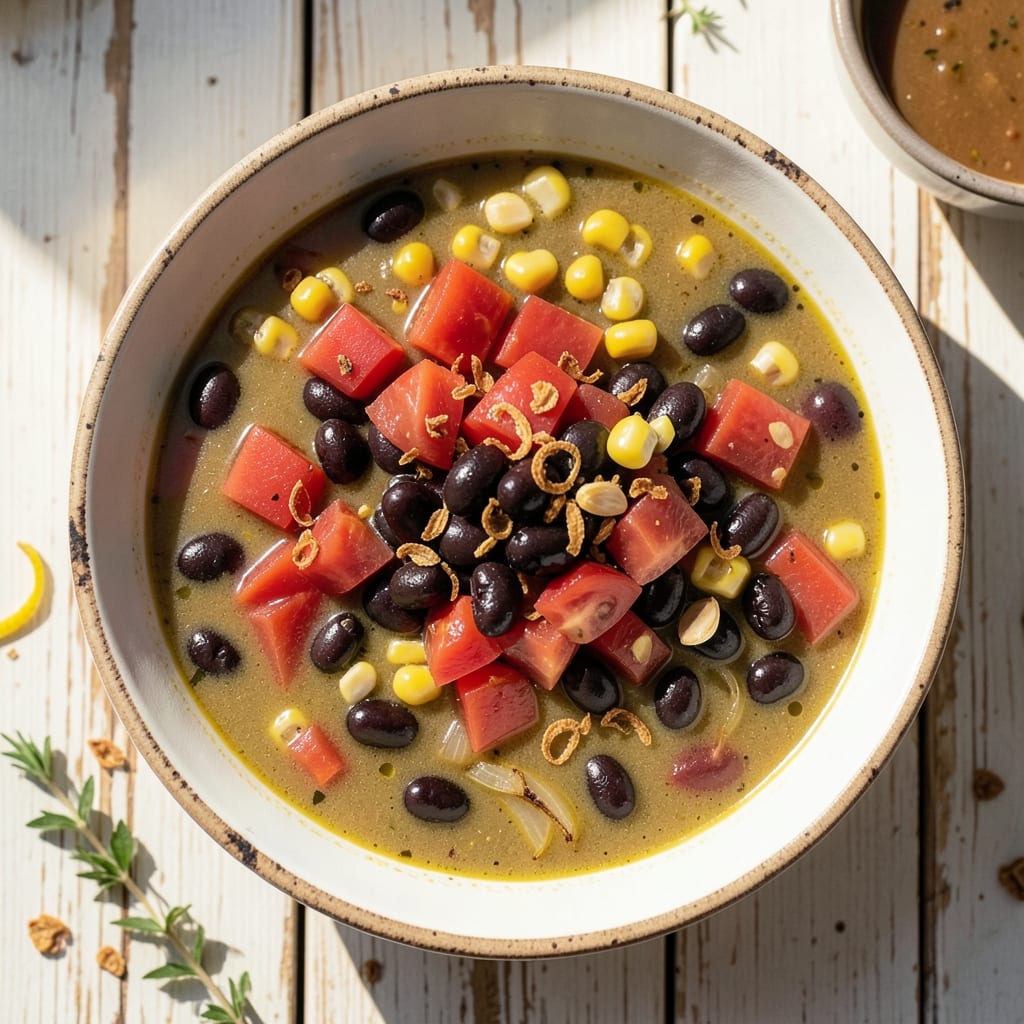
This six-can vegetable soup recipe proves hearty meals don't require hours of prep or fresh ingredients—just a pot, pantry staples, and 30 minutes of hands-off simmering. The beauty lies in canned vegetables: no chopping, no wilting, just convenient flavor that transforms into a satisfying one-pot dinner. I developed this after realizing how often canned goods get overlooked in home cooking when they're actually the secret to quick, budget-friendly meals that still taste homemade.
The magic happens in the one-pot technique, where you sauté aromatics until fragrant before adding drained vegetables and broth. This simple step builds flavor depth that separates this from basic canned soup. The key is balancing textures—soft beans, tender carrots, and slightly crisp corn—while letting the broth reduce just enough to create a velvety consistency. Seasoning is where you control the soul of the soup: a touch of smoked paprika adds warmth, while a squeeze of lemon brightens the finish.
What you'll end up with is a hearty, vegetarian-friendly soup that's rich enough to stand alone or pair with crusty bread. The vegetables retain their natural sweetness while absorbing the savory broth, creating a harmonious blend of textures and flavors. It's the kind of meal that feels nourishing yet effortless—perfect for weeknights when you want comfort without the fuss.
This recipe scales beautifully for leftovers too. The flavors actually improve overnight as the vegetables continue to meld with the broth. For extra depth, stir in a spoonful of tomato paste or a dash of miso at the end—small adjustments that elevate it from simple to extraordinary. Let's get cooking with this foolproof one-pot solution.
Ingredients for 6 can vegetable soup
Pantry staples and six cans transform into a hearty one-pot meal in 30 minutes.
| Ingredient | Amount | Notes |
|---|---|---|
| Yellow Onion 🧅 | 1 whole | Diced into small pieces |
| Garlic Cloves 🧄 | 3 cloves | Minced for depth of flavor |
| Vegetable Broth 💧 | 4 cups | Low-sodium preferred for control |
| Diced Tomatoes (14.5 oz can) 🍅 | 1 can | San Marzano preferred for sweetness |
| Black Beans (15 oz can) 🫘 | 1 can | Drained and rinsed well |
| Corn Kernels (15.25 oz can) 🌽 | 1 can | Drained for texture contrast |
| Carrots (15 oz can) 🥕 | 1 can | Drained for natural sweetness |
| Peas (15 oz can) 🌱 | 1 can | Drained for fresh pop |
| Tomato Paste (6 oz can) 🍅 | ½ cup | For rich umami depth |
| Smoked Paprika 🌶️ | 1 tsp | Earthy warmth essential |
| Ground Cumin 🌿 | ½ tsp | Toasted for complexity |
| Lemon Juice 🍋 | 1 tbsp | Freshly squeezed for brightness |
| Olive Oil 🫒 | 2 tbsp | Extra-virgin for sautéing |
| Salt 🧂 | 1 ½ tsp | Diamond Crystal preferred |
| Black Pepper 🌶️ | ½ tsp | Freshly cracked for heat |
The canned vegetables are where this soup shines—no chopping, no wilting, just convenience that still delivers texture and flavor. Store-brand cans work perfectly for this recipe, but if you want to splurge, San Marzano tomatoes and low-sodium broth make a noticeable difference. The key is to check the 'best by' dates on the cans—older vegetables can taste bland. For the beans, I always drain and rinse them well to cut down on excess sodium. The corn and peas add that satisfying crunch, so don't skip them unless you're going for a completely smooth texture.
No smoked paprika? Regular paprika plus a pinch of cayenne works in a pinch, though it won't have that same deep, smoky character. Running low on tomato paste? Crushed tomatoes at half the amount will give you a similar tang. The lemon juice is non-negotiable for brightness—bottled lemon juice works, but fresh is always better. If you're watching your sodium intake, skip the canned broth and use water plus bouillon cubes instead. For extra richness, stir in a spoonful of nutritional yeast at the end—it adds a cheesy, umami depth without any dairy.
This soup tastes even better the next day as the flavors meld together. Store leftovers in an airtight container in the fridge for up to 5 days or freeze for 3 months. I usually double the recipe so I have plenty for lunches—just reheat with a splash of water or broth to restore the perfect consistency. The flavors actually improve overnight, so if you're short on time, make it ahead and reheat when you're ready to serve. For extra heartiness, serve with crusty bread or a sprinkle of fresh herbs on top.
Why You'll Love This Recipe
- Pantry Magic: I swear by this one—no fresh veggies wilting, no last-minute grocery runs. Just open six cans, toss in a chopped onion and garlic, and boom. The black beans and tomatoes thicken the broth into something hearty without a single knife cut.
- Garlic Bomb Depth: That first whiff of sautéed garlic in vegetable broth? It’s the kind of aroma that makes you pause mid-conversation. The diced tomatoes add a tangy punch, while the beans keep it rich—like a hug in a bowl.
- Meal Prep MVP: Between us, this is my go-to for lunches. Make a double batch, and you’ve got three days of effortless dinners. The flavors actually get better the next day—honestly, my slow cooker version is just this soup reheated.
- Budget-Friendly Powerhouse: Six cans for under $10? That’s a steal. I’ve fed four people for less than $3 each, and no one ever asks for seconds—because they always ask for seconds. (Yes, even on a Tuesday night.)
Step-by-step instructions for six-can vegetable soup
This hearty soup comes together fast with pantry staples—just follow the sequence.
Sauté the Aromatics for Flavor Foundation
Heat the 2 tablespoons olive oil in a large Dutch oven or deep pot over medium heat. Add the 1 whole yellow onion and cook for 5-6 minutes until softened and translucent, stirring occasionally. Here's the thing—you want the onion to caramelize just slightly at the edges for deeper flavor.
Add the 3 cloves minced garlic and cook for 30 seconds until fragrant. Don't let it brown—garlic burns fast. I press down gently on the garlic with a wooden spoon to release its oils. This aromatic base forms the flavor backbone of the entire soup.
Build the Umami Base with Tomatoes and Paste
Stir in the 0.5 cup tomato paste and cook for 1 minute until it darkens slightly. This step develops the soup's rich, concentrated flavor. Add the 1 can diced tomatoes (with juices), 1 teaspoon smoked paprika, and 0.5 teaspoon ground cumin. Stir well to combine all ingredients thoroughly.
Let the mixture simmer for 3-4 minutes until the raw tomato taste disappears. You'll notice the mixture thickens slightly and the flavors meld together. This is where the magic happens—the spices bloom and the acidity from the tomatoes brightens the base.
Add Liquids and Seasonings
Pour in the 4 cups vegetable broth and bring to a gentle boil. Add the 1.5 teaspoons salt and 0.5 teaspoon black pepper, stirring to dissolve completely. Taste the broth now—this is your flavor checkpoint. You want it seasoned properly before adding the vegetables, so you can adjust if needed.
Reduce heat to medium-low and let the broth simmer for 5 minutes to infuse all the seasonings. This pre-seasoning step ensures every component absorbs the flavors evenly. Real talk: Skipping this can leave your soup bland even with all the cans.
Incorporate the Vegetables
Add the 1 can black beans, 1 can corn kernels, 1 can carrots, and 1 can peas, all drained. Stir gently to distribute the vegetables evenly throughout the broth. The beans and corn will release starch as they heat, naturally thickening the soup slightly—no extra cornstarch needed.
Simmer for 8-10 minutes until all vegetables are heated through. You'll see the peas pop and the carrots soften slightly. The soup should have a thick, hearty consistency but still be ladle-friendly. If it's too thick after 10 minutes, add ½ cup water to reach your preferred texture.
Finish with Brightness and Serve
Remove the pot from heat and stir in the 1 tablespoon lemon juice. This final step brightens all the flavors and cuts through the richness of the tomatoes and beans. Taste again and adjust seasoning if needed—sometimes the lemon juice makes the soup taste saltier, so you might need a touch more salt.
Ladle the soup into bowls and serve immediately. The aroma alone will have everyone at the table. For extra richness, top with a drizzle of olive oil or a sprinkle of fresh herbs. This one-pot wonder delivers restaurant-quality flavor with minimal effort—just like promised.
Pro Tips For Making 6 Can Vegetable Soup
- Sweat the Onion First: I learned this the hard way—throwing raw onion into simmering broth makes it sit like a soggy rock. Instead, cook the diced onion in a dry pot over medium heat for 5 minutes until it softens and releases its sweetness. That’s when the garlic should join, sizzling for 30 seconds before the broth even hits the pan.
- Drain and Rinse Beans: The canned black beans you grab off the shelf are swimming in sodium. Drain them, then rinse under cold water to cut that briny punch—especially if you’re using low-sodium broth. I skip this, and the soup tastes like a science experiment gone wrong.
- Simmer, Don’t Boil: This isn’t a race. Once everything’s in the pot, keep the heat at a gentle simmer (tiny bubbles, occasional swirls) for at least 20 minutes. Boiling hard turns the tomatoes into mush and makes the broth cloudy. Patience here means flavor that actually layers instead of fading.
- Add Acid Last: The diced tomatoes and beans are already tangy, but if your soup tastes flat, toss in a splash of lemon juice or vinegar in the final 5 minutes. It brightens the whole dish—just don’t dump it in early, or the acid will cook off and leave you with nothing but sad, dull flavors.
Serving suggestions for this recipe
Bread Pairings
This soup pairs beautifully with crusty sourdough or rustic whole wheat bread—their dense texture soaks up the broth perfectly. I like toasting slices until golden and crisp for extra crunch. For a lighter option, try baguette slices or garlic bread made with butter, garlic, and parsley. The key is choosing bread with enough structure to hold up to the hearty soup. 🥖
Toppings for Extra Flavor
Elevate your bowl with fresh cilantro or parsley for brightness, or a sprinkle of crumbled feta cheese for tang. A drizzle of extra-virgin olive oil adds richness, while crushed red pepper flakes bring heat. For a smoky touch, top with crumbled bacon (if not keeping it vegetarian) or smoked paprika. These toppings turn a simple bowl into a gourmet experience.
Cheese and Crackers
Serve with a sharp cheddar or aged Gouda on the side for guests to add to their bowls. I love pairing this soup with water crackers or pita chips—they provide a neutral base that lets the soup's flavors shine. For a fun twist, offer everything bagel seasoning on a small plate so everyone can customize their bowls. The contrast of textures makes every bite more satisfying. 🧀
Drink Pairings
A crisp white wine like Sauvignon Blanc or Pinot Grigio complements the soup's bright lemon and herb notes. For beer lovers, a light lager or wheat beer cleanses the palate without overpowering. If you prefer non-alcoholic options, sparkling water with lemon or iced hibiscus tea adds refreshing contrast. The key is balancing the soup's richness with something light and refreshing. 🍷
Make It a Meal
Turn this into a full meal by serving with a simple side salad—toss arugula, cherry tomatoes, and shaved Parmesan with a lemon vinaigrette. For extra protein, add a grilled chicken breast or vegetarian chili on the side. The combination of textures and flavors makes it feel like a restaurant-quality dinner without the effort. 🍽️
Leftovers Reinvented
Repurpose leftover soup into vegetable soup sandwiches with crusty bread, or freeze in single-serving portions for quick lunches. For a creamy twist, stir in Greek yogurt or coconut milk when reheating. You can also blend the soup into a creamy vegetable bisque by adding a splash of broth and blending until smooth. These ideas keep the flavors exciting even after the first serving. 💡
Nutrition facts
Frequently asked questions
Can I use frozen vegetables instead of canned?
Frozen vegetables work perfectly—just thaw them first or add directly to the pot. For best texture, add peas and corn last (after 5 minutes of simmering) so they stay bright. Frozen veggies can make the soup slightly thicker, so you may need to add ½ cup water if needed.
How do I adjust this for fewer/more servings?
This recipe scales easily: each can of veggies serves 2 people. For 2 servings, use 3 cans total; for 6 servings, double all ingredients. The key is maintaining the same ratio of broth to vegetables—1 cup broth per can—to keep the consistency balanced.
Why does my soup taste bland?
Most likely, you skipped the 5-minute seasoning step before adding veggies. Always taste the broth after adding salt/pepper but before vegetables. If it's still bland, boost flavor with 1 extra tsp smoked paprika, ½ tsp onion powder, or a splash of soy sauce. Fresh herbs at the end also make a big difference!
Can I make this soup in an Instant Pot?
Yes! Sauté onions/garlic first, then add all ingredients except lemon juice. Cook on High Pressure for 3 minutes, then quick-release. Stir in lemon juice at the end. The Instant Pot version finishes in 15 minutes total—perfect for busy weeknights!
What's the best way to store leftovers?
Transfer to an airtight container and refrigerate for up to 5 days. For freezing, portion into single-serving containers and freeze for 3 months. Reheat gently on the stove with a splash of water or broth—never microwave directly from frozen to avoid rubbery textures.