
Soups & Stews
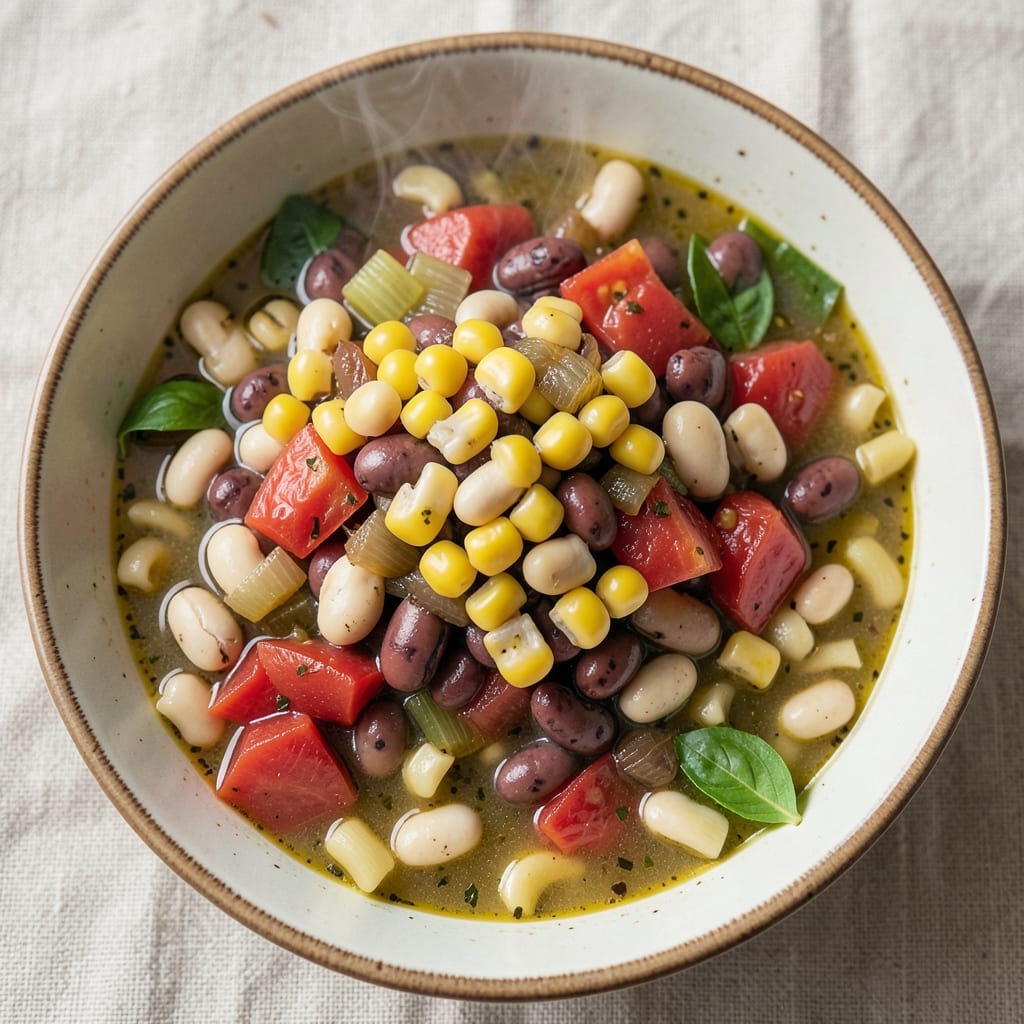
A 7-can minestrone soup transforms pantry staples into a hearty, vegetable-packed meal that feeds a crowd with minimal effort. This one-pot wonder combines canned beans, tomatoes, and broth into a rich, flavorful soup that’s ready in under an hour—no fancy prep required. The beauty of this recipe lies in its flexibility: swap in seasonal vegetables or adjust the herbs to suit your taste.
What makes this minestrone stand out is the balance of textures and flavors—creamy beans, tender vegetables, and a savory broth that comes together seamlessly. I developed this version to simplify the classic while keeping it deeply satisfying, perfect for busy weeknights or meal prep. The canned ingredients cut down on chopping, but the result is anything but basic.
By the time you’re done, you’ll have a steaming pot of soup that’s packed with protein, fiber, and vibrant vegetables—ideal for chilly days or when you need a comforting meal on the table fast. The best part? It tastes even better the next day, making it a great make-ahead option for feeding a family or sharing with neighbors.
Serve it with crusty bread for dipping or a sprinkle of fresh parsley for brightness. This recipe proves that hearty, restaurant-quality soup doesn’t require hours in the kitchen—just a few cans, a pot, and a little patience. Let’s get cooking!
Ingredients for 7 can soup recipe minestrone
Seven cans and a handful of fresh ingredients transform into a hearty, comforting bowl of minestrone.
| Ingredient | Amount | Notes |
|---|---|---|
| Ditalini Pasta 🍝 | 1 ½ cups | Uncooked, broken in half |
| Canned White Beans 🥫 | 2 cans | 15 oz each, drained and rinsed |
| Canned Kidney Beans 🍳 | 2 cans | 15 oz each, drained and rinsed |
| Canned Diced Tomatoes 🍅 | 2 cans | 28 oz each, San Marzano preferred |
| Vegetable Broth 💧 | 6 cups | Low-sodium preferred, homemade or store-bought |
| Canned Corn 🌽 | 1 can | 15.5 oz, drained |
| Canned Carrots 🥕 | 1 can | 15 oz, drained |
| Canned Green Beans 🍃 | 1 can | 15 oz, drained |
| Onion 🧅 | 1 whole | Medium, diced |
| Garlic Cloves 🧄 | 4 cloves | Minced |
| Celery Stalks 🥬 | 2 whole | Diced |
| Olive Oil 🫒 | ¼ cup | Extra-virgin preferred |
| Dried Oregano 🌿 | 1 tsp | Or 1 tbsp fresh |
| Dried Basil 🌿 | 1 tsp | Or 1 tbsp fresh |
| Salt 🧂 | 1 ½ tsp | Adjust to taste |
| Black Pepper 🌶️ | ½ tsp | Freshly ground |
| Fresh Parsley 🌿 | ¼ cup | Chopped, for garnish |
The canned goods are where this soup shines. San Marzano tomatoes are worth the splurge—they’re sweeter and less acidic, giving your soup that rich, Italian flavor. For the beans, stick with no-salt-added varieties (like Woodstock or Libby’s) to control the seasoning. The vegetable broth? Homemade is ideal, but even the basic cartons at Walmart or Kroger work if you use low-sodium. Pro tip: Drain and rinse those beans and veggies—it cuts down on excess sodium and keeps the soup from tasting canned. If you’re short on time, skip the fresh veggies entirely and just use the canned ones—it’s still delicious.
No ditalini? Small pasta shapes like orzo or acini di pepe work just as well. Ran out of carrots? Baby carrots or even canned baby carrots will do. Fresh herbs? Dried will work at one-third the amount, but fresh basil and parsley add that bright, fresh finish. The olive oil is non-negotiable—it’s what brings all the flavors together. Trader Joe’s or Whole Foods have great extra-virgin options, but even the basic bottle at the grocery store will work. Want to make it vegan? Skip the Parmesan and add extra beans for protein—it’s still packed with flavor.
This soup tastes even better the next day, so make a double batch if you can. Store leftovers in the fridge for 4-5 days or freeze for up to 3 months. I always portion mine into containers with a splash of broth on top—it keeps the pasta from getting mushy. For serving, a sprinkle of fresh parsley and a drizzle of olive oil make all the difference. And if you’ve got crusty bread? Even better—dip away!
Why You'll Love This Recipe
- No-Chop Nightmare: I swear, this is the soup that saves me when I’m staring at a kitchen counter piled with takeout menus. Just open five cans—beans, tomatoes, broth—and toss them in with the pasta. The ditalini handles itself, soaking up every last bit of that savory tomato-bean broth like a sponge. Even my picky teenager doesn’t side-eye it.
- Umami Bomb: That combo of kidney beans and white beans? It’s where the magic happens. The beans break down just enough to thicken the broth into something rich and hearty, while the diced tomatoes add a bright acidity that cuts through it all. Add a sprinkle of oregano or basil at the end, and you’ve got a flavor that sticks with you—like a hug in a bowl.
- Leftover Hero: This soup actually improves the next day. The flavors meld overnight, and the pasta softens just enough to be cozy, not mushy. I make a double batch on Sundays, and by Wednesday, it’s still the star of my lunch—whether I’m reheating it straight from the fridge or tossing it into a pan with a fried egg on top. Zero waste, all satisfaction.
- Pantry Staple Power: Between us, this is the kind of recipe that makes you realize how little you actually need to feed a crowd. Seven cans? That’s it. No fancy produce, no last-minute grocery runs—just whatever’s sitting in your cupboard. And honestly? It’s the kind of thing I’ll serve at potlucks, game nights, or even a last-minute dinner for out-of-town guests. No stress, all love.
Step-by-Step instructions for hearty vegetable-packed minestrone
This one-pot wonder comes together faster than you'd think—just toss in the cans and let the flavors meld.
Sauté the Aromatic Vegetable Base
Heat the 0.25 cup olive oil in a large Dutch oven or heavy pot over medium heat. Add the diced onion, diced celery stalks, and minced garlic cloves, stirring frequently for 5-6 minutes until the onion becomes translucent and the celery softens slightly.
Here's where the magic starts—I like to press down gently on the vegetables with a wooden spoon to release their juices. You'll know it's ready when the mixture smells fragrant and the garlic just begins to turn golden. Don't let it brown, or you'll get bitter flavors instead of that sweet, savory base we're after.
Add the Canned Vegetables and Tomatoes
Pour in the 2 cans diced tomatoes (with juices), 2 cans white beans, 2 cans kidney beans, 1 can corn, 1 can carrots, and 1 can green beans. Stir everything together, breaking up any large bean chunks with a wooden spoon. The liquid from the tomatoes and beans will start to combine with the oil.
Bring the mixture to a gentle boil, then immediately reduce heat to medium-low. Let it simmer uncovered for 15 minutes—this gives the vegetables time to soften slightly and the flavors time to begin melding. You'll see the liquid reduce slightly and the colors deepen to a rich, rustic tomato hue.
Build the Flavor Foundation
Add the 6 cups vegetable broth, 1.5 teaspoons salt, 0.5 teaspoon black pepper, 1 teaspoon dried oregano, and 1 teaspoon dried basil. Stir well to combine, making sure the herbs disperse evenly throughout the soup. Taste and adjust seasoning if needed—this is your chance to balance the flavors before committing to the cooking time.
Increase heat to medium-high and bring the soup back to a boil. Then reduce heat to medium-low again and let it simmer uncovered for another 10 minutes. This simmering time is crucial—it allows all the flavors to develop and the beans to absorb the broth, creating that perfect balance of hearty and light.
Add the Pasta and Finish Cooking
Break the 1.5 cups ditalini pasta in half to help it cook faster and more evenly. Add it to the simmering soup and stir gently to distribute it throughout. The pasta will absorb the broth as it cooks, so don't worry if it looks like there's not enough liquid at first—it will adjust as everything cooks.
Simmer uncovered for 12-15 minutes, stirring occasionally, until the pasta is al dente. You want it tender but still with a slight bite. If the soup gets too thick before the pasta is done, add ½ cup water or broth to loosen it. The perfect minestrone should have a thick but spoonable consistency with plenty of broth to coat the vegetables and pasta.
Garnish and Serve Warm
Remove the pot from heat and let the soup rest for 5 minutes. This resting time allows the flavors to settle and the pasta to finish absorbing any remaining liquid. Stir in the 0.25 cup chopped fresh parsley just before serving—this adds a bright, fresh finish that cuts through the richness of the tomatoes and beans.
Ladle the minestrone into bowls and serve immediately with crusty bread or a sprinkle of grated Parmesan. Each spoonful should deliver a perfect balance of hearty beans, tender pasta, and vibrant vegetables in a rich, flavorful broth. The beauty of this recipe is that it's ready in under an hour, but tastes like it simmered all day.
Pro Tips For Making 7 Can Soup Recipe Minestrone
- Boil Pasta Separately: If you toss ditalini in with the soup, it’ll turn to mush—trust me, I’ve done it. Cook it in a separate pot for 8-9 minutes (just until al dente), then drain and add it to the soup in the last 5 minutes. That way, it soaks up flavor without falling apart.
- Drain and Rinse Beans: Canned beans are swimming in sodium, and that can make your minestrone taste flat. Drain them, then rinse under cold water for 10 seconds—just enough to cut the salt without losing texture. Your soup will thank you.
- Simmer, Don’t Boil: After adding the broth, tomatoes, and beans, keep the heat at a gentle simmer. I used to crank it up, and the tomatoes would split, turning the soup into a watery mess. Low and slow (about 20 minutes) lets flavors meld without breaking down the ingredients.
- Add Greens Last: If you’re using spinach or kale, toss it in just 2 minutes before serving. I learned this the hard way—adding them early turns them to sludge. A handful wilts perfectly and adds color without overpowering the canned ingredients.
Essential equipment for great 7 can soup recipe minestrone
Pot Essentials
Start with a large Dutch oven or heavy pot—I swear by my Le Creuset 6-quart for its even heat distribution. If you don’t have one, a stainless steel stockpot (like All-Clad) works perfectly. The key is depth—you’ll need room for all those cans and veggies without overflowing. For smaller batches, a 5-quart pot suffices, but I always double-check my ingredients list to avoid spills. 🔥
Chopping Tools
A sharp chef’s knife and cutting board are non-negotiable for dicing the onion, celery, and garlic. I love my Wüsthof Ikon for its precision, but a Victorinox Fibrox is a budget-friendly alternative. For speed, a mandoline works for celery and carrots if you’re prepping ahead. Just remember: smaller dice = faster cooking and better flavor integration. 🥬
Wooden Spoon
This isn’t just for stirring—it’s for deglazing and pressing down on those sautéed veggies to release their juices. A long-handled wooden spoon (like OXO Good Grips) prevents burns and adds a rustic touch. Avoid metal spoons here—they can scratch your pot and react with acidic ingredients like tomatoes. Trust me, the difference in flavor is noticeable. 🌡️
Measuring Tools
Precision matters when balancing flavors. Use a stainless steel measuring cup for broth and a spice scoop for dried herbs. I keep a small set of measuring spoons (like OXO Stainless Steel) handy for salt and pepper. Pro tip: Taste as you go—adjust seasoning gradually to avoid over-salting. A digital kitchen scale (for herbs) isn’t essential, but it’s a game-changer if you’re a perfectionist. ✨
Optional Upgrades
For flavor depth, a mortar and pestle lets you crush whole spices (like fennel seeds or red pepper flakes) for a fresher taste. A fine-mesh strainer helps drain beans and veggies efficiently if you’re using canned goods. And if you’re serving a crowd, individual soup bowls (like Corelle stoneware) keep everyone happy without the mess. 🍽️
Cleanup Made Easy
Line your counter with a large baking sheet to catch drips while prepping ingredients. A silicone spatula (like EcoLunchbox) helps scrape every last bit of soup from the pot. For storage, glass containers (with tight lids) preserve flavor better than plastic. And if you’re freezing leftovers, quart-sized freezer bags save space and thaw faster than containers. 🧼
Nutrition facts
Frequently asked questions
Can I make this minestrone without fresh vegetables?
This recipe is designed to work with canned vegetables exclusively. Simply use the 1 can each of carrots, green beans, and corn as listed, and skip the fresh onion, celery, and garlic. The flavor will still be rich and satisfying—just slightly less vibrant. For extra depth, add 1 teaspoon dried thyme or ½ teaspoon smoked paprika to compensate.
How can I make this soup thicker or thinner?
For a thicker soup, simmer uncovered for 5-10 extra minutes to reduce the broth. If it gets too thick before the pasta is done, stir in ½ cup vegetable broth or water. For a thinner soup, add ½ cup extra broth during the final simmer. The ideal consistency should coat a spoon but still be easy to ladle.
What’s the best way to reheat leftovers?
Reheat minestrone gently on the stove over medium-low heat, stirring occasionally, until warmed through (5-7 minutes). For even heating, break up any thick lumps with a wooden spoon. Avoid microwaving—it can make the pasta mushy. If reheating from frozen, thaw overnight in the fridge first, then reheat on the stove with an extra ¼ cup broth to restore moisture.
Can I add meat to this vegetarian minestrone?
Yes! For a meaty version, brown ½ pound Italian sausage or diced ham with the onion and celery in Step 1. Drain excess fat before adding the cans. For extra protein, stir in 1 can chickpeas (drained) along with the other beans. Just reduce the broth by ½ cup to balance the extra liquid from the meat.
Why does my minestrone taste bland?
Bland flavor usually means the soup needs more acidity or seasoning. Boost brightness with 1 tablespoon lemon juice or ½ teaspoon red pepper flakes. For depth, add 1 bay leaf while simmering (remove before serving) or a pinch of sugar to balance the acidity. Taste as you go—minestrone should be savory, slightly tangy, and herb-forward.