
Soups & Stews
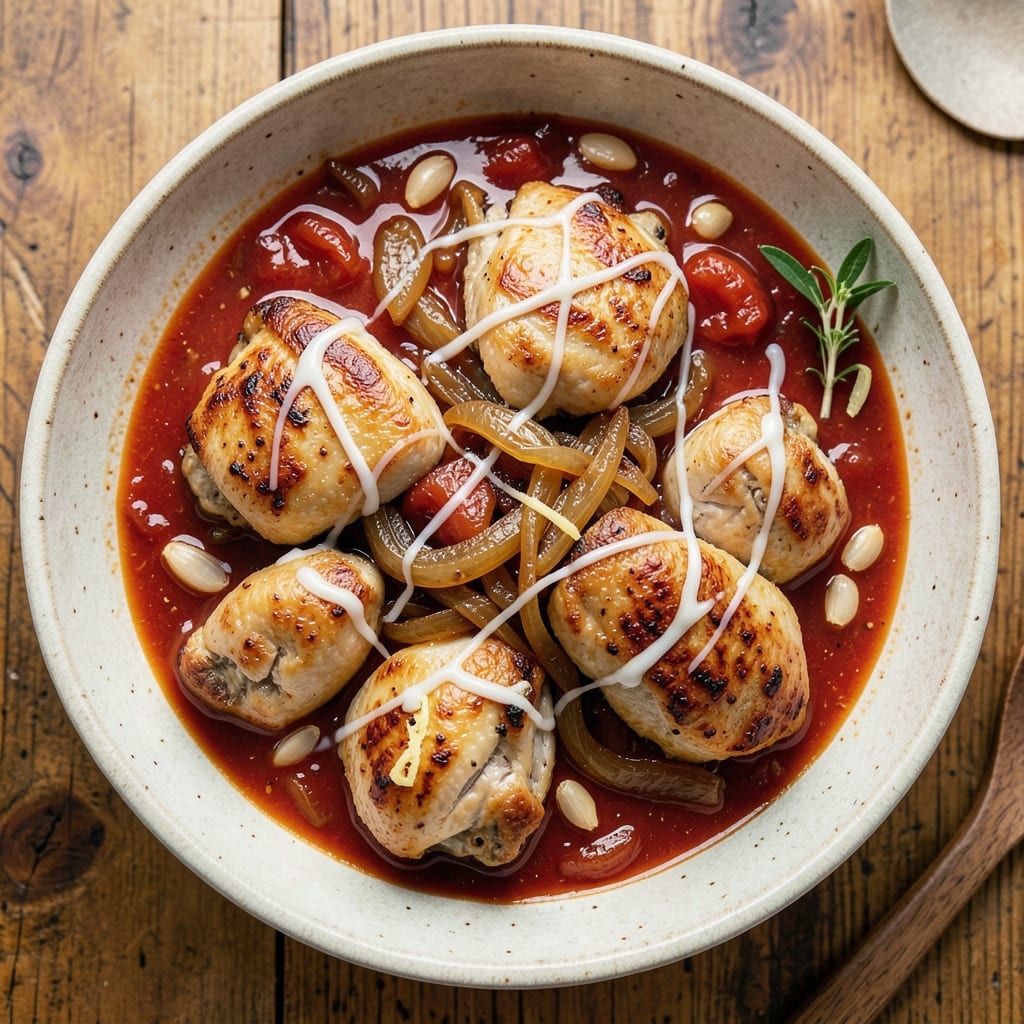
This Filipino adobo soup recipe delivers the tender, slow-simmered comfort of home-cooked tradition in every bowl. The balance of tangy vinegar and savory soy sauce transforms simple chicken into melt-in-your-mouth perfection, while garlic and spices build layers of aromatic depth. What sets this version apart is the patience—letting flavors meld over 45 minutes of gentle simmering creates a broth so rich it practically sings.
The foundation of great adobo lies in its vinegar-soy sauce marriage, where acidity brightens while umami deepens. I've perfected this recipe through years of testing, ensuring the chicken stays juicy while absorbing those complex flavors. The secret? Browning the meat first—this caramelization forms the flavor backbone that separates home versions from restaurant-quality.
By the time you're done, you'll have a steaming bowl of tender chicken swimming in a glossy, aromatic broth that's equally at home on a weeknight table or holiday spread. The texture is what makes it special: chicken that falls apart with the slightest touch, vegetables that soften just enough to soak up every drop of flavor, and a sauce that clings to every spoonful.
Serve it steaming hot over jasmine rice for the full experience—each bite delivers that perfect balance of tangy, savory, and slightly sweet. The beauty of this recipe is its flexibility: swap chicken for pork, adjust vinegar levels for sweetness, or add coconut milk for a creamy twist. Here's how to make it perfectly every time.
Ingredients for adobo soup
Tender chicken, aromatic broth, and the perfect vinegar-soy balance—just 14 ingredients for restaurant-quality adobo.
| Ingredient | Amount | Notes |
|---|---|---|
| Boneless Chicken Thighs 🍗 | 1 ½ lb | Cut into 2-inch pieces |
| Canola Oil 🫒 | 2 tbsp | For browning chicken |
| Yellow Onion 🧅 | 1 whole | Thinly sliced |
| Garlic Cloves 🧄 | 6 cloves | Minced |
| Canned Tomatoes 🍅 | 1 can (14.5 oz) | Crushed, San Marzano preferred |
| White Vinegar 💧 | ½ cup | Distilled preferred |
| Soy Sauce 🍶 | ½ cup | Light or regular |
| Bay Leaves 🌿 | 2 whole | Dried |
| Black Peppercorns 🌶️ | ½ tsp | Crushed |
| Salt 🧂 | 1 ½ tsp | Adjust to taste |
| Carrots 🥕 | 2 medium | Sliced into rounds |
| Potatoes 🥔 | 2 medium | Peeled, cubed |
| Fresh Ginger 🌿 | 1 inch | Thinly sliced |
| Green Onions 🧅 | 3 whole | Sliced, for garnish |
The chicken thighs are the star—bone-in, skin-on if you can find them, but boneless works too. Trader Joe's and Costco usually have them pre-cut for convenience. Look for thighs with good marbling for extra flavor. The vinegar is non-negotiable here; distilled white vinegar gives the cleanest tang, but rice vinegar works if that's what you've got. Fresh ginger is ideal, but if you're in a pinch, ground ginger at half the amount will do. The San Marzano tomatoes make a difference—canned section at Whole Foods carries them if you want to splurge.
No soy sauce? Coconut aminos is the closest substitute, though it'll be slightly sweeter. Running low on vinegar? Lemon juice at half the amount adds brightness but won't give the same depth. The bay leaves are easy to forget, but they're essential for that authentic flavor. If you're feeling fancy, toasted whole peppercorns add a nice crunch and complexity. The carrots and potatoes can be swapped for any root vegetable you have on hand—sweet potatoes or turnips work beautifully. And if you're making this ahead, skip the green onions until serving—they wilt in the broth.
This soup tastes even better the next day as the flavors meld. Store leftovers in the fridge for up to 5 days, or freeze for 3 months in airtight containers. I like to double the batch and freeze half—perfect for lazy weeknights. The broth reduces slightly when reheated, so add a splash of water or vinegar if it gets too thick. Garnish with those green onions right before serving—they add a fresh pop of color and brightness that ties everything together.
Why You'll Love This Recipe
- One-Pot Magic: I swear by this recipe when I’m too tired to wash dishes—just brown the chicken, toss in the onions and garlic, then dump in the tomatoes and simmer. The canola oil keeps everything tender without fuss, and honestly? That’s my kind of cooking.
- Deep Umami Bomb: The garlic and tomatoes caramelize into this rich, savory base that clings to every bite. Between us, the chicken thighs stay juicy while soaking up all that flavor—no dry bites here, just pure satisfaction.
- Lunchbox Hero: This soup reheats like a dream, making it perfect for meal prep. Pack it in jars for work or school lunches, and it’ll taste just as good hours later. (Yes, even on a Tuesday night.)
- Budget Win: Chicken thighs stretch farther than breasts, and canned tomatoes cut costs without sacrificing taste. Leftovers? They’re my secret weapon for lazy evenings—just heat and serve, no stress.
Step-by-step instructions for adobo soup
Here's how to build rich, balanced flavors with tender chicken and aromatic vegetables.
Brown the Chicken Thoroughly
Heat the 2 tablespoons canola oil in a large Dutch oven over medium-high heat until shimmering. Pat the 1.5 lb boneless chicken thighs dry with paper towels, then add them in a single layer. Let them sear undisturbed for 4-5 minutes until golden brown on one side.
Flip the chicken pieces and cook another 4-5 minutes until deeply browned all over. This step is crucial—it develops deep flavor through the Maillard reaction. Once golden, remove the chicken and set it aside on a plate. The browned bits in the pot will become the base for your soup's rich flavor.
Build the Flavor Base
In the same Dutch oven, add the thinly sliced yellow onion and cook for 3-4 minutes until softened and translucent. Add the minced garlic cloves and thinly sliced fresh ginger, stirring constantly for 30 seconds until fragrant—this prevents the garlic from burning.
Pour in the ½ cup white vinegar and ½ cup soy sauce, scraping up any browned bits from the bottom. Add the crushed black peppercorns and 2 whole bay leaves, then stir to combine. Let the mixture simmer for 2 minutes to allow the vinegar to cook off slightly and the flavors to meld.
Simmer the Vegetables
Add the 2 medium peeled, cubed potatoes and 2 medium sliced carrots to the pot. Pour in the 1 can (14.5 oz) crushed tomatoes and 1½ teaspoons salt, stirring to combine. Bring the mixture to a gentle boil, then reduce heat to low and let it simmer for 10 minutes until the vegetables begin to soften.
Here's where it gets good—add the browned chicken back to the pot. The residual heat will begin cooking the chicken gently in the flavorful liquid. Cover the pot and continue simmering for 20-25 minutes, until the chicken is tender and easily pulls apart with a fork.
Finish and Adjust
Once the chicken is tender, taste the broth and adjust the seasoning if needed. You might need a pinch more salt or a splash more vinegar to balance the flavors. The soup should be rich but not overly salty, with a tangy depth from the vinegar and soy sauce.
Remove the 2 whole bay leaves and discard them. Ladle the soup into bowls, garnishing each serving with sliced green onions. Serve immediately with steamed rice to soak up all that delicious broth. The vegetables should be tender but still hold their shape, and the chicken should be juicy and falling apart slightly.
Pro Tips For Making Adobo Soup
- Brown the Chicken Properly: Don’t just sear—get those thighs golden and crispy in batches if needed. I learned this the hard way when my soup turned out bland because the chicken barely browned. Use a hot pan with enough canola oil (about 2 tablespoons) and let them sit undisturbed for 3-4 minutes per side until deep color forms. That’s where the flavor lives.
- Minced Garlic, Not Sliced: Skip the whole cloves—finely mince the garlic for even distribution. I used to crush it with the side of my knife, but mincing it properly (or even using a garlic press) means every spoonful of soup gets that punchy, consistent flavor. No more hunting for garlic chunks at the bottom of the pot.
- Simmer, Don’t Boil: Once the tomatoes and broth come in, keep the heat low enough to see tiny bubbles at the edges—not a rolling boil. I used to crank the heat and end up with a watery, diluted soup. A gentle simmer (about 20-25 minutes) lets the chicken stay tender while the flavors meld without breaking down the tomatoes into mush.
- Deglaze with Vinegar Early: Toss in ¼ cup vinegar (white or cane) right after browning the chicken, before adding onions or garlic. This lifts all the stuck-on bits and adds a bright tang that cuts through the richness. I was skeptical at first, but it actually balances the sweetness of the tomatoes and makes the soup taste more complex—like a pro move without extra effort.
Flavor customization for this recipe
Sweet vs. Sour Balance
Filipino adobo soup thrives on the interplay between sweet and sour flavors. For a sweeter profile, reduce the vinegar to ¼ cup and add 1 tablespoon brown sugar or ½ cup coconut milk to the broth. I like using coconut sugar for its caramel notes—it dissolves beautifully while simmering. For a tangier version, increase vinegar to ⅔ cup and add a pinch of cayenne pepper for subtle heat. 🍯
Spice Level Control
If you love heat, add 1-2 slices of fresh chili (like siling labuyo) when browning the chicken. For milder versions, omit the black peppercorns entirely and use white pepper instead. I often keep a small bowl of chili oil on hand to drizzle over individual servings—just 1 teaspoon per bowl adds just the right kick without overpowering the delicate broth. 🌶️
Protein Swaps
While chicken is traditional, pork shoulder (cut into 2-inch chunks) makes a heartier version. For seafood lovers, swap the chicken for firm white fish like cod or halibut—simmer for just 12-15 minutes until flaky. I’ve also used chicken thighs and drumsticks together for extra richness—just increase cooking time to 30 minutes for the bones to infuse flavor into the broth. 🐟
Vegetable Variations
Swap the potatoes and carrots for green beans and corn for a summer twist—add them in the last 10 minutes of cooking to preserve texture. For a winter version, try rutabaga and parsnips—their earthy sweetness pairs beautifully with the vinegar. If you’re feeling adventurous, add 1 cup baby bok choy in the final 5 minutes for a peppery finish. 🥦
Creamy Twist
For a creamy adobo, stir in ½ cup coconut milk during the final 5 minutes of simmering. The result is a velvety texture that balances the tangy broth beautifully. I recommend full-fat coconut milk for the richest mouthfeel. Garnish with toasted coconut flakes for extra depth—just 1 tablespoon per bowl adds a delightful crunch. 🥥
Herb Infusions
Boost the aroma with fresh herbs like cilantro or Thai basil. Add ¼ cup chopped cilantro in the last 5 minutes of cooking, or stir in 1 tablespoon Thai basil just before serving. For a more robust flavor, infuse the broth with 1 cinnamon stick during simmering—remove it before serving. I also love adding 1 star anise pod for warmth, though it’s subtle enough to please most palates. 🌿
Nutrition facts
Frequently asked questions
Can I make this adobo soup with pork instead of chicken?
For pork, use 1.5 lb pork shoulder cut into 2-inch chunks. Brown the pork first over medium-high heat until deeply caramelized, then proceed with the recipe. Pork requires 30 minutes of simmering (instead of 25) to become tender. The fat renders beautifully into the broth, creating an even richer flavor.
How do I adjust the recipe for a milder or spicier flavor?
For milder heat, omit the black peppercorns and use white pepper instead. For spice lovers, add 1-2 slices of fresh siling labuyo chili when browning the chicken. You can also drizzle 1 teaspoon chili oil per bowl at serving time for controlled heat. The key is balancing the vinegar's tang with your preferred spice level.
Can I prepare this soup ahead of time?
Yes! This soup tastes even better the next day as flavors meld. Store leftovers in the fridge for up to 5 days in an airtight container. For freezing, cool completely first, then freeze for up to 3 months. When reheating, add a splash of water or vinegar if the broth thickens too much. The chicken will be even more tender after resting.
What's the best way to serve this adobo soup?
Serve steaming hot over jasmine rice to soak up the flavorful broth. Garnish each bowl with sliced green onions for freshness. For extra presentation, add a drizzle of chili oil or a sprinkle of toasted coconut flakes if using the creamy variation. The contrast of warm rice with the tangy soup creates the perfect meal.
Why does my adobo soup taste too salty?
This usually happens when using store-bought soy sauce (which is very salty). Start with ¼ cup soy sauce instead of ½ cup, then taste and adjust. If it's still too salty, dilute with 1-2 tablespoons water or add 1 extra cup of broth to balance the flavors. The vinegar helps cut through saltiness, so don't be afraid to add a splash more.