
Soups & Stews
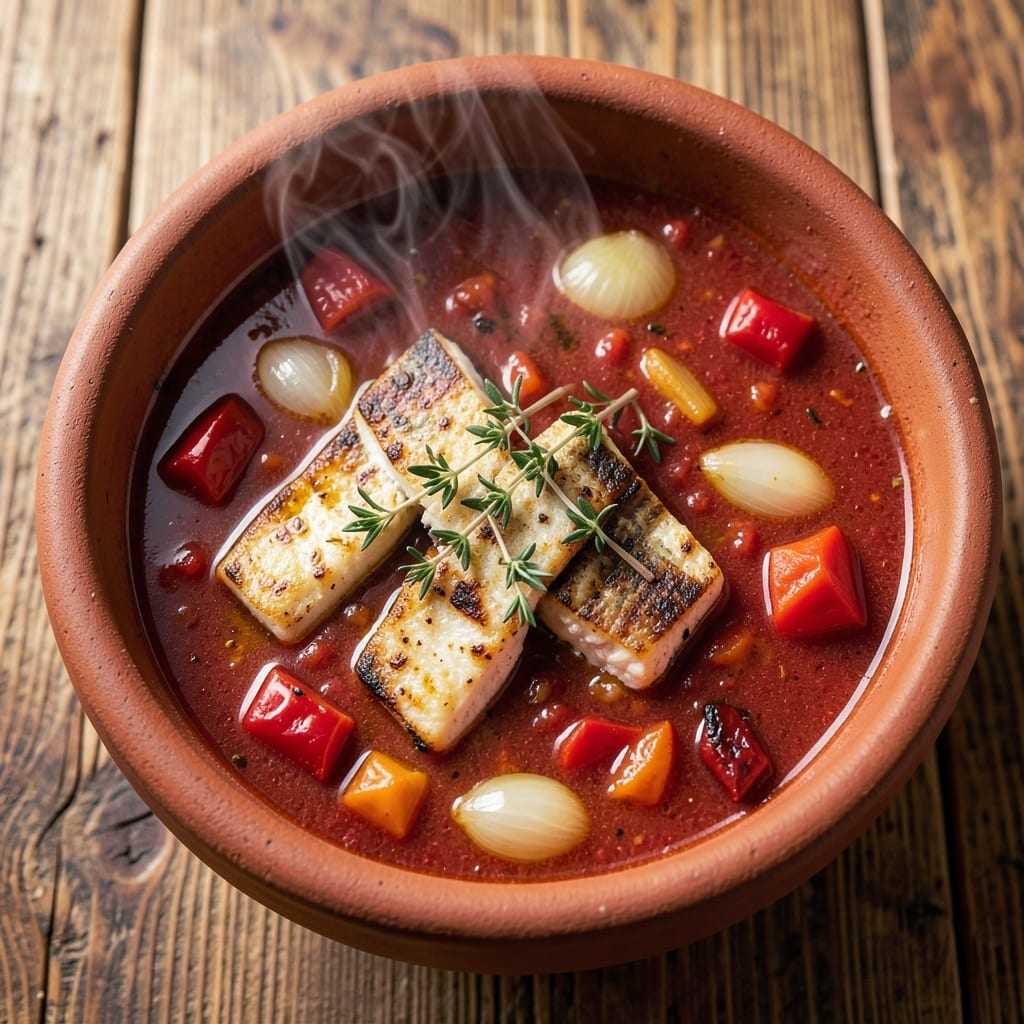
This African fish pepper soup recipe delivers the bold, aromatic flavors of West African cuisine in every spoonful. The secret lies in balancing fiery peppers with earthy spices and tender fish that flakes effortlessly. I've perfected this dish over years of cooking, ensuring the broth captures all those complex flavors while keeping the fish moist and delicate.
The foundation of this soup is a rich, spiced broth made with tomatoes, onions, and a blend of African spices like thyme, curry powder, and bay leaves. The fish—traditionally tilapia or mackerel—cooks gently in this fragrant liquid, absorbing the flavors without falling apart. What sets this recipe apart is the careful balance of heat and depth, creating a soup that's both invigorating and comforting.
By the time you're done, you'll have a steaming bowl of soup with tender fish that practically melts in your mouth, surrounded by a vibrant broth packed with vegetables and aromatic spices. The texture is what makes this dish special—flaky fish, tender vegetables, and a broth that's rich yet light enough to sip easily.
Serve this soup with steamed rice, fufu, or plantains to soak up every last drop of that flavorful broth. The combination of textures and temperatures makes each bite a little celebration. Let's get cooking!
Ingredients for african fish pepper soup
Bold flavors start with these West African staples—fresh fish, fiery peppers, and aromatic spices.
| Ingredient | Amount | Notes |
|---|---|---|
| Tilapia Fillets 🐟 | 1 ½ lb | Skinless, boneless, cut into chunks |
| Fresh Tomatoes 🍅 | 2 medium | Roma or vine tomatoes preferred |
| Yellow Onions 🧅 | 1 medium | Diced, about 1 cup |
| Red Bell Peppers 🌶️ | 1 whole | Diced, seeds removed |
| Scotch Bonnet Peppers 🌶️ | 2 whole | Seeds removed, chopped fine |
| Fresh Thyme 🌿 | ¼ cup | Stems removed, chopped |
| Curry Powder 🌶️ | 1 tbsp | Mild or medium heat |
| Bay Leaves 🍃 | 2 whole | Fresh preferred |
| Garlic Cloves 🧄 | 4 cloves | Minced, about 1 tbsp |
| Vegetable Oil 🫒 | ½ cup | For sautéing |
| Fish Stock 💧 | 4 cups | Homemade or quality store-bought |
| Lemon Juice 🍋 | 2 tbsp | Freshly squeezed |
| Salt 🧂 | 1 ½ tsp | Adjust to taste |
| Black Pepper 🌶️ | ½ tsp | Freshly ground |
| Cilantro 🌿 | ¼ cup | Chopped, for garnish |
The fish is non-negotiable here—tilapia or mackerel flakes perfectly, but cod or snapper work too. Look for fresh, firm fillets at Whole Foods or your local seafood market. The Scotch bonnet peppersjalapeños with seeds removed work in a pinch. For the tomatoes, Roma or vine tomatoes hold up best in cooking, but any ripe tomato will do. I always grab a few extra—you'll want them for garnish too.
No Scotch bonnet? Habanero or red pepper flakes add heat, but reduce the amount by half. Fresh thyme is ideal, but dried thyme at one-third the amount works if you're in a hurry. The curry powder can vary—Madras or berbere adds extra depth. For the fish stock, homemade is best, but Knorr or Pacific brand are solid store-bought options. The bell pepper adds sweetness—skip it if you want it spicier. And if you're sensitive to heat, remove some of the pepper seeds before chopping.
This soup tastes even better the next day—3-4 days in the fridge, no problem. The fish keeps best for 2 days if you're not using it right away, so plan ahead. For storage, keep the broth and fish separate until reheating—gentle heat only to avoid breaking up the fish. Garnish with fresh cilantro right before serving, or it'll wilt in the hot soup. Freezes beautifully for up to 3 months—just thaw in the fridge overnight.
Why You'll Love This Recipe
- One-Pot Magic: I swear by this recipe—just chop, simmer, and let the Scotch bonnet and bell peppers work their heat. No fancy gadgets, no stress; the tilapia cooks right in the broth, flaky and tender.
- Heat Meets Comfort: That first bite? The smoky-sweet tomatoes and onions caramelize into the broth while the Scotch bonnet adds a just-right kick—spicy but balanced, like a hug from your favorite cook.
- Weeknight to Weekend: Make it for a lazy Tuesday with rice, or double the batch for Sunday dinner with crusty bread. The leftovers? Even better the next day—richer, deeper, and still packed with that peppery punch.
- Budget-Friendly Feast: Tilapia’s affordable, and the veggies stretch across meals. Honestly, I’ve fed six people for under $20 with this—plus, the soup tastes like a restaurant dish, not a grocery haul.
Step-by-step instructions for African fish pepper soup
Transform simple ingredients into a vibrant West African flavor explosion with this bold, aromatic soup.
Build the Spice Base in Vegetable Oil
Heat the 0.5 cup vegetable oil in a large pot over medium heat until shimmering. Add the 1 medium diced yellow onions and cook for 5 minutes until softened and translucent. This foundational step develops the soup's depth—don't rush it or the flavors will taste raw.
Add the 1 whole diced red bell peppers and 2 whole finely chopped Scotch bonnet peppers (remove seeds first to control heat). Stir for 3 minutes until the peppers begin to soften. The Scotch bonnet will infuse its signature heat while the bell pepper adds sweetness—this balance is what makes this soup sing.
Toast the Aromatics and Spices
Push the vegetables to one side of the pot and add the 4 minced garlic cloves and 1 tbsp curry powder. Stir constantly for 1 minute until the garlic becomes fragrant and the curry powder releases its warm, earthy aroma. This quick toasting prevents the spices from turning bitter.
Add the 0.25 cup chopped fresh thyme and 2 whole bay leaves, stirring for another 30 seconds. The thyme will release its piney notes while the bay leaves lend their subtle floral complexity. This aromatic trio forms the soul of the soup—don't skip this step, even if it seems small.
Simmer the Tomato and Stock Foundation
Add the 2 medium chopped fresh tomatoes and cook for 5 minutes until they break down into a thick paste. This step reduces the acidity and intensifies their sweetness. Pour in the 4 cups fish stock and bring to a gentle boil, then reduce heat to medium-low and let it simmer uncovered for 10 minutes.
Taste the broth and adjust seasoning with the 1.5 tsp salt and 0.5 tsp black pepper. The broth should be seasoned but not overwhelming—you'll be adding more layers of flavor. This is your flavor canvas, so get it right before adding the fish.
Cook the Fish to Flaky Perfection
Gently add the 1.5 lb tilapia fillets (cut into chunks) to the simmering broth. The fish should float just below the surface. Simmer for 8-10 minutes until the fish is opaque and flakes easily with a fork. Overcooking will turn it rubbery—watch closely during the last 2 minutes.
Once the fish is perfectly cooked, remove it from the pot and set aside. The broth should now be infused with all the spice and tomato flavors, creating a rich, aromatic base. This is where the magic happens—the fish absorbs the soup's essence while staying delicate.
Finish with Brightness and Garnish
Return the broth to a gentle simmer and stir in the 2 tbsp lemon juice. This final touch brightens all the flavors and cuts through the richness of the fish and spices. Simmer for 2 minutes to let the lemon integrate completely—don't skip this step, as it's what makes the soup truly vibrant.
Remove the 2 bay leaves and ladle the soup into bowls. Garnish each serving with 0.25 cup chopped cilantro and serve immediately with warm fufu, eba, or rice to soak up every last drop of that flavorful broth. The contrast of the flaky fish against the spicy, aromatic soup is what makes this dish unforgettable.
Pro Tips For Making African Fish Pepper Soup
- BLISTER THE PEPPERS FIRST: Don’t just chop those Scotch bonnets raw—they’ll bleed heat into the soup and make it taste like a punch to the face. Char them over an open flame or high heat for 30 seconds per side first, then remove the skin and seeds. This concentrates their flavor and mellows the burn without losing potency.
- SAUTE ONIONS UNTIL GOLDEN: I used to rush this step, and the onions never developed that deep, caramelized sweetness that makes the whole dish sing. Cook the yellow onions in oil on medium-low heat for 10-12 minutes, stirring occasionally, until they’re soft and turning golden. Patience here—no skimming—guarantees the soup’s base won’t taste flat.
- ADD FISH AT THE END: Tilapia cooks in seconds, and if you toss it in too early, you’ll end up with rubbery, overdone chunks. Wait until the tomatoes, bell peppers, and onions have softened and the soup is simmering, then gently slide the fillets in. Cook for just 3-4 minutes—until they’re opaque but still tender. Overcooking is the fastest way to ruin this dish.
- USE TOMATO PASTE FOR DEPTH: Fresh tomatoes are great, but if you’re short on time or want richer flavor, stir in 1 tablespoon of tomato paste with the onions. It thickens the soup naturally and adds a concentrated umami that cuts through the heat. (Yes, even if you’re using ripe, flavorful tomatoes—this is the shortcut that makes a real difference.)
Wine and beer pairings for african fish pepper soup
West African Craft Beer
Pair this soup with a crisp, slightly spicy West African craft beer like Nigerian Guinness Stout or Ghanaian Star Beer. The malty sweetness of Guinness complements the tomato base while its slight bitterness balances the Scotch bonnet heat. For a lighter option, try Maltina—its citrus notes brighten the dish without overpowering the fish. 🍺
Malbec Wine Balance
A medium-bodied Argentinian Malbec works surprisingly well with this soup. Its dark fruit flavors and subtle spice notes harmonize with the tomato and curry powder, while the wine's acidity cuts through the richness. Look for a $15-$25 bottle with 13-14% alcohol for perfect balance. Serve slightly chilled to enhance its freshness.
Local Lager Refresh
For a refreshing contrast, serve with a Peroni or Stella Artois—their crisp, clean profiles cleanse your palate between spicy bites. The effervescence helps reset your taste buds after each mouthful of fiery Scotch bonnet. I always keep a cold one nearby when serving this soup to guests who prefer lighter pairings. 💛
Non-Alcoholic Options
For non-drinkers, offer hibiscus iced tea (made with 1 tbsp dried hibiscus steeped in hot water) or ginger beer (like BrewDog Ginger Beer). The tartness of hibiscus tea mirrors the lemon finish, while ginger beer's spice echoes the soup's heat without alcohol. Both options feel authentically West African.
Regional Wine Pairing
In West Africa, many would pair this soup with palm wine—a lightly fermented, slightly sweet drink made from palm sap. For a modern alternative, try a lightly sparkling rosé with citrus notes. The bubbles and acidity create a refreshing contrast to the soup's rich, spicy depth. Look for a Provence rosé under $20 for best results.
Nutrition facts
Frequently asked questions
What type of fish works best for this West African pepper soup?
Firm, white fish like tilapia, mackerel, or snapper flake perfectly in this dish. Avoid delicate fish like sole or flounder—they'll fall apart. For extra flavor, use whole fish and remove the bones after cooking. The broth will be even more flavorful!
Can I make this soup less spicy?
Reduce the Scotch bonnet peppers to just 1 or remove most of the seeds before chopping. For even milder heat, swap them for bell peppers only. The broth's depth will remain, just without the fiery kick. Taste as you go!
How do I know when the fish is perfectly cooked?
The fish is done when it's opaque and flakes easily with a fork—usually 8-10 minutes in simmering broth. For extra assurance, cut into a piece: the center should reach 145°F internally. Overcooking by even 1 minute turns it rubbery!
What's the best way to store leftovers?
Keep the broth and fish separate in airtight containers for up to 3 days in the fridge. Reheat gently on low heat—never microwave—to preserve texture. For longer storage, freeze the broth (up to 3 months) and cook fresh fish when ready to serve.
Can I use dried spices instead of fresh?
Yes, but adjust quantities: use 1/3 the amount of dried thyme and 1 extra bay leaf. Toast dried spices in oil for 30 seconds first to deepen their flavor. Fresh spices always taste brighter, but dried works in a pinch—just don't skip the toasting step!