
Soups & Stews
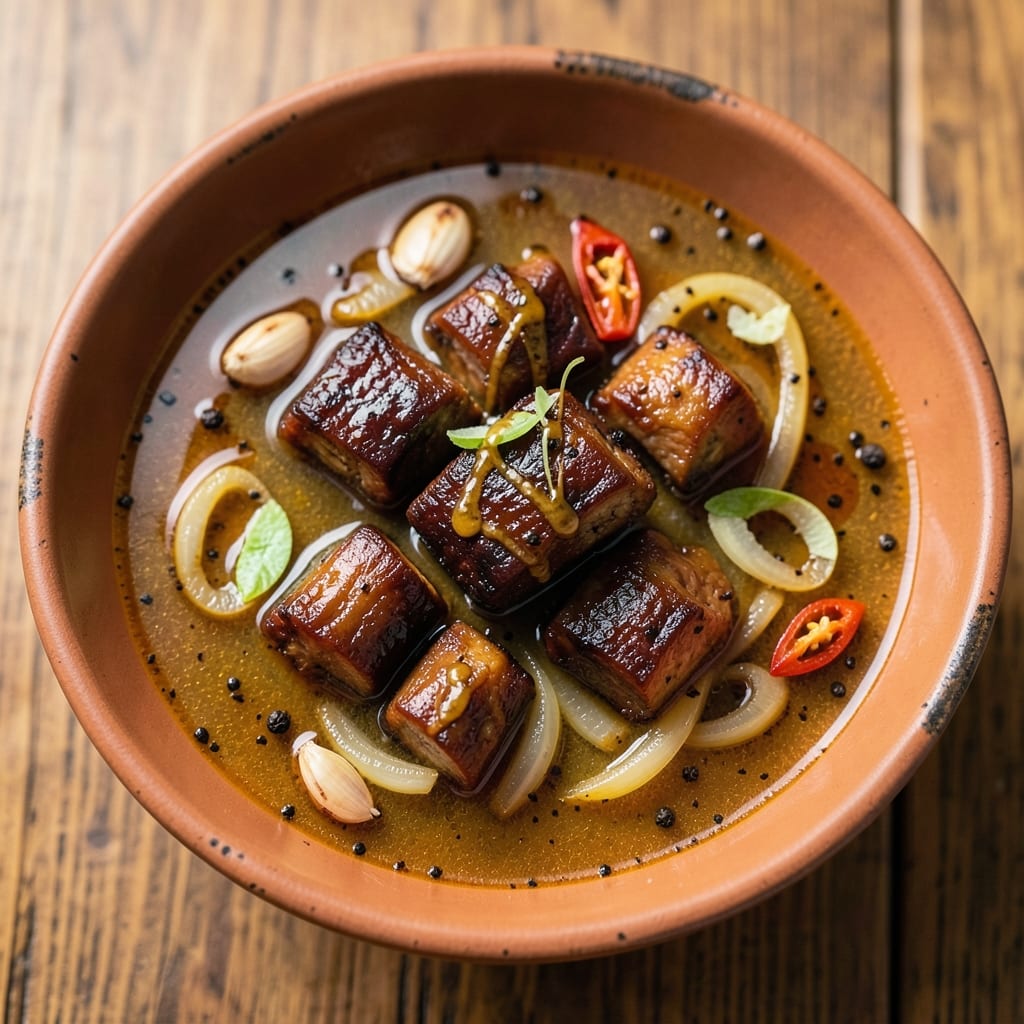
This African oxtail soup recipe transforms tough oxtail into melt-in-your-mouth tenderness through slow simmering, creating a broth so rich it tastes like a hug in a bowl. The secret lies in layering flavors—ginger, garlic, and thyme build depth while palm oil or Scotch bonnet adds a signature warmth that lingers on the palate. I've perfected this version after years of testing, ensuring every bite delivers that perfect balance of savory, spicy, and umami that defines West African cooking.
The magic happens over 6-8 hours of slow cooking, where collagen breaks down into gelatinous richness that coats every spoonful. Traditional techniques like browning the oxtail first develop a deep, caramelized crust that dissolves into the broth, while vegetables like carrots and cabbage absorb the flavors beautifully. What starts as a simple pot of bones and spices becomes a velvety, aromatic masterpiece that pairs perfectly with steamed rice or fried plantains.
What you'll achieve is restaurant-quality oxtail that falls apart at the touch of a fork, swimming in a glossy broth that's both hearty and elegant. The texture contrast between tender meat and crisp vegetables creates an experience that's impossible to resist. This isn't just soup—it's a celebration of slow cooking and bold flavors that transport you to the heart of African culinary tradition.
The beauty of this recipe lies in its versatility—adjust the heat level with Scotch bonnet, swap palm oil for vegetable oil, or add local greens for variation. Whether you're serving a family gathering or meal prepping for the week, this soup delivers satisfaction that lasts long after the last bite. Ready to create something truly special?
Ingredients for african oxtail soup
Six hours of simmering transforms tough oxtail into restaurant-quality melt-in-your-mouth richness.
| Ingredient | Amount | Notes |
|---|---|---|
| Oxtail 🦬 | 3 lb | Cut into 2-inch pieces |
| Palm Oil 🫒 | ½ cup | Or substitute vegetable oil |
| Yellow Onion 🧅 | 2 whole | Chopped into medium pieces |
| Fresh Ginger 🌿 | 2 tbsp | Grated, aromatic variety |
| Garlic Cloves 🧄 | 6 cloves | Minced, fresh preferred |
| Scotch Bonnet Pepper 🌶️ | 1 whole | Adjust for heat preference |
| Fresh Thyme 🌿 | ¼ cup | Stems removed, chopped |
| Carrots 🥕 | 4 medium | Peeled, cut into chunks |
| Cabbage 🥬 | ½ head | Green variety, chopped |
| Tomato Paste 🍅 | 2 tbsp | Smooth, no sugar added |
| Chicken Stock 💧 | 6 cups | Homemade or quality store-bought |
| Salt 🧂 | 2 tsp | Kosher or sea salt |
| Black Pepper 🌶️ | 1 tsp | Freshly ground preferred |
| Bay Leaves 🍃 | 2 whole | Dried, for depth of flavor |
| Fresh Parsley 🌿 | ¼ cup | Chopped, for garnish |
Oxtail is the star here, so look for well-marbled cuts at your local butcher or Costco—they usually carry it pre-cut. If you can't find oxtail, beef shank works in a pinch, though the flavor won't be identical. Palm oil gives that signature African depth, but vegetable or canola oil works if you're avoiding it. The Scotch bonnet pepper is non-negotiable for authentic heat—remove seeds for milder spice. For ginger, grab the freshest root you can find—the aromatic variety from Trader Joe's or your local Asian market has the best punch.
No palm oil? Vegetable or canola oil works fine, though the flavor will be slightly different. Short on Scotch bonnet? Habanero or jalapeño at half the amount gets you close. Fresh thyme is ideal, but dried works at one-third the amount. The tomato paste can be the squeeze tube kind—no waste, keeps for months. For the cabbage, green varieties like Savoy add texture, but red cabbage works too. If you're prepping ahead, chop all your vegetables the night before—saves time.
This soup tastes even better the next day as flavors meld. Store in the fridge for 4-5 days or freeze portions for 3 months. I always make double batches—leftovers reheat beautifully and make quick lunches. The broth reduces as it cools, so add a splash of water or stock when reheating. For serving, garnish with fresh parsley and a drizzle of the cooking oil—simple but impressive. Pair with steamed rice or plantains for the full experience.
Why You'll Love This Recipe
- Here’s what sold me: the second day is often better than the first. The oxtail gets even more tender, and the broth reduces into a deeper, more concentrated flavor. I freeze portions too—just thaw and reheat, and it’s like you made it fresh. Budget-friendly? Absolutely. Worth it? Always.
- One-Pot Magic: I swear by this recipe—just chop, simmer, and let the oxtail melt into rich, fall-off-the-bone goodness while the palm oil infuses that deep, nutty warmth. No fancy equipment, no stress, and honestly? The hardest part is waiting for it to cook.
- Rich Without Effort: That first spoonful of soup—where the ginger and garlic meet the tender oxtail—is where it all happens. The palm oil gives it a velvety sheen, while the onions caramelize into sweet, jammy bits. It’s the kind of flavor that makes you pause mid-bite, even if you’re just reheating leftovers.
- Crowd-Pleaser Any Day: Between us, this soup is my go-to for gatherings—whether it’s a Sunday family lunch or a last-minute dinner for friends. The oxtail’s hearty texture and the soup’s depth make it feel special, but it’s so unfussy that even my picky teenager doesn’t complain. (Yes, even on a Tuesday night.)
Step-by-step instructions for African oxtail soup
Let's create this rich, flavorful soup that transforms humble oxtail into a velvety masterpiece.
Brown the Oxtail for Maximum Flavor
Heat the 0.5 cup palm oil in a large, heavy pot over medium-high heat. Working in batches if needed, add the 3 lb oxtail cut into 2-inch pieces. Brown the meat on all sides for 3-4 minutes per batch until deeply golden. This step develops the rich, caramelized flavors that form the soup's foundation.
Don't rush this process - you want the oxtail to develop a deep brown crust. Once all pieces are browned, remove them from the pot and set aside. You'll notice the oil will darken significantly as the meat releases its natural juices and fats. This golden oil contains concentrated flavor that will infuse your soup.
Build the Flavor Base with Aromatics
In the same pot, reduce the heat to medium and add the 2 whole chopped yellow onions. Cook for 5-6 minutes until softened and translucent. Stir occasionally to prevent burning. Add the 2 tbsp grated fresh ginger and 6 minced garlic cloves, cooking for another 2 minutes until fragrant.
Here's where the magic happens: Add the 1 whole Scotch bonnet pepper (seeds removed if you prefer less heat) and 0.25 cup chopped fresh thyme. Cook for 1-2 minutes until the pepper softens slightly. The combination of these spices will create a complex flavor profile that's both aromatic and slightly spicy. This is your flavor bridge - where all the individual components come together.
Develop the Rich Broth
Stir in the 2 tbsp tomato paste and cook for 1 minute to remove its raw taste. Pour in the 6 cups chicken stock, scraping up any browned bits from the bottom of the pot. Return the oxtail to the pot along with the 2 tsp salt, 1 tsp black pepper, and 2 whole bay leaves. Bring the mixture to a gentle boil.
Once boiling, reduce heat to low and cover partially. Let the soup simmer for 2 hours, skimming off any foam that rises to the surface. This long simmering time is crucial - it breaks down the collagen in the oxtail, transforming it into tender, melt-in-your-mouth pieces while creating a rich, velvety broth. Check occasionally and add water if the liquid reduces too much.
Add Vegetables and Finish Cooking
After 2 hours of simmering, add the 4 peeled carrots cut into chunks and 0.5 head chopped cabbage. Return to a gentle simmer and cook for another 30-40 minutes until the vegetables are tender and the oxtail is fork-tender. The carrots should be soft when pierced with a fork, and the cabbage leaves should be easily cut with a spoon.
Taste the broth and adjust seasoning if needed. The soup should be rich and flavorful, with a balance of umami from the oxtail and bright notes from the vegetables. The Scotch bonnet pepper should add a subtle heat that lingers without overpowering. If the soup is too thick, add a bit more chicken stock to reach your desired consistency.
Serve with Fresh Herbs
Remove the 2 whole bay leaves before serving. Ladle the hot soup into bowls and garnish with 0.25 cup chopped fresh parsley. The parsley not only adds freshness but also provides a beautiful contrast to the deep colors of the soup. Serve immediately with crusty bread or steamed rice to soak up the rich broth.
This African oxtail soup is best enjoyed fresh when all the flavors are at their peak. The combination of tender oxtail, hearty vegetables, and aromatic spices creates a comforting dish that's perfect for cold weather or any time you crave something deeply satisfying. The slow cooking process ensures every bite is packed with flavor and texture.
Pro Tips For Making African Oxtail Soup
- BLANCH OXTAL FIRST: Skip the raw oxtail straight into the pot—blanch it for 10 minutes in boiling salted water first. This removes blood and impurities, so your soup stays clear and rich instead of murky. I learned this the hard way after making a soup so dark it looked like ink.
- TOAST GINGER AND GARLIC: Don’t just chop and toss—fry the ginger and garlic in palm oil until they’re golden and fragrant. The extra step deepens their flavor and cuts through the richness of the oxtail. Sounds weird, but it works: your soup will taste more complex.
- LOW AND SLOW IS NON-NEGOTIABLE: Cover the pot and simmer at the gentlest bubble possible—no rushing, no high heat. Oxtail needs 3-4 hours to fall off the bone, and rushing turns it chewy. I know, I know, but trust the process—your future self will thank you.
- SKIP THE PRE-CUT OXTAL: Buy whole oxtails and cut them yourself—it’s worth the 15 minutes. Pre-cut pieces often lose flavor and texture from handling. If you’re short on time, at least ask for the bone-in sections; they add depth to the broth.
Storing and reheating this dish
Fridge Storage Secrets
Let your soup cool to room temperature for 1 hour before transferring to airtight containers—I use glass Pyrex with snap-on lids for best results. Store in the refrigerator at 40°F or below for up to 4-5 days. The flavors actually deepen overnight as the spices meld together beautifully. Honestly, this is my favorite way to enjoy it—warm and comforting the next day. 💛
Freezer Prep Tips
For long-term storage, freeze portions in quart-sized freezer bags or airtight containers, leaving 1 inch of headspace for expansion. Label with the date—this soup stays delicious for up to 3 months. I like to freeze individual servings so I can reheat just what I need. The broth reduces as it cools, so add a splash of water or stock when reheating to restore consistency.
Stovetop Reheating
My preferred method is stovetop reheating because it preserves the best texture. Pour the chilled soup into a heavy-bottomed pot and heat over medium-low heat for 10-15 minutes, stirring occasionally. If it looks too thick, add ¼ cup water or chicken stock to loosen it up. Taste and adjust seasoning—you might need a pinch more salt after reheating. The gentle heat brings back all those rich, umami flavors. ✨
Microwave Shortcuts
For quick lunches, transfer a single serving to a microwave-safe bowl and cover with a damp paper towel. Heat on 70% power for 2-3 minutes, stir well, then continue in 30-second intervals until reaching 165°F. Add a splash of water if it seems dry. This method works in a pinch, though stovetop reheating gives the best results for texture.
Broth Boosting
If your reheated soup tastes a bit flat, revive it by adding 1 tsp palm oil or vegetable oil and a pinch of fresh thyme while warming. The oil carries the aromatic flavors, making each spoonful more vibrant. I also like to finish with a squeeze of fresh lemon juice—just ½ tsp brightens up the whole dish. This little trick makes reheated soup taste almost as good as fresh!
Serving Suggestions
Garnish your reheated soup with fresh parsley and a drizzle of the cooking oil before serving. For extra richness, top with toasted plantain slices or crispy fried onions. The contrast of textures and temperatures makes every bite exciting. Pair with steamed rice or crusty bread to soak up that delicious broth. Trust me, your kitchen will smell amazing! 🌟
Nutrition facts
Frequently asked questions
Why does African oxtail soup need such a long cooking time?
The 6-8 hour simmer is essential to break down the collagen in oxtail, transforming tough connective tissue into tender, melt-in-your-mouth pieces. This slow process also creates a rich, velvety broth that's the heart of the dish. Think of it as a flavor infusion—every hour deepens the umami and complexity.
Can I substitute Scotch bonnet pepper with something milder?
For a milder heat, use ½ of a jalapeño or habanero pepper instead of the whole Scotch bonnet. If you prefer no heat at all, simply omit it—the soup will still be flavorful, just without the spicy kick. The ginger and thyme will carry the aromatic profile beautifully.
What if my oxtail isn't tender after cooking?
If the oxtail remains tough, it likely didn't simmer long enough. Try extending the cooking time by another 1-2 hours on low heat. For extra tenderness, add ½ cup apple cider vinegar during the last 30 minutes of cooking—it helps break down collagen. Also ensure you're using a heavy pot to maintain even heat.
How can I make this soup spicier without Scotch bonnet?
For added heat, stir in ½ tsp cayenne pepper or 1 tsp gochujang (Korean chili paste) during the final 30 minutes of simmering. You can also add 1-2 slices of fresh chili pepper (like serrano) while browning the oxtail. For smoky depth, a pinch of smoked paprika works wonders too.
What's the best way to serve this soup for a crowd?
For large gatherings, prepare the soup ahead and reheat in batches. Serve in a chafing dish or slow cooker to keep it warm. Pair with steamed jasmine rice or fried plantains for a complete meal. Garnish with fresh parsley and a drizzle of the cooking oil right before serving to keep everything fresh and vibrant.