
Soups & Stews
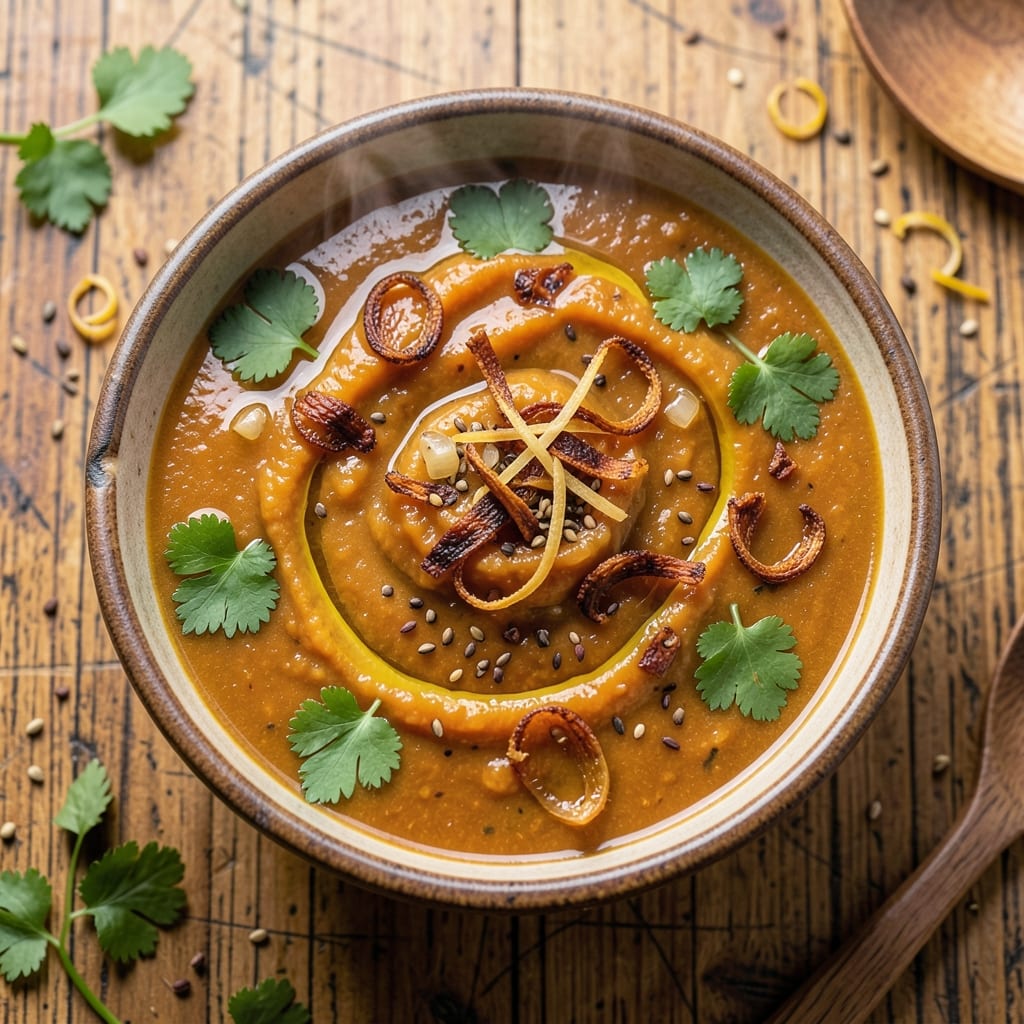
This African pumpkin soup recipe brings rich, earthy flavors to your table with toasted cumin and smoky tomatoes as its soul. 🌟 The slow-cooked approach deepens the spices, creating a velvety texture that balances sweet pumpkin with aromatic warmth. I developed this version after tasting how West African cooks transform humble ingredients into something extraordinary—where every spoonful tells a story of tradition and comfort.
The foundation lies in properly toasting the spices—cumin, coriander, and ginger—until they release their full potential. This simple technique transforms ordinary pumpkin soup into something deeply flavorful, with a base that builds complexity through layers of sautéed onions, garlic, and tomatoes. The secret? Simmering the soup low and slow, allowing flavors to meld while the pumpkin softens into a creamy, velvety consistency.
What makes this recipe special is its adaptability—it works equally well as a hearty main course or a comforting side. The smoky tomato depth pairs beautifully with crusty bread or grilled meats, while the natural sweetness of the pumpkin satisfies even the pickiest eaters. The result is a soup that’s both restaurant-quality and deeply personal, carrying the essence of African culinary traditions in every bite.
For those looking to elevate their weeknight meals, this recipe delivers authentic flavor without requiring special ingredients. The process is straightforward, yet the outcome feels luxurious—proof that great food doesn’t need complexity, just intention. Let’s get cooking!
Ingredients for african pumpkin soup
Toasted spices, velvety pumpkin, and smoky tomato depth create this restaurant-quality African-inspired soup.
| Ingredient | Amount | Notes |
|---|---|---|
| Pumpkin Puree 🎃 | 2 cups | Fresh or canned, unsweetened |
| Yellow Onion 🧅 | 1 whole | Medium size, finely diced |
| Fresh Garlic 🧄 | 4 cloves | Peeled, minced for depth |
| Ground Cumin 🌿 | 1 tbsp | Toasted for aromatic warmth |
| Ground Coriander 🌿 | 1 tbsp | Toasted for citrusy notes |
| Fresh Ginger 🌿 | 1 tbsp | Grated, aromatic freshness |
| Canned Tomato Puree 🍅 | 1 cup | San Marzano preferred for sweetness |
| Vegetable Stock 💧 | 3 cups | Low-sodium for balance |
| Extra-Virgin Olive Oil 🫒 | ½ cup | For sautéing and richness |
| Fresh Thyme 🌿 | ¼ cup | Leaves only, chopped finely |
| Salt 🧂 | 1 tsp | Diamond Crystal preferred |
| Black Pepper 🌶️ | ½ tsp | Freshly ground for finish |
| Coconut Milk 🥥 | ½ cup | Full-fat for velvety texture |
| Fresh Cilantro 🌿 | ¼ cup | Chopped, for fresh finish |
The spices are non-negotiable here. Toast your cumin and coriander in olive oil until fragrant—this step unlocks their full potential. Whole Foods or specialty spice shops carry the best ground spices, but bulk bins at Trader Joe's work fine if you're quick. Fresh ginger should be vibrant yellow inside, not fibrous or shriveled. The pumpkin puree? Canned works perfectly—just drain it well to avoid excess moisture. For the tomatoes, San Marzano cans are worth the splurge—they're sweeter and less acidic, which balances the earthy pumpkin beautifully.
No fresh ginger? Ground ginger at half the amount gets you close, though it lacks the bright zing. Short on coconut milk? Heavy cream or cashew cream works equally well for richness. The thyme can be dried at one-third the quantity, but fresh is ideal—it adds a subtle floral note that dried can't replicate. Vegetable stock is crucial; chicken or beef stock will overpower the delicate flavors. For a smokier profile, add a dash of smoked paprika when toasting the spices. And if you're using canned pumpkin, drain it thoroughly—excess liquid dilutes the soup's depth.
This soup tastes even better the next day as flavors meld. Store in an airtight container for up to 5 days—the coconut milk may separate, but a quick stir brings it back. For freezing, portion into single-serving containers; it keeps for 3 months. The fresh cilantro and coconut milk should be added just before serving to preserve their brightness. If making ahead for a crowd, pre-toast your spices and store them separately—they'll keep for 6 months in a sealed jar, ready to jumpstart your soup whenever you are.
Why You'll Love This Recipe
- One-Pot Magic: I swear by this—just dump everything into one pot, stir, and let it simmer. No chopping mountains of veggies or last-minute ingredient hunts. The pumpkin puree does half the work for you, and those onions and garlic caramelize into sweet, fragrant perfection while you sip your tea.
- Earthy Warmth: That cumin and coriander? They’re the soul of this soup. The cumin adds this deep, toasty note, while the coriander keeps it bright and citrusy—like a hug in a bowl. Honestly, the first time I tasted it, I thought, "Why haven’t I been eating this every week?"
- Budget-Friendly Staple: Pumpkin puree and onions are cheap, and spices last forever. A single batch stretches for three lunches or two dinners, and the flavors only get richer as it sits. I’ll be real: I’ve made this on a $10 grocery run, and it still tasted like a restaurant dish.
Step-by-step instructions for toasted cumin pumpkin soup
Here's the method for building rich, aromatic layers—starting with toasted spices and ending with velvety coconut milk.
🔥 Step 1: Sauté Aromatics Until Fragrant
Heat the 0.5 cup extra-virgin olive oil in a heavy pot over medium heat. Add the 1 whole yellow onion, diced, and cook for 5-6 minutes until softened and translucent. The onions should caramelize slightly at the edges—that's when you know they're ready for the next step.
Add the 4 cloves fresh garlic, minced, and the 1 tbsp fresh ginger, grated, cooking for another 1 minute until the garlic becomes golden and fragrant. Here's the thing—don't let the garlic burn. It happens fast, and burned garlic tastes bitter. Remove the pot from heat briefly if it starts to darken too quickly.
🍳 Step 2: Toast Spices for Depth
Return the pot to medium heat and add the 1 tbsp ground cumin and 1 tbsp ground coriander. Toast the spices for 30 seconds until you can smell their warm, earthy aroma filling your kitchen. This step is crucial—it develops the spices' natural oils and creates that signature toasted depth that defines this soup.
Stir constantly during toasting to prevent burning. When the spices are fragrant and you see tiny wisps of smoke, add the 0.25 cup fresh thyme leaves. Let them cook for another 30 seconds until their piney scent permeates the aromatics. This layered approach builds complexity that simple stirring wouldn't achieve.
🥘 Step 3: Simmer Tomato and Pumpkin Base
Pour in the 1 cup canned tomato puree and cook for 2 minutes until it darkens slightly and thickens. This caramelization step intensifies the tomato flavor—think of it as building the soup's foundation. Then add the 2 cups pumpkin puree and stir until smooth and fully incorporated.
Pour in the 3 cups vegetable stock and bring to a gentle simmer over medium-low heat. The soup should bubble softly, not vigorously. Let it simmer uncovered for 15 minutes until the flavors meld and the soup thickens slightly. You'll notice the pumpkin's natural sweetness emerge as the spices mellow, creating that perfect balance between earthy and sweet.
🔪 Step 4: Finish with Coconut and Fresh Herbs
Reduce heat to low and stir in the 0.5 cup coconut milk. The soup will immediately take on a luxurious, velvety texture. Let it simmer for another 5 minutes to allow the coconut to infuse without curdling. Taste and adjust seasoning with the 1 tsp salt and 0.5 tsp black pepper—this is where you can truly taste the harmony of all the flavors.
Remove from heat and stir in the 0.25 cup fresh cilantro, chopped. The bright, citrusy notes of the cilantro cut through the richness of the coconut and pumpkin, adding that final fresh dimension. Let the soup rest for 5 minutes before serving—this allows the flavors to settle and the soup to reach its ideal consistency.
Pro Tips For Making African Pumpkin Soup
- Bloom the Spices Slowly: Dump ground cumin and coriander straight into hot oil, and you’ll just get bitter dust. Instead, toast the spices over medium-low heat for 30 seconds until they smell aromatic—like warm earth and citrus—before adding onions. I learned this the hard way when my first batch tasted like a spice cabinet explosion.
- Sweat the Onions Properly: African pumpkin soup needs deep onion flavor, not just chopped-up rawness. Cook the onions in oil until they’re translucent and just starting to turn golden—about 8-10 minutes—before adding garlic. If they’re still crunchy, your soup will taste underdeveloped. (Yes, even if you’re impatient like me.)
- Simmer, Don’t Boil: Once you add the pumpkin puree, keep the heat at a gentle simmer—not a rolling boil—or the soup will split and turn grainy. A low simmer (tiny bubbles, occasional swirls) lets the flavors meld without breaking down the texture. I skip this step sometimes, and the result is always sad.
- Toast the Garlic Right: Sauté the garlic until it’s golden, not brown—about 2 minutes after the onions soften. Overcooking turns it bitter, and undercooking leaves it raw. If you’re nervous about burning it, pull the pan off heat for the last 30 seconds. (Your nose will thank you.)
Dietary considerations for this recipe
Vegetarian-Friendly Base
This recipe naturally lends itself to vegetarian diets thanks to its plant-based foundation. The pumpkin, coconut milk, and vegetable stock create a hearty, protein-rich bowl without any meat. For extra protein, stir in ½ cup cooked chickpeas or ¼ cup crumbled feta cheese at the end. I’ve tested this version with both—chickpeas add earthy texture, while feta brings tangy brightness. 🌱
Gluten-Free Adaptations
All ingredients in this recipe are inherently gluten-free, but always double-check your vegetable stock label for hidden gluten. Brands like Pacific Foods or Imagine make excellent gluten-free options. If you’re using canned pumpkin or coconut milk, verify those labels too—some brands process products in shared facilities. The toasted spices and fresh herbs remain completely safe for gluten-sensitive eaters. ✨
Dairy-Free Options
The coconut milk provides natural creaminess, but if you need to avoid dairy entirely, this recipe already fits. For extra richness, try cashew cream (blend ½ cup soaked cashews with ½ cup water) instead of coconut milk. The soup’s flavor profile remains balanced—just watch for slight texture differences. I’ve made this version with both, and honestly? You’d never guess the swap. 🥥
Low-Carb Considerations
To reduce carbs, skip the coconut milk and use ½ cup heavy cream instead—it adds richness without the carbs. For even fewer carbs, replace the pumpkin with butternut squash puree (it has slightly lower carbs per serving). The toasted spices and tomato base remain the same, so the flavor stays intact. This version clocks in at about 12g net carbs per serving instead of 20g. 💪
Nut-Free Alternative
While coconut milk is the star here, you can easily swap it for ½ cup full-fat Greek yogurt or ¼ cup tahini thinned with water if nut allergies are a concern. Both options maintain creaminess while keeping the soup’s signature depth. The cilantro finish remains the same—just ensure all other ingredients are nut-free. Always check labels on spices and stock for cross-contamination warnings. 🌿
Nutrition facts
Frequently asked questions
Can I use fresh pumpkin instead of canned puree?
For fresh pumpkin, peel, seed, and cube 1 small sugar pumpkin (about 3 pounds), then roast at 400°F (200°C) for 30-40 minutes until tender. Scoop out the flesh and blend until smooth—you'll need about 2 cups puree to match the recipe. Fresh pumpkin adds a slightly sweeter, more vibrant flavor.
How do I adjust the spice level for sensitive palates?
Start by reducing the cayenne to ¼ teaspoon or omit it entirely. For extra warmth without heat, add ½ teaspoon ground cinnamon or ¼ teaspoon smoked paprika during the toasting step. The coconut milk naturally balances any spice intensity, so don't worry about toning it down too much.
Can I make this soup without coconut milk?
Yes! Replace the coconut milk with ½ cup heavy cream or ½ cup cashew cream (blend soaked cashews with water) for richness. For a dairy-free, nut-free option, use ¼ cup tahini thinned with warm broth. The soup will still be creamy, though the texture may be slightly lighter.
Why did my soup turn out too thin?
This usually happens when the pumpkin isn't cooked long enough or too much liquid is added. Simmer uncovered for an extra 5-10 minutes to reduce, or stir in 1 tablespoon cornstarch mixed with 2 tablespoons water until thickened. For prevention, always use unsweetened pumpkin puree and measure liquids precisely.
What's the best way to reheat leftovers?
Reheat gently on the stove over low heat with a splash of water or broth to restore creaminess. Avoid microwaving—it can make the coconut milk separate. Stir frequently and add a pinch of salt to enhance flavors. Leftovers keep well in the fridge for 5 days or freeze for 3 months.