
Soups & Stews
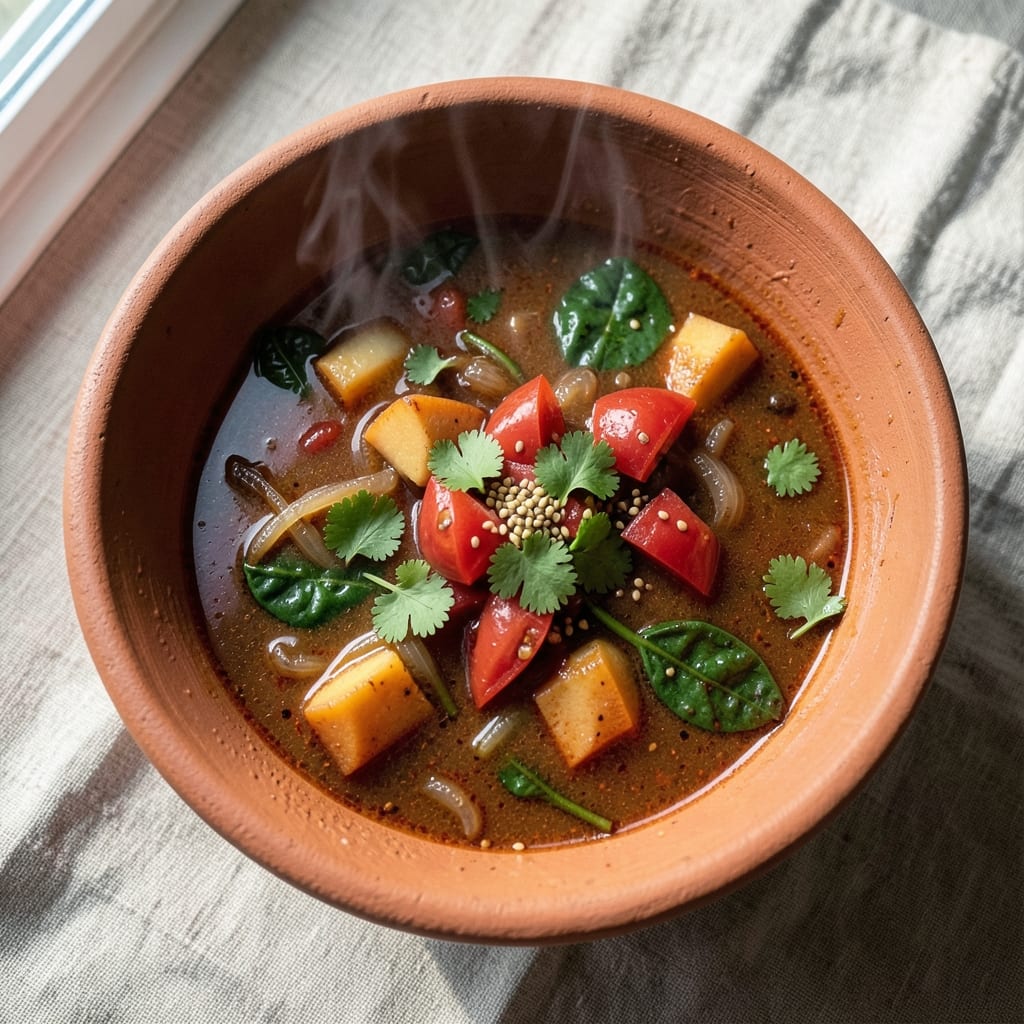
This African vegetable soup recipe brings the vibrant flavors of West Africa to your kitchen with a hearty blend of leafy greens, earthy spices, and creamy peanut undertones. The slow simmering process unlocks deep, complex flavors that transform simple ingredients into something truly special—perfect for a comforting meal that feels both nostalgic and fresh. I developed this recipe after years of experimenting with regional variations, balancing traditional techniques with modern convenience.
The magic lies in the layered flavors: smoky peanut butter, aromatic tomatoes, and a medley of greens like spinach or collards create a rich, velvety broth that’s both satisfying and nutritious. Unlike many quick soups, this one rewards patience—simmering for at least 45 minutes allows the spices to meld and the vegetables to soften just enough to release their natural sweetness. The result is a soup that’s deeply flavorful yet balanced, with a subtle tang from tomatoes and a creamy texture from the peanut base.
What makes this recipe stand out is its versatility—it’s hearty enough for a main dish but light enough for a side, and it adapts easily to dietary preferences. You can make it vegan by using vegetable broth and skipping the optional chicken, or add protein like chickpeas or tofu for extra substance. The aroma alone will draw everyone to the table, and the first spoonful delivers a symphony of flavors that’s impossible to resist.
Serve it with crusty bread or steamed rice to soak up every last drop of that fragrant broth. This soup isn’t just a meal—it’s a celebration of African culinary tradition, brought to life in your own kitchen. Let’s get cooking!
Ingredients for african vegetable soup
Sixteen ingredients blend earthy spices, leafy greens, and creamy peanut richness for a soul-warming African vegetable soup.
| Ingredient | Amount | Notes |
|---|---|---|
| Vegetable Oil 🫒 | ¼ cup | For sautéing onions and garlic |
| Yellow Onion 🧅 | 1 whole | Diced into small pieces |
| Garlic Cloves 🧄 | 4 cloves | Minced for aromatic base |
| Fresh Ginger 🌿 | 1 inch | Peeled and finely chopped |
| Smoked Paprika 🌶️ | 2 tsp | For smoky depth |
| Ground Cumin 🌿 | 1 tsp | Toasted for warmth |
| Ground Coriander 🍃 | 1 tsp | Adds citrusy brightness |
| Dried Thyme 🌿 | ½ tsp | Or 1 tsp fresh thyme |
| Vegetable Broth 💧 | 4 cups | Low-sodium preferred |
| Canned Diced Tomatoes 🍅 | 1 14.5 oz can | San Marzano preferred |
| Sweet Potato 🍠 | 1 lb | Peeled and cubed |
| Carrots 🥕 | 3 medium | Peeled and sliced |
| Spinach or Collard Greens 🌿 | 4 cups | Chopped, packed |
| Peanut Butter 🥜 | ½ cup | Natural, unsweetened |
| Coconut Milk 🥥 | ½ cup | Full-fat for creaminess |
| Lemon Juice 🍋 | 1 tbsp | Freshly squeezed |
| Salt 🧂 | 1 tsp | Adjust to taste |
| Black Pepper 🌶️ | ½ tsp | Freshly ground |
The peanut butter is the secret weapon here—natural, unsweetened is non-negotiable for authentic flavor. Trader Joe's and Whole Foods carry excellent options, or grab a jar from the international aisle at your local grocery store. Look for a brand with just peanuts and maybe a touch of salt—no oils or sweeteners. The leafy greens should be vibrant, not wilted; spinach is easiest to find, but collards or kale work beautifully too. For the broth, low-sodium vegetable broth keeps the flavors balanced without adding extra salt. If you can't find San Marzano tomatoes, any high-quality diced tomatoes will do—just drain them well to avoid excess liquid.
No peanut butter? Cashew butter or tahini works in a pinch, though the flavor will shift slightly. Swap smoked paprika for a pinch of cayenne if you want more heat, but the smokiness is key to that African profile. The ginger and garlic are non-negotiable—they build the aromatic base that carries the whole dish. If you're using dried thyme, toast the spices in the oil for 30 seconds before adding the onions to deepen their flavor. For the greens, baby spinach wilts faster than chopped collards, so add it later if you're mixing types. The coconut milk adds richness, but Greek yogurt or cashew cream can substitute if you're avoiding dairy.
This soup tastes even better the next day as the flavors meld. Store in an airtight container in the fridge for up to 5 days, or freeze portions for 3 months. The peanut butter and coconut milk may separate when refrigerated—just stir vigorously before reheating. For meal prep, double the batch and freeze half. Reheat gently on the stove with a splash of broth to restore creaminess. The aroma alone will make your kitchen smell like a West African market—trust me, it's worth the wait.
Why You'll Love This Recipe
- I swear by this trick: just dice the onion and ginger roughly—no need for perfect cubes. The garlic gets a quick smash with the flat side of my knife, and the smoked paprika? That’s the secret weapon that adds depth without extra work.
- Minimal Chopping Required: I swear by this trick: just dice the onion and ginger roughly—no need for perfect cubes. The garlic gets a quick smash with the flat side of my knife, and the smoked paprika? That’s the secret weapon that adds depth without extra work.
- Smoky Depth in Minutes: That smoked paprika isn’t just flavor—it’s magic. A single teaspoon, toasted in the oil with the onions, turns this soup into something rich and complex. Honestly, it’s the kind of taste that makes you pause mid-bite.
- Weeknight to Potluck Hero: This soup doubles as a cozy weeknight meal or a crowd-pleaser for gatherings. Serve it with crusty bread for dinner, or pack it in jars for a potluck—it reheats beautifully and always gets rave reviews.
Step-by-step instructions for African vegetable soup
Here's how to create a rich, spiced vegetable soup with West African roots.
Build the Spice Base
Heat the 0.25 cup vegetable oil in a large pot over medium heat. Add the 1 whole yellow onion and cook for 5-6 minutes until softened and translucent. This is your flavor foundation—don't rush this step or the onions will burn.
Add the 4 cloves minced garlic, 1 inch peeled and chopped fresh ginger, 2 teaspoons smoked paprika, 1 teaspoon ground cumin, 1 teaspoon ground coriander, and 0.5 teaspoon dried thyme. Stir continuously for 1-2 minutes until the spices release their aromatic oils and the mixture smells deeply fragrant. You'll see the spices darken slightly—that's when you know they're ready to work their magic.
Develop the Flavor Base
Pour in the 4 cups vegetable broth and add the 1 14.5 oz can diced tomatoes. Bring to a gentle boil, then reduce heat to medium-low and let it simmer uncovered for 10 minutes. This allows the flavors to meld together and develop complexity.
While it simmers, peel and cube the 1 lb sweet potato into 1-inch pieces, and peel and slice the 3 medium carrots into ¼-inch rounds. Add these to the pot and cook for another 10 minutes until the sweet potatoes begin to soften but aren't fully tender. The carrots should be just starting to soften at their edges—this ensures they'll cook through without becoming mushy.
Thicken and Finish the Soup
Reduce heat to low and stir in the 0.5 cup peanut butter and 0.5 cup coconut milk. The peanut butter will create a beautiful, velvety texture while adding depth of flavor. Let the soup simmer gently for 5 minutes to allow the peanut butter to fully incorporate and create a smooth consistency.
Add the 1 tablespoon lemon juice, 1 teaspoon salt, and 0.5 teaspoon black pepper. Taste and adjust seasoning—this is where you can fine-tune the balance between the earthy spices, sweet vegetables, and tangy finish. The soup should be rich but not overpowering.
Add the Leafy Greens
Stir in the 4 cups chopped spinach or collard greens. Cook for 3-4 minutes until the greens are just wilted but still vibrant. Overcooking will turn them bitter, so keep an eye on them. The greens should brighten the soup with their freshness while absorbing all the rich flavors from the base.
Remove from heat and let the soup rest for 5 minutes before serving. This allows the flavors to settle and the soup to reach its perfect consistency. Serve warm with crusty bread or steamed rice to soak up every last drop of this comforting, flavorful vegetable soup.
Pro Tips For Making African Vegetable Soup
- Sweat the Onions Low: I learned this the hard way—if you blast those onions on high heat, they’ll burn before they soften, and your soup’s base will taste bitter. Keep the flame at medium-low and let them cook for 8-10 minutes until they’re translucent and just starting to caramelize. That’s when the garlic and ginger should join the party.
- Grate the Ginger Fine: Sounds weird, but it works: using a microplane or the smallest holes on a box grater for fresh ginger means it blends seamlessly into the soup instead of lurking as chunks. Skip the knife-mincing—you’ll taste the difference in every spoonful.
- Bloom the Paprika: Don’t just toss smoked paprika into the pot like it’s an afterthought. Heat it in the oil for 30 seconds first—this releases its aroma and prevents it from clumping. My grandmother swore by this, and she was right: the soup’s depth of flavor jumps when you do this.
- Simmer, Don’t Boil: After adding your vegetables and broth, keep the heat at a gentle simmer (tiny bubbles, not a rolling boil). Boiling can turn the soup watery and make the vegetables mushy. A steady simmer for 20-25 minutes lets the flavors meld without falling apart—your future self will thank you.
Pro cooking tips for african vegetable soup
Spice Toasting Secrets
The key to unlocking deep, aromatic flavors starts with toasting your spices in the oil. Heat your 0.25 cup vegetable oil over medium heat until shimmering, then add the 2 tsp smoked paprika, 1 tsp cumin, and 1 tsp coriander. Toast for 30-45 seconds until the spices darken slightly and release their fragrant oils—this builds complexity that raw spices can't match. I use a light-colored pot so I can see when they're ready (they'll turn a deeper golden color). 🌶️
Peanut Butter Magic
Don't skip the 5-minute simmer after adding the 0.5 cup peanut butter. This crucial step allows the peanut butter to fully emulsify with the coconut milk, creating that signature velvety texture. For extra smoothness, I blend the peanut butter with 2 tbsp hot broth first using an immersion blender before adding it to the pot. This prevents clumping and ensures a silky finish.
Vegetable Timing
Add your sweet potatoes and carrots together—they cook at similar rates. The sweet potatoes should be fork-tender but not falling apart, while the carrots should soften just enough to release their natural sweetness. If using collard greens instead of spinach, add them 2 minutes earlier since they're more fibrous and take longer to wilt. 🥕
Broth Reduction
Let the broth reduce by 20-25% during the initial 10-minute simmer—this concentrates the flavors dramatically. If your broth reduces too quickly, add ½ cup water to maintain the right consistency. I use a stainless steel pot because it conducts heat evenly and prevents scorching at the bottom.
Acid Balance
The 1 tbsp lemon juice is your flavor balancer—it brightens the rich peanut and coconut notes while cutting through any heaviness. Taste before adding it, then adjust to preference. For extra tang, I sometimes add ½ tsp apple cider vinegar along with the lemon juice. The acid also helps preserve the vibrant green color of your leafy vegetables. 🍋
Resting Matters
Never skip the 5-minute rest before serving. This allows the flavors to meld completely and the soup to reach its ideal consistency. During this time, the peanut butter and coconut milk fully integrate, creating that luxurious mouthfeel. I cover the pot loosely with a lid to retain heat while letting any excess steam escape—this prevents the soup from becoming watery when reheated later.
Nutrition facts
Frequently asked questions
Can I make this African vegetable soup without peanut butter?
For a nut-free version, substitute the 0.5 cup peanut butter with 0.5 cup cashew butter or 0.3 cup tahini for a similar creamy texture. The flavor will shift slightly but still deliver that rich, velvety quality. If you're avoiding all nuts, blend 1 cup cooked white beans with 2 tbsp broth for a protein-packed alternative.
How can I adjust this recipe for a spicier flavor? Add ½ teaspoon cayenne pepper or 1 teaspoon red pepper flakes when toasting the spices for immediate heat. For deeper spice, include 1-2 chopped scotch bonnet peppers (seeds removed for less heat) with the onions.
What's the best way to store leftovers?
Store in an airtight container in the fridge for up to 5 days. The peanut butter may separate—just stir vigorously before reheating. For freezing, portion into containers and freeze for 3 months. Thaw overnight in the fridge, then reheat gently on the stove with a splash of broth to restore creaminess.
Can I use frozen vegetables instead of fresh?
Yes! Use 1 cup frozen chopped vegetables (like mixed carrots and sweet potatoes) instead of fresh. Add them with the fresh vegetables during the 10-minute simmer—they'll cook through perfectly. For greens, frozen spinach works too, but drain it well first to avoid watering down the soup.
Why does my soup taste too bitter?
Overcooked greens or burnt spices are usually the culprits. For next time, add leafy greens only in the last 3-4 minutes of cooking. If the soup tastes bitter now, balance it with 1 extra tablespoon lemon juice or ½ teaspoon sugar to counteract the bitterness. A splash of coconut milk can also help smooth out harsh flavors.