
Soups & Stews
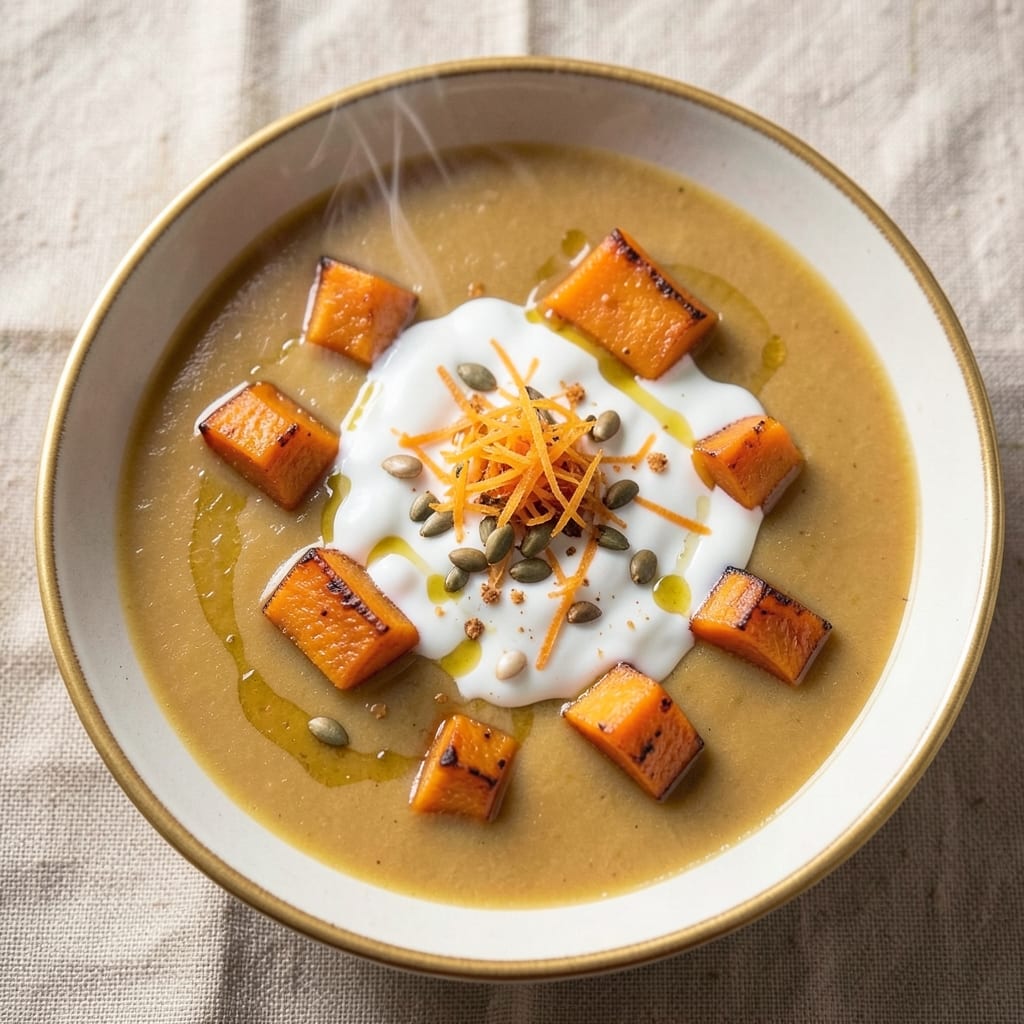
This AIP butternut squash soup delivers creamy, immune-boosting comfort without dairy or spices—just roasted sweetness and healing fats. The secret lies in slow-roasting the squash until tender, then blending with coconut milk for velvety texture and anti-inflammatory benefits. Every spoonful packs nutrient-dense flavor while staying strictly compliant with the Autoimmune Protocol.
What makes this recipe work is the balance of simple techniques: roasting deepens the squash's natural sweetness, while coconut oil adds healthy fats that enhance absorption of vitamins A and C. No blender? A food mill works just as well for that signature smooth consistency. The result is a soup so nourishing it feels like medicine—but tastes like a hug in a bowl.
By the time you're done, you'll have a pot of golden, aromatic soup with a velvety mouthfeel and subtle caramelized notes from the roasted squash. The coconut milk creates natural creaminess without dairy, while sea salt and fresh herbs (if tolerated) add bright, clean finishes. This is the kind of soup that warms you from the inside out while supporting gut health.
Perfect for meal prep or serving immediately, this recipe scales easily for crowds. Store leftovers in the fridge for up to 5 days or freeze for longer shelf life. The flavor actually improves overnight as the ingredients meld together—proof that simple, whole-food cooking can create restaurant-quality results at home.
Ingredients for aip butternut squash soup
Eight whole-food ingredients create this velvety AIP-compliant soup packed with healing fats and immune-boosting nutrients.
| Ingredient | Amount | Notes |
|---|---|---|
| Medium Butternut Squash 🎃 | 2 lb | Peeled, seeded, cubed |
| Extra-Virgin Coconut Oil 🫒 | ½ cup | Unrefined, for roasting |
| Full-Fat Coconut Milk 🥥 | 13 ½ oz | Canned, unsweetened |
| Fresh Ginger Root 🌿 | 2 tbsp | Grated, organic preferred |
| Sea Salt 🧂 | 1 tsp | Fine grain, unrefined |
| Garlic Cloves 🧄 | 3 cloves | Peeled, AIP-compliant |
| Fresh Cilantro Leaves 🌱 | ¼ cup | Optional, if tolerated |
| Fresh Thyme Leaves 🌿 | ¼ tsp | Optional, if tolerated |
| Filtered Water 💧 | 2 cups | For blending consistency |
| Avocado Oil 🫒 | 1 tbsp | For drizzling, optional |
The butternut squash is the star here. Look for organic squash with smooth skin and vibrant orange flesh—avoid any with soft spots or bruising. Costco or local farmers markets often have the freshest, most flavorful varieties. For roasting, cut the squash in half lengthwise, scoop out the seeds, and slice into even cubes. The flesh should be tender enough to mash easily with a fork after roasting. If you're prepping ahead, store unpeeled squash in a cool, dark place for up to 2 weeks—peeled squash keeps for 5 days in the fridge.
No coconut milk on hand? Full-fat coconut cream works in a pinch, though it's thicker. Substitute with 1 cup coconut cream plus 1/2 cup water for similar texture. Fresh ginger is ideal, but if you must use dried, reduce to 1/4 teaspoon and toast it first for depth. The garlic should be fresh—pre-minced garlic from jars lacks flavor. For the herbs, cilantro and thyme are optional but add brightness; if you're strictly AIP, omit them entirely. The avocado oil drizzle is optional but recommended for extra healthy fats and a silky finish.
Roasted squash keeps for 5 days in the fridge—make extra for easy lunches. The blended soup stores beautifully for 4-5 days in an airtight container, though the texture may separate slightly. For longer storage, freeze in 1-cup portions for up to 3 months. When reheating, add a splash of water or coconut milk to restore creaminess. This soup actually tastes better the next day as the flavors meld together—proof that simple, whole-food cooking delivers restaurant-quality results at home.
Why You'll Love This Recipe
- No-Cook Prep: I peel and cube the squash while watching TV—no chopping skills required. The roasting does all the work while I sip my morning coffee, leaving me with just blending and simmering later.
- Velvet Ginger Heat: That fresh ginger and coconut oil combo? It’s the secret weapon—bright, zesty, and just spicy enough to wake up your taste buds without overpowering. Honestly, I double the ginger now because it’s that good.
- Meal Prep MVP: Make a big batch on Sunday, and you’ve got breakfast, lunch, or dinner covered for the week. The leftovers taste even better the next day—smooth, rich, and still packed with that cozy squash flavor.
- Budget-Friendly Luxury: Butternut squash stretches for miles, and coconut milk adds creaminess without breaking the bank. I’ll be real: this feels like a fancy restaurant dish, but my wallet stays happy.
Step-by-step instructions for AIP butternut squash soup
Transform simple ingredients into a velvety, immune-supporting soup that's naturally compliant with the Autoimmune Protocol.
Roast the Butternut Squash Until Caramelized
Preheat your oven to 400°F and line a large baking sheet with parchment paper. Toss the 2 lb cubed butternut squash with 0.5 cup extra-virgin coconut oil until evenly coated. Spread the squash in a single layer, ensuring pieces aren't crowded—this promotes even browning.
Roast for 30-35 minutes, stirring once halfway through, until the edges are deeply caramelized and a knife slides in easily with minimal resistance. The squash should yield slightly when pressed but still hold its shape. Remove from the oven and let cool for 5 minutes before transferring to your blender—this prevents steam buildup when blending.
Sauté Aromatics in Coconut Oil
While the squash cools, heat 1 tablespoon avocado oil in a medium saucepan over medium heat. Add the 3 peeled garlic cloves and 2 tablespoons grated fresh ginger root, cooking for 2-3 minutes until fragrant but not browned. The ginger should release its signature aroma without burning—this is when it's ready to move to the next step.
Add the 0.25 teaspoon fresh thyme leaves (if using) and stir for 30 seconds to infuse the oil with their earthy notes. Immediately pour this aromatic oil mixture into your blender with the roasted squash. The residual heat will help emulsify the coconut milk later.
Blend with Coconut Milk and Water
Add the 13.5 oz full-fat coconut milk and 2 cups filtered water to the blender with the squash mixture. Secure the lid and blend on high for 1-2 minutes until completely smooth. The soup should have a silky texture with no visible chunks—if you detect any resistance, pulse briefly to break down any remaining fibers.
Taste and adjust seasoning with 1 teaspoon sea salt, adding more if needed. For extra freshness, blend in the 0.25 cup fresh cilantro leaves (if tolerated) until fully incorporated. The soup should have a vibrant green hue from the cilantro and a balanced sweetness from the caramelized squash.
Simmer and Finish with Herbal Notes
Transfer the blended soup to a clean saucepan and heat over medium-low heat for 5-7 minutes, stirring occasionally, until warmed through. Avoid boiling—this can break the emulsion and create a skin on top. The soup should reach an internal temperature of 160°F for optimal safety and texture.
Remove from heat and let sit for 2 minutes to allow flavors to meld. If the soup thickens too much during heating, whisk in 1-2 tablespoons of filtered water to restore the desired consistency. Ladle into bowls and garnish with an additional drizzle of avocado oil if desired.
Pro Tips For Making Aip Butternut Squash Soup
- Peel After Roasting: Butternut squash peels way easier when roasted—just scoop out the seeds, toss the whole halves (skin-side down) in a 400°F oven for 30-40 minutes, then peel while still warm. I used to waste 20 minutes peeling raw squash before realizing this shortcut. The skin slides off like butter, and you’ll save time and avoid cutting into the flesh. ---
- Sear the Squash Cubes: After cubing the squash, hit it with a splash of water and 1 tablespoon of coconut oil in a dry skillet over medium-high heat. Let them sizzle for 5-7 minutes until edges brown—this builds depth of flavor before simmering. I learned this the hard way when my soup tasted bland because I skipped the sear. ---
- Shred the Ginger Fine: Use a microplane or the smallest holes on a grater for the ginger—no chopping, no pulsing in a food processor. The finer it is, the more it dissolves into the soup without clumps. I’ve burned my mouth on ginger bits before, and trust me, you’ll regret it. ---
- Simmer Low and Long: After adding coconut milk, reduce heat to a gentle simmer (not a rolling boil) and let it cook uncovered for 20-25 minutes. This lets the flavors meld without breaking down the coconut milk into a greasy mess. I’ve ruined batches by rushing this step—patience here makes all the difference.
Common mistakes when making perfect results
Over-Roasting Squash
Watch your squash like a hawk—once it turns mushy or dark brown, it's past its prime. I've ruined batches by leaving them in too long, resulting in a bitter, grainy texture. Aim for tender yet firm cubes with caramelized edges. If you're unsure, test with a knife: it should slide in easily but still offer slight resistance. 🍽️
Skipping the Cooling Step
Never rush the 5-minute cooling period before blending—steam buildup can cause your blender to sputter or even blow the lid off. I learned this the hard way when my Vitamix made a dramatic (and messy) protest. Let the squash cool completely to room temperature for the smoothest results.
Using Low-Quality Coconut Milk
Don't cut corners with light coconut milk or powdered versions—they lack the fat needed for that creamy texture. I recommend full-fat coconut milk from brands like Thai Kitchen or Native Forest. Light versions will make your soup thin and watery, no matter how long you blend. The fat content is what creates that velvety mouthfeel.
Overblending or Underblending
Blending too aggressively can turn your soup into a paste, while underblending leaves visible fibers. I find 1-2 minutes on high in a high-powered blender like a Vitamix or Ninja works perfectly. For food mills, pulse until completely smooth—don't rush this step. The goal is silky perfection, not chunky surprises.
Ignoring the Salt Adjustment
Taste your soup before serving—roasted squash can vary in sweetness, and coconut milk has natural saltiness. I've made batches that needed an extra ½ teaspoon of sea salt to balance flavors. Adjust gradually to avoid over-salting. Remember, you can't remove excess salt once it's added.
Heating Too Aggressively
Never let your soup boil—this breaks the emulsion and creates an unappetizing skin on top. Heat gently over medium-low and stir frequently. I've seen this mistake turn a creamy soup into a sad, separated mess. Keep the temperature at 160°F or below to maintain that restaurant-quality texture. 🌡️
Nutrition facts
Frequently asked questions
Can I use sweet potato instead of butternut squash in this AIP recipe?
You can substitute sweet potato, but the flavor and texture will differ slightly. Sweet potatoes have a denser, earthier taste that won't caramelize as beautifully when roasted. For best results, reduce roasting time to 25 minutes and use 1 lb sweet potato per 1.5 lb butternut squash. The soup will still be creamy but with a more pronounced sweetness.
How do I make this soup thicker without adding dairy?
Simmer the soup uncovered for 5-10 minutes to evaporate excess liquid. For extra thickness, blend in 1-2 tablespoons of coconut cream or mash a small portion of the roasted squash before blending. Avoid cornstarch or flour—both are off-limits on AIP. The natural reduction from simmering works best for maintaining that velvety consistency.
Is fresh ginger really necessary, or can I use powdered ginger?
Fresh ginger is ideal for maximum flavor, but if you must use powdered, reduce to 1/4 teaspoon and toast it lightly in a dry pan for 30 seconds to deepen its aroma. Powdered lacks the bright, zesty notes of fresh ginger. For best results, invest in a small piece of organic ginger root—it's a game-changer for this soup's depth of flavor.
Can I prepare this soup ahead of time for meal prep?
This soup actually tastes better the next day as flavors meld together. Store in an airtight container in the fridge for up to 5 days. For freezing, portion into 1-cup servings and freeze for up to 3 months. Thaw overnight in the fridge—never microwave directly from frozen. Stir in a splash of water or coconut milk when reheating to restore creaminess.
What if I don't have a high-powered blender?
No problem! Use a food mill or immersion blender for similar results. For a food mill, process the roasted squash in batches until completely smooth, then stir in the coconut milk mixture. An immersion blender works well too—blend directly in the pot after adding all ingredients. Just expect to work in smaller batches compared to a high-speed blender.