
Soups & Stews
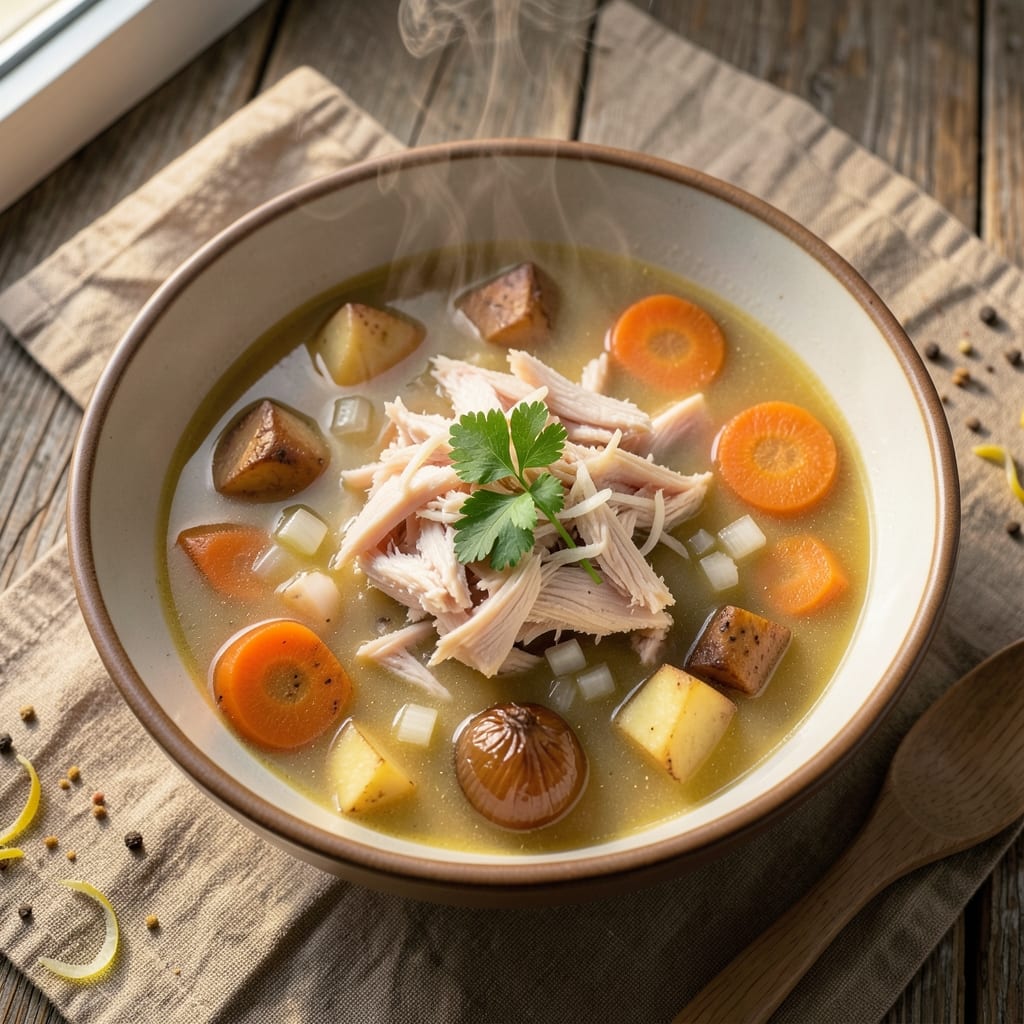
Aldi chicken soup recipe transforms simple pantry staples into hearty, comforting bowls that taste like grandma’s kitchen—without breaking the bank. The secret lies in building flavor from scratch using affordable ingredients like bouillon cubes, canned chicken, and fresh vegetables. I’ve perfected this version to deliver rich, savory broth with tender meat and perfectly cooked veggies in under an hour.
What sets this recipe apart is its balance of simplicity and depth. You’ll start with a homemade broth base using chicken bouillon and water, then layer in chicken, carrots, celery, and potatoes for a classic combination. The key technique? Simmering everything together just until the vegetables reach tender perfection—no mushy textures here. This method ensures every spoonful delivers both comfort and satisfaction.
The result is a soup so flavorful and nourishing, it’ll become your go-to for chilly evenings or when you need a quick, wholesome meal. The broth develops a rich, savory taste from the bouillon and aromatics, while the chicken stays juicy and the vegetables retain their natural sweetness. Serve it with crusty bread for dipping, and you’ve got a complete, budget-friendly dinner that’s ready in under an hour.
This recipe is especially designed for home cooks who want restaurant-quality results without the fuss. Whether you’re feeding a family or meal prepping for the week, the ingredients are easy to find and the steps are straightforward. Let’s get cooking—your taste buds (and wallet) will thank you.
Ingredients for aldi chicken soup
Pantry staples that make soup taste like grandma’s—budget-friendly and packed with flavor.
| Ingredient | Amount | Notes |
|---|---|---|
| Chicken Bouillon Cubes 🍗 | 2 cubes | Low-sodium preferred, crumbled |
| Canned Chicken Breast 🍗 | 14 oz | Drained, no salt added |
| Yellow Onion 🧅 | 1 whole | Medium size, chopped |
| Carrots 🥕 | 3 medium | Peeled, sliced into rounds |
| Celery Stalks 🧅 | 3 whole | Trimmed, chopped |
| Russet Potatoes 🥔 | 2 medium | Peeled, cubed |
| Garlic Cloves 🧄 | 3 cloves | Minced |
| Dried Parsley 🌿 | 1 tsp | Or 1 tbsp fresh, chopped |
| Black Peppercorns 🌶️ | ½ tsp | Freshly cracked |
| Olive Oil 🫒 | 1 tbsp | For sautéing |
| Salt 🧂 | 1 tsp | Adjust to taste |
| Water 💧 | 6 cups | For broth |
| Fresh Parsley 🌿 | 2 tbsp | Chopped, for garnish |
The bouillon cubes are your flavor base here, so grab the low-sodium kind at Aldi—they’re cheap and do the job. I always buy the store brand since it’s half the price of name brands. For the canned chicken, Great Value is my go-to—it’s tender and doesn’t taste like it came from a can. The carrots and celery? Baby carrots and pre-cut celery sticks from Aldi save time, but regular works too. Just make sure they’re fresh—no rubbery celery! Potatoes should be firm and no green spots—those turn bitter when cooked.
No bouillon cubes? Chicken broth powder works too, or even a bouillon paste if you’re feeling fancy. Canned chicken not an option? Rotisserie chicken shreds are perfect—just pull the meat off the bones. Fresh parsley wilting? Dried parsley at half the amount is fine, but fresh tastes better. The olive oil is just for sautéing, so any neutral oil works. If you’re watching salt, skip adding extra—just taste as you go. The broth ratio is key: 6 cups water to 2 bouillon cubes gives you that classic depth without being overwhelming.
This soup tastes even better the next day—double the batch and freeze half. Store leftovers in the fridge for 4-5 days or freeze for 3 months. I like to portion it into containers so I can grab a bowl anytime. The broth thickens as it cools, so add a splash of water if it’s too thick when reheating. Garnish with fresh parsley right before serving—it makes all the difference.
Why You'll Love This Recipe
- Pantry-to-Pot Magic: I swear by this recipe when I’m staring at my fridge wondering what to make. Chicken bouillon cubes and canned chicken? Yes, really. The broth builds itself while I chop—no fancy stock or hours of simmering.
- Umami Bomb: That first sip? The bouillon cubes pack a savory punch that turns basic veggies into something soulful. Carrots and celery soften just enough to melt into the broth, but the onion? It caramelizes slightly—trust me, it’s the little detail that makes it taste like you slaved over it.
- Leftovers That Don’t Suck: I make a double batch on Sundays, and by Thursday, I’m still eating it. The flavors actually deepened overnight—no sad, watery second helpings here. Bonus: it reheats like a dream, so it’s my go-to for lazy days or when company drops by unannounced.
- Budget Meal, Big Payoff: Honestly, this is how I feed my family for under $10. Canned chicken and bouillon cubes stretch the ingredients without sacrificing taste, and the veggies? They’re the affordable kind that still deliver. I’ll be real: my kids don’t even notice it’s not homemade.
Step-by-step instructions for homestyle chicken soup
This pantry-friendly soup comes together faster than you'd think—just follow these simple steps.
Sauté the Vegetable Base
Heat the 1 tablespoon olive oil in a large pot over medium heat. Add the chopped 1 whole yellow onion, 3 medium carrots, and 3 whole celery stalks. Cook for 5-6 minutes, stirring occasionally, until the vegetables soften slightly and the onion becomes translucent.
Here's the thing—don't rush this step. You want the vegetables to release their natural sweetness and flavors before adding liquid. When they smell aromatic and the edges start to soften, you're ready for the next ingredient. Add the 3 cloves minced garlic and cook for another 30 seconds until fragrant—this prevents that bitter garlic taste we all hate.
Build the Flavorful Broth
Pour in the 6 cups water and add the crumbled 2 chicken bouillon cubes, 1 teaspoon dried parsley, and ½ teaspoon cracked black peppercorns. Bring to a boil over high heat, then reduce to a simmer. Let it bubble gently for 5 minutes to let the bouillon fully dissolve and flavors meld.
This is where the magic happens. The bouillon cubes will disappear completely, and the broth should smell rich and savory. If you're using low-sodium bouillon, you can add the 1 teaspoon salt now. If you're using regular bouillon, taste and adjust the salt later—we don't want it to be bland or overly salty.
Add Potatoes and Chicken
Add the peeled and cubed 2 medium russet potatoes to the simmering broth. Cook for 8-10 minutes until the potatoes are tender when pierced with a fork but not falling apart. Then add the drained 14 oz canned chicken breast, breaking it into bite-sized pieces with your hands or a fork.
Real talk: don't skip the potato pre-cooking step. Adding them raw would make your soup too thick too fast. You want the broth to remain light and flavorful, not gluey. The chicken will heat through quickly in the warm broth, so we're not worried about overcooking it here.
Simmer to Perfection
Continue simmering the soup for 10-12 minutes until the potatoes are fork-tender and the chicken is heated through. The soup should have a gentle rolling simmer—not a vigorous boil that would break up the chicken pieces. Taste and adjust seasoning with more salt or pepper if needed.
Here's the moment that matters: the soup should coat the back of a spoon but still be light enough to sip easily. If it's too thick, add ½ cup water at a time until you reach the perfect consistency. The vegetables should be tender but still hold their shape—this ensures every spoonful has texture.
Finish and Serve
Remove the pot from heat and stir in the 2 tablespoons chopped fresh parsley. Let the soup sit for 5 minutes to allow the flavors to settle. Ladle into bowls and serve immediately while hot. Garnish with additional parsley if you're feeling fancy.
This soup tastes even better the next day, but it's so comforting fresh off the stove that you might not make it that long. The key to its homestyle appeal is letting the simple ingredients shine—no fancy techniques needed, just good homemade flavor.
Pro Tips For Making Aldi Chicken Soup
- SAUTÉ THE AROMATICS FIRST: Skip adding the bouillon cube right away—start by cooking the diced onion, carrots, and celery in a pot with a splash of water or broth for 5 minutes. This builds flavor before the bouillon dissolves, so the soup doesn’t taste like a salt bomb. I used to rush this, and the result was always flat.
- DRAIN AND RINSE THE CANNED CHICKEN: Open that can of chicken, dump it into a colander, and rinse it under cold water. The liquid clinging to the meat is often briny or metallic, and it’ll make your soup taste like it’s swimming in can juice. Trust me, the extra 30 seconds saves you from guessing why it’s off.
- DON’T BOIL THE BOUILLON: Once you add the bouillon cube, keep the heat at a simmer—not a rolling boil. Bouillon cubes release their flavor best at 185°F (85°C), and boiling just makes them disintegrate into a grainy mess. I learned this after straining soup and finding a sludge at the bottom.
- ADD A SPLASH OF ACID: Toss in a tablespoon of lemon juice, vinegar, or even a splash of tomato paste at the end. It brightens the flavors and cuts through the heaviness of the bouillon and canned chicken. I was skeptical until I tried it—now it’s non-negotiable.
Creative variations of these flavors
Spicy Southwest Twist
Transform your classic chicken soup into a flavorful Southwest-inspired bowl by adding 1 diced jalapeño and 1 teaspoon ground cumin when sautéing the vegetables. Stir in ½ cup diced tomatoes and ¼ cup chopped cilantro at the end for a zesty kick. Top with crumbled cotija cheese and a dollop of sour cream for a creamy contrast. The heat from the jalapeño and earthy cumin elevate the broth to a whole new level. 🌶️
Creamy Potato Upgrade
For a richer texture, mash ½ of the cooked potatoes directly into the soup using a potato masher or fork. This creates a silky, velvety base without needing heavy cream. Add ½ cup milk or chicken broth to thin it out if needed. The result is a comforting, creamy soup that still keeps the lightness of the original. I love this version for chilly nights when you crave extra warmth. 🥔
Herb-Infused Variations
Swap out dried parsley for fresh thyme or bay leaves to add depth. Simmer 2 sprigs fresh thyme or 1 bay leaf in the broth for 15 minutes before adding potatoes and chicken. Remove before serving. For a Mediterranean twist, add 1 teaspoon dried oregano and finish with lemon zest. These herbs bring a bright, aromatic quality that pairs perfectly with the chicken. 🌿
Protein Swaps
Need to change up the protein? Swap the canned chicken for shredded rotisserie chicken or diced ham for a smoky flavor. For a vegetarian option, use chickpeas or white beans—just add them at the end to avoid overcooking. The broth will still be flavorful, and the texture remains satisfying. I often use rotisserie chicken on Sundays for a quick, no-fuss meal. 🍗
Vegetable Add-Ins
Boost nutrition with extra veggies like spinach or kale. Stir in 2 cups chopped greens during the final 5 minutes of cooking—they’ll wilt beautifully without turning mushy. For a heartier soup, add ½ cup diced green beans or corn kernels. These additions keep the soup light but packed with texture and nutrients. 🥬
Global Flavor Boosters
Add a touch of global inspiration with 1 teaspoon curry powder or ½ teaspoon smoked paprika for a smoky depth. For an Asian-inspired twist, stir in 1 teaspoon grated ginger and 1 tablespoon soy sauce at the end. These small additions transform the soup into something entirely new while keeping the base recipe intact. 🌎
Nutrition facts
Frequently asked questions
Can I make this soup without bouillon cubes?
Use 2 teaspoons chicken bouillon powder or 1 cup homemade chicken broth instead. For extra flavor, simmer 1 chicken bouillon cube in 1 cup hot water for 5 minutes, then strain and use the liquid. The key is maintaining the same 6 cups liquid ratio for proper seasoning.
How do I prevent the soup from getting too thick?
Start by cooking the potatoes separately for 8-10 minutes before adding them to the broth. If it thickens too much, stir in ½ cup water at a time until you reach a light, spoonable consistency. The broth should coat the back of a spoon but remain easy to sip. Never boil vigorously after adding potatoes—they'll release too much starch.
What's the best way to store leftovers?
Let the soup cool completely, then transfer to airtight containers. It keeps in the fridge for 4-5 days or freezes for 3 months. For reheating, warm on the stove over low heat or microwave for 2-3 minutes, stirring halfway. Add a splash of water if the broth thickens too much when reheated.
Can I use frozen vegetables instead of fresh?
Yes, but with a few adjustments. Use 1 cup frozen mixed vegetables (like peas, carrots, and corn) and add them during the final 5 minutes of cooking. Frozen veggies work best in this soup because they thaw quickly in the hot broth. For best results, don't overcrowd the pot—they should have room to simmer without steaming.
Why does my soup taste bland?
Most likely, the bouillon didn't dissolve fully or you need more seasoning. For next time, crush the bouillon cubes into small pieces before adding to water. Taste as you go—add ½ teaspoon more salt or 1 extra bouillon cube if needed. A splash of lemon juice or 1 teaspoon soy sauce can also brighten up the flavor without overpowering it.