
Soups & Stews
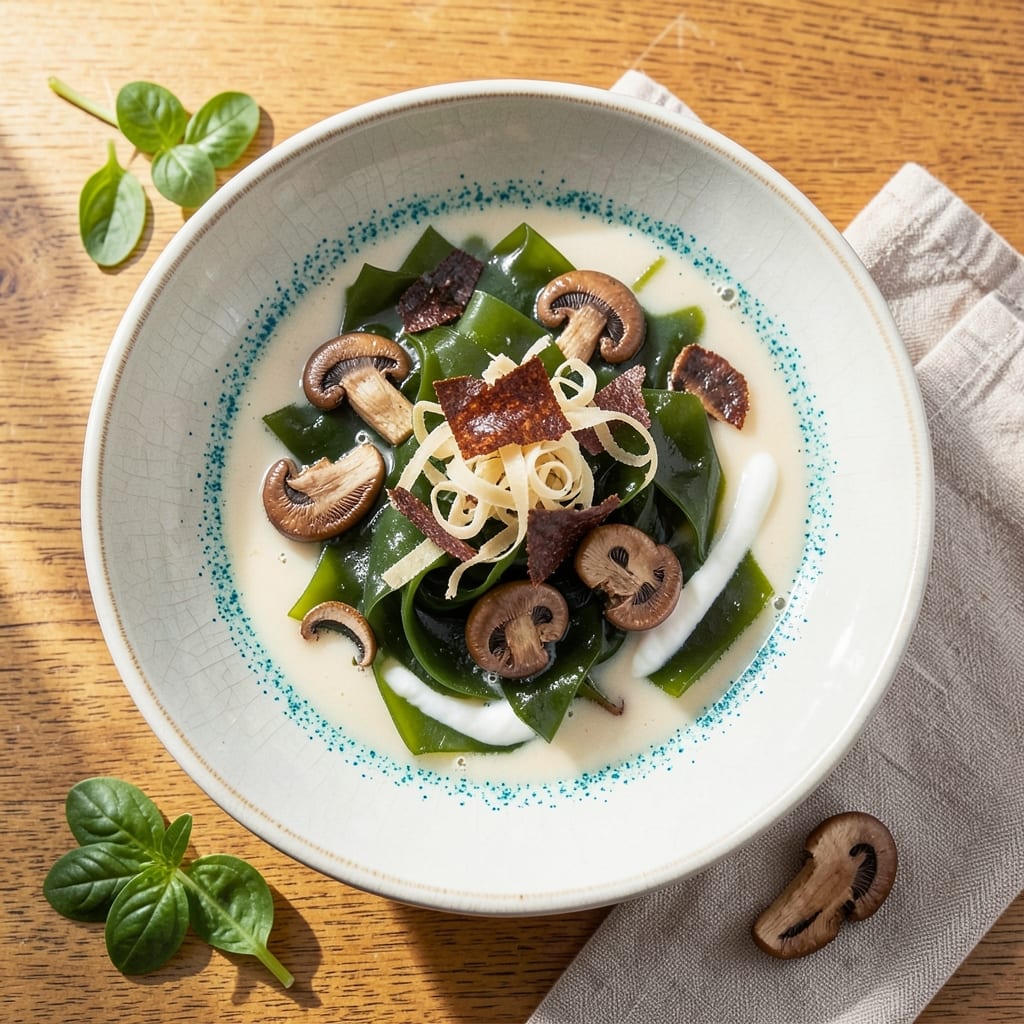
This umami-rich algae soup transforms sea vegetables into a velvety, nutrient-packed elixir that’s both elegant and approachable. The key lies in properly preparing the algae—whether it’s delicate wakame, briny nori, or vibrant spirulina—to unlock its natural depth without overpowering the broth. I’ve refined this recipe over years of experimentation, balancing earthy umami with bright herbs and aromatic spices for a soup that’s as nourishing as it is sophisticated.
The foundation begins with a silky vegetable broth, infused with garlic, ginger, and shiitake mushrooms to amplify the algae’s oceanic notes. Adding miso paste deepens the savory complexity, while a touch of citrus brightens the finish. The algae itself is rehydrated and finely chopped to distribute its texture evenly, ensuring each spoonful delivers a harmonious blend of chewiness and smoothness.
What makes this recipe stand out is its versatility—it works as a light main course or a vibrant side, and the technique is simple enough for home cooks to master. The result is a soup that’s rich in flavor, packed with nutrients, and surprisingly easy to prepare. Whether you’re exploring plant-based cuisine or simply curious about sea vegetables, this dish delivers restaurant-quality depth at home.
Serve it steaming in wide-rimmed bowls, garnished with sesame seeds and scallions for a pop of color and freshness. The contrast between the algae’s oceanic essence and the bright garnishes makes it visually striking, too. Ready in about 45 minutes, this soup is the perfect way to elevate a weeknight dinner with minimal effort.
Ingredients for algae soup
Transform sea vegetables into a velvety, nutrient-rich elixir with these carefully selected ingredients.
| Ingredient | Amount | Notes |
|---|---|---|
| Vegetable Broth 💧 | 4 cups | Homemade or low-sodium store-bought |
| Dried Wakame Seaweed 🌊 | 1 oz | High-quality, organic preferred |
| Dried Nori Sheets 🍣 | 2 pieces | Cut into thin strips |
| Spirulina Powder 💚 | 1 tbsp | Organic, food-grade quality |
| White Miso Paste 🍶 | 2 tbsp | Unsweetened, high-umami |
| Fresh Shiitake Mushrooms 🍄 | 4 whole | Stems removed, sliced thin |
| Garlic Cloves 🧄 | 3 cloves | Minced, fresh preferred |
| Fresh Ginger 🌿 | 1 tbsp | Finely grated, organic preferred |
| Lemon Juice 🍋 | 1 tbsp | Freshly squeezed, organic |
| Sesame Seeds 🌰 | 1 tbsp | Toasted for garnish |
| Green Onions 🧅 | 2 whole | Thinly sliced, for garnish |
| Extra-Virgin Olive Oil 🫒 | 1 tbsp | High-quality, fruity |
| Diamond Crystal Kosher Salt 🧂 | ½ tsp | For seasoning |
| Black Peppercorns 🌶️ | ¼ tsp | Freshly cracked |
The quality of your sea vegetables makes all the difference. Organic dried wakame and nori from specialty stores like Maine Coast Sea Vegetables or Amazon Fresh deliver the most vibrant flavor. Spirulina powder should be food-grade and organic—avoid the cheaper, lower-quality versions. For the miso, White miso from Japan (like Marukome) provides the cleanest umami without overpowering. Fresh shiitake mushrooms should be plump and firm, with no sliminess. If using dried shiitake, rehydrate them first for deeper flavor. The garlic and ginger should be freshly grated or minced—pre-minced versions lose potency quickly.
No wakame? Dulse flakes or kombu work as substitutes, though the texture will differ slightly. Short on nori? Arame seaweed provides a similar briny depth. Spirulina unavailable? Chlorella powder is a close alternative, though slightly more earthy. The miso paste can be swapped for white soy sauce at half the amount, though you'll lose some depth. For the mushrooms, shiitake stems can be used for broth if you want to maximize flavor. The sesame seeds can be white or black—both work, but toasted enhances the nutty aroma. If you're missing green onions, chives or scallions will do in a pinch.
Store dried seaweed in an airtight container away from light for up to 6 months. Fresh shiitake mushrooms keep for 5-7 days in the fridge, while garlic and ginger last 2-3 weeks if stored properly. The miso paste should be refrigerated after opening and used within 3 months. For the spirulina powder, keep it in a cool, dark place—it's shelf-stable for 1 year if sealed correctly. Once the soup is prepared, it reheats beautifully and tastes even better the next day. Portion into containers for easy lunches, and it keeps for 4-5 days in the fridge.
Why You'll Love This Recipe
- Pantry Magic: I swear by this recipe when I’ve got nothing but a few shelves and 15 minutes. Just toss in dried wakame and nori—no soaking, no fuss—and the broth transforms into something rich and satisfying. Honestly, it’s my lazy-day hero.
- Umami Bomb: That miso and spirulina combo? Pure flavor alchemy. The miso gives it this deep, savory punch, while the spirulina adds a subtle earthiness that makes it taste like a fancy restaurant dish. (Yes, even on a Tuesday night.)
- Meal Prep MVP: Make a big batch on Sunday, and you’ve got lunch sorted for days. The wakame stays tender, the nori adds texture, and it reheats like a dream—no soggy leftovers here. Between us, this is the soup that actually gets eaten cold from the fridge.
- Budget Superstar: Seaweed’s cheap, miso’s cheap, and a bag of spirulina lasts forever. I’ve made this for under $2 a bowl, and it still feels like a treat. Not the prettiest, but the taste makes up for it—plus, my kids fight over it.
Step-by-step instructions for crafting umami-rich sea vegetable soup
Transform simple sea vegetables into a velvety elixir with deep umami complexity—each step preserves texture and flavor.
Rehydrate and Prepare the Sea Vegetables
Place the 1 oz dried wakame seaweed in a heatproof bowl and cover with 2 cups of the vegetable broth. Let it soak for 10 minutes until it expands to about 3 times its original size and becomes tender but still holds its shape. The wakame should look vibrant green and slightly translucent, not mushy.
While the wakame hydrates, cut the 2 pieces dried nori sheets into ¼-inch wide strips using kitchen shears. Set aside—they'll add delicate crunch and visual contrast. I like to toast the nori strips lightly in a dry skillet over medium heat for 30 seconds to enhance their aroma before adding them later.
Build the Umami Base with Miso and Mushrooms
In a large pot, heat the 1 tablespoon extra-virgin olive oil over medium heat until shimmering. Add the 4 whole fresh shiitake mushrooms (stems removed, sliced thin) and cook for 5-6 minutes until they release their moisture and develop golden edges. Remove the mushrooms with a slotted spoon and set aside temporarily.
To the same pot, add the 2 tablespoons white miso paste and stir continuously for 1 minute until it dissolves completely and coats the bottom of the pot. This creates the flavor foundation—don't let it brown or it'll become bitter. Immediately pour in the remaining 2 cups vegetable broth and bring to a gentle simmer.
Incorporate Aromatics and Spirulina
Add the 3 cloves minced garlic and 1 tablespoon finely grated fresh ginger to the simmering broth. Cook for 2-3 minutes until fragrant but not browned—you should smell sweet garlic and bright ginger notes without any bitterness. Stir in the 1 tablespoon spirulina powder and cook for an additional 1 minute, stirring constantly to prevent clumping.
The spirulina will dissolve into a vibrant green hue, adding its earthy depth. Here's where the magic happens: the combination of miso, wakame, and spirulina creates a complex umami profile that's both savory and slightly sweet. Taste the broth now—it should be rich and slightly salty, with a clean sea vegetable brightness.
Blend for Silky Texture and Finish
Using an immersion blender, carefully blend the soup directly in the pot for 20-30 seconds until completely smooth. If you prefer chunkier texture, strain the soup through a fine-mesh sieve before blending. Return the blended soup to the pot and stir in the rehydrated wakame, the previously set-aside shiitake mushrooms, and the 1 tablespoon lemon juice. Simmer gently for 3-4 minutes to let the flavors meld.
Season with the 0.5 teaspoon diamond crystal kosher salt and 0.25 teaspoon freshly cracked black peppercorns, adjusting to taste. The lemon juice brightens the deep umami flavors while preventing any metallic notes from the sea vegetables. The soup should be velvety with just enough body to coat a spoon.
Garnish and Serve with Precision
Ladle the soup into bowls and garnish each serving with 1 teaspoon toasted sesame seeds and ½ of a green onion (thinly sliced). The sesame seeds add nutty contrast while the green onions provide freshness. Serve immediately while the soup is steaming hot—this ensures the sea vegetables maintain their vibrant colors and textures.
For the perfect presentation, I like to float a small piece of the toasted nori strip on top of each bowl. This adds visual appeal and a satisfying textural element with each spoonful. The contrast between the silky broth, delicate nori, and crunchy sesame seeds makes every bite a balance of textures and flavors.
Pro Tips For Making Algae Soup
- Bloom the Wakame First: Toss dried wakame into cold broth instead of hot—it rehydrates faster and absorbs flavor better. I used to add it straight to boiling liquid, and it’d just float there like sad seaweed confetti. Cold soak for 5 minutes, then simmer gently. ---
- Toast Nori Properly: Lightly toast nori sheets over a gas flame or in a dry pan for 10 seconds per side—just until fragrant. Skipping this step leaves them flavorless. If you’re worried about burning, keep a lid nearby and work fast. ---
- Whisk Spirulina Thinly: Mix spirulina powder into a splash of cold broth first, then stir into the pot. Dumping it in dry creates clumps that sink to the bottom like algae sludge. A quick 10-second whisk with 1 tablespoon of broth solves this. ---
- Simmer, Don’t Boil: Keep the broth at a gentle simmer after adding miso—boiling kills its delicate umami. After stirring in the paste, reduce heat to low and let it melt in quietly. I learned this after a batch tasted bitter and flat.
Regional styles of these flavors
Japanese Wakame Miso
In Japan, this soup transforms into wakame miso shiru, a comforting staple often served with rice or grilled fish. The key difference? A red miso paste instead of white, adding deeper complexity. I like using 1 tbsp red miso and ½ cup kombu broth for a richer base. Garnish with toasted bonito flakes for an authentic touch—just sprinkle 1 tsp per bowl right before serving. 🌊
Korean Seaweed Guk
Korean cuisine elevates algae soup with dasima guk, a lighter version using kelp (dasima) instead of wakame. Replace the nori with 1 oz dried dasima, rehydrated in 1 cup water for 15 minutes. Add 1 tbsp gochugaru (Korean chili flakes) and ½ cup kimchi juice to the broth for a spicy-sweet kick. Serve with steamed rice and a side of ssamjang for dipping. 🌶️
Thai Spirulina Tom Kha
For a Thai-inspired twist, blend 1 cup coconut milk into the soup and add 1 stalk lemongrass (bruised) and 1 tbsp galangal (or ginger). Stir in 1 tbsp fish sauce (or soy sauce for vegan) and 1 tsp palm sugar. The spirulina adds a vibrant green hue, mimicking traditional tom kha gai flavors. Garnish with Thai basil and lime wedges for a zesty finish. 🍃
Mediterranean Arame
In Mediterranean coastal regions, arame seaweed replaces wakame, paired with sun-dried tomatoes and white beans. Sauté 2 tbsp olive oil with 1 diced shallot and 1 tsp fennel seeds before adding broth. Stir in ½ cup canned white beans and ¼ cup chopped sun-dried tomatoes at the end. Top with fresh oregano and a drizzle of chili oil for heat. 🌿
Modern Fusion Twist
For a contemporary take, blend in ½ avocado for creaminess and add 1 tbsp nutritional yeast for a cheesy note. Swap the sesame seeds for crushed pistachios and garnish with edible flowers for a restaurant-worthy presentation. This version works as a vegan "clam chowder" alternative with the same oceanic depth. ✨
Nutrition facts
Frequently asked questions
What’s the best type of algae for beginners?
Start with wakame or nori—they’re the most accessible and forgiving. Wakame has a mild, slightly sweet flavor that blends beautifully into soups, while nori adds a delicate brininess. Spirulina is more potent, so use it sparingly (1 tbsp) until you’re comfortable with its earthy taste.
Can I make this soup without an immersion blender?
Transfer the soup to a blender in batches, blend until smooth, then return to the pot. For a chunkier texture, strain the broth through a fine-mesh sieve before blending. Just be cautious—hot liquids can cause splattering. A regular blender works perfectly for this recipe.
How do I prevent the algae from turning bitter?
Bitter flavors develop when algae is overcooked or dried too long. Always use freshly rehydrated wakame (never pre-cooked) and add it to the soup only at the end. For nori, toast it lightly (30 seconds) to enhance aroma without burning. Spirulina should be stirred in briefly (1 minute) to dissolve evenly. Lemon juice helps balance any bitterness.
Is this soup gluten-free?
Yes, this recipe is naturally gluten-free as long as you use gluten-free vegetable broth and certified gluten-free miso paste. Most white miso pastes are gluten-free, but always check the label. The sea vegetables and other ingredients are inherently gluten-free. For extra safety, choose a dedicated gluten-free miso brand.
What’s the secret to making it creamy without dairy?
The velvety texture comes from blending the broth with the rehydrated wakame and mushrooms. For extra richness, add ½ avocado or ¼ cup silken tofu to the final blend. A splash of coconut milk (2 tbsp) also works well. The key is proper blending—immerse the blender fully to break down all particles evenly.