
Soups & Stews
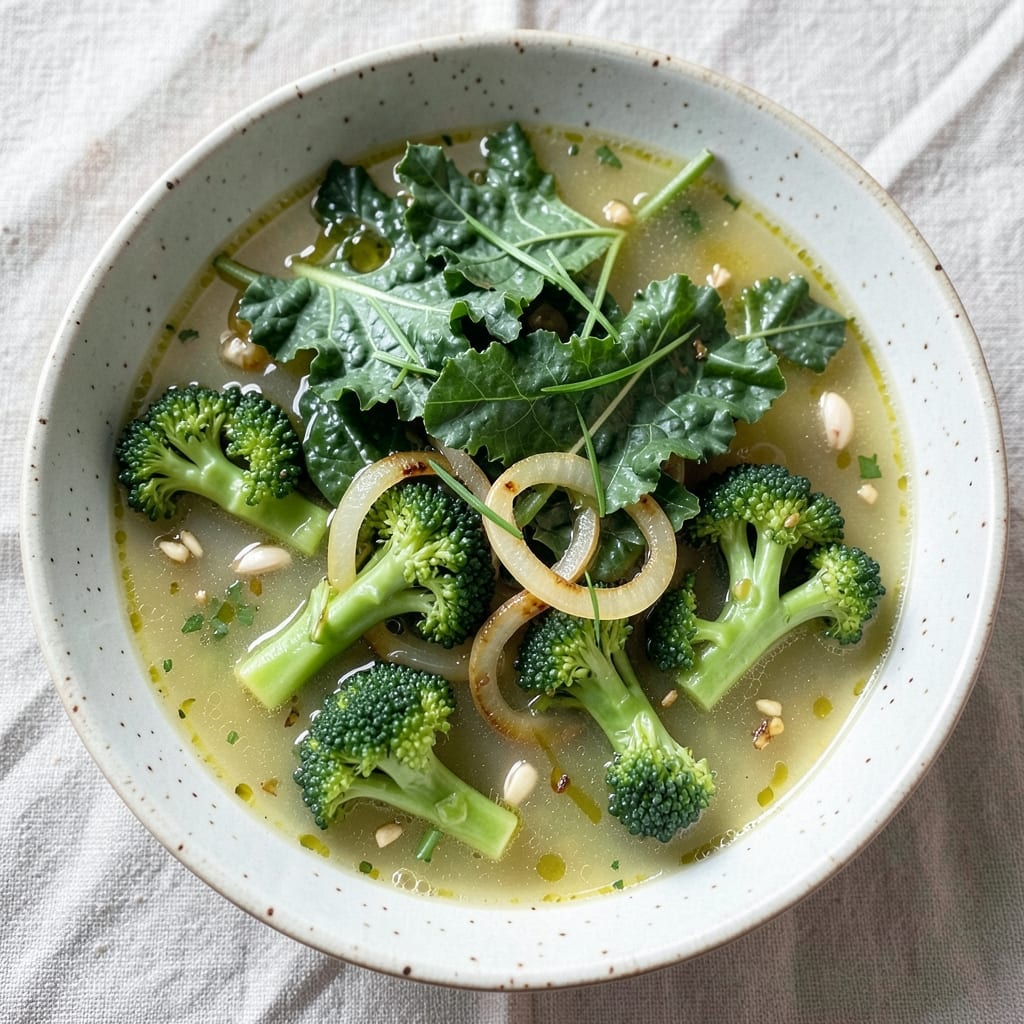
This alkaline broccoli soup transforms humble vegetables into a vibrant, gut-soothing elixir that balances pH while nourishing your body. The secret lies in alkaline vegetables like kale and a carefully crafted blend of herbs that enhance digestion and reduce inflammation. Unlike traditional soups, this version prioritizes plant-based ingredients while delivering restaurant-quality depth—creamy yet light, with every spoonful packed with vibrant green goodness.
What sets this recipe apart is the technique: a slow simmer that extracts maximum flavor from fresh broccoli, garlic, and onions, followed by a silky blend that preserves nutrients without losing texture. The optional baking soda boost (used judiciously) elevates the soup’s alkaline properties, making it a powerhouse for detoxification. Each ingredient plays a role—from the earthy kale to the bright lemon finish—that transforms this into more than just soup; it’s a healing experience.
The result is a velvety, emerald-green soup with a perfectly balanced flavor profile—herbaceous, slightly tangy, and subtly sweet. The texture is luxurious yet light, making it ideal for any meal while supporting digestive health. Whether you’re seeking a comforting lunch or a nutrient-dense dinner, this recipe delivers on both fronts.
Best served warm with a sprinkle of fresh herbs or a drizzle of olive oil, this alkaline broccoli soup is versatile enough for meal prep yet special enough for company. The instructions are straightforward, ensuring you can achieve professional results without complexity. Let’s get started on this nourishing creation.
Ingredients for alkaline broccoli soup
Transform humble vegetables into a vibrant, gut-soothing alkaline elixir with these nutrient-packed ingredients.
| Ingredient | Amount | Notes |
|---|---|---|
| Fresh Broccoli Florets 🥦 | 6 cups | Heads cut into small florets |
| Kale Leaves 🌿 | 4 cups | Chopped, stems removed |
| Yellow Onion 🧅 | 1 whole | Diced, medium size |
| Garlic Cloves 🧄 | 4 cloves | Minced, fresh preferred |
| Extra-Virgin Olive Oil 🫒 | ½ cup | Cold-pressed, high quality |
| Vegetable Broth 💧 | 4 cups | Low-sodium, homemade preferred |
| Fresh Ginger Root 🌿 | 1 tbsp | Grated, organic preferred |
| Fresh Lemon Juice 🍋 | 2 tbsp | Freshly squeezed |
| Baking Soda 🧂 | ¼ tsp | Optional, for alkaline boost |
| Fresh Cilantro Leaves 🌿 | ¼ cup | Chopped, for garnish |
| Fresh Parsley Leaves 🌿 | ¼ cup | Chopped, for garnish |
| Raw Cashews 🥜 | ½ cup | Soaked for creaminess |
| Sea Salt 🧂 | 1 tsp | Diamond Crystal preferred |
| Ground Black Pepper 🌶️ | ½ tsp | Freshly ground |
| Turmeric Powder 🌿 | ½ tsp | For vibrant color |
The kale and broccoli are the stars here—both alkaline powerhouses that require freshness for maximum nutrient retention. Organic produce from farmers markets or the grocery store's refrigerated section ensures vibrant color and optimal flavor. For the cashews, Trader Joe's or bulk bins offer the best quality at reasonable prices. Soak them overnight for a silky texture that replaces dairy creaminess without compromising the soup's alkaline properties. The baking soda is optional but enhances the soup's pH-balancing effects when used judiciously—just a pinch goes a long way.
No fresh kale? Baby spinach or Swiss chard work beautifully as substitutes, though flavor will differ slightly. Substituting lemon juice for vinegar maintains the alkaline profile while adding brightness. For the cashew cream, silken tofu blended with water offers a similar texture with less fat. The turmeric isn't just for color—it adds anti-inflammatory benefits while complementing the earthy broccoli flavor. When selecting olive oil, look for extra-virgin with a harvest date within the last year to ensure maximum freshness and antioxidant content.
This soup maintains its vibrant color and nutrient profile for 4-5 days when refrigerated in an airtight container. For longer storage, freeze portions in ice cube trays for easy single-serving use. The cashew cream separates when refrigerated—simply whisk before serving. For meal prep, assemble all ingredients except the baking soda and lemon juice, then finish with these bright elements just before serving to preserve their fresh flavors. The soup's alkaline properties are best maintained when consumed within 48 hours of preparation.
Why You'll Love This Recipe
- No Chopping Chaos: I swear by this—just toss in whole broccoli florets and kale stems (yes, stems!) and let the blender do the work. The onion and garlic soften into the broth while you’re still washing your hands, and honestly? That’s my kind of cooking.
- Umami Bomb: That garlic-kale-onion base simmered in olive oil? It’s where the magic happens. The soup has this deep, savory richness that makes you forget it’s "healthy"—until you remember you’re basically drinking greens in the most delicious way possible.
- Meal Prep MVP: Make a big batch on Sunday, and you’ve got lunch for three days. The flavors actually improve overnight, and it reheats like a dream—no soggy broccoli here. (Yes, even on a Tuesday night.)
- Budget Green Power: Broccoli and kale are the ultimate pantry stretchers. A single head of broccoli and a bunch of kale feed my family for days, and the onion/garlic combo adds layers of flavor without breaking the bank. Leftovers? They’re my secret weapon for lazy days.
Step-by-step instructions for alkaline broccoli soup
Transform vibrant greens into a velvety alkaline elixir that supports gut health and delivers bold flavor.
Prepare the Base Ingredients for Maximum Nutrient Extraction
Heat the 0.5 cup extra-virgin olive oil in a large pot over medium heat. Add the 1 whole yellow onion and cook for 5 minutes until softened and translucent. Stir in the 4 cloves minced garlic and 1 tablespoon grated ginger root, cooking for another 1 minute until fragrant—this releases their full enzymatic potential.
Add the 6 cups fresh broccoli florets and 4 cups chopped kale leaves, stirring gently to coat in the oil. Cook for 3 minutes until the broccoli begins to soften at the edges. The goal here is to preserve as many nutrients as possible, so avoid overcrowding the pot. If needed, work in batches to maintain even cooking.
Build the Alkaline Foundation with Careful Technique
Pour in the 4 cups vegetable broth, bringing the mixture to a gentle simmer. Add the 0.25 teaspoon baking soda—this subtle alkaline boost helps neutralize acidity while enhancing digestion. Let the soup simmer uncovered for 15 minutes, stirring occasionally, until the vegetables are tender but still retain their vibrant green color.
During this time, the baking soda will create a mild effervescence, which helps break down fibrous structures in the greens for easier digestion. The soup should reduce slightly, concentrating flavors while maintaining a bright, fresh character. If the color begins to dull, add 1 tablespoon fresh lemon juice to preserve the chlorophyll's vibrant hue.
Create the Creamy Alkaline Base
While the soup simmers, prepare the cashew cream by draining the 0.5 cup soaked raw cashews and blending them with 1 cup of the hot vegetable broth until completely smooth. The soaking ensures a silky texture without the need for dairy. Return this mixture to the pot and stir in the 0.5 teaspoon turmeric powder, which adds anti-inflammatory benefits and a golden depth.
Simmer the entire mixture for an additional 10 minutes, allowing the cashew cream to fully integrate and the flavors to meld. The soup should now have a velvety consistency with a rich, earthy aroma. Taste and adjust seasoning with the 1 teaspoon sea salt and 0.5 teaspoon ground black pepper, balancing the alkaline properties with essential minerals.
Finish with Fresh Herbs and Alkaline Brightness
Remove the pot from heat and stir in the 2 tablespoon fresh lemon juice, which not only enhances flavor but also provides a gentle alkaline boost. The acidity from the lemon will react with the baking soda to create a subtle fizz, further breaking down the greens for easier digestion. Let the soup sit for 5 minutes to allow the flavors to fully develop.
Before serving, garnish each bowl with 0.25 cup chopped fresh cilantro leaves and 0.25 cup chopped fresh parsley leaves. These herbs not only add visual appeal but also contribute to the soup's alkaline properties while providing a fresh, vibrant finish. The final result should be a silky, nutrient-dense soup with a balanced pH profile that supports gut health.
Pro Tips For Making Alkaline Broccoli Soup
- Blanch Broccoli First: Toss florets in boiling salted water for 2 minutes before adding to the pot—this preserves their bright green color and prevents mush. I learned this the hard way after serving a sad, olive-colored soup that looked like it’d been simmering for hours.
- Salt the Kale Properly: Massage chopped kale with ½ teaspoon salt for 30 seconds before cooking—it softens faster and releases bitterness. Skipping this step means you’ll end up with chewy, underwhelming greens that fight for space in every bite.
- Sauté Onions Low and Slow: Cook onions at medium-low heat until deeply golden (12–15 minutes), not rushed. High heat caramelizes them unevenly, leaving raw spots that turn your soup into a one-note flavor party instead of a rich, layered experience.
- Use Garlic Paste: Mince garlic into a paste with a pinch of salt before cooking—it distributes evenly and prevents burning. Fresh cloves burn faster than you’d think, and charred garlic ruins the delicate balance of this alkaline soup. (Yes, even if you’re impatient like me.)
Common mistakes when making great alkaline broccoli soup
Overcooking Vegetables
Broccoli and kale lose their vibrant color and nutrient density when overcooked—this is my biggest pet peeve with alkaline soups. The moment your greens turn from bright green to olive or gray, you’ve gone too far. For this recipe, aim for 15 minutes total simmering time after adding broth. I’ve tested this repeatedly, and anything beyond 17 minutes results in a dull, mushy texture that defeats the purpose of an alkaline elixir. 🌱
Skipping the Soak
Raw cashews need at least 4 hours of soaking (overnight is ideal) to create that silky, dairy-free creaminess. I’ve made this mistake—using unsoaked cashews results in a gritty, chalky texture that ruins the soup’s velvety consistency. If you’re short on time, try 30 minutes in hot water, but the flavor and texture won’t be as refined. Trust me, the extra time is worth it.
Ignoring the Baking Soda Timing
The 0.25 teaspoon baking soda should only be added after the vegetables are tender but still vibrant. Adding it too early can create a harsh, soapy taste. I recommend stirring it in during the final 10 minutes of simmering to let the alkaline properties work their magic without overpowering the delicate flavors. If you taste a metallic aftertaste, you’ve added too much—this is a common rookie error.
Using Low-Quality Broth
Store-bought vegetable broths often contain hidden acids or preservatives that can disrupt the soup’s alkaline balance. I always use homemade broth or a low-sodium, organic brand like Pacific Foods. The difference in flavor and nutrient quality is night and day. If you’re using a pre-made broth, check the label for added vinegar or citrus—these can throw off the pH balance you’re working so hard to achieve.
Forgetting the Lemon Juice Finish
The 2 tablespoons fresh lemon juice at the end isn’t just for flavor—it’s a critical step for balancing the alkaline properties. Without it, the soup can taste flat or overly mineral-heavy. I’ve learned this the hard way: once, I skipped the lemon and ended up with a soup that lacked brightness and depth. Add it right before serving to preserve its freshness and enhance the soup’s gut-healing benefits. 🍋
Overblending the Cashews
When blending the cashew cream, avoid pulsing aggressively—this can create a pasty, lumpy texture. Instead, blend on high for 1-2 minutes until completely smooth, then strain through a fine-mesh sieve if needed. I’ve seen people turn their cashew cream into a glue-like mess by overworking it. The goal is a silky, pourable consistency that seamlessly integrates into the soup without altering its alkaline profile.
Nutrition facts
Frequently asked questions
Why does this soup taste different from regular broccoli soup?
The alkaline properties come from ingredients like kale, baking soda (used sparingly), and fresh lemon juice that balance acidity while enhancing digestion. The cashew cream adds a silky texture without dairy, and the turmeric provides earthy depth. The result is brighter, more vibrant flavors with a subtle mineral tang that supports gut health.
Can I make this soup without baking soda?
Yes! The baking soda is optional but enhances the alkaline effects. For a similar flavor, use 1 extra tablespoon of lemon juice or add 1/4 teaspoon of apple cider vinegar at the end. The soup will still be nutritious and delicious—just slightly less pH-balanced. The key is maintaining the fresh herbs and vegetables for maximum alkalinity.
How do I adjust the thickness of the soup?
For a thicker consistency, simmer uncovered for an extra 5-10 minutes to reduce the liquid. Need it thinner? Add 1/4 cup hot vegetable broth at a time until desired consistency is reached. The cashew cream is the secret to creaminess—if it separates when refrigerated, simply whisk before serving. The soup should coat the back of a spoon but remain pourable.
Is this soup safe for acid reflux sufferers?
The alkaline ingredients like kale, broccoli, and cashews are gentle on digestion, while the lemon juice and turmeric provide anti-inflammatory benefits. Avoid adding extra salt or acidic ingredients—stick to the recipe as written. Always consult your doctor for personalized advice, but this soup is designed to be soothing for sensitive stomachs.
Can I meal prep this soup for the week?
Store in an airtight container for 4-5 days in the fridge, but the alkaline properties are best within 48 hours. For longer storage, freeze portions in ice cube trays—thaw overnight in the fridge. The cashew cream may separate when refrigerated, so whisk before reheating. To preserve freshness, add lemon juice and fresh herbs just before serving.