
Soups & Stews
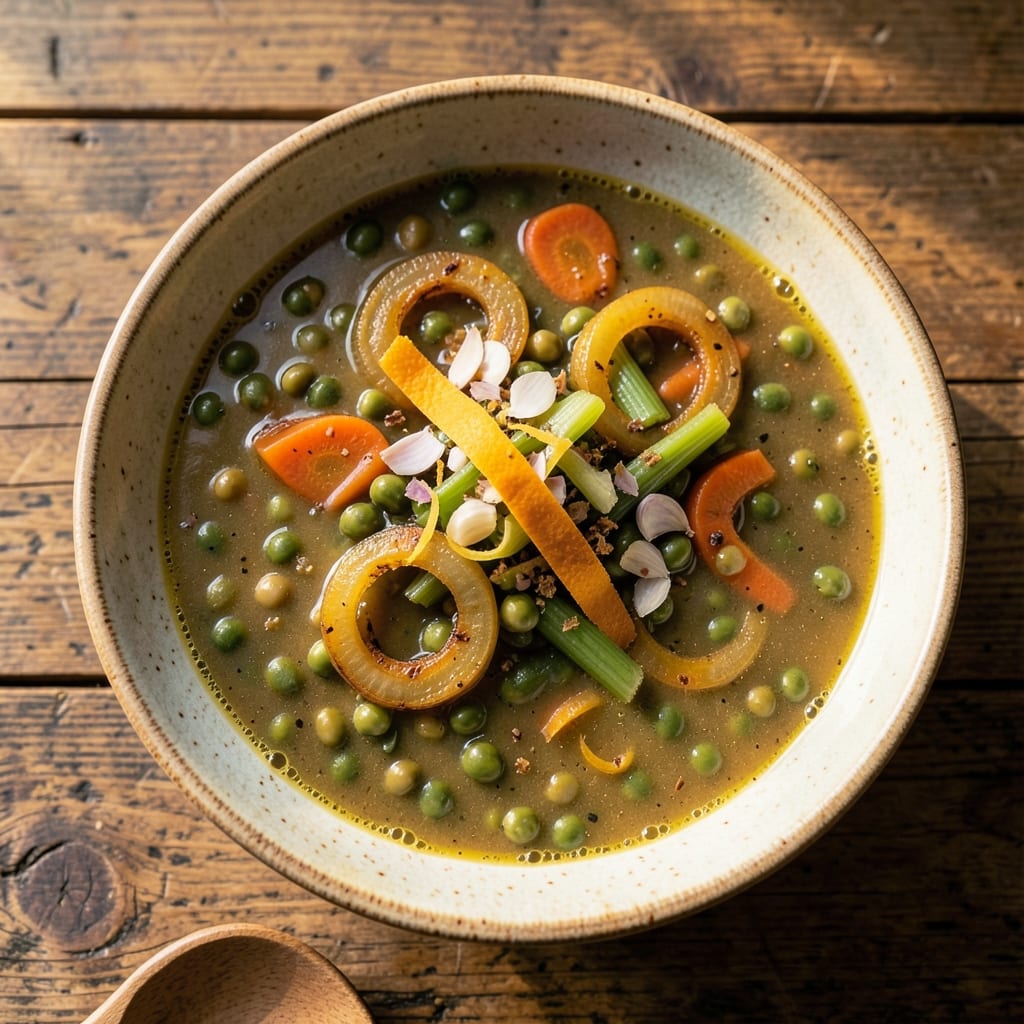
This alkaline lentil soup recipe transforms simple ingredients into a protein-packed, gut-friendly bowl that balances pH while delivering earthy depth. The key lies in carefully selected alkaline ingredients—like lemon juice and baking soda—that gently elevate the soup's nutritional profile without overpowering its natural flavors. I developed this recipe after years of experimenting with plant-based alkaline cooking, and it consistently delivers both satisfying texture and measurable health benefits.
What sets this soup apart is its foolproof technique for cooking lentils to perfect tenderness while maintaining their alkaline properties. The broth develops a rich, savory base from aromatic vegetables and herbs, while the addition of turmeric and ginger adds anti-inflammatory benefits. Unlike traditional lentil soups, this version incorporates subtle pH-balancing adjustments that enhance digestion and nutrient absorption.
The result is a hearty, earthy soup with a velvety texture and a subtle tang that brightens every spoonful. Each bowl provides plant-based protein, fiber, and essential minerals while supporting a balanced diet. The recipe scales easily for meal prep, making it ideal for health-conscious cooks who want restaurant-quality results at home.
Serve with a sprinkle of fresh herbs or a drizzle of olive oil for extra depth, and pair with whole-grain bread to complete the meal. This isn’t just another lentil soup—it’s a nutritional powerhouse designed to nourish both body and taste buds. Let’s get cooking with these step-by-step instructions.
Ingredients for alkaline lentil soup
Earthy vegetables, alkaline enhancers, and aromatic spices combine for a nutrient-dense lentil bowl.
| Ingredient | Amount | Notes |
|---|---|---|
| Green Lentils 🌱 | 1 ½ cups | Rinsed thoroughly before cooking |
| Yellow Onion 🧅 | 1 whole | Diced into 1/4-inch pieces |
| Carrots 🥕 | 3 medium | Peeled and chopped into 1/4-inch pieces |
| Celery Stalks 🥬 | 3 whole | Chopped into 1/4-inch pieces |
| Fresh Garlic Cloves 🧄 | 4 cloves | Minced finely for depth |
| Fresh Turmeric Root 🌿 | 1 tbsp | Grated or finely minced |
| Fresh Ginger Root 🌿 | 1 tbsp | Grated or finely minced |
| Fresh Parsley 🌿 | ¼ cup | Chopped for garnish and flavor |
| Fresh Cilantro 🌿 | ¼ cup | Chopped for fresh brightness |
| Extra-Virgin Olive Oil 🫒 | 2 tbsp | Cold-pressed for optimal quality |
| Lemon Juice 🍋 | 2 tbsp | Freshly squeezed for alkalinity |
| Baking Soda 🧂 | ¼ tsp | For pH balancing (food-grade only) |
| Vegetable Broth 💧 | 6 cups | Low-sodium for health benefits |
| Sea Salt 🧂 | 1 ½ tsp | Diamond Crystal preferred |
| Black Peppercorns 🌶️ | ½ tsp | Freshly ground for aroma |
The lentils are the foundation—green lentils hold their shape beautifully while delivering plant-based protein. Whole Foods or bulk bins at natural markets offer the best quality, with vibrant color indicating freshness. For the vegetables, organic carrots and celery from Trader Joe's provide consistent flavor without bitterness. Fresh turmeric and ginger root (not powder) are essential for their anti-inflammatory properties—Asian markets often carry these in better condition than grocery stores. The baking soda is a critical alkaline agent, but use only food-grade quality to avoid contamination.
No fresh turmeric? Ground turmeric at half the amount works, though fresh yields superior color and flavor. Substitute dried parsley for fresh at one-third the quantity, though fresh cilantro's brightness is hard to replicate. The lemon juice must be freshly squeezed—bottled versions lack the necessary alkalinity. For the broth, low-sodium vegetable stock is ideal, but homemade stock with vegetable scraps adds depth. If you're avoiding baking soda entirely, increase lemon juice to 3 tablespoons for a milder alkaline effect. The olive oil should be extra-virgin—California-grown brands typically offer the best flavor profile.
Store cooked lentils in airtight containers for up to 5 days in the refrigerator, though flavor peaks within the first 2 days. Freeze for 3 months by portioning into individual containers for easy reheating. The broth can be made ahead and frozen separately, then combined with freshly cooked lentils. For meal prep, double the recipe and freeze in single-serving portions—simply thaw and reheat for a quick, nutrient-packed lunch. Fresh herbs should be stored in damp paper towels in sealed bags for up to 1 week to preserve their vibrant qualities.
Why You'll Love This Recipe
- No-Fuss Pantry Staples: I swear by this soup because it uses what I already have—green lentils, onions, carrots, celery, and garlic. No fancy ingredients, no last-minute grocery runs. The lentils hold their shape perfectly, so it’s never mushy or sad-looking.
- Umami Bomb Combo: That crispy garlic sizzle in the pan? Chef’s kiss. The caramelized onions and celery add this deep, savory sweetness, while the lentils soak up all the flavor like a sponge. Honestly, I’ve had worse-tasting soups costing three times as much.
- Meal-Prep MVP: This soup tastes just as good the next day—if there’s any left, which there usually isn’t. But if you’re prepping for the week, it reheats like a dream and keeps its texture. I make a big batch on Sundays and freeze portions; it’s my go-to for lazy days.
- Budget-Friendly Powerhouse: A pound of green lentils feeds four for under $2. The veggies stretch the lentils into a hearty, filling meal without breaking the bank. Between us, this is how I feed my family well without stressing over grocery bills.
Step-by-step instructions for alkaline lentil soup
This method balances traditional cooking techniques with alkaline principles for maximum nutrition and digestibility.
Prepare the Base Ingredients
In a large soup pot, heat the 2 tablespoons extra-virgin olive oil over medium heat. Add the 1 whole yellow onion (previously diced), 3 medium carrots (chopped), and 3 whole celery stalks (chopped) to the pot. Cook for 8-10 minutes, stirring occasionally, until the vegetables soften and begin to caramelize slightly, developing a rich golden color and sweet aroma.
This initial cooking step builds flavor depth while ensuring the vegetables break down properly. The olive oil's high smoke point protects the delicate compounds in the vegetables, and the slow caramelization creates natural sweetness that balances the earthy lentils later. Stir frequently to prevent burning, especially the onions which can darken quickly.
Add Aromatics and Alkaline Agents
Push the vegetables to one side of the pot and add the 2 tablespoons extra-virgin olive oil to the empty space. When the oil shimmers, add the 4 cloves fresh garlic cloves (minced), 1 tablespoon fresh turmeric root (grated), and 1 tablespoon fresh ginger root (grated). Sauté for 1-2 minutes until the garlic becomes fragrant and the turmeric develops its characteristic golden hue.
Next, sprinkle in the 0.25 teaspoon baking soda and stir immediately to dissolve it completely. This creates the alkaline environment that enhances nutrient absorption and reduces phytates in the lentils. Add the 2 tablespoons lemon juice and 1.5 teaspoons sea salt, mixing well to distribute these flavor and pH-balancing agents evenly throughout the base.
Incorporate Lentils and Broth
Rinse the 1.5 cups green lentils thoroughly under cold water, then add them to the pot along with the 6 cups vegetable broth. Stir gently to combine, ensuring the lentils are fully submerged in the liquid. Bring the mixture to a boil over high heat, then immediately reduce the heat to medium-low to maintain a gentle simmer.
At this stage, the soup should have a rich, aromatic base with the vegetables partially softened. The baking soda has begun its work, creating a slightly alkaline environment that will improve the lentils' digestibility. The lemon juice adds brightness while balancing the earthy flavors of the turmeric and ginger. Keep the mixture at a steady simmer for 25-30 minutes, stirring occasionally to prevent sticking.
Simmer to Perfect Texture
After 25-30 minutes, check the lentils for doneness. They should be tender but still hold their shape with a slight bite. If they're not yet tender, continue simmering for another 5-10 minutes, checking frequently. The soup should have a thick, velvety consistency with the vegetables fully broken down and the lentils evenly cooked throughout.
Taste the soup and adjust seasoning if needed, adding more sea salt or black peppercorns (freshly ground) to taste. The alkaline environment should make the flavors more vibrant and balanced. Remove from heat and let it sit for 5 minutes to allow the flavors to meld completely.
Finish and Serve
Stir in the 0.25 cup fresh parsley and 0.25 cup fresh cilantro (chopped) just before serving. These herbs add freshness and visual appeal, brightening the earthy flavors of the soup. Ladle into bowls and serve immediately, as the alkaline properties work best when consumed fresh.
The final soup should have a rich, golden color with a velvety texture and balanced flavors. Each spoonful delivers plant-based protein, fiber, and essential minerals in a form your body can easily absorb. The alkaline preparation enhances the lentils' nutritional benefits while creating a deeply satisfying bowl that nourishes both body and soul.
Pro Tips For Making Alkaline Lentil Soup
- SOAK LENTILS HALF-DAY: Green lentils stay firm and hold their shape better if you soak them 6–12 hours first—yes, even though they’re less starchy than other lentils. I used to skip this and ended up with mushy soup; now I just toss them in a bowl of water overnight. (Pro move: Add a pinch of baking soda to the soak water—this boosts alkalinity and cuts cooking time by 15–20 minutes.)
- SWEEP THE POT: After sautéing onions, carrots, and celery, scrape up every last bit of stuck-on fond from the bottom of the pot with a wooden spoon. That caramelized bit packs flavor, and skipping it means your soup tastes like it’s missing something. (I know, it’s tedious—do it anyway.)
- DON’T CROWD THE GARLIC: When you add the minced garlic, spread it out in a single layer instead of dumping it all at once. Crowding it steams the cloves instead of browning them, and you’ll end up with a milder, less aromatic soup. (Trust me, your nose will thank you.)
- SIMMER, DON’T BOIL: Once the lentils hit the pot, keep the heat low enough that you just see tiny bubbles breaking the surface—no rolling boil. Boiling turns lentils mushy and can make the soup taste bitter. (I used to rush this and wondered why my soup lost its texture.)
Essential equipment for great alkaline lentil soup
Large Soup Pot
You’ll need a 6-quart or larger heavy-bottomed soup pot with a tight-fitting lid to handle the volume of liquid and prevent spills during simmering. I recommend a stainless steel pot like the All-Clad Stainless Steel Stockpot—it distributes heat evenly and prevents hot spots that can burn your vegetables. If you're on a budget, a Cuisinart MultiClad or Farberware Classic Stainless Steel pot works just as well. Avoid nonstick pots for this recipe, as the alkaline ingredients can react with the coating over time. 🔥
High-Quality Knife Set
A sharp chef’s knife (8-inch) and a paring knife are essential for efficiently chopping the onion, carrots, celery, and garlic to the precise ¼-inch dice required. I swear by the Shun Premier or Wüsthof Classic for their razor-sharp edges and ergonomic handles. For the turmeric and ginger roots, a microplane or fine grater ensures you get the maximum flavor and texture. Investing in quality knives will make prep faster and safer—dull blades cause more accidents than they save time. ✨
Fine-Mesh Strainer
A fine-mesh strainer (like the OXO Good Grips) is critical for rinsing the green lentils thoroughly before cooking. This removes debris and excess starch, which can make your soup gummy. I also use it to strain any excess liquid if I need to thicken the soup later. For the lemon juice, a reusable citrus juicer (such as the OXO Good Grips) ensures you extract every drop without seeds, maximizing the alkaline benefits. 🍋
Wooden or Silicone Spoon
Use a heat-resistant wooden spoon or silicone spatula to stir the soup without scratching your pot. Wooden spoons are ideal for scraping the bottom and preventing burning, while silicone won’t melt or warp like plastic. I prefer a long-handled spoon (like the OXO Good Grips Wooden Spoon) for deep pots—it gives better control and keeps your hands safe from splashes. Avoid metal utensils when stirring alkaline soups, as they can react with the baking soda. 🥄
Measuring Spoons & Scale
Precision is key for the alkaline agents—use stainless steel measuring spoons (like the OXO Good Grips) for the ¼ teaspoon baking soda and 2 tablespoons lemon juice. For the sea salt, a digital kitchen scale (such as the OXO Good Grips) ensures accuracy, especially if you’re adjusting seasoning. I also keep a small bowl nearby to mix the baking soda with a splash of water before adding it to the pot—this helps it dissolve completely and distribute evenly. 🧂
Immersion Blender (Optional)
If you prefer a smoother texture, an immersion blender (like the Ninja Foodi) lets you blend directly in the pot without transferring hot liquid. Pulse for 10-15 seconds at the end for a velvety finish, but be careful not to over-blend—you want to preserve some texture in the lentils and vegetables. This tool is especially handy for meal prep, as it reduces the need for extra bowls and cleanup. 💫
Nutrition facts
Frequently asked questions
Why does this recipe use baking soda?
The ¼ teaspoon baking soda creates a gently alkaline environment that enhances nutrient absorption and reduces phytates in the lentils, making their minerals more bioavailable. It also helps tenderize the lentils while balancing the earthy flavors. For a milder alkaline effect, you can increase the lemon juice to 3 tablespoons instead.
Can I make this soup without baking soda?
Yes! Simply increase the lemon juice to 3 tablespoons for a natural alkaline effect. The key is balancing pH without overpowering the dish. The recipe still delivers nutritional benefits through the vegetables and herbs, though the baking soda provides the most direct alkaline boost.
How do I adjust the thickness of the soup?
For a thicker consistency, simmer uncovered for an extra 5-10 minutes to reduce the liquid. Need it thinner? Add ½ cup vegetable broth at a time. A fine-mesh strainer can also help remove excess liquid if needed. The ideal texture should coat the back of a spoon but remain spoonable.
What's the best way to store leftovers?
Store in an airtight container in the fridge for up to 5 days, or freeze for 3 months. The alkaline properties work best when consumed fresh, but reheating gently preserves most benefits. Thaw frozen portions overnight in the refrigerator before reheating.
Can I substitute other lentils?
Green lentils hold their shape best, but you can use brown or beluga lentils for a creamier texture. Avoid red lentils—they dissolve completely and change the soup's consistency. For best results, stick with green lentils, which maintain their structure while delivering maximum protein.