
Soups & Stews
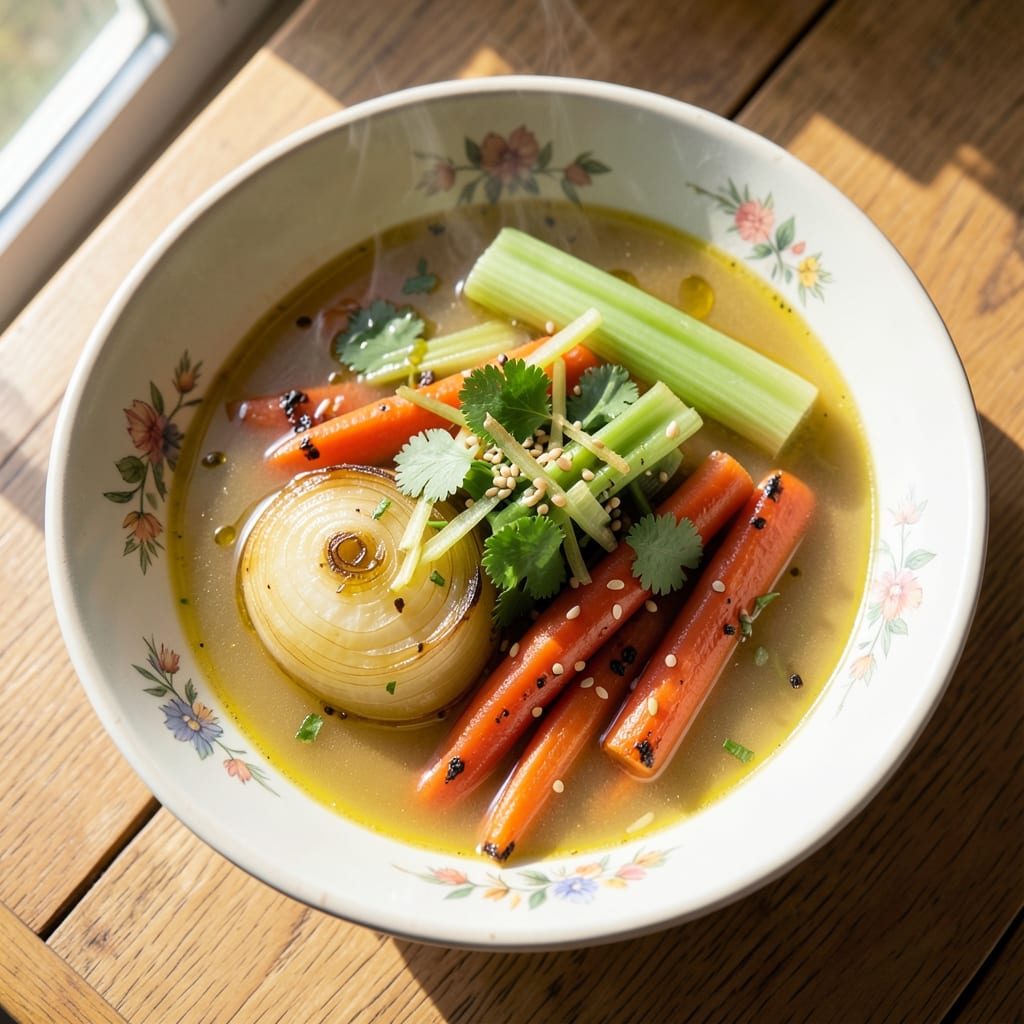
This alkaline vegetable soup recipe delivers a gut-soothing, nutrient-packed meal that supports balanced pH levels while keeping prep under 25 minutes. The secret lies in mineral-rich vegetables like kale, celery, and spinach—naturally alkaline when combined with lemon juice and fresh herbs. I developed this recipe after years of experimenting with plant-based soups that actually nourish rather than disrupt digestion.
The foundation is simple: a base of sautéed garlic and ginger (anti-inflammatory powerhouses) paired with a mix of cruciferous and leafy greens that alkalize the body. A splash of lemon juice at the end not only brightens flavors but also helps maintain that all-important alkaline balance. This isn't just another vegetable soup—it's a therapeutic bowl that works as hard as it tastes good.
What you'll end up with is a vibrant, aromatic soup with a velvety texture from blended greens and a subtle tang from the lemon. The broth is rich in electrolytes from vegetables like cucumber and zucchini, while herbs like parsley and cilantro add freshness without overpowering. Each spoonful delivers fiber, antioxidants, and minerals that support digestion and energy levels.
Perfect for meal prep or an instant lunch, this recipe scales easily for crowds while maintaining its health benefits. The best part? No special equipment needed—just a pot, a blender (optional), and fresh ingredients. Let's create this nourishing, alkaline-friendly meal that your body will thank you for.
Ingredients for alkaline vegetable soup
Sixteen nutrient-dense ingredients transform into a vibrant, alkaline-balancing soup in under 25 minutes.
| Ingredient | Amount | Notes |
|---|---|---|
| Extra-Virgin Olive Oil 🫒 | 2 tbsp | Cold-pressed, unrefined for nutrients |
| Yellow Onion 🧅 | 1 whole | Medium size, finely diced |
| Garlic Cloves 🧄 | 3 cloves | Fresh, peeled, minced |
| Fresh Ginger 🌿 | 1 tbsp | Grated, organic preferred |
| Carrots 🥕 | 2 medium | Organic, peeled, sliced |
| Celery Stalks 🧅 | 3 whole | Organic, trimmed, chopped |
| Zucchini 🥒 | 1 medium | Organic, sliced into half-moons |
| Cucumber 🥒 | 1 medium | Organic, peeled, chopped |
| Kale Leaves 🌱 | 2 cups | Organic, stems removed, chopped |
| Baby Spinach 🌿 | 2 cups | Organic, loosely packed |
| Fresh Parsley 🌿 | ¼ cup | Organic, chopped for garnish |
| Fresh Cilantro 🌿 | ¼ cup | Organic, chopped for garnish |
| Lemon Juice 🍋 | 2 tbsp | Freshly squeezed, organic |
| Vegetable Broth 💧 | 4 cups | Low-sodium, organic preferred |
| Sea Salt 🧂 | 1 tsp | Fine grain, unrefined |
| Black Peppercorns 🌶️ | ½ tsp | Freshly ground, organic |
The foundation of this soup relies on organic produce—kale, spinach, and celery are non-negotiable for their mineral content. Whole Foods or local farmers markets offer the freshest options, but any organic section will work. For the ginger, look for firm, aromatic roots with no soft spots. The carrots and zucchini should be firm with vibrant color—avoid any with blemishes. Fresh herbs like parsley and cilantro elevate the flavor profile, so don't compromise on quality here. The vegetable broth is critical; low-sodium options like Pacific Foods ensure you're not over-salting your soup.
No organic produce? Conventional vegetables are fine, but give them a thorough rinse before chopping. Short on kale? Substitute Swiss chard or collard greens at the same quantity. The lemon juice can be replaced with lime juice for a tangier twist. For extra creaminess without dairy, blend half the soup and return it to the pot—no special equipment needed. The parsley and cilantro are purely for garnish, but if you're missing one, use the other doubled. The broth can be homemade or store-bought, but avoid bouillon cubes with added MSG.
This soup keeps beautifully for 4-5 days in the fridge, with flavors deepening over time. For longer storage, freeze in airtight containers for up to 3 months. The lemon juice and fresh herbs are best added just before serving, but the rest of the soup reheats perfectly. Portion into meal prep containers with a small amount of broth—the greens will wilt less. For an extra boost, add a pinch of turmeric to the broth before simmering; it enhances alkalinity and adds vibrant color.
Why You'll Love This Recipe
- Here’s what sold me: this soup reheats like a dream and keeps for days in the fridge. Pack it in a thermos for work or school—it’s hearty enough to fill you up but light enough to not weigh you down. (Yes, even on a Tuesday night when you’re running late.)
- I’ll be real: this recipe costs me pennies per serving. Carrots, onions, garlic, and ginger are all pantry staples, and olive oil stretches far. Double the batch, freeze half, and you’ve got a month’s worth of cheap, nourishing meals. It’s my go-to when groceries feel tight but I still want something flavorful.
Step-by-step instructions for alkaline vegetable soup
Master this nutrient-packed soup in under 25 minutes using alkaline-friendly ingredients.
Sauté the Aromatic Base
Heat the 2 tablespoons extra-virgin olive oil in a large pot over medium heat. Add the 1 whole yellow onion, 3 cloves garlic, and 1 tablespoon grated fresh ginger. Sauté for 4-5 minutes until the onion becomes translucent and the garlic releases its aromatic oils.
This foundational step develops deep flavor while preserving the alkaline properties of these vegetables. Stir occasionally to prevent browning—you want soft, sweet aromatics, not crispy bits. The olive oil's cold-pressed quality ensures maximum nutrient retention throughout the cooking process.
Add Root Vegetables and Celery
Increase heat to medium-high and add the 2 medium carrots, 3 whole celery stalks, and 1 medium zucchini sliced into half-moons. Cook for 5-6 minutes until the carrots begin to soften slightly and the celery turns bright green.
I recommend stirring every 2 minutes to ensure even cooking. The zucchini should maintain its shape while the carrots develop a tender texture. This stage is crucial for balancing the soup's alkalinity—carrots are particularly alkaline-forming, helping counteract any acidity from the broth.
Incorporate Leafy Greens and Broth
Add the 1 medium cucumber (peeled and chopped), 2 cups kale leaves, and 2 cups baby spinach to the pot. Pour in the 4 cups vegetable broth and bring to a gentle boil. Reduce heat to medium-low and simmer for 8-10 minutes until all vegetables are tender but still vibrant.
Watch the spinach carefully—it cooks in just 2-3 minutes after adding. The kale should wilt completely while maintaining its color. This simmering time ensures the leafy greens retain their alkaline properties while becoming perfectly tender. Stir occasionally to prevent sticking.
Finish with Acidic Balance and Seasoning
Remove from heat and stir in the 2 tablespoons lemon juice, 1 teaspoon sea salt, and ½ teaspoon freshly ground black peppercorns. The lemon juice adds a bright acidity that enhances the soup's alkaline benefits by promoting better nutrient absorption.
Let the soup rest for 5 minutes before serving. This resting period allows flavors to meld completely. The lemon juice not only balances the soup's alkalinity but also brightens the entire dish. Taste and adjust seasoning if needed—this is where you can fine-tune the perfect balance between alkaline and acidic elements.
Garnish and Serve for Optimal Nutrition
Ladle the soup into bowls and garnish with the ¼ cup fresh parsley and ¼ cup fresh cilantro. These herbs add visual appeal while providing additional alkaline benefits and fresh flavor.
Serve immediately while hot. The combination of alkaline vegetables with a touch of lemon creates a soup that supports gut health and maintains the body's natural pH balance. Each serving contains a perfect balance of nutrients while being light enough for daily consumption.
Pro Tips For Making Alkaline Vegetable Soup
- Sweat the Onion Low: I used to rush this and end up with bitter, charred bits—don’t. Cook the onion over medium-low heat with a splash of water for 8-10 minutes until it’s translucent and soft. That’s when the natural sweetness comes out and the soup’s base stops tasting like a sad office lunch.
- Grate the Ginger Fine: Skip the mincer or big chunks—you want this stuff to dissolve. Use a microplane or the smallest holes on a box grater. Too much? Strain it out later. Too little? You’ll just taste the carrots and onions for the first 10 minutes.
- Salt the Water Early: Add 1-2 teaspoons of salt to the broth before dumping in the veggies. It seasons the carrots and onions as they cook, not just at the end. (Yes, even if your recipe says "season to taste" later—this is the thing that matters most.)
- Simmer, Don’t Boil: Once everything’s in, keep the heat at a bare simmer—tiny bubbles, occasional swirls. Boiling turns alkaline soups mushy and bitter. I learned this the hard way after a pot of carrots turned to mush in 15 minutes. Cover it and let it work quietly.
Best sauces and condiments for this dish
Lemon-Ginger Dressing
Start with 2 tablespoons lemon juice and 1 tablespoon grated fresh ginger whisked together with 1 tablespoon extra-virgin olive oil. This bright, zesty dressing enhances the soup's alkaline benefits by adding a touch of acidity that aids digestion. Drizzle just before serving to preserve freshness—it's like a flavorful probiotic boost for your bowl. 💛
Avocado Cream Swirl
Blend ½ ripe avocado with 2 tablespoons lemon juice, 1 tablespoon olive oil, and a pinch of sea salt until smooth. Swirl this creamy, nutrient-rich topping into each serving for healthy fats that balance the soup's alkalinity. The avocado's potassium content complements the soup's mineral profile beautifully.
Spicy Turmeric Oil
Heat 1 tablespoon olive oil with ½ teaspoon ground turmeric and ¼ teaspoon cayenne pepper until fragrant. Drizzle over the soup just before eating—turmeric's anti-inflammatory properties enhance the alkaline benefits while adding vibrant color. This spicy kick is perfect for those who want extra metabolic support. ✨
Miso-Garlic Drizzle
Mix 1 teaspoon white miso paste with 1 teaspoon warm vegetable broth and 1 minced garlic clove. This umami-rich drizzle adds depth while providing probiotic benefits from the fermented miso. Stir gently into individual servings to maintain the soup's delicate balance of alkaline and acidic elements.
Fresh Herb Oil
Infuse 2 tablespoons olive oil with 1 tablespoon each chopped parsley and cilantro, then strain. Drizzle over the soup for a fresh, aromatic finish. The herbs not only enhance flavor but also contribute additional alkaline minerals. This simple topping transforms an ordinary bowl into a nutrient-packed experience.
Nutrition facts
Frequently asked questions
Why does this soup use lemon juice if it's supposed to be alkaline?
The lemon juice creates a perfect balance! While citrus is acidic, its alkalizing effect occurs after digestion. The small amount used here enhances flavor while supporting the body's natural pH balance when metabolized. Think of it as a digestive aid that actually helps maintain alkalinity over time.
Can I make this soup without a blender for creaminess?
Simply omit the blending step and enjoy the soup with all its textural elements. For extra richness, mash half the cooked vegetables with a potato masher before adding broth. The natural sweetness of carrots and celery will create a velvety consistency without blending.
What vegetables can I substitute if I don't have kale or spinach?
Great alternatives include Swiss chard, collard greens, or even bok choy. For a different alkaline profile, try adding ½ cup chopped broccoli stems (rich in calcium) or 1 cup chopped watercress (extra mineral content). Just maintain the 4 cups total leafy greens measurement.
How does this soup help with digestion?
The combination of ginger, garlic, and alkaline vegetables creates a gut-soothing effect. Ginger reduces inflammation, garlic supports microbiome health, and the fiber-rich vegetables promote regular digestion. The lemon juice aids digestion while the broth's electrolytes help maintain proper hydration balance.
Can I prepare this soup ahead of time for meal prep?
Yes! Make the soup up to 3 days ahead and store in airtight containers. Reheat gently on the stove, adding a splash of water if needed. Hold off on adding lemon juice until serving to preserve its freshness and maximum alkalizing benefits. The flavors actually improve overnight!