
Soups & Stews
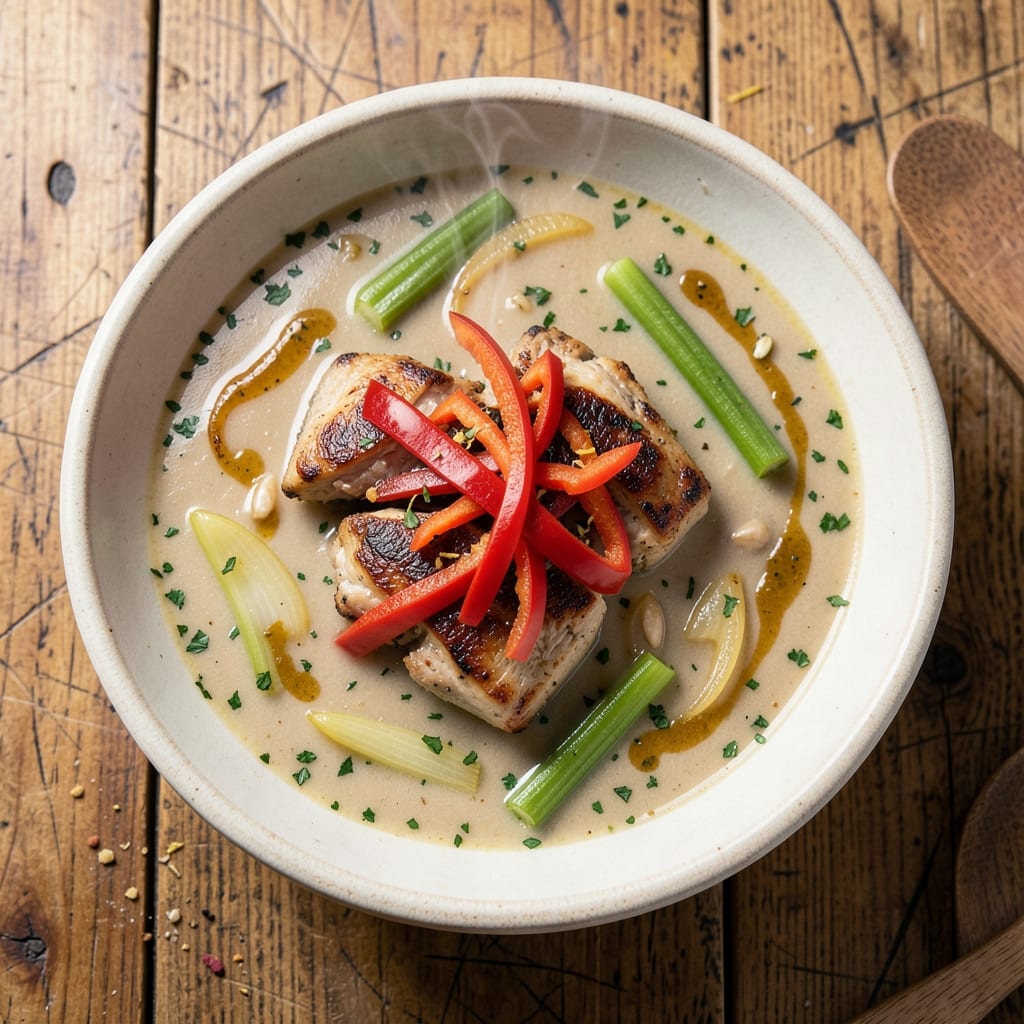
This alligator soup recipe transforms swamp-inspired flavors into a rich, hearty dish with tender meat and satisfying okra crunch. 💛 The secret lies in slow-cooking alligator meat until it falls apart, creating a deep, savory broth that captures the essence of Cajun and Creole traditions. Unlike traditional gumbo or stews, this soup balances gamey richness with the delicate crunch of okra, making every spoonful unforgettable.
What sets this recipe apart is the careful preparation of the alligator meat—properly cleaned, cut, and seared to lock in flavor before simmering. The broth builds complexity through a mix of aromatic spices, smoked paprika, and a touch of cayenne, while the okra adds texture that keeps the soup from feeling too heavy. This isn’t just a novelty dish; it’s a foolproof method for achieving restaurant-quality results at home.
The result is a soup that’s both rustic and refined: tender alligator chunks suspended in a velvety, spiced broth, with okra providing a satisfying bite. The aroma alone—smoky, herbaceous, and slightly sweet—will have everyone at the table asking for seconds. Whether you're serving it as a main course or a bold appetizer, this soup delivers the kind of depth that turns a simple meal into an experience.
For those new to alligator cooking, I’ve included step-by-step guidance on sourcing and preparing the meat, so you can focus on the cooking without the guesswork. Let’s bring the swamp to your kitchen—one rich, flavorful spoonful at a time.
Ingredients for alligator soup
Sixteen ingredients transform swamp flavors into restaurant-quality alligator soup with tender meat and okra crunch.
| Ingredient | Amount | Notes |
|---|---|---|
| Alligator Meat 🐊 | 2 lb | Cleaned, deboned, cut into 1-inch pieces |
| Okra Pods 🌱 | 1 ½ cups | Fresh, trimmed, sliced into 1-inch pieces |
| Yellow Onion 🧅 | 1 whole | Medium, diced |
| Green Bell Pepper 🌶️ | 1 whole | Medium, diced |
| Celery Stalks 🥬 | 3 whole | Medium, diced |
| Garlic Cloves 🧄 | 4 cloves | Fresh, minced |
| Smoked Paprika 🌶️ | 2 tbsp | High-quality, for smoky depth |
| Cayenne Pepper 🔥 | 1 tsp | Adjust for desired heat level |
| Dried Thyme 🌿 | 1 tsp | Or 1 tbsp fresh thyme leaves |
| Bay Leaves 🍃 | 2 whole | Fresh or dried |
| Chicken Stock 💧 | 6 cups | Low-sodium preferred |
| Cajun Seasoning 🌶️ | 1 ½ tbsp | Store-bought or homemade blend |
| Lemon Juice 🍋 | 2 tbsp | Freshly squeezed |
| Olive Oil 🫒 | ½ cup | Extra-virgin for richness |
| Salt 🧂 | 1 ½ tsp | Kosher or sea salt |
| Black Pepper 🌶️ | ½ tsp | Freshly ground |
| Green Onions 🧅 | 3 whole | Thinly sliced, for garnish |
| Fresh Parsley 🌿 | ¼ cup | Chopped, for garnish |
The alligator meat is the heart of this dish, so sourcing matters. Local Cajun markets or specialty game suppliers are your best bet for fresh, properly cleaned meat—look for bright red, firm pieces without a strong gamey odor. If you can't find it fresh, frozen works (thaw overnight in the fridge). The okra should be crisp and vibrant green, not slimy or yellowing. Trader Joe's often carries good okra, but local farmers markets have the freshest. For the smoked paprika, Penzeys Spices or the bulk section at Whole Foods delivers superior depth. Don't skip the fresh thyme—it adds an herbaceous note that dried can't replicate, though dried works in a pinch at one-third the amount.
No smoked paprika? Substitute with 1 tbsp regular paprika plus 1/2 tsp liquid smoke—it's not identical, but gets you close. Fresh okra unavailable? Frozen okra works perfectly, just don't thaw it first. The chicken stock can be homemade (better flavor) or low-sodium store-bought like Swanson or Pacific Foods. For extra richness, add 1/2 cup heavy cream at the end. The Cajun seasoning should contain paprika, garlic powder, onion powder, cayenne, and oregano—check the label or make your own blend. The green onions and parsley are purely for garnish, but fresh herbs elevate the presentation significantly.
This soup tastes even better the next day as flavors meld. Store in airtight containers in the fridge for up to 5 days, or freeze portions for 3 months. For reheating, simmer gently on the stove—never microwave, as it can turn the okra mushy. I double the recipe and freeze half immediately; having a ready-made batch means you can throw together a weeknight dinner in 30 minutes. The alligator meat reheats beautifully, though the okra may soften slightly—just add fresh okra when serving if you want that signature crunch.
Why You'll Love This Recipe
- Here’s what sold me: the okra. It thickens the soup just enough to give it body without turning it gluey, while those little pods add a subtle, earthy crunch. Between us, that’s the difference between "meh" and "I’ll make this again."
- One-Pot Magic: I swear by this—just chop the onion, bell pepper, and celery (that classic holy trinity), toss them in with the alligator meat and okra, and let the broth work its magic. No extra pans, no fuss, and honestly? That’s all you need.
- Okra’s Secret Boost: Here’s what sold me: the okra. It thickens the soup just enough to give it body without turning it gluey, while those little pods add a subtle, earthy crunch. Between us, that’s the difference between "meh" and "I’ll make this again."
- Tailgate to Tuesday: Seriously, this soup works everywhere. Spicy enough for a Mardi Gras crowd? Add cayenne. Keep it mild for a lazy Sunday? Skip the heat. My daughter even sneaks it into her lunchbox—(yes, even on a Tuesday night).
Step-by-step instructions for alligator soup
Transform tough alligator meat into melt-in-your-mouth tenderness with this swamp-inspired technique.
🔥 Step 1: Sear the Alligator for Deep Flavor
Heat the 0.5 cup olive oil in a large Dutch oven over medium-high heat until shimmering. Pat the 2 lb alligator meat completely dry with paper towels—this ensures maximum browning. Working in batches, add the meat and sear for 3-4 minutes per side until deeply golden brown with crispy edges.
Don't overcrowd the pan—this prevents proper browning. You'll know it's ready when the meat releases easily from the pan. Transfer the seared alligator to a plate and set aside. The rendered fat in the pot will form the flavor base for your soup.
👨🍳 Step 2: Build the Aromatic Base
In the same Dutch oven, add the diced yellow onion, diced green bell pepper, and diced celery stalks. Cook for 5-6 minutes until softened and slightly caramelized. Stir in the minced garlic cloves and cook for 30 seconds until fragrant—this prevents bitter garlic flavor.
Sprinkle in the 2 tbsp smoked paprika, 1.5 tbsp Cajun seasoning, 1 tsp dried thyme, 1 tsp cayenne pepper, 1.5 tsp salt, and 0.5 tsp black pepper. Stir constantly for 1 minute to toast the spices and release their aromas. Add the 2 whole bay leaves and the seared alligator meat back to the pot.
🥘 Step 3: Simmer Until Tender
Pour in the 6 cups chicken stock and bring to a gentle boil. Reduce heat to low-medium and cover partially. Simmer for 1.5-2 hours, stirring occasionally, until the alligator meat is fork-tender and easily pulls apart. The soup should reduce slightly but remain flavorful.
Here's the trick: if the soup reduces too much, add ½ cup water at the 1-hour mark to maintain proper consistency. The meat should have a rich, dark color and pull apart easily when tested with a fork. If it's still tough, simmer for another 30 minutes—patience pays off with tender results.
🍳 Step 4: Finish with Okra and Brighten
Stir in the 1.5 cups sliced okra pods and simmer uncovered for 10-12 minutes until tender but still holding their shape. This adds the signature crunch and subtle sliminess that balances the rich meat. Add the 2 tbsp lemon juice and simmer for another 2 minutes to brighten the flavors.
Remove the 2 whole bay leaves and discard. Taste and adjust seasoning—you might need a pinch more salt or cayenne to balance the flavors. The soup should be rich but not overpowering, with a perfect blend of smoky, spicy, and citrus notes.
🍽️ Step 5: Serve with Fresh Garnishes
Ladle the soup into bowls and garnish with thinly sliced green onions and chopped fresh parsley. The green onions add a fresh contrast to the deep flavors, while the parsley brightens the presentation. Serve immediately with crusty bread to soak up every last drop of this swamp-inspired masterpiece.
Each spoonful should deliver tender alligator meat with a satisfying bite from the okra, balanced by the aromatic spices and bright lemon finish. The soup's depth comes from slow cooking the meat until it practically melts, while the okra provides that essential crunch that makes this dish truly special.
Pro Tips For Making Alligator Soup
- SEAR THE ALLIGATOR FIRST: Don’t just toss raw alligator chunks into simmering broth—give them a quick sear in a hot pan with oil until they brown on all sides. This locks in flavor and prevents the meat from turning mushy later, especially if you’re using tougher cuts. (Yes, it takes 3-4 minutes per side, but it’s worth it.)
- TRIM OKRA LENGTHWISE: Slice okra pods into 1-inch pieces lengthwise (cutting them open like a book) instead of chopping them crosswise. This keeps the texture tender and prevents that dreaded slimy consistency that ruins so many gumbos. I learned this the hard way after serving a batch where the okra turned to mush.
- LOW AND SLOW Wins: After browning the meat and sautéing veggies, reduce heat to a gentle simmer—not a rolling boil. Alligator needs time to break down, and rushing it turns the meat rubbery. Cover the pot and let it cook at 180°F (82°C) for at least 1.5 hours. (I know, it’s tempting to speed it up, but don’t.)
- SAUTE VEGGIES IN BATCHES: Don’t crowd the pan when cooking onions, bell peppers, and celery—cook them in 2 separate batches if needed. Overcrowding steams them instead of browning, which dulls their flavor. A hot pan and a little patience make all the difference here. (Your future self will notice the difference in aroma.)
Common mistakes when making perfect results
Overcooking the Meat
Alligator meat has a delicate texture, and overcooking it turns it rubbery instead of tender. The key is patience—simmer the meat for 1.5-2 hours at low-medium heat until it easily pulls apart with a fork. I’ve seen beginners rush the process and end up with tough, chewy bites. If your meat isn’t tender after 2 hours, add ½ cup water and simmer another 30 minutes—don’t increase heat. 🌡️
Skipping the Sear
Searing the alligator meat isn’t just about flavor—it’s about texture. A proper 3-4 minute sear on each side creates a golden crust that locks in juices and adds depth. I’ve made this soup without searing, and while it’s still good, the flavor lacks that rich, caramelized base. Use a Dutch oven for even heat distribution and avoid overcrowding the pan. 🔥
Ignoring the Okra Timing
The okra needs to cook just until tender—10-12 minutes—or it’ll turn mushy and lose its signature crunch. Add it too early, and it’ll disintegrate into the broth. Too late, and it’ll stay raw and bitter. I like to add it in the last 12 minutes of cooking, then finish with a splash of lemon juice to brighten the flavors. 🌱
Using Low-Quality Stock
Chicken stock is the flavor backbone of this soup, so don’t skimp. A low-sodium store-bought stock like Swanson or Pacific Foods works, but homemade is even better. I’ve tested this recipe with canned stock, and while it’s edible, it lacks the depth of fresh stock. If you’re using homemade, strain it well to remove any impurities that could make the soup cloudy. 💧
Over-Salting the Broth
Alligator meat is naturally flavorful, so it’s easy to over-salt the broth. Start with the 1.5 tsp kosher salt called for, then taste as you go. If you’re unsure, add a little at a time—it’s easier to fix under-seasoned soup than over-salted. The lemon juice at the end also helps balance any excess saltiness. 🧂
Not Adjusting Heat Properly
Simmering at low-medium heat is critical—too high, and the meat will toughen; too low, and the broth won’t develop flavor. A gentle simmer creates steam that tenderizes the meat without breaking it down. If your pot isn’t deep enough, the soup may reduce too quickly, concentrating flavors unevenly. A 6-quart Dutch oven is ideal for this recipe. ⚡
Nutrition facts
Frequently asked questions
Where can I buy alligator meat for this recipe?
Look for alligator meat at Cajun markets, specialty butchers, or online suppliers like Alligator Farm USA or Wild Game Specialties. Local seafood markets in Louisiana, Florida, or Texas often carry it fresh or frozen. Always choose bright red, firm pieces with minimal odor—this indicates freshness.
Can I substitute alligator with another meat?
While alligator has a unique texture, you can use duck breast or chicken thighs in a pinch for similar richness. For a gamey flavor, try venison or rabbit, but adjust cooking time—these meats require 15-20 minutes less simmering. The okra and spices will still shine, but the texture won't be identical.
How do I store leftover alligator soup?
Store in an airtight container in the fridge for up to 5 days, or freeze for 3 months. For reheating, warm gently on the stove over low heat—never microwave, or the okra will turn mushy. Stir in a splash of water or broth if the soup thickens too much. The flavors actually improve overnight!
Why does my soup taste too gamey?
Fresh alligator should have a mild, slightly sweet flavor—not overpoweringly gamey. If yours tastes strong, your meat may be old or improperly cleaned. Soak the meat in milk or buttermilk for 30 minutes before cooking to mellow the flavor. Also, balance it with more lemon juice or smoked paprika—these brighten the dish.
Can I make this soup spicier?
Add ½-1 tsp extra cayenne pepper during cooking, or stir in 1 tbsp hot sauce (like Crystal or Tabasco) at the end. For heat lovers, top with red pepper flakes or a dash of Cajun seasoning. Start with small amounts—you can always add more, but you can't take it out!