
Soups & Stews
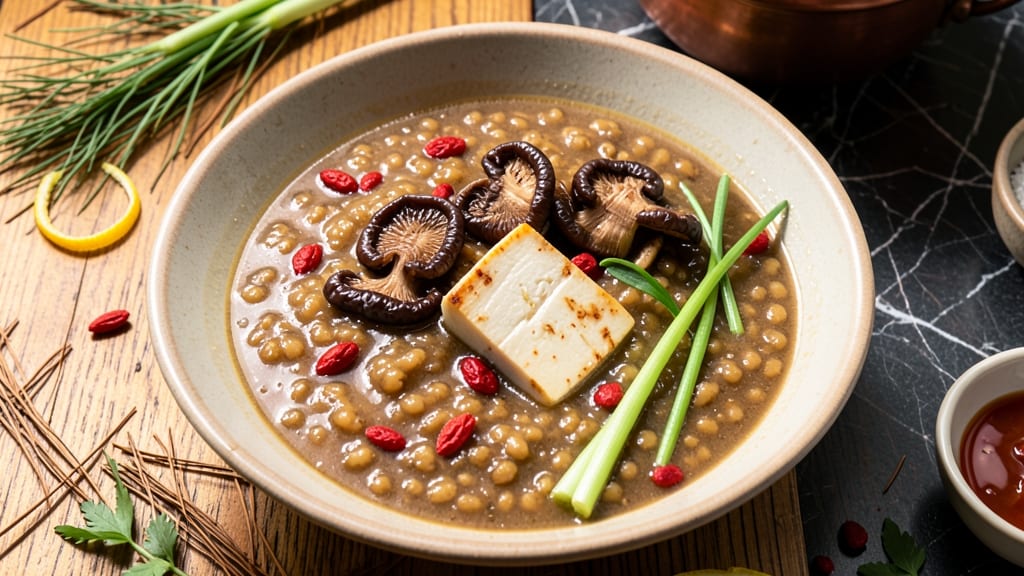
This Chinese-inspired amaranth soup transforms humble grains into a fragrant, nutty elixir that bridges tradition and modern vegetarian dining. 🌿 The secret lies in simmering amaranth—known in Chinese cuisine as gan qie—with ginger, lemongrass, and shiitake mushrooms until the broth achieves that signature depth.
Beyond its earthy richness, amaranth offers medicinal benefits, making this more than just a meal; it’s a nourishing experience rooted in centuries-old wisdom.
The beauty of this recipe is its adaptability—whether you’re using dried amaranth grains or fresh shoots, the technique remains simple yet transformative. A slow simmer (about 45 minutes) allows the amaranth to soften while absorbing the aromatic broth, creating a texture that’s both hearty and delicate.
The addition of goji berries and fermented tofu adds layers of umami and probiotic richness, balancing the soup’s earthy undertones.
What you’ll end up with is a steaming bowl of golden-hued soup, where each spoonful delivers a harmony of nutty amaranth, tangy ginger, and herbal lemongrass. The broth is fragrant enough to fill your kitchen with warmth, while the amaranth’s chewy texture provides satisfying substance.
This dish isn’t just a recipe—it’s a celebration of how ancient grains can elevate modern, health-conscious cooking.
Perfect for weeknight dinners or as a light yet filling vegetarian main, this soup pairs beautifully with steamed rice or a sprinkle of toasted sesame seeds. Let’s bring the flavors of Chinese tradition to your table with this nourishing, nutrient-packed creation.
Ingredients for amaranth soup recipe chinese
Nutty amaranth meets fragrant ginger-lemongrass broth in this vegetarian masterpiece—simple ingredients, deep flavors.
| Ingredient | Amount | Notes |
|---|---|---|
| Dried Amaranth Grains 🌾 | ½ cup | Rinsed before cooking |
| Dried Shiitake Mushrooms 🍄 | 4 whole | Rehydrated in hot water |
| Fresh Lemongrass 🌿 | 1 whole | Bruised stems only, chopped |
| Fresh Ginger Root 🧄 | 1 inch | Thinly sliced, peeled |
| Goji Berries 🍇 | ¼ cup | Dried, rinsed |
| Fermented Tofu 🧀 | 8 oz | Cubed, rinsed |
| Vegetable Broth 💧 | 4 cups | Low-sodium preferred |
| Garlic Cloves 🧄 | 3 cloves | Minced |
| Sesame Oil 🫒 | 1 tbsp | Toasted for aroma |
| Low-Sodium Soy Sauce 🥢 | 1 tbsp | For umami depth |
| Honey 🍯 | 1 tsp | Or agave for vegan option |
| White Miso Paste 🍶 | 1 tbsp | Dissolved in broth |
| Green Onions 🧅 | 2 whole | Sliced, for garnish |
| Toasted Sesame Seeds 🌰 | 1 tbsp | For serving |
| Sea Salt 🧂 | ½ tsp | Diamond Crystal preferred |
Amaranth is the star here—look for organic grains at Whole Foods or Asian markets for the best texture. The dried shiitake mushrooms should be plump and dark; Trader Joe's carries great quality. Fresh lemongrass is non-negotiable for that signature aroma—skip the bottled stuff. For fermented tofu, Asian grocery stores have it pre-packaged, or make your own by fermenting regular tofu in brine for 3-5 days. The goji berries? Mountain Rose Herbs sells them in bulk—just rinse to remove dust before using.
No lemongrass? Lime zest plus a splash of lime juice gets you close. Fresh ginger too pungent? Ground ginger at half the amount works in a pinch. Running low on fermented tofu? Regular firm tofu pressed and cubed still adds body. The miso paste can be white or red—Miso Master brand is my go-to. For extra richness, add a splash of coconut milk at the end, but trust me, the amaranth's nutty flavor shines on its own. The broth? Homemade is ideal, but even low-sodium store-bought works if you dilute with water.
This soup tastes even better the next day—4-5 days in the fridge, covered. Freezes beautifully for 3 months if you portion it into containers first. Reheat gently on the stove with a splash of water to restore that silky texture. The amaranth will soften further, so plan for slightly thicker portions when reheating. Garnish with fresh herbs or sesame seeds right before serving—they add that restaurant-quality finish. Store the broth separately if you want to reuse it for other dishes.
Why You'll Love This Recipe
- No-Soaking Needed: I swear by this trick—just rinse those dried amaranth grains, and they’re ready to go. No overnight soaking, no fuss, and still that satisfying chewiness that makes it feel special.
- Umami Bomb Combo: The shiitake mushrooms soak up all the ginger and lemongrass, turning the broth into something deeply savory. Add a handful of goji berries at the end, and suddenly it’s bright, chewy, and ridiculously good—like a hug in a bowl.
- Lunchbox Hero: Between us, this soup is my go-to for meal prep. It reheats like a dream, keeps for days in the fridge, and I’ll pack it in my kids’ lunches—even though they complain about the amaranth (but eat it anyway).
- Pantry Magic: Honestly, I keep this recipe in rotation because it’s cheap and clever. Dried shiitake and amaranth last forever, and a few stalks of lemongrass stretch across multiple batches. Fancy enough for company, but made with stuff I already have.
Step-by-step instructions for nutty amaranth-ginger soup
This fusion of ancient grains and fragrant Chinese flavors comes together in just 30 minutes—easier than you think.
🍳 Step 1: Rehydrate Shiitake Mushrooms and Infuse the Broth
First, place the 4 whole dried shiitake mushrooms in a heatproof bowl and pour 2 cups of boiling vegetable broth over them. Let them soak for 15 minutes until fully rehydrated and plump. While they soak, add the 1 tbsp white miso paste and 1 tsp honey to the remaining 2 cups vegetable broth in a saucepan.
Bring this mixture to a gentle simmer over medium heat, then add the bruised stems of 1 whole fresh lemongrass and 1 inch thinly sliced fresh ginger root. Simmer uncovered for 10 minutes—you'll notice the broth develops a beautiful golden hue and aromatic steam. This infusion creates the fragrant base for your soup.
👨🍳 Step 2: Toast Amaranth and Prepare Aromatics
While the broth simmers, dry-toast the 0.5 cup dried amaranth grains in a clean skillet over medium heat for 3-4 minutes until they release a nutty aroma and turn slightly golden. This toasting step enhances their flavor and prevents a raw taste in the soup. Transfer them to a small bowl and set aside.
In the same skillet, heat 1 tbsp sesame oil over medium heat until shimmering. Add the 3 minced garlic cloves and cook for 30 seconds until fragrant—don't let them brown or they'll turn bitter. Remove from heat and set aside with the toasted amaranth.
🥘 Step 3: Build the Soup Base
Strain the infused broth through a fine-mesh sieve to remove the lemongrass and ginger, discarding the solids. Return the strained broth to the saucepan and add the rehydrated shiitake mushrooms (sliced), 8 oz cubed fermented tofu, 1 tbsp low-sodium soy sauce, and 0.5 tsp sea salt. Bring to a gentle boil, then reduce heat to medium-low and simmer for 8 minutes until the tofu is heated through and the flavors meld.
Here's where it gets good: stir in the toasted amaranth and the garlic-sesame oil mixture. Add the 0.25 cup rinsed goji berries and simmer for another 5 minutes. The amaranth will absorb some liquid but maintain its texture—you want it to be tender but still hold its shape. Taste and adjust seasoning with more soy sauce or salt if needed.
🔪 Step 4: Finish and Serve with Garnishes
Remove the soup from heat and let it sit for 2 minutes to allow the flavors to settle. Ladle into bowls and garnish immediately with 2 sliced green onions and 1 tbsp toasted sesame seeds. The contrast of the nutty amaranth, umami mushrooms, and bright ginger-lemongrass broth creates a perfect balance in every spoonful.
This soup tastes even better the next day as the flavors deepen—just reheat gently and add a splash of water if needed. The fermented tofu adds a subtle tang that cuts through the richness, while the goji berries provide a sweet-tart finish. Serve with crusty bread to soak up every last drop of that fragrant broth!
Pro Tips For Making Amaranth Soup Recipe Chinese
- SOAK AMARANTH 8 HOURS: I learned this the hard way—skipping the long soak leaves your amaranth gritty and underwhelming. Use twice the water called for (1 cup amaranth to 2 cups water) and let it sit overnight in the fridge. The texture becomes silky, not mushy, and the flavor absorbs better.
- SLICE SHIITAKES THIN: Thick slices of dried shiitake just don’t break down right. Cut them paper-thin before soaking—about 1mm—so they dissolve into the broth without leaving chewy bits. Pro move: Toss the slices in a pinch of salt before soaking to draw out bitterness.
- GINGER JUICE, NOT SLICES: Fresh ginger loses its punch when simmered whole. Grate it fine, then squeeze out the juice (discard the pulp) for a cleaner, brighter flavor. A tablespoon of juice per recipe is enough—no need to overdo it, or you’ll taste nothing but heat.
- SWEAT GOJI BERRIES FIRST: Toss goji berries in a dry pan for 30 seconds before adding them to the soup. This removes their natural bitterness and prevents them from turning into a slimy mess. (Yes, even if you’re impatient like me—trust the process.)
Creative variations of amaranth soup recipe chinese
Spicy Sichuan Twist
Transform this soup into a fiery Sichuan classic by adding 1 tbsp chili bean paste and ½ tsp Sichuan peppercorns to the broth during infusion. Toast the peppercorns in a dry skillet for 30 seconds until fragrant, then crush lightly before adding.
Finish with 1 tsp chili oil and a sprinkle of dried chili flakes for that signature numbing heat. 🌶️
Winter Warmth Version
For a cozy winter adaptation, swap the lemongrass for 2-inch cinnamon stick and 3 star anise pods, simmering them with the ginger. Add ½ cup chopped daikon radish and 1 tsp grated fresh ginger during the final 5 minutes of cooking.
Garnish with toasted cumin seeds for an earthy finish that pairs beautifully with the amaranth's nuttiness.
Protein-Packed Addition
Boost nutritional value by adding ½ cup cooked lentils or 4 oz sliced tempeh during the last 8 minutes of simmering. For extra umami, stir in 1 tbsp douchi (fermented black bean paste) along with the soy sauce.
The lentils add heartiness while the tempeh introduces a meaty texture without overpowering the delicate amaranth. 💪
Herbal Detox Blend
Create a detox-focused variation by incorporating 1 tsp dried dandelion root and ½ tsp dried astragalus root into the broth infusion. These traditional Chinese herbs support liver health while adding subtle earthy notes.
Add 1 tbsp chopped fresh cilantro at the end for a bright, cleansing finish that complements the soup's warming spices.
Creamy Coconut Fusion
For a tropical twist, stir in ½ cup full-fat coconut milk during the final 5 minutes of simmering. Add ½ tsp turmeric for color and anti-inflammatory benefits.
Garnish with toasted coconut flakes and a drizzle of lime juice to balance the richness. This version works beautifully as a light lunch or refreshing starter. 🥥
Nutrition facts
Frequently asked questions
Can I use fresh amaranth greens instead of dried grains?
Yes, but they require different prep! Fresh amaranth leaves (like spinach) should be blanched for 1 minute in boiling water, then added to the soup during the final 5 minutes of simmering. Use about 2 cups packed leaves per recipe—just remove stems first. The texture will be more delicate than grains, so pair it with extra mushrooms or tofu for heartiness.
Why does my amaranth soup taste bitter?
Bitterness usually comes from overcooking the grains or using too much ginger/lemongrass. Simmer the amaranth for only 5 minutes after adding it (not 10+), and reduce the ginger to ½ inch if needed. For extra depth, stir in 1 tsp honey or ½ cup coconut milk at the end to balance flavors. Freshly toasted amaranth should never taste raw or bitter!
How do I make this soup gluten-free?
Simple swaps make this naturally gluten-free! Replace the soy sauce with 1 tbsp tamari (gluten-free soy sauce) or 1 tbsp coconut aminos. Check your miso paste—white miso is usually gluten-free, but verify the label. For extra umami, add 1 tbsp nutritional yeast when simmering the broth. The amaranth and fermented tofu provide plenty of flavor without gluten.
Can I make this soup ahead of time?
This soup tastes even better the next day. Store in an airtight container in the fridge for up to 5 days—the amaranth softens further, creating a creamier texture. For freezing, portion into containers and keep for 3 months. Reheat gently on low heat with a splash of water to restore the broth's consistency. Garnish fresh when serving for maximum flavor.
What's the best way to serve this soup?
This soup shines as a light meal or starter! Pair it with steamed jasmine rice or crusty sourdough to soak up the fragrant broth. For a complete meal, add a side of stir-fried bok choy or quick-pickled cucumbers. The nutty amaranth and umami mushrooms make it satisfying enough as a main, especially with a sprinkle of toasted sesame seeds and chili oil.