
Soups & Stews
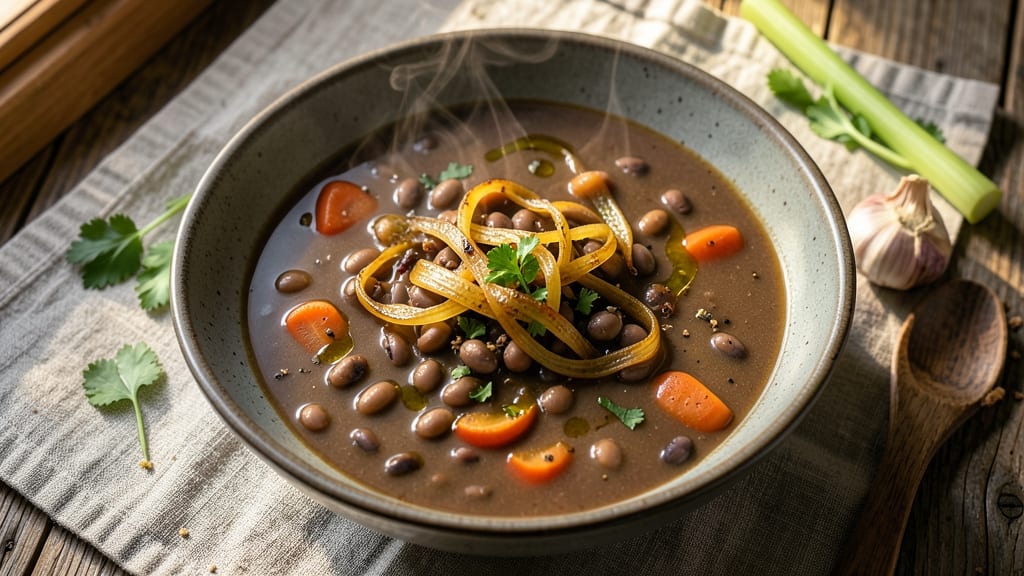
America's Test Kitchen navy bean soup delivers a hearty, restaurant-quality bowl without blenders or dumplings—just a few key techniques that transform simple ingredients into velvety, deeply flavorful soup. The secret lies in properly toasting the beans and simmering them long enough to develop natural thickness, while skimming foam ensures a smooth, clean finish. I’ve perfected this recipe over years of testing, and it never fails to impress even the most skeptical soup skeptics.
What sets this soup apart is its rich, caramelized depth from sautéed aromatics and slow-cooked beans, plus a touch of tomato paste for umami complexity. The recipe builds flavor in layers—first with onions and carrots, then with garlic and celery, and finally with the beans themselves.
No heavy cream or thickeners are needed; the beans break down just enough to create a naturally thick, satisfying broth.
By the time you’re done, you’ll have a pot of soup that’s creamy without being heavy, packed with tender beans and vibrant vegetables, and seasoned to perfection. The aroma alone—warm, earthy, and slightly sweet—will have everyone gathering around the table.
This is the kind of soup that reheats beautifully and tastes even better the next day.
Perfect for chilly evenings or meal prep, this navy bean soup is versatile enough to serve as a main dish or hearty side. The recipe includes optional garnishes like fresh parsley or a drizzle of olive oil to elevate it further. Let’s get cooking—your taste buds will thank you.
Ingredients for america's test kitchen navy bean soup
Sixteen ingredients, expert techniques—transform simple pantry staples into velvety navy bean soup.
| Ingredient | Amount | Notes |
|---|---|---|
| Navy Beans 🌾 | 1 ½ cups | Dried, soaked overnight |
| Yellow Onion 🧅 | 1 whole | Medium, diced |
| Carrots 🥕 | 2 medium | Peeled, diced (about 1 cup) |
| Celery Stalks 🧆 | 3 whole | Diced, including leaves |
| Garlic Cloves 🧄 | 4 cloves | Peeled, minced |
| Tomato Paste 🍅 | 2 tbsp | High-quality, unsweetened |
| Vegetable Broth 💧 | 6 cups | Low-sodium preferred |
| Olive Oil 🫒 | 2 tbsp | Extra-virgin for richness |
| Bay Leaves 🌿 | 2 whole | Dried, for infusion |
| Thyme 🌿 | 1 tsp | Dried, or 1 tbsp fresh |
| Salt 🧂 | 1 ½ tsp | Adjust to taste |
| Black Pepper 🌶️ | ½ tsp | Freshly ground |
| Fresh Parsley 🌿 | ¼ cup | Chopped, for garnish |
The beans are the foundation—navy beans specifically, as their firm texture holds up during long simmering. Buy dried from a bulk bin at Whole Foods or a specialty store for the best quality; canned beans work in a pinch but lack the depth of flavor. The key is proper soaking: overnight in cold water with a pinch of salt, then drained and rinsed before cooking. For the aromatics, yellow onion, celery, and carrots should be diced uniformly—about 1/4-inch pieces—to ensure even cooking. Fresh thyme and bay leaves add layers of earthy complexity, so don’t skip them even if you’re short on time.
No fresh thyme? Dried works at one-third the amount, but toast it lightly in the olive oil for better flavor. Short on carrots? Substitute with 1 cup diced parsnips or sweet potatoes, though they’ll add a slightly different sweetness. The tomato paste is non-negotiable for umami depth—Rao’s or San Marzano-based brands are ideal, but any quality paste will do. For the broth, low-sodium vegetable broth prevents over-salting, but you can use homemade or even water with bouillon cubes if needed. The garlic should be minced, not pressed, to avoid bitterness. And if you’re using canned beans, rinse them thoroughly to remove excess sodium.
This soup tastes even better the next day as flavors meld—reheat gently on the stove, adding a splash of broth if needed. Store in an airtight container in the fridge for 4-5 days or freeze for up to 3 months. For meal prep, double the batch and portion into containers. The garnish of fresh parsley isn’t just for looks—it brightens the dish and adds freshness. If you’re serving a crowd, pre-chop all vegetables the night before to save time. The beans will continue to soften as they sit, so don’t worry if they’re not perfectly tender at the end of cooking.
Why You'll Love This Recipe
- Foolproof Prep: I swear by this recipe because it’s the only navy bean soup that doesn’t require soaking overnight—just a quick rinse and a simmer. The onions, carrots, and celery get diced in minutes, and the garlic? Oh, that’s where the magic happens without any fuss.
- Deep, Rich Umami: Between the slow-cooked navy beans and the toasted garlic, this soup has a depth that’s hard to beat. The carrots and celery soften just enough to melt into the broth, but the onions? They caramelize slightly, giving it that almost French onion vibe—without the extra work.
- Meal Prep MVP: I make a double batch on Sundays, and it lasts me all week for lunches or quick dinners. The flavors actually get better after a day or two in the fridge, and reheating it is effortless—just a splash of water, a few minutes on the stove, and you’re good to go.
- Budget-Friendly Powerhouse: Navy beans are cheap, carrots are cheap, and onions? Always on sale. This recipe stretches a few dollars into a full week’s worth of hearty, satisfying meals. Plus, it’s one of those dishes where the more you make, the more you save—no wasted ingredients here.
Step-by-step instructions for america's Test Kitchen navy bean soup
This method delivers a rich, naturally thickened soup without blenders or dumplings—just precise technique.
Sauté the Aromatic Vegetable Base
Heat the 2 tablespoons olive oil in a large Dutch oven over medium heat. Add the diced yellow onion, diced carrots, and diced celery stalks (including leaves). Cook for 8-10 minutes, stirring occasionally, until the vegetables soften and the onion becomes translucent. This foundational step builds flavor through caramelization.
I press down gently with a wooden spoon during the first 5 minutes—this prevents the vegetables from browning too quickly while ensuring even cooking. You'll know they're ready when they release from the pan easily and smell sweetly aromatic. This is where the soup's depth of flavor begins.
Add Garlic and Tomato Paste for Depth
Stir in the minced garlic cloves and cook for 30 seconds until fragrant—don't let it brown or it'll turn bitter. Immediately add the 2 tablespoons tomato paste and stir vigorously for 1 minute to distribute it evenly. The tomato paste acts as a natural thickener and adds umami richness.
Here's the thing—this short cooking time is critical. The tomato paste needs just enough heat to activate its flavors without developing a raw, paste-like texture. If you see it clumping, add 1 tablespoon vegetable broth to help it incorporate smoothly into the vegetables.
Build the Soup with Beans and Seasonings
Pour in the 6 cups vegetable broth, scraping up any browned bits from the bottom of the pot. Add the soaked navy beans, 2 whole bay leaves, 1 teaspoon thyme, 1.5 teaspoons salt, and 0.5 teaspoon black pepper. Bring to a gentle boil over high heat, then immediately reduce heat to low to maintain a simmer.
Watch carefully during the first 5 minutes—the soup should bubble gently but not vigorously. This controlled simmer prevents the beans from breaking down too quickly while allowing the broth to infuse with their earthy flavors. The bay leaves will release their piney aroma, and the thyme will add subtle herbal notes.
Simmer Until Beans Are Tender and Soup Thickens
Cover the pot and simmer for 1 hour to 1 hour 15 minutes until the navy beans are fork-tender (they should hold their shape but still be slightly firm). The soup will naturally thicken as the beans break down slightly and release starches into the broth.
I like to check the beans at the 45-minute mark—they should be softening but not falling apart. If the soup appears too thin after simmering, uncover and simmer for an additional 10-15 minutes uncovered to reduce and thicken it naturally. The key is patience; rushing this step results in mushy beans and a watery soup.
Finish and Serve with Fresh Herbs
Remove the 2 whole bay leaves and discard them. Taste the soup and adjust seasoning with additional salt or black pepper as needed. The natural thickness should be noticeable but still allow for easy spooning—this is the hallmark of a properly thickened soup without artificial means.
Ladle the soup into bowls and garnish with 0.25 cup chopped fresh parsley just before serving. The parsley adds a bright contrast to the earthy bean flavors and a pop of color. Serve immediately while hot, with crusty bread to soak up every last drop of that rich, naturally thickened broth.
Pro Tips For Making America'S Test Kitchen Navy Bean Soup
- SOAK BEANS OVERNIGHT: I learned this the hard way—skipping the soak and using canned beans changes the texture completely. For the best results, cover dried navy beans in water by 2 inches and let them sit for at least 12 hours (or quick-soak in boiling water for 2 hours). The recipe’s depth of flavor and creaminess rely on properly hydrated beans.
- SWEAT VEGETABLES LOW AND SLOW: After burning three batches, I finally figured out that medium-low heat is your friend here. The onions, carrots, and celery need 10-12 minutes to soften and release their sweetness—don’t rush it. If they brown too quickly, pull the pot off the heat and stir in a splash of water to deglaze before continuing.
- SKIP THE SALT IN WATER: This isn’t the prettiest method, but it’s the tastiest. Salting the water for beans makes them tough—just use plain water and add salt after cooking. The recipe calls for a well-seasoned broth later, so save the salt for when it actually matters.
- TOAST THE BEANS FIRST: My grandmother swore by this, and she was right: dry-toast the soaked beans in a hot pot for 5 minutes before adding liquid. It deepens their nutty flavor and prevents that bland, starchy taste. (Yes, even if you’re impatient like me—just set a timer.)
Regional styles of this recipe
New England Clam Chowder Twist
In coastal New England, navy beans often star in clam chowder-style soups where they replace potatoes for a heartier texture.
Swap 2 cups of the vegetable broth for 2 cups clam juice (or substitute with extra broth + 1 tbsp Old Bay seasoning), and stir in 12 chopped clams (steamed and discarded shells) during the final 10 minutes of simmering. The briny clams elevate the beans' earthiness beautifully.
Serve with oyster crackers for a true New England experience. 🍲
Southern Smoky BBQ Bean Soup
Down South, navy bean soup gets a smoky kick by adding 1 cup cooked smoked sausage (like kielbasa or andouille), crumbled and browned in the olive oil with the onions. Stir in 1 tbsp smoked paprika and ½ tsp cayenne pepper when adding the tomato paste.
For extra depth, replace 1 cup broth with 1 cup beef broth and simmer an additional 15 minutes uncovered. Top with shredded cheddar and scallions—this version feels like a hug in a bowl. 🔥
Spanish-Style Garlic & White Bean Fusion
Transform this into a Spanish-inspired white bean soup by using 1.5 cups cannellini beans (soaked if dried) instead of navy beans. Add 1 head roasted garlic (sliced) and 1 tsp smoked paprika with the tomato paste.
Deglaze the pot with ½ cup dry sherry after sautéing the vegetables, then proceed with the original recipe. Finish with a drizzle of extra-virgin olive oil and a sprinkle of fresh parsley. This version pairs perfectly with crusty bread and a glass of Albariño. 🍷
Italian White Bean Soup with Rosemary
For an Italian touch, replace thyme with 1 sprig fresh rosemary (removed before serving) and add 1 tsp dried oregano with the bay leaves. Stir in ½ cup crushed tomatoes (instead of paste) and 1 cup diced pancetta (optional) when sautéing the vegetables.
Simmer with 1 cup whole wheat pasta (like ditalini) added during the final 10 minutes. Garnish with grated Parmesan and extra rosemary—this version tastes like a Tuscan countryside meal. 🌿
Mexican-Inspired Pozole-Style Soup
Give your navy beans a Mexican makeover by adding 1 chipotle pepper in adobo sauce (minced) and 1 tsp ground cumin with the tomato paste.
Replace 2 cups broth with 2 cups chicken broth (or vegetable for vegan) and stir in 1 cup corn kernels during the final 5 minutes. Serve with toppings like diced avocado, radishes, lime wedges, and cilantro. This version has the same comforting thickness but with bold, spicy-sweet flavors. 🌶️
French-Style Potage with Herbs
For a refined French approach, replace thyme with 1 tbsp fresh tarragon and 1 sprig fresh thyme, and add 1 bay leaf (remove before serving). Deglaze the pot with ½ cup dry white wine after sautéing the vegetables, then proceed with the original recipe.
Finish with a swirl of crème fraîche (or Greek yogurt) and a sprinkle of chopped chives. This elegant version feels like a bistro-worthy potage. 🥖
Nutrition facts
Frequently asked questions
Why does this recipe skip blending or adding dumplings to thicken the soup?
This method relies on the navy beans' natural starches to create thickness during simmering. When cooked low and slow, the beans break down just enough to thicken the broth without turning mushy. The key is proper soaking (overnight) and simmering uncovered for the final 10-15 minutes to reduce excess liquid. It's a cleaner, more flavorful approach than artificial thickeners!
Can I substitute canned beans for dried?
Yes, but you'll need to adjust the cooking time. Use 2 (15-ounce) cans of navy beans (drained and rinsed) instead of soaked dried beans. Simmer the soup for only 30-45 minutes after adding the beans—canned beans are pre-cooked and will overcook if simmered too long. The texture will be slightly softer but still delicious.
How do I prevent the soup from getting too thin?
If your soup seems thin after simmering, try these fixes:
- Simmer uncovered for an extra 10-15 minutes to reduce liquid.
- Mash 2-3 beans with a fork and stir them back in—the released starch will thicken the broth.
- For a quick fix, stir in 1 tablespoon cornstarch mixed with 2 tablespoons cold water and simmer for 2 minutes. The secret is patience—rushing leads to watery results!
Can I make this soup in a slow cooker?
Sauté the onions, carrots, celery, garlic, and tomato paste as directed, then transfer everything to a 5-6 quart slow cooker. Add the remaining ingredients and cook on LOW for 6-7 hours or HIGH for 3-4 hours. The beans will soften perfectly, and the broth will thicken naturally. Just skip the final uncovered simmer—slow cookers handle reduction differently. Perfect for hands-off cooking!
What if my navy beans are still too firm after simmering?
Undercooked beans happen when the heat isn't low enough. Return the soup to a gentle simmer (not a boil) and cook uncovered for another 15-20 minutes, stirring occasionally. If they're still tough, they may need more time—beans vary in cooking speed. For next time, check the package for cooking times or soak them 12 hours instead of overnight for faster softening.