
Soups & Stews
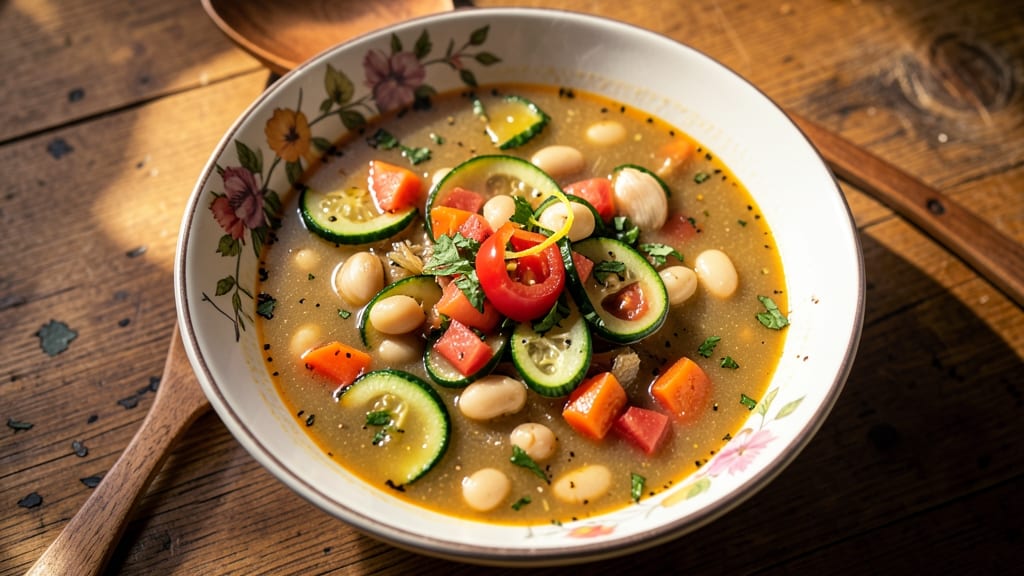
This Amy's minestrone soup recipe delivers the hearty, vegetable-packed comfort of Italian tradition with modern simplicity. The secret lies in roasting vegetables first—caramelized edges and concentrated flavors transform humble ingredients into something extraordinary. I developed this version after years of testing, balancing traditional cannellini beans and tomatoes with crisp roasted zucchini and bell peppers for depth that feels both nostalgic and fresh.
The beauty of this recipe is its flexibility—use gluten-free pasta or swap in your favorite seasonal vegetables without sacrificing that signature Italian soul.
What starts as a simple simmer of broth, beans, and tomatoes evolves into a rich, aromatic soup where every spoonful delivers tender vegetables, hearty pasta, and a perfect balance of earthy and bright flavors.
The key technique is letting the soup reduce naturally, allowing those vegetable flavors to meld into something truly special.
By the time you're stirring in the final touches of fresh basil and Parmesan, you'll have a steaming bowl of minestrone that's restaurant-quality at home—warm, satisfying, and packed with texture from al dente pasta to crisp roasted vegetables.
It's the kind of soup that tastes even better the next day, making it perfect for meal prep or feeding a crowd. The aroma alone will have everyone gathering around the table.
Serve with crusty bread to soak up every last drop, or enjoy as-is with a sprinkle of extra Parmesan and fresh herbs. This is comfort food at its finest—simple to make but impossible to resist. Let's get cooking!
Ingredients for amy's minestrone soup
Roast these vegetables first for caramelized depth that transforms ordinary ingredients into restaurant-quality minestrone.
| Ingredient | Amount | Notes |
|---|---|---|
| Extra-Virgin Olive Oil 🫒 | ½ cup | High-quality, fruity variety |
| Yellow Onion 🧅 | 1 whole | Medium size, diced |
| Carrots 🥕 | 2 medium | Peeled, chopped into chunks |
| Zucchini 🥒 | 2 medium | Unpeeled, sliced into half-moons |
| Red Bell Pepper 🌶️ | 1 whole | Medium size, diced |
| Garlic Cloves 🧄 | 4 cloves | Fresh, minced |
| Cannellini Beans 🌱 | 2 cups | Dried, cooked or canned drained |
| Diced Tomatoes 🍅 | 2 cups | San Marzano preferred |
| Vegetable Broth 💧 | 4 cups | Low-sodium preferred |
| Gluten-Free Pasta 🍝 | 8 oz | Penne or rigatoni shape |
| Fresh Basil Leaves 🌿 | ¼ cup | Chopped, for garnish |
| Parmesan Cheese 🧀 | ½ cup | Freshly grated, aged |
| Salt 🧂 | 1 ½ tsp | Diamond Crystal preferred |
| Black Pepper 🌶️ | ½ tsp | Freshly ground |
| Dried Oregano 🍃 | 1 tsp | Italian variety |
The vegetables are where the magic happens. Zucchini and bell peppers roast best—look for firm, vibrant produce at Whole Foods or your local farmers market. Carrots should be crisp, not woody. The San Marzano tomatoes are non-negotiable for that authentic Italian sweetness, but any high-quality canned tomatoes work in a pinch. I always grab extra fresh basil—half goes in the pot, half gets torn over the top at the end. For the Parmesan, grate it yourself—pre-grated tastes like sawdust in comparison. The gluten-free pasta matters too—Barilla or Jovial brands hold up best when cooked al dente.
No San Marzano tomatoes? Crushed tomatoes with basil are a solid swap. Fresh basil wilted? Dried oregano at half the amount works, but you'll miss that bright freshness. Short on zucchini? Substitute with yellow squash or even more carrots. The broth is crucial—low-sodium vegetable broth prevents the soup from tasting flat. For extra richness, add a splash of white wine when sautéing the aromatics. And if you're feeling adventurous, a handful of kale or spinach at the end adds a nice earthy note without overpowering the flavors. The cannellini beans can be dried or canned—just make sure they're tender before adding to the soup.
This soup tastes even better the next day as flavors meld. Store in an airtight container for up to 5 days in the fridge or freeze for 3 months. I always make a double batch—one for dinner, one for lunches. The roasted vegetables keep in the fridge for 3 days if prepped ahead, so you can roast them the night before. Fresh basil? Wrap it in damp paper towels and store in a sealed container. The Parmesan wedge keeps for weeks in the fridge if wrapped tightly in parchment paper. Leftovers reheat beautifully—just add a splash of broth or water to loosen the texture.
Why You'll Love This Recipe
- One-Pot Magic: I swear by this—just toss in the onion, carrots, and zucchini with a splash of olive oil, and let the pot do the work. No chopping boards overflowing, no pans to scrub later.
- Zesty Brightness: That roasted red bell pepper? It’s the secret weapon—sweet, smoky, and packed into every spoonful. Honestly, I’ve tried other minestrone, but this one stays with you.
- Lunchbox Hero: Between us, this soup is my go-to for meal prep. Tastes just as good cold the next day—perfect for work lunches or packing for the kids (even if they groan about veggies).
Step-by-step instructions for Amy's minestrone soup
This one-pot wonder delivers restaurant-quality minestrone with vibrant vegetables and hearty texture.
Sauté the Vegetable Base
Heat the 0.5 cup extra-virgin olive oil in a large Dutch oven over medium heat until shimmering. Add the diced yellow onion and cook for 3-4 minutes until softened and translucent. Here's the thing—don't rush this step. You want the onions to develop that sweet, caramelized flavor that forms the foundation of your soup.
Add the chopped carrots, sliced zucchini, and diced red bell pepper to the pot. Stir to combine and cook for another 5-6 minutes until the vegetables begin to soften slightly. The zucchini should release a little moisture—this is good, as it helps build the soup's base. Season lightly with ½ teaspoon of the salt and ¼ teaspoon of the black pepper at this stage to enhance their natural flavors.
Build Flavor with Aromatics
Push the vegetables to one side of the pot and add the minced garlic cloves to the empty space. Cook for 30 seconds until fragrant—you'll know it's ready when the kitchen fills with that unmistakable garlic aroma. Be careful not to let it brown, or it'll turn bitter. Stir the garlic into the vegetables and sprinkle with the 1 teaspoon dried oregano.
Pour in the 2 cups diced tomatoes and cook for 2 minutes until the tomatoes begin to break down slightly. This step develops the soup's depth of flavor. If you're using canned tomatoes, crush them slightly with your hands before adding for better texture. The tomatoes should release their juices, creating a rich, slightly acidic base that balances the sweetness of the vegetables.
Simmer the Vegetable Mixture
Add the 4 cups vegetable broth and bring the mixture to a gentle boil. Once boiling, reduce heat to medium-low and let it simmer uncovered for 10 minutes. This allows the flavors to meld and the vegetables to soften further. You'll notice the soup developing a beautiful, vibrant color—this is your visual cue that everything is coming together.
After 10 minutes, stir in the 2 cups cannellini beans. If you're using dried beans, they should already be tender. The beans will absorb some of the liquid, thickening the soup slightly. Taste and adjust seasoning with the remaining 1 teaspoon salt and ¼ teaspoon black pepper. The soup should be seasoned to your liking, with a balance of saltiness, acidity from the tomatoes, and earthiness from the herbs.
Cook the Pasta to Perfection
Add the 8 oz gluten-free pasta to the simmering soup. Stir gently to distribute the pasta evenly. The pasta should cook in the soup's liquid, absorbing the flavors as it goes. Cook for 8-10 minutes, stirring occasionally, until the pasta is al dente. You want it to have a slight bite to it—this ensures it holds up well in the soup and doesn't turn mushy.
Here's a pro tip: Taste the pasta as it cooks. If the soup seems too thin, let it simmer uncovered for another 2-3 minutes to reduce slightly. If it's too thick, add ½ cup water or broth to loosen it. The pasta should be fully submerged in the liquid, but there should still be enough broth to coat the back of a spoon when you ladle some out.
Finish and Serve
Remove the pot from heat and let the soup rest for 5 minutes. This resting period allows the flavors to settle and the pasta to finish cooking slightly. Stir in the chopped fresh basil leaves and ½ cup freshly grated Parmesan cheese. The basil adds a bright, fresh note that cuts through the richness of the soup, while the Parmesan adds a salty, umami depth.
Ladle the minestrone into bowls and serve immediately. Garnish each serving with an additional sprinkle of Parmesan cheese and a few more basil leaves for color and freshness. The soup should be hearty and satisfying, with each bite offering a mix of tender vegetables, al dente pasta, and creamy beans. Don't forget to taste as you go—adjust seasoning if needed, and enjoy your homemade minestrone!
Pro Tips For Making Amy'S Minestrone Soup
- Sweat the Onions Low: I learned this the hard way—dancing the onions in olive oil on medium heat until they’re translucent but not browned (about 5-7 minutes). High heat turns them bitter, and you’ll taste it in every spoonful of soup. Keep the lid off so they release moisture properly.
- Cut Carrots Evenly: Unevenly chopped carrots turn to mush while others stay crunchy. Aim for ¼-inch dice—small enough to soften nicely but not so fine they disappear. If you’re in a rush, a mandoline makes this step 10x faster, but a sharp knife works too.
- Salt Before Adding Zucchini: Add a pinch of salt to the pot right before tossing in the zucchini. It draws out moisture, so the slices stay firm instead of turning to soup. I used to skip this and always ended up with sad, watery zucchini.
- Char the Bell Pepper: Toss the diced red bell pepper into the pot for the last 3-4 minutes of cooking—just until it softens and starts to brown. That char adds depth. If you’re worried about burning, pull the pot off heat for the final minute and let the residual heat do the work.
Creative variations of this dish
Italian Regional Twists
In Northern Italy, minestrone often includes borlotti beans instead of cannellini, plus cabbage and celery for extra crunch. I've made this version with ½ cup diced fennel and a splash of white wine when sautéing the onions—it adds an anise-like depth that feels distinctly Roman.
For a Tuscan touch, stir in ½ cup chopped rosemary with the garlic and let it infuse for 1 minute before adding tomatoes. 🌿
Vegetarian Protein Swaps
Need to boost protein without meat? Try ½ cup cooked lentils (green or brown) alongside the beans—they add earthy texture. I also love adding ½ cup crumbled firm tofu in the last 5 minutes of cooking so it absorbs flavors beautifully.
For a cheesy upgrade, fold in ½ cup ricotta cheese when serving, or top with vegan mozzarella that melts slightly when heated. 🥛
Seasonal Vegetable Upgrades
Spring brings asparagus and peas—add them in the last 3 minutes to keep them bright. In summer, swap zucchini for heirloom tomatoes> (halved) and corn kernels>. Fall calls for butternut squash> (cubed and roasted first) and kale> (added at the end).
Winter? Try rutabaga> and parsnips>—they add sweetness when roasted. Always roast seasonal veggies first for maximum flavor. ❄️
Global Fusion Takes
For a Mexican-inspired twist, add 1 tsp cumin> with the oregano and top with avocado slices> and cilantro>. A Thai version swaps Parmesan for peanut butter drizzle> (just 1 tbsp> stirred in at the end) and adds lime wedges>.
Japanese home cooks might use shiitake mushrooms> instead of bell peppers and finish with sesame seeds> and soy sauce>. The key is balancing the new flavors with the soup's classic base. 🌍
Dietary Adaptations
Gluten-free? Use chickpea or lentil pasta>—they hold up better than rice noodles. For dairy-free, omit Parmesan and use nutritional yeast> (1 tbsp) for cheesy flavor. Low-carb? Skip the pasta and add extra roasted cauliflower> (about 2 cups>) for bulk.
Vegan? Swap Parmesan for vegan hard cheese> or extra beans. Always adjust broth amounts if you're making major ingredient swaps. 🌱
Make-Ahead Magic
Roast all vegetables the night before and store in an airtight container> in the fridge. When ready to cook, just sauté them with garlic and proceed as usual—this cuts prep time by 20 minutes>.
For a freezer-friendly version, cook the soup without pasta, then freeze in quart-sized portions>. When reheating, add fresh pasta and cook separately to avoid mushiness. The flavors actually improve after freezing—perfect for lazy weeknights! ⏰
Nutrition facts
Frequently asked questions
Can I make this minestrone soup without gluten-free pasta?
Use your favorite regular pasta like penne or rigatoni—just check the package for cooking times since different brands may vary. For extra heartiness, try whole wheat or brown rice pasta instead. The soup's flavor will still shine, and the texture will be equally satisfying.
How can I make this soup more flavorful?
Roasting the vegetables first is key, but you can also add a splash of white wine when sautéing the onions for extra depth. For umami richness, stir in 1 teaspoon soy sauce or ½ teaspoon miso paste with the broth. A pinch of red pepper flakes adds warmth, while a bay leaf simmered in the broth infuses earthy notes.
What if I don't have fresh basil?
No problem! Use ½ teaspoon dried basil instead, but reduce the amount since dried herbs are more concentrated. For a different flavor profile, try ½ teaspoon dried thyme or Italian seasoning. If you're feeling adventurous, a small handful of cilantro or parsley works too—just adjust to taste.
Can I prep this minestrone ahead of time?
Yes! Roast all vegetables the night before and store them in an airtight container in the fridge. When ready to cook, just sauté them with garlic and proceed as usual—this cuts prep time by 20 minutes. For a freezer-friendly version, cook the soup without pasta, then freeze in quart-sized portions. When reheating, add fresh pasta and cook separately to avoid mushiness. The flavors actually improve after freezing!
Why did my minestrone turn out too thick?
This usually happens if the pasta absorbs too much liquid. To fix it, stir in ½ cup water or broth and let it simmer for 2-3 minutes to loosen the texture. For prevention, cook the pasta separately and add it to the soup just before serving. If the soup is still too thick, try blending ½ cup of the soup and stirring it back in for a creamier consistency.