
Soups & Stews
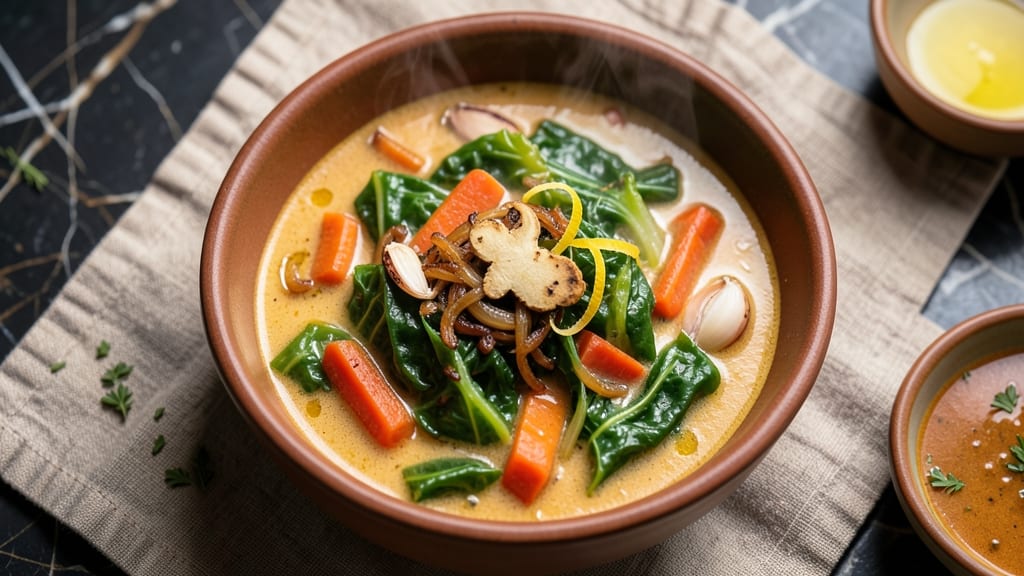
This anti-inflammatory cabbage soup recipe transforms simple ingredients into a gut-soothing, nutrient-packed meal that simmers in under 45 minutes. The secret lies in the turmeric-ginger-garlic blend, which not only enhances flavor but also delivers powerful anti-inflammatory benefits—think reduced joint discomfort and improved digestion.
I developed this recipe after realizing how quickly store-bought soups could be transformed with whole, healing ingredients.
The beauty of this soup is its versatility and simplicity—no fancy techniques required, just a pot, a knife, and a few pantry staples. Cabbage, carrots, and tomatoes provide fiber and vitamins, while the spice blend (turmeric, ginger, garlic) creates a warm, aromatic broth that calms inflammation.
It’s vegetarian, gluten-free, and low-fat, making it perfect for anyone seeking a gentle yet satisfying meal.
By the time you’re done, you’ll have a rich, golden soup with tender vegetables and a broth so flavorful it feels like a hug for your digestive system.
The spices infuse deeply during simmering, creating layers of warmth and earthiness that make this more than just soup—it’s a healing experience. Serve it warm with a sprinkle of fresh parsley for extra freshness.
This recipe works equally well as a light lunch, dinner, or meal prep base—store it in the fridge for up to 5 days or freeze portions for quick future meals. The longer it sits, the more the flavors meld, making it even more comforting with time. Let’s get cooking!
Ingredients for anti inflammatory cabbage soup
Simple vegetables and potent spices create this gut-soothing, inflammation-fighting cabbage soup.
| Ingredient | Amount | Notes |
|---|---|---|
| Green Cabbage 🥬 | 6 cups | Shredded, core removed |
| Carrots 🥕 | 2 cups | Chopped into rounds |
| Yellow Onion 🧅 | 1 whole | Diced, medium size |
| Fresh Garlic Cloves 🧄 | 4 cloves | Minced for infusion |
| Fresh Ginger 🌿 | 2 tbsp | Grated, fresh root |
| Turmeric Powder 🌶️ | 1 tbsp | Organic, high quality |
| Ground Black Pepper 🌶️ | ½ tsp | Freshly ground preferred |
| Canned Diced Tomatoes 🍅 | 1 can | 14.5oz, no salt added |
| Vegetable Broth 💧 | 4 cups | Low-sodium preferred |
| Olive Oil 🫒 | 1 tbsp | Extra-virgin for richness |
| Fresh Parsley 🌿 | ¼ cup | Chopped, for garnish |
| Sea Salt 🧂 | 1 tsp | Diamond Crystal preferred |
| Fresh Cilantro 🌿 | 0.2 cup | Optional, for freshness |
The turmeric and fresh ginger are non-negotiable for anti-inflammatory benefits—look for organic turmeric in the spice aisle, as conventional varieties may contain additives. Penzeys Spices carries high-quality options if your local grocery store lacks potency. For ginger, buy a small knob and grate it fresh; pre-grated loses flavor quickly. The cabbage should be crisp and vibrant—avoid wilted outer leaves. Carrots with bright orange color indicate higher vitamin A content, so choose those over pale examples. If you can't find no-salt-added canned tomatoes, rinse regular ones thoroughly to reduce sodium content.
No fresh ginger? Substitute with 1 tbsp ground ginger, though fresh yields better flavor. Short on turmeric? Swap in 1 tbsp ground cumin for warmth, though it lacks the same anti-inflammatory properties. The vegetable broth can be homemade or a quality store-bought version—Pacific Foods or Imagine brands are excellent low-sodium options. For extra depth, toast the turmeric and black pepper in the olive oil for 30 seconds before adding other ingredients—this enhances their bioactive compounds. The cilantro is optional but adds a bright finish; if you dislike it, skip it or use more parsley instead.
This soup improves with time as flavors meld—reheat gently on the stove with a splash of water or broth to restore consistency. Stores for 5 days in the fridge or 3 months frozen in airtight containers. For meal prep, divide into portions before freezing—this prevents freezer burn. The parsley and cilantro should be added fresh after reheating to preserve their bright flavors. If you find the soup too thick after refrigeration, thin with additional broth or water when reheating.
Why You'll Love This Recipe
- One-Pot Magic: I swear by this recipe because it’s literally one pot—no chopping boards cluttered with scraps, no stacking dishes. Toss everything in, simmer, and let the garlic and ginger do their work while you sip tea. (Yes, even on a Tuesday night.)
- Ginger-Garlic Punch: That fresh ginger and minced garlic? They’re the stars here—bright, zesty, and just sharp enough to cut through the cabbage’s natural sweetness. Honestly, the aroma alone makes me pause mid-chop to take a sniff.
- Meal Prep MVP: Make a big batch on Sunday, and you’ve got lunch covered for days. The flavors deepen overnight, and it reheats like a dream—perfect for lunches or even a light dinner when you’re too tired to cook.
- Budget-Friendly Powerhouse: Cabbage, carrots, onions—these are the ingredients that don’t break the bank. A single head of cabbage stretches across multiple meals, and the leftovers? Even better the next day. (My wallet thanks me.)
Step-by-step instructions for anti-inflammatory cabbage soup
This method delivers a nutrient-packed, gut-soothing soup in under 45 minutes using whole-food ingredients and potent anti-inflammatory spices.
Sauté the Aromatic Base
Heat the 1 tablespoon olive oil in a large pot over medium heat. Add the 1 whole yellow onion and 2 cups carrots, cooking for 5-6 minutes until the onions become translucent and carrots soften slightly. This foundational step builds flavor through caramelization.
Add the 4 cloves fresh garlic cloves and 2 tablespoons fresh ginger, stirring for 1 minute until fragrant. The garlic should sizzle gently—this indicates proper heat. Immediately add 1 tablespoon turmeric powder and 0.5 teaspoon ground black pepper, stirring constantly for 30 seconds to bloom the spices' anti-inflammatory compounds. These spices work synergistically to reduce inflammation while enhancing flavor.
Build the Vegetable Foundation
Add the 6 cups green cabbage and 1 can canned diced tomatoes to the pot. Stir well to coat the vegetables in the spiced oil mixture. Pour in the 4 cups vegetable broth and bring to a gentle boil over high heat. Once boiling, reduce heat to medium-low and let it simmer uncovered for 15 minutes. This simmering time allows the cabbage to soften while preserving its nutrients.
Occasionally stir to prevent sticking—especially with the cabbage. You'll notice the cabbage begins to wilt and the broth reduces slightly. This is ideal; it concentrates the flavors while maintaining the soup's vibrant color. The cabbage should be tender but still hold its shape slightly, not mushy.
Season and Finish
Add the 1 teaspoon sea salt and taste the soup. Adjust seasoning if needed—this is where the turmeric and black pepper's earthy notes should shine. The soup should be well-seasoned but not overly salty, allowing the natural sweetness of the carrots and cabbage to balance the spices.
Simmer for an additional 5 minutes to allow all flavors to meld together. Remove from heat and let it rest for 5 minutes—this resting period allows the flavors to fully develop and the cabbage to absorb all the aromatic broth. The soup should have a rich, golden color from the turmeric and a fragrant aroma that fills your kitchen.
Garnish and Serve
Before serving, stir in the 0.25 cup fresh parsley and 0.2 cup fresh cilantro (if using). These herbs add freshness and visual appeal while providing additional anti-inflammatory benefits. Ladle the soup into bowls and serve immediately while hot—this quick preparation ensures maximum nutrient retention.
The soup should be vibrant with visible cabbage leaves, tender carrots, and a rich broth that coats the back of your spoon. Each bite should deliver a balance of earthy spices, sweet carrots, and the cabbage's natural crunch. For best results, serve with a side of whole-grain bread to enhance the meal's satiety and nutrient profile.
Pro Tips For Making Anti Inflammatory Cabbage Soup
- Sweat the Onion First: I learned this the hard way—skipping this step makes your soup taste raw and bitter. Get your onion in a hot pan with a splash of water, cover it, and let it soften for 5-6 minutes before adding anything else. That’s when the sweetness comes out, not when you toss it in later.
- Shred Cabbage Thin: Thin shreds cook faster and stay crisp enough to bite into, which matters in this soup. Use a sharp knife or mandoline—aim for ribbons no wider than ¼ inch. Thick chunks turn mushy, and nobody wants that in an anti-inflammatory dish where texture matters.
- Crush Garlic Like You Mean It: Minced garlic burns fast, and burned garlic ruins the whole soup. Smash those cloves with the flat of your knife first, then give them a quick chop—no need for perfect mincing. This keeps the flavor bold without turning bitter.
- Simmer Low and Slow: After everything’s in, keep the heat at a gentle simmer, not a rolling boil. Thirty minutes at low heat lets the ginger and garlic infuse properly while keeping the carrots tender, not falling apart. Trust me, your soup will taste deeper if you resist the urge to rush it.
Perfect pairings for this anti inflammatory cabbage soup
Beverage Pairings
This vibrant soup pairs beautifully with sparkling water infused with lemon and mint—the effervescence cuts through the soup's richness while the citrus brightens the palate.
I like to add 2 slices of lemon and 5 fresh mint leaves to a glass of chilled LaCroix or Bubly for a refreshing contrast. The natural sweetness of the carrots in the soup complements the tartness perfectly. 💧
Side Dish Harmony
Serve with warm whole-grain bread like Ezekiel or Dave's Killer Bread—the dense texture soaks up the flavorful broth beautifully. For extra protein, add a side of quinoa salad with diced cucumber, cherry tomatoes, and a drizzle of extra-virgin olive oil.
The quinoa adds a satisfying bite that balances the soup's soft textures. 🥖
Probiotic Toppers
Boost gut health by topping each bowl with probiotic-rich elements like plain Greek yogurt (about 2 tablespoons per serving) or a sprinkle of sauerkraut. The probiotics enhance the soup's anti-inflammatory benefits while adding a tangy contrast.
I also like a pinch of everything bagel seasoning for a savory crunch that ties all the flavors together. 💪
Herbal Tea Complements
Pair with ginger or turmeric tea to amplify the soup's anti-inflammatory effects. Steep 1 teaspoon fresh ginger and ½ teaspoon turmeric in 1 cup hot water for 5 minutes, then strain.
The tea's warmth and spice mirror the soup's flavor profile while providing an extra layer of digestive support. 🌿
Wine Pairing Option
For a special occasion, try a dry white wine like Sauvignon Blanc from New Zealand—its crisp acidity and citrus notes complement the cabbage and carrots without overpowering the spices. Look for a bottle with bright green apple and grapefruit notes to match the soup's fresh, vibrant character. 🍷
Meal Prep Add-Ons
When prepping for the week, store the soup in glass meal prep containers and pair with pre-portioned sides like roasted chickpeas or steamed edamame. These add extra protein and fiber, making your soup a complete, balanced meal.
Keep the toppings (parsley, cilantro, yogurt) separate until ready to eat to maintain freshness. ✨
Nutrition facts
Frequently asked questions
Can I make this soup without fresh ginger and garlic?
Yes, but the anti-inflammatory benefits will be slightly reduced. Use 1 tablespoon ground ginger and 2 teaspoons garlic powder instead, though fresh versions provide more potent compounds. For maximum impact, try 1 tbsp fresh ginger + 1 tsp garlic powder as a compromise. The soup will still taste delicious but may lack depth in flavor.
How does turmeric help with inflammation?
Turmeric contains curcumin, a compound proven to reduce inflammation by blocking pro-inflammatory enzymes. When paired with black pepper (as in this recipe), curcumin's absorption increases by 2000%! This golden spice supports joint health, digestion, and may even help with chronic conditions like arthritis.
Can I add protein to this vegetarian soup?
Stir in 1 cup cooked lentils or ½ cup chickpeas during the final 5 minutes of simmering. For extra protein, add 2 tablespoons nutritional yeast when serving—it adds a cheesy flavor without dairy. These additions make it a complete meal while keeping it plant-based.
Why does my soup taste bland after refrigerating?
This happens when flavors separate during cooling. Revive it by simmering for 5-10 minutes with 1 tbsp extra broth or water and a pinch of salt. The heat helps reintegrate flavors. For prevention, store the soup in airtight containers and let it cool slightly before refrigerating to lock in aromas.
Is this soup safe for people with IBS?
Most people with IBS tolerate this recipe well, but listen to your body. The cabbage and carrots are low-FODMAP in small portions (½ cup cooked veggies), while ginger and turmeric are generally safe. Start with a small bowl and avoid if you're in a flare-up. The broth should be low-sodium to prevent bloating. Always check with your dietitian first.