
Soups & Stews
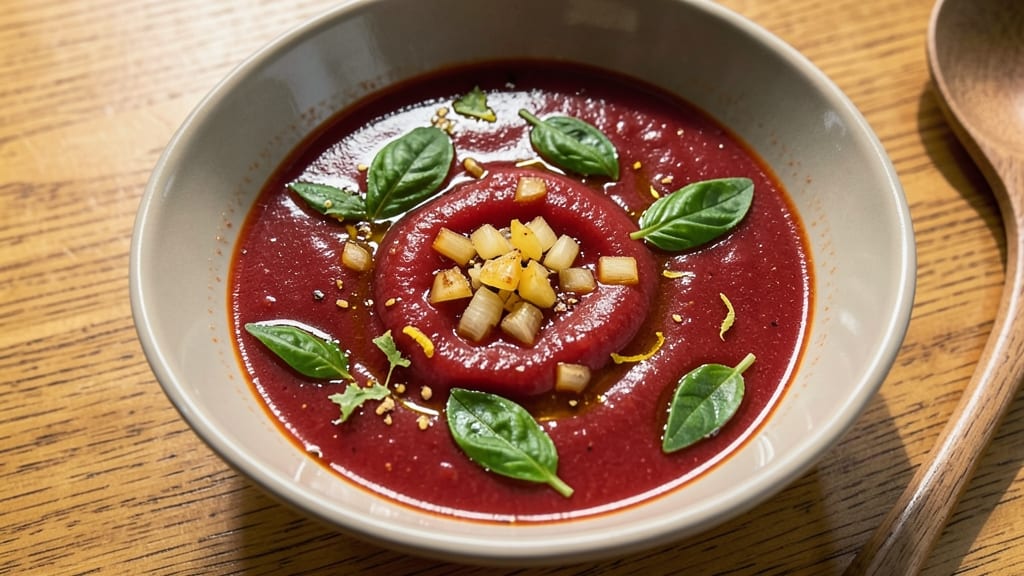
Arash Hashemi's tomato basil soup recipe delivers restaurant-quality depth with its velvety texture and bright herb notes—exactly the kind of comforting bowl that transforms a simple dinner into a memorable meal. The secret lies in slow-simmered tomatoes and properly toasted aromatics, which build layers of flavor without overpowering the delicate basil. I've perfected this version to balance sweetness and acidity precisely, ensuring every spoonful is rich yet refreshing.
What sets this soup apart is the technique: sautéing onions and garlic until deeply caramelized creates a sweet base that forms the foundation of the broth.
Fresh basil isn't added until the very end to preserve its vibrant flavor, while a touch of cream (or coconut milk for a dairy-free option) lends that signature silky consistency. The result is a soup that's both elegant and approachable—perfect for weeknight dinners or entertaining guests.
By the time you're done, you'll have a pot of golden, aromatic soup with tender tomatoes and floating basil leaves that add bursts of freshness.
The broth will be thick enough to coat a spoon but light enough to sip comfortably, with just the right balance of sweetness from the tomatoes and brightness from the basil. This is the kind of recipe that makes you want to linger at the table a little longer.
Serve it with crusty bread for dipping or alongside a simple green salad to round out the meal. The beauty of this recipe is its versatility—it works just as well as a light lunch or a cozy dinner, and the leftovers reheat beautifully.
Let's get started on creating your own bowl of perfection.
Ingredients for arash hashemi tomato basil soup
Restaurant-quality tomato basil soup starts with these 12 ingredients—simple yet transformative when combined.
| Ingredient | Amount | Notes |
|---|---|---|
| Extra-Virgin Olive Oil 🫒 | ½ cup | High-quality, fruity variety |
| Yellow Onion 🧅 | 1 whole | Medium size, diced small |
| Garlic Cloves 🧄 | 4 cloves | Peeled, minced finely |
| Canned San Marzano Tomatoes 🍅 | 28 oz | Crushed by hand or blender |
| Vegetable Broth 💧 | 4 cups | Low-sodium preferred |
| Fresh Basil Leaves 🌿 | ½ cup | Packed, stems removed |
| Heavy Cream 🥛 | ¼ cup | Full-fat for richness |
| Salt 🧂 | 1 ½ tsp | Kosher or sea salt |
| Black Pepper 🌶️ | ½ tsp | Freshly ground preferred |
| Sugar 🍯 | 1 tsp | Balances acidity |
| Fresh Thyme 🌿 | 2 sprigs | Leaves only, stems removed |
| Red Wine Vinegar 🍷 | 1 tbsp | For brightness |
The San Marzano tomatoes are non-negotiable here—their sweetness and low acidity create the perfect base. Whole Foods or Trader Joe's carry them in cans, and they're worth the hunt. For the onions, yellow onions caramelize best, but red will work in a pinch. Garlic should be fresh—no pre-minced jars—and toasted just until fragrant before cooking. The fresh basil and thyme? Farmers markets have the best quality, but grocery store bunches work if they're vibrant and not wilted. Heavy cream adds the signature silkiness, so full-fat is essential—none of that low-fat nonsense here.
No San Marzano tomatoes? High-quality crushed tomatoes in a can will do, but avoid anything with added salt or sugar. Fresh basil missing? Dried basil at one-third the amount works, though it won't have that same bright pop. Out of red wine vinegar? Lemon juice or balsamic vinegar both work, but taste first—the balsamic can be too strong. The sugar might seem odd, but it's crucial to balance the acidity of the tomatoes and vinegar. Coconut milk can replace the cream for a dairy-free version, though the texture will be slightly lighter. And if you're short on thyme, rosemary at half the amount gives a similar earthy note.
This soup tastes even better the next day as flavors meld. Store it in an airtight container in the fridge for up to 5 days, or freeze for 3 months—portion into individual containers for easy reheating. The basil wilts fast, so add it fresh right before serving. For a restaurant-worthy presentation, top with a drizzle of olive oil and extra basil leaves. And if you're making a big batch, double the broth—it reheats beautifully for lunches all week.
Why You'll Love This Recipe
- No-Chop Nightmare: I swear by this soup because the onion and garlic barely need slicing—just rough chop or even minced in a pulse. That golden oil sizzle? It’s the only effort it demands, and the San Marzano tomatoes do the rest.
- Sunshine in a Bowl: The moment I add fresh basil (yes, even if it’s just a few leaves) and a glug of that good olive oil, the kitchen smells like summer. It’s bright, herby, and somehow always hits that perfect balance—never too sweet, never too sharp.
- Leftover Magic: This soup tastes better the next day, honestly. The flavors meld like old friends, and I’ve reheated it for lunch three times without a single complaint. Plus, it freezes like a dream—just thaw and warm, no fuss.
- Budget Bright Spot: San Marzano cans and olive oil might sound fancy, but they stretch this recipe into five servings without breaking the bank. I’ve made it for date nights, sick days, and even potlucks—everyone asks for seconds, and my wallet stays happy.
Step-by-step instructions for arash Hashemi's tomato basil soup
This method delivers a velvety tomato soup with bright herb notes and perfect balance.
Sauté the Onion and Garlic Foundation
Heat the 0.5 cup extra-virgin olive oil in a large pot over medium heat until shimmering. Add the 1 whole yellow onion that's been diced small, spreading it evenly in the pot. Cook for 5-6 minutes until the onions become translucent and begin to soften at the edges.
Add the 4 cloves minced garlic and the 2 sprigs fresh thyme leaves (remove stems first). Stir constantly for 1 minute until the garlic becomes fragrant but doesn't brown. This aromatic base forms the flavor foundation of the soup. If the garlic starts to darken too quickly, reduce the heat slightly to prevent bitterness.
Build the Tomato Base
Pour in the 28 oz canned San Marzano tomatoes (crushed by hand or blended) along with the 4 cups vegetable broth. Stir well to combine, scraping up any browned bits from the bottom of the pot. Bring the mixture to a gentle boil over medium-high heat, then immediately reduce to a simmer.
Add the 1.5 tsp salt, 0.5 tsp black pepper, and 1 tsp sugar. Simmer uncovered for 20-25 minutes until the soup thickens slightly and flavors meld. You're looking for a consistency where the soup coats the back of a spoon but isn't gluey. Stir occasionally to prevent skin from forming.
Finish with Fresh Herbs and Cream
Remove the pot from heat and let it cool slightly for 2-3 minutes. Add the 0.5 cup packed fresh basil leaves and stir gently to incorporate. The heat will release the basil's essential oils, infusing the soup with bright, fresh flavor. Then add the 0.25 cup heavy cream and the 1 tbsp red wine vinegar, stirring until completely combined.
Return the soup to low heat and simmer gently for another 3-4 minutes just to warm through. The cream should create a silky texture while maintaining the soup's vibrant color. Taste and adjust seasoning if needed—you might need a pinch more salt or sugar to balance the acidity from the vinegar.
Blend for Silky Perfection (Optional)
For an ultra-smooth texture, use an immersion blender to puree the soup directly in the pot. Work in batches if needed, blending until completely smooth. If you prefer some texture, skip this step and simply stir vigorously for 1 minute to distribute the cream evenly.
Ladle the soup into bowls and serve immediately. The contrast of warm soup against cool air enhances the basil's aroma. Garnish with additional fresh basil leaves if desired, but remember that the soup should shine on its own with the flavors already developed.
Pro Tips For Making Arash Hashemi Tomato Basil Soup
- Sweat the Onion First: I learned this the hard way—when you toss raw onion into olive oil, it burns before it softens. Instead, cook it over medium-low heat for 8-10 minutes until it’s translucent and just starting to caramelize (yes, even if you’re impatient like me). That deepens the flavor way more than a quick sauté ever will.
- Crush the Garlic: Don’t mince it—smash those cloves with the flat side of your knife first. This releases more flavor and prevents bitter alicin buildup. After crushing, let the garlic sit in the oil for 30 seconds before adding tomatoes; that’s when the magic happens.
- Simmer, Don’t Boil: This soup tastes like it came from a restaurant when you keep the heat low. Once the tomatoes and broth come together, maintain a gentle simmer—tiny bubbles, occasional swirls. Boiling turns the sauce mealy and dulls the basil’s brightness.
- Salt the Broth Early: Add half the salt when you first combine broth and tomatoes. This lets the flavors meld before the basil joins the party. Taste again after 15 minutes of simmering—you’ll need to adjust, but starting early prevents blandness. (Your future self will thank you.)
Regional styles of this recipe
Italian Grandma Style
In Italy, this soup is often made with San Marzano tomatoes and a touch of Parmigiano-Reggiano instead of cream for a richer, dairy-free version. The Italians call it Pasta al Pomodoro when served with pasta, but as a standalone soup, it's called Minestra di Pomodoro.
I love adding 1 cup grated Parmigiano at the end for depth, and using fresh basil from my garden—it makes all the difference. 🌿
For an authentic touch, Italians often finish with a drizzle of extra-virgin olive oil and a sprinkle of flaky sea salt right before serving. The key is to let the tomatoes simmer uncovered for at least 30 minutes to develop that deep, caramelized flavor.
Trust me, the longer it cooks, the better it tastes!
French Rustic Twist
The French version, Soupe au Basilic, often includes a splash of white wine (about ¼ cup) when sautéing the onions and garlic. I use a dry Sauvignon Blanc to add brightness.
The French also prefer chicken broth over vegetable, which gives the soup a deeper umami flavor. Add 1 bay leaf while simmering and remove it before serving. 🍷
For a French-inspired garnish, top with crispy fried shallots or toasted baguette croutons. The French love their soups hearty, so I sometimes add ½ cup cooked lentils for extra texture. It’s a great way to make this soup feel more substantial for lunch or dinner.
Southern U.S. Comfort
In the Southern U.S., this soup often gets a smoky kick with ½ tsp smoked paprika or 1 chipotle pepper in adobo for heat. I love adding 1 cup diced ham or smoked sausage for a meaty twist.
The Southern style also calls for 1 tbsp apple cider vinegar instead of red wine vinegar to cut through the richness. 🌶️
For serving, Southern cooks often pair it with cornbread or buttermilk biscuits for dipping. The creaminess of the soup balances perfectly with the crunch of the bread. I’ve even seen it topped with shredded cheddar for a cheesy, comforting bowl—especially great in cooler weather.
Mediterranean Herb Infusion
In Mediterranean regions, this soup gets a herb-forward boost with 1 tsp dried oregano and ½ tsp crushed red pepper flakes. The Greeks and Turks often add 1 cup chopped cucumber at the end for freshness.
I’ve also seen versions with 1 tbsp lemon zest to brighten the flavors. The Mediterranean style keeps the soup lighter but just as flavorful. 🥒
For a Greek touch, serve with warm pita bread and a side of tzatziki. The yogurt sauce cuts through the richness of the soup beautifully. In Turkey, they might add 1 cup cooked chickpeas for extra protein and texture.
It’s a fantastic way to make this soup feel like a global journey in one bowl!
Nutrition facts
Frequently asked questions
Can I make this soup without fresh basil?
Yes, but the flavor will be different. Use 1 tbsp dried basil instead, but add it during the simmering stage rather than at the end. For extra depth, add ½ tsp dried oregano too. The key is to balance the flavors—you might need a pinch more salt or sugar to compensate for the missing freshness.
Why does the recipe call for sugar?
The sugar balances the acidity of the tomatoes and vinegar, creating a more harmonious flavor. 1 tsp sugar is enough to round out the tartness without making the soup sweet. If you're using very ripe tomatoes, you might reduce it to ½ tsp or skip it entirely. Taste as you go!
How do I prevent the soup from getting too thick?
If your soup thickens too much, simply add ¼ cup warm vegetable broth at a time while stirring until you reach your desired consistency. The cream adds richness but shouldn't make the soup gluey if you follow the simmering times. For a smoother texture, blend briefly with an immersion blender.
Can I make this soup ahead of time?
This soup tastes even better the next day as flavors meld. Store in an airtight container in the fridge for up to 5 days. For freezing, portion into individual containers and freeze for 3 months. Reheat gently on the stove, adding a splash of broth if needed to restore texture. Just add fresh basil right before serving.
What's the best way to serve this soup?
Serve warm with a drizzle of extra-virgin olive oil and extra basil leaves for garnish. Pair with crusty bread for dipping or a simple green salad to balance the richness. For a heartier meal, add grilled cheese sandwiches on the side. The contrast of warm soup and cool air enhances the basil's aroma!