
Soups & Stews
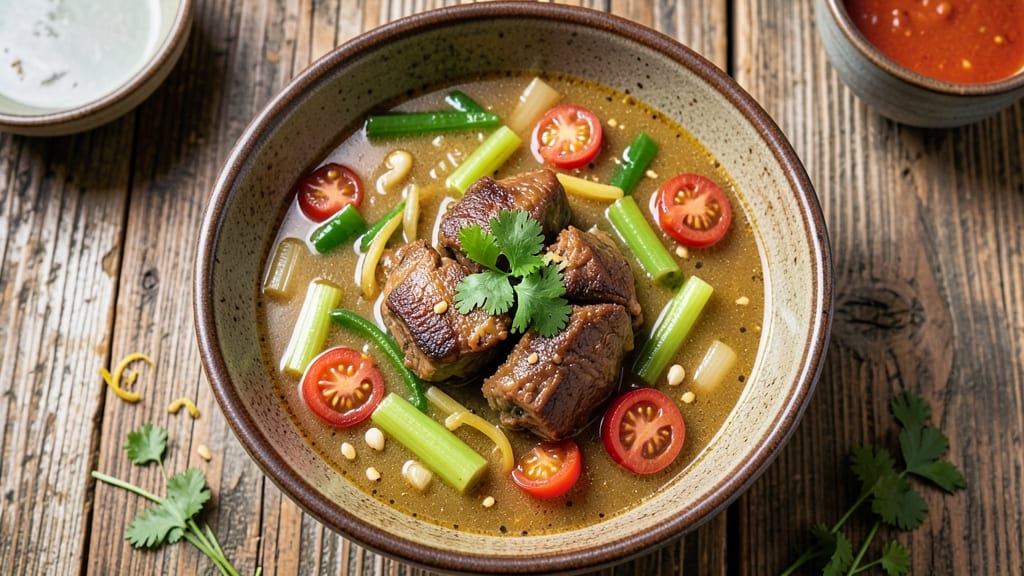
This armadillo soup recipe delivers the rich, hearty comfort of Cajun country in every creamy, spiced spoonful. 🔥 The secret lies in slow-braising tender armadillo meat with tomatoes, bell peppers, and a blend of cayenne, paprika, and thyme until the flavors meld into a velvety, aromatic broth.
What begins as a rustic country dish transforms into a restaurant-worthy stew that's both satisfying and deeply flavorful.
The preparation process requires patience—starting with proper meat preparation to ensure safety and tenderness, then simmering for hours until the meat practically falls apart.
This isn't your average soup; it's a labor of love that rewards you with layers of smoky, spicy, and creamy textures that dance together in perfect harmony. The key is balancing the heat with the richness of the tomato base, creating a soup that's both bold and comforting.
By the time you're done, you'll have a steaming bowl of armadillo soup with tender meat, vibrant vegetables, and a creamy broth that's infused with Cajun spices. The aroma alone will draw everyone to the table, promising a meal that's as hearty as it is flavorful.
This is the kind of soup that turns a simple dinner into a memorable feast.
Perfect for sharing with family or friends, this recipe also pairs beautifully with cornbread and collard greens for a complete Southern experience. Let's get started on creating this traditional dish that's as rich in history as it is in flavor.
Ingredients for armadillo soup
Six hearty ingredients transform into Cajun-spiced armadillo soup with velvety tomato broth and smoky depth.
| Ingredient | Amount | Notes |
|---|---|---|
| Armadillo Meat 🦔 | 3 lb | Boneless, skin removed, cubed |
| Yellow Onion 🧅 | 1 whole | Chopped into half-inch pieces |
| Green Bell Pepper 🌶️ | 1 whole | Diced into quarter-inch pieces |
| Celery Stalks 🥬 | 3 whole | Chopped into quarter-inch pieces |
| Garlic Cloves 🧄 | 6 cloves | Minced finely for depth |
| Diced Tomatoes (14.5 oz can each) 🍅 | 2 cans | San Marzano preferred for sweetness |
| Cayenne Pepper 🌶️ | 1 tsp | Adjust for heat preference |
| Smoked Paprika 🌶️ | 2 tsp | For smoky depth |
| Dried Thyme 🌿 | 1 tsp | Or 1 tbsp fresh thyme |
| Ground Black Pepper 🌶️ | ½ tsp | Freshly cracked for aroma |
| Salt 🧂 | 2 tsp | Diamond Crystal preferred |
| Heavy Cream 🥛 | 1 cup | Full-fat for creaminess |
| Chicken or Vegetable Broth 💧 | 4 cups | Low-sodium preferred |
| Olive Oil 🫒 | 2 tbsp | Extra-virgin for richness |
| Bay Leaves 🍃 | 2 whole | Removed before serving |
The armadillo meat is the foundation—look for fresh cuts from specialty butchers or trusted Cajun markets. Properly prepared, it should be tender but still hold its shape. Costco or local game suppliers often carry it pre-cubed, saving prep time. The San Marzano tomatoes make all the difference here—their sweetness balances the cayenne's heat. If you can't find them, any high-quality canned tomatoes work, but avoid those with added salt. The bell pepper and celery form the classic 'holy trinity' base—don't skip this trio, as it builds the soup's aromatic foundation.
No cayenne? Substitute red pepper flakes at half the amount—just remember it's hotter. Smoked paprika hard to find? Regular paprika plus a pinch of liquid smoke mimics the flavor. Fresh thyme unavailable? Dried works at one-third the quantity, but toast it first in a dry pan for 30 seconds to wake up the flavor. The heavy cream is non-negotiable for that signature Cajun creaminess—half-and-half works in a pinch, but you'll lose some richness. For broth, homemade chicken or vegetable stock elevates the dish, but low-sodium store-bought is perfectly fine when short on time.
This soup tastes even better the next day as flavors meld—make a double batch for leftovers. Store in airtight containers for 4-5 days in the fridge or 3 months frozen. The cream may separate when reheated; just stir vigorously before serving. For serving, garnish with extra thyme and a drizzle of olive oil. Pairs beautifully with crusty bread or cornbread to soak up every last drop of that creamy broth.
Why You'll Love This Recipe
- One-Pot Magic: I swear by this recipe because it’s literally one pot. Sauté the onions, bell peppers, and celery—what I call my "holy trinity"—then toss in the armadillo meat and garlic. Simmer, stir, and boom: done. No dirty dishes piling up while you cook.
- Garlic Bomb Depth: That first bite? Chef’s kiss. The garlic cloves caramelize just enough to hit you with layers—sweet, sharp, and umami-rich. Honestly, I’ve tried skipping it, and I regret it every time. The meat soaks up all that flavor like a sponge.
- Leftovers That Beg: This soup tastes better the next day. Between us, I’ve reheated mine three times and still crave it. The armadillo meat gets even more tender, and the flavors meld into something dangerously addictive. Perfect for meal prep when you’d rather not cook twice in a week.
- Budget-Friendly Protein: Armadillo meat is lean, hearty, and way cheaper than most game meats. A single cut stretches across multiple meals, and the veggies (onion, bell pepper, celery) are pantry staples. I’ll be real: it’s my go-to when groceries are tight, but it never feels like I’m sacrificing taste.
Step-by-step instructions for Cajun-spiced armadillo soup
Transform simple ingredients into a rich, velvety soup with deep Cajun flavors and tender armadillo meat.
🍳 Step 1: Sauté the Vegetable Base
Heat the 2 tbsp olive oil in a large Dutch oven over medium heat. Add the 1 whole yellow onion, 1 whole green bell pepper, and 3 whole celery stalks, all chopped as specified. Cook for 8-10 minutes until the vegetables soften and the onion becomes translucent.
Here's the thing—you want the vegetables to release their moisture and develop a slight caramelization. Stir occasionally to prevent burning, especially the bell pepper which can char quickly. The base should smell sweet and earthy when properly cooked.
Add the 6 cloves minced garlic and cook for another 30 seconds until fragrant. This quick cooking prevents the garlic from turning bitter. Remove the vegetable mixture from the pot and set aside temporarily—you'll need it later for the final assembly.
🔥 Step 2: Brown the Armadillo Meat
Increase the heat to medium-high and add the 3 lb armadillo meat in batches if needed to avoid crowding the pot. Brown the meat on all sides for 5-6 minutes total until it develops a deep golden crust. This step is crucial for building flavor through the Maillard reaction.
Don't walk away—constant attention prevents uneven cooking. You'll know it's ready when the meat releases easily from the pot and has a rich, caramelized appearance. Remove the browned meat and set it aside with the vegetables.
Return the pot to medium heat and sprinkle in the 2 tsp salt, 2 tsp smoked paprika, 1 tsp dried thyme, 1 tsp cayenne pepper, and 0.5 tsp ground black pepper. Stir for 30 seconds to toast the spices and release their aromas—this infuses the pot with deep, smoky flavors.
🥘 Step 3: Build the Tomato-Broth Foundation
Pour in the 2 cans diced tomatoes (with juices) and 4 cups chicken or vegetable broth. Add the 2 whole bay leaves and bring the mixture to a gentle simmer. Reduce heat to low and let it cook uncovered for 20 minutes, stirring occasionally.
This simmering time allows the flavors to meld and the tomatoes to break down slightly, creating a rich, slightly thickened base. You'll notice the soup developing a deeper color and more complex aroma as it cooks. Skim off any foam that rises to the surface for a cleaner final product.
Return the browned armadillo meat and sautéed vegetables to the pot. Add the meat back to the broth and simmer for another 25-30 minutes until the armadillo meat is fork-tender. The meat should pull apart easily when tested with a fork—this indicates it's fully cooked and ready for the creamy finish.
⏰ Step 4: Finish with Cream and Rest
Reduce heat to lowest setting and stir in the 1 cup heavy cream. Simmer gently for 5-7 minutes—this is where the soup transforms into its creamy, velvety final form. The cream should blend smoothly without curdling, creating a luxurious texture.
Real talk: don't let the soup boil after adding the cream or it will separate. The goal is to gently warm and incorporate the cream while maintaining its silky consistency. Taste and adjust seasoning with additional salt if needed—this is your opportunity to fine-tune the balance of flavors.
Remove the 2 whole bay leaves before serving. Ladle the soup into bowls and let it rest for 5 minutes before serving. This resting period allows the flavors to fully meld and the cream to set slightly, resulting in a more cohesive eating experience.
Pro Tips For Making Armadillo Soup
- Sear the Armadillo First: Skip the slow simmer start—pat the meat dry, then sear it in a hot pan with a little oil until it browns deeply. That crust locks in flavor and prevents the soup from tasting bland later, especially since armadillo meat can be lean.
- Mince the Celery Fine: I used to chop celery into rough pieces, but this soup needs the texture to break down evenly. Dice it into 1/8-inch cubes so it melds into the base instead of sitting as separate chunks—trust me, it makes a difference in the mouthfeel.
- Don’t Rush the Garlic: After burning three batches, I finally figured out: cook the garlic low and slow until it’s golden, not crispy. Overcooking turns it bitter, and since armadillo soup relies on aromatic depth, this step isn’t optional.
- Deglaze with Vinegar: Sounds weird, but it works: after searing the meat, splash in 2 tablespoons of apple cider vinegar while scraping the browned bits off the pan. The acid cuts through any richness and brightens the whole dish—no one will guess it’s there.
Wine and beer pairings for this recipe
Cajun Red Wine
For this rich, spicy soup, a bold Zinfandel from California is my go-to choice. The wine's jammy berry notes and subtle spice mirror the cayenne and smoked paprika in the soup, while its acidity cuts through the creaminess beautifully.
Look for a 2018 or newer vintage from Paso Robles or Sonoma County—these regions produce Zinfandels with enough body to stand up to the armadillo's robust flavor. Serve slightly chilled to enhance the wine's fruit-forward characteristics while keeping it refreshing. 🍷
Smoky Bourbon Beer
A bourbon barrel-aged stout like Goose Island Bourbon County Stout is a perfect match for armadillo soup's deep, smoky flavors. The caramel and vanilla notes in the beer complement the soup's tomato base, while the bourbon's oakiness enhances the smoked paprika.
For a lighter option, try a Mexican lager like Modelo Negra—its crisp, clean profile balances the soup's richness without overpowering it. Serve the beer ice-cold to contrast the soup's warmth.
Spicy Margarita
If you prefer cocktails, a spicy margarita with Tajín rim elevates the dining experience. Use reposado tequila like Espolón for depth, mix with fresh lime juice, agave syrup, and a splash of orange liqueur.
Add a pinch of cayenne pepper to the mix for heat that matches the soup's spice level. Serve in a chilled coupe glass with a salted rim for that perfect balance of sweet, sour, and spicy. 🍹
Non-Alcoholic Options
For those avoiding alcohol, a sparkling hibiscus iced tea with lime and mint provides refreshing acidity and herbal notes that complement the soup's smoky depth. Brew hibiscus tea, chill, and add soda water for fizz.
Alternatively, try a ginger beer like Feather's—its spicy kick and effervescence cleanse the palate between bites of rich, creamy soup. Both options keep the meal lively without alcohol.
Regional Pairing Tips
In Louisiana, where armadillo soup originated, locals often pair it with sweet tea to balance the spice. For a more traditional approach, try a Cajun-style sangria with red wine, brandy, and fresh fruit like peaches or berries.
If you're serving this at a tailgate party, a light beer like Corona works well—its citrus notes cut through the soup's richness while keeping hands free for the game. Always serve drinks slightly cooler than room temperature to enhance their refreshing qualities. 🍺
Nutrition facts
Frequently asked questions
Where can I find armadillo meat for this recipe?
Look for armadillo meat at specialty butchers, Cajun markets, or game suppliers in regions like Texas, Louisiana, or Florida. Many Costco stores also carry pre-cubed armadillo meat during hunting season. Always ask about proper handling—fresh cuts should be boneless, skinless, and cubed for best results.
Can I substitute armadillo meat with chicken or another protein?
While armadillo has a unique, slightly gamey flavor, you can substitute with chicken thighs or duck for a similar texture. Use 1.5 lbs of dark meat per person to match the richness. For authenticity, add 1 tsp liquid smoke and ½ tsp smoked salt to the broth to mimic the armadillo's natural smokiness.
How do I adjust the spice level in this soup?
Start with the 1 tsp cayenne as written, but reduce to ½ tsp for mild heat or increase to 1.5 tsp for extra spice. For a smoky kick without heat, add ½ tsp chipotle powder instead. Always taste before serving—you can balance heat with a splash of heavy cream or sour cream on top.
Why does the soup need to simmer for so long?
The 1-hour simmer is key for three reasons: tenderizing the meat, developing deep flavors, and thickening the broth naturally. Armadillo meat benefits from slow cooking to break down connective tissue, while the spices and tomatoes meld into a cohesive, aromatic base. Skipping this step results in tough meat and underdeveloped flavors.
Can I make this soup in a slow cooker?
Brown the meat and sauté the vegetables as directed, then transfer everything to a 6-quart slow cooker. Add all remaining ingredients (including broth) and cook on LOW for 6-7 hours or HIGH for 3-4 hours. Stir in the cream during the last 30 minutes to prevent curdling. The slow cooker version is even more tender!