
Soups & Stews
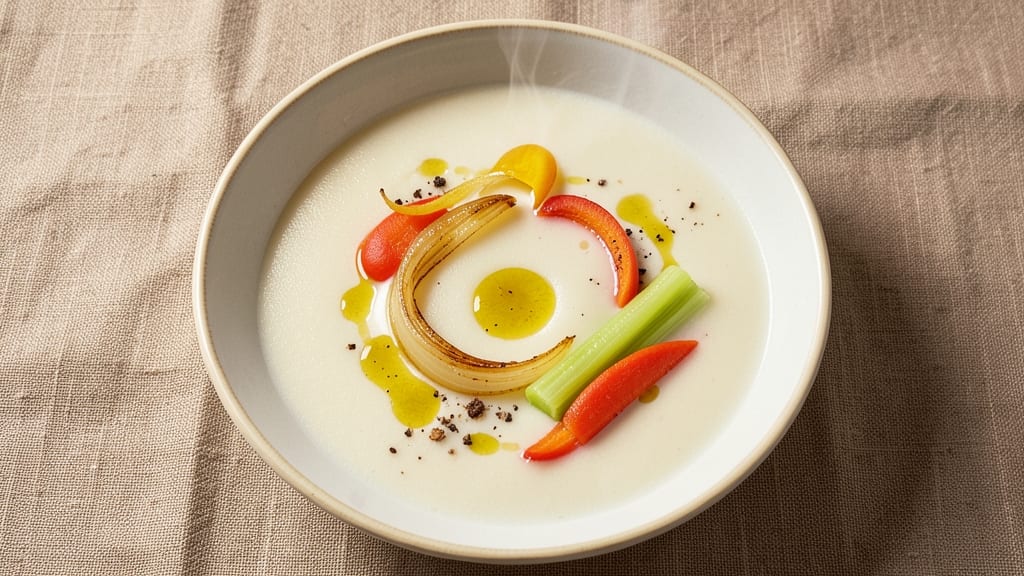
This arrowroot soup recipe delivers smooth, velvety perfection without the dreaded lumps that ruin so many homemade soups. The secret lies in arrowroot's natural thickening power—it creates a luxuriously silky texture while keeping the broth light and flavorful.
I developed this recipe after years of trial and error with other thickeners, and the difference is transformative.
The foundation starts with a rich vegetable broth infused with aromatic herbs, then simmered until the arrowroot blend dissolves completely into a glossy, lump-free consistency. Unlike cornstarch or flour, arrowroot thickens at lower temperatures, preserving the soup's delicate balance of flavors.
This makes it ideal for both classic vegetable soups and modern interpretations with added proteins.
What sets this recipe apart is the foolproof thickening technique—arrowroot is whisked into cold broth before heating, ensuring an even distribution that prevents clumping. The result? A soup with restaurant-quality smoothness that coats the spoon beautifully.
Garnish with fresh herbs or a drizzle of olive oil for an elegant finish that feels special yet remains approachable for home cooks.
Perfect for chilly evenings or as a comforting starter, this arrowroot soup adapts effortlessly to seasonal vegetables while maintaining its signature velvety texture. The method works equally well for creamy potato-leek versions or lighter zucchini-basil soups. Let's get started on creating your smoothest soup yet.
Ingredients for arrowroot soup
Arrowroot's unique properties create a velvety texture without lumps—just these ingredients transform ordinary soup into restaurant-quality perfection.
| Ingredient | Amount | Notes |
|---|---|---|
| Vegetable Broth 🥕 | 6 cups | Low-sodium preferred for flavor control |
| Arrowroot Powder 🌾 | 2 tbsp | Pure, unflavored arrowroot powder |
| Cold Water 💧 | ¼ cup | Room temperature preferred |
| Yellow Onion 🧅 | 1 medium | Diced, yellow or white variety |
| Carrots 🥕 | 2 medium | Peeled, diced into even pieces |
| Celery Stalks 🌿 | 2 whole | Trimmed, diced, leafy greens removed |
| Garlic Cloves 🧄 | 4 cloves | Peeled, minced finely |
| Fresh Thyme 🌿 | ¼ cup | Leaves only, stems removed |
| Fresh Parsley 🌿 | ⅛ cup | Chopped, for garnish |
| Extra-Virgin Olive Oil 🫒 | 2 tbsp | High-quality, fruity variety |
| Salt 🧂 | 1 ½ tsp | Diamond Crystal kosher salt |
| Black Pepper 🌶️ | ½ tsp | Freshly ground preferred |
| Lemon Juice 🍋 | 1 tbsp | Freshly squeezed |
Arrowroot powder is the linchpin here—Bob's Red Mill or Anthony's Goods are my go-to brands for consistent quality. The powder must be pure and unflavored, as even trace additives can alter the soup's delicate flavor profile. For the broth, low-sodium versions give you better control over seasoning, though you can always add salt later. Fresh herbs elevate the dish, so Whole Foods or local farmers markets are ideal for thyme and parsley, though grocery store varieties work fine if they're vibrant and fresh. The key is to use room-temperature water when activating the arrowroot—cold water ensures even distribution and prevents clumping during heating.
No arrowroot powder? Cornstarch or tapioca starch at half the amount can substitute, though the texture will be slightly different. Swapping in frozen vegetables for fresh works in a pinch, but thaw and drain them first to avoid watering down the broth. If you're sensitive to acidity, reduce the lemon juice to 1 teaspoon—it brightens flavors but can overpower if overused. For a deeper umami profile, add 1 teaspoon of soy sauce or miso paste to the broth during simmering. The olive oil should be extra-virgin for a fruity finish, but any high-quality oil will work if you're on a budget.
Arrowroot soup reheats beautifully—simmer gently on low heat for 3-5 minutes to restore its velvety consistency. Store leftovers in an airtight container for up to 5 days in the fridge, though the texture may break down slightly after 3 days. For longer storage, freeze portions in ice cube trays—each cube makes a perfect single serving later. Garnish with fresh herbs or a drizzle of olive oil just before serving to maintain that restaurant-quality presentation. The soup's silky texture makes it ideal for pairing with crusty bread or as a light lunch with a side salad.
Why You'll Love This Recipe
- Five-Ingredient Magic: I swear by this—just broth, arrowroot, cold water, onion, and carrots. That’s it. The arrowroot thickens like a dream with no lumps, and the cold water trick? It actually works.
- Velvet Smooth Texture: Between us, this soup is ridiculously silky. No blender, no straining—just a quick simmer until the arrowroot dissolves into that perfect, cloud-like consistency. My kids ask for it more than any other soup.
- Prep-Ahead Powerhouse: Make a double batch and freeze it—thaw overnight, reheat, and boom, dinner’s ready. Honestly, I keep a jar in the fridge for those days when I’d rather not chop anything. The flavor only gets better after reheating.
- Budget-Friendly Staple: Vegetable broth, carrots, onion—these are things I always have. Arrowroot powder is cheap, and a little goes a long way. It’s my go-to when I need to feed the family without breaking the bank.
Step-by-step instructions for arrowroot soup with perfect texture
Mastering arrowroot soup means controlling the thickener—here's how to create a silky, lump-free broth every time.
Sauté the Vegetable Base for Flavor
Heat the 2 tablespoons extra-virgin olive oil in a large pot over medium heat. Add the diced yellow onion, diced carrots, and diced celery stalks, stirring occasionally for 8-10 minutes until the vegetables soften and begin to caramelize slightly. This step develops the foundation of your soup's flavor—don't rush it, as the natural sugars will mellow into depth.
When the vegetables are tender, add the minced garlic cloves and cook for an additional 30 seconds until fragrant. The garlic should release its aroma without browning. Immediately add the fresh thyme leaves and stir for 1 minute to infuse the oil with their earthy notes. This aromatic base ensures your soup has complex flavor beyond just the broth.
Build the Broth and Prepare the Arrowroot Slurry
Pour in the 6 cups vegetable broth and bring the mixture to a gentle simmer over medium-low heat. Once simmering, reduce the heat to maintain a steady bubble—low and slow prevents scorching while allowing the vegetables to release their flavors into the broth. Let it cook uncovered for 15 minutes to meld the flavors.
While the broth simmers, whisk together the 2 tablespoons arrowroot powder and ¼ cup cold water in a small bowl until completely dissolved. This creates your thickening agent—arrowroot must be fully hydrated to prevent lumps. Set the slurry aside; it will thicken the soup without the grainy texture of flour-based roux.
Thicken the Soup to Velvety Perfection
Carefully ladle 1 cup of the hot broth into the arrowroot slurry while whisking continuously. Return this mixture to the pot and stir gently to combine. Increase the heat to medium-low and let the soup simmer for 8-10 minutes, stirring occasionally, until it reaches your desired consistency—lightly coat the back of a spoon for a velvety texture.
Season immediately with 1½ teaspoons salt and ½ teaspoon black pepper, adjusting to taste. The arrowroot will continue thickening slightly as it cools, so stop when it's just slightly thinner than desired. Taste and add the 1 tablespoon lemon juice—this brightens the flavors and balances the richness of the broth.
Finish and Serve with Fresh Herbs
Remove the pot from heat and let the soup rest for 5 minutes to allow the arrowroot to fully set. Skim off any excess fat that has risen to the surface with a spoon—this ensures a clean, refined finish. The soup should now have a smooth, glossy appearance with no visible lumps.
Ladle the soup into bowls and garnish with chopped fresh parsley just before serving. The parsley adds a pop of color and freshness that contrasts beautifully with the velvety texture. Serve immediately while warm, as arrowroot-thickened soups can firm up slightly as they cool—stir in a splash of hot water if needed to restore creaminess.
Pro Tips For Making Arrowroot Soup
- Whisk Arrowroot Cold First: I learned this the hard way—dumping arrowroot powder straight into hot broth makes clumps like tiny arrowroot bombs. Instead, mix it with cold water first (about 1 tablespoon powder to 2 tablespoons water) and stir until smooth before adding to the broth. The cold water acts like a tiny shield, preventing lumps even when the pot heats up.
- Sauté Onions Low and Slow: Skip the high heat when cooking onions—it burns them before they soften properly. Use medium-low heat and let them cook for 8-10 minutes until they’re translucent and just starting to caramelize. This builds flavor without turning them bitter, which is especially important since arrowroot soup is light and relies on the veggies for depth.
- Simmer, Don’t Boil: Arrowroot thickens when it hits 160°F (71°C), so boiling the soup after adding it can turn your creamy dream into a gluey mess. Once you mix in the arrowroot slurry, reduce the heat to a gentle simmer and stir constantly for 3-5 minutes. You’ll know it’s done when the soup coats the back of a spoon but isn’t sticky.
- Grate Carrots Fine: Big carrot chunks make the soup look like a veggie stew, not a silky arrowroot soup. Use a box grater or food processor to get them as fine as possible—almost like wet sand. This ensures they dissolve into the broth smoothly, giving you that velvety texture without grittiness. (Yes, even if it feels like overkill.)
Wine and beer pairings for these flavors
White Wine Pairings
For this velvety arrowroot soup, I reach for dry white wines with crisp acidity that cut through the richness without overpowering. A Sauvignon Blanc from New Zealand—like Cloudy Bay—is my go-to choice.
Its bright citrus notes and herbal undertones mirror the thyme and parsley in the soup, creating a harmonious balance. The wine’s zesty finish also complements the lemon juice in the recipe, making each sip refreshing. 🍷
Light Red Options
If you prefer red wine, opt for light-bodied varieties like a Pinot Noir from Oregon’s Willamette Valley. Brands like Domaine Serene offer elegant, fruity profiles with subtle earthiness that won’t clash with the soup’s delicate flavors.
Avoid heavy reds like Cabernet Sauvignon, as their tannins can overpower the smooth texture. A Pinot Grigio from Italy also works beautifully, offering a neutral backbone that lets the soup’s flavors shine.
Beer Pairings
For beer lovers, a crisp lager or wheat beer pairs perfectly with arrowroot soup. I love Peroni or Leffe Blonde—their clean, light profiles won’t compete with the soup’s velvety texture. If you prefer something with a bit more character, try a Belgian witbier like Hoegaarden.
The coriander and orange peel notes in these beers echo the herbal and citrus elements in the soup, creating a delightful contrast. 🍺
Non-Alcoholic Choices
Don’t overlook sparkling water or sparkling apple cider as refreshing alternatives. A chilled glass of San Pellegrino with a squeeze of lemon adds a celebratory touch without alcohol. For something more robust, try a ginger beer like Feather’s—its spicy kick complements the soup’s warmth and brightness.
These options keep the meal light and refreshing, especially on warmer days.
Seasonal Adjustments
In winter, I lean toward Chardonnay with a touch of oak—like Kendall-Jackson—to add a creamy texture that mirrors the soup’s velvety consistency. In summer, switch to a dry Riesling from Germany, such as Dr. Loosen Blue Slate, for its crisp acidity and stone fruit notes.
These seasonal pairings ensure your soup shines year-round, adapting to both the dish and the weather. ✨
Nutrition facts
Frequently asked questions
Why does arrowroot make soup smoother than flour or cornstarch?
Arrowroot creates a silky texture because it thickens at lower temperatures than flour or cornstarch, preventing graininess. Unlike flour, which develops a roux that can burn, arrowroot dissolves completely when whisked into cold broth first, creating a velvety consistency without lumps. This makes it ideal for delicate soups where texture matters most.
Can I make this soup without fresh herbs?
Use ½ teaspoon dried thyme and 1 teaspoon dried parsley instead of fresh. For garnish, try toasted sesame seeds or a drizzle of extra-virgin olive oil. The key is to adjust seasoning—dried herbs are more concentrated, so taste as you go. Fresh herbs add brightness, but dried works perfectly in a pinch.
What if my arrowroot soup gets too thick?
Simply whisk in 1-2 tablespoons of hot broth to restore the desired consistency. Arrowroot continues thickening as it cools, so it's better to stop slightly thinner than desired. If the soup separates, stir vigorously—this happens when arrowroot isn't fully dissolved before heating. Always whisk the slurry into cold broth first to prevent clumping.
Can I add protein to this soup?
Yes! Try shredded rotisserie chicken, poached shrimp, or crumbled feta cheese for added richness. For chicken, add it during the final 5 minutes of simmering. For shrimp, cook them separately and stir in at the end to prevent overcooking. The arrowroot's gentle thickening keeps proteins tender and flavorful.
How do I store leftover arrowroot soup?
Store in an airtight container for up to 5 days in the fridge. For longer storage, freeze portions in ice cube trays—each cube makes a perfect single serving later. When reheating, simmer gently on low heat for 3-5 minutes, stirring occasionally. Add a splash of hot water if the texture becomes too firm after cooling.