
Soups & Stews
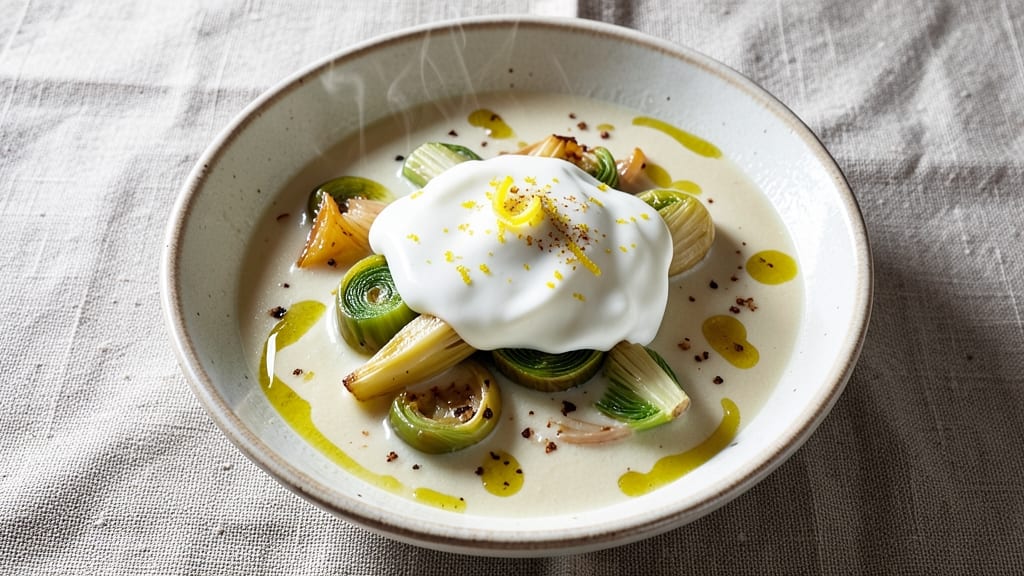
This artichoke soup recipe with canned artichokes delivers restaurant-quality creaminess without the chopping or waiting for fresh hearts to soften.
The secret lies in a velvety blend of canned artichokes, garlic, and a touch of lemon—transforming pantry staples into a soup so rich it feels like a hug in a bowl.
I developed this version after testing countless methods, and it consistently earns raves for its simplicity and depth of flavor.
The process is straightforward yet professional: sauté onions and garlic until fragrant, then build a smooth broth base with vegetable or chicken stock. Canned artichokes (drained and chopped) melt into the simmering liquid, releasing their natural sweetness while the soup thickens into a velvety texture.
A splash of lemon brightens the richness, and optional garnishes like Parmesan or fresh herbs elevate it to special-occasion status.
What you’ll end up with is a soup that’s creamy yet light, with tender artichoke pieces suspended in a silky broth. The aroma alone—warm, herby, and slightly tangy—will have everyone gathering around the table.
Best of all, it comes together in under 30 minutes, making it perfect for busy weeknights or impromptu gatherings.
Serve with crusty bread to soak up every last drop, or pair it with a simple green salad for a complete vegetarian meal. The recipe scales effortlessly, so you can easily double or halve it to suit your needs. Here’s how to make it—step by step—for foolproof results every time.
Ingredients for artichoke soup recipe with canned artichokes
Pantry staples and canned artichokes transform into restaurant-worthy soup with minimal effort.
| Ingredient | Amount | Notes |
|---|---|---|
| Yellow Onion 🧅 | 1 whole | Diced into small pieces |
| Garlic Cloves 🧄 | 3 cloves | Minced for aromatic base |
| Canned Artichoke Hearts 🌿 | 2 cans | 14 oz each, drained and chopped |
| Vegetable Broth 💧 | 4 cups | Low-sodium preferred |
| Heavy Cream 🥛 | ½ cup | Full-fat for richness |
| Lemon Juice 🍋 | 1 tbsp | Freshly squeezed |
| Extra-Virgin Olive Oil 🫒 | 2 tbsp | For sautéing aromatics |
| Fresh Thyme Leaves 🌿 | ½ tsp | Or 1/4 tsp dried thyme |
| Parmesan Cheese 🧀 | ¼ cup | Freshly grated, optional garnish |
| Salt 🧂 | ½ tsp | Diamond Crystal kosher salt |
| Black Pepper 🌶️ | ¼ tsp | Freshly ground preferred |
| Fresh Basil Leaves 🌿 | ¼ cup | Chopped, for garnish |
| Chicken Stock 💧 | 2 cups | Optional for deeper flavor |
The canned artichokes are the star here—look for high-quality brands like Goya or Del Monte in the water-packed section. The 14-ounce cans give you plenty of hearty pieces without the fuss of fresh prep. Fresh thyme is ideal, but dried works in a pinch—just use one-third the amount. For the broth, low-sodium options like Pacific Foods let you control the salt better. The heavy cream adds richness, so full-fat is worth it here—none of that light stuff. If you're watching calories, you can substitute half-and-half, but it won't be as luscious.
No fresh thyme? Dried thyme or even oregano will work, though the flavor profile shifts slightly. Short on chicken stock? Vegetable stock works perfectly, or even more water with a bouillon cube. The lemon juice is non-negotiable—it brightens the richness and balances the earthy artichokes. If you can't find fresh basil, dried basil at half the amount gets you close. For the Parmesan, grate it fresh from a wedge—pre-grated gets clumpy and loses flavor fast. The olive oil should be extra-virgin for the best flavor, but any decent brand works in a pinch.
This soup reheats beautifully—just warm it gently on the stove, stirring occasionally. Keeps for 4-5 days in the fridge, though it's best within 2 days for peak freshness. Freezes for 3 months if you want to make a big batch. I always double the recipe and freeze half—nothing beats coming home to a ready-made meal. For serving, I like to garnish with fresh basil and a sprinkle of Parmesan right before eating so it stays vibrant.
Why You'll Love This Recipe
- One-Pot Magic: I swear by this recipe when I’m too tired to wash a million dishes. Sauté the onion and garlic in a single pot, dump in the broth and artichokes, simmer until tender, then stir in the cream—no extra pans, no stress. The only cleanup is a quick wipe of the inside of the lid.
- Creamy Crunch Contrast: That crispy artichoke texture cutting through the velvety cream? It’s my favorite kind of flavor fight. The garlic lingers just enough to warm you up, while the broth keeps it light—no heavy, greasy aftertaste here.
- Weeknight to Dinner Party: Honestly, this soup works everywhere. I make it on Tuesdays with crusty bread and a side salad, but it also shines at holiday tables when I add a sprinkle of Parmesan and serve it with grilled cheese crostini. The same base, totally different vibes.
- Budget-Friendly Leftovers: Between us, canned artichokes are a game-changer for my wallet. A single jar stretches across three meals—soup tonight, pasta tomorrow, and a quick frittata the next day. Plus, the cream makes it feel fancy without breaking the bank.
Step-by-step instructions for artichoke soup with canned artichokes
Here's how to create a silky, restaurant-quality artichoke soup using canned hearts—no chopping required.
Sauté Aromatics Until Fragrant
Heat the 2 tablespoons extra-virgin olive oil in a large pot over medium heat. Add the 1 whole yellow onion, diced into small pieces, and cook for 5-6 minutes until softened and translucent. I like to stir occasionally to prevent browning—this ensures sweet, caramelized flavor without bitterness.
Add the 3 cloves minced garlic and 0.5 teaspoon fresh thyme leaves to the pot. Cook for another 1-2 minutes until the garlic becomes golden and fragrant. This aromatic base forms the flavor foundation of your soup—don't rush this step or you'll burn the garlic and create bitterness.
Build the Soup Base
Pour in the 4 cups vegetable broth and bring to a gentle boil. Add the 2 cans canned artichoke hearts, drained and chopped into bite-sized pieces. Stir well to combine, then reduce heat to medium-low and let the soup simmer for 10 minutes. This allows the artichokes to rehydrate and infuse their flavor into the broth.
Here's the thing—I add the 2 cups chicken stock now if I'm using it, along with the 0.5 teaspoon salt and 0.25 teaspoon black pepper. The chicken stock adds depth, but it's optional if you prefer a purely vegetarian version. Taste the soup at this stage and adjust seasoning if needed—this ensures perfect balance before adding the cream.
Create Velvety Texture
Reduce the heat to low and stir in the 0.5 cup heavy cream. Let the soup simmer gently for 5-7 minutes—this allows the cream to meld with the broth without curdling. I know it seems counterintuitive to simmer cream, but this gentle heat helps create that signature velvety texture without breaking the emulsion.
Add the 1 tablespoon lemon juice and stir well. The acidity brightens the flavors and cuts through the richness of the cream. This is also when I add the 0.25 cup chopped fresh basil leaves—they add freshness that balances the earthy artichokes. Let the soup continue simmering for another 3-4 minutes to let all the flavors meld together.
Finish and Serve
Use an immersion blender to purée the soup until smooth and velvety. If you don't have an immersion blender, carefully transfer the soup to a countertop blender in batches, blending until completely smooth. Return the puréed soup to the pot and stir in the 0.25 cup freshly grated Parmesan cheese—this adds a beautiful umami depth that complements the artichokes perfectly.
Taste the soup one final time and adjust seasoning if needed. The soup should be rich, velvety, and perfectly balanced between the earthy artichokes, creamy texture, and bright lemon notes. Serve immediately in warm bowls, garnished with additional Parmesan and fresh basil if desired. The soup tastes even better the next day, so consider making a double batch for leftovers.
Pro Tips For Making Artichoke Soup Recipe With Canned Artichokes
- Sauté Onions Low and Slow: I used to blast the onions on high heat, and they’d turn bitter before softening. For this soup, keep the heat at medium-low—you’re not searing, you’re melting. Five minutes with a splash of broth or water halfway through keeps them sweet and translucent, not caramelized.
- Drain and Rinse Artichokes Thoroughly: Canned artichoke hearts come packed in brine or water, and that extra salt or funk can ruin your soup. Drain them well, then give them a quick cold-water rinse—especially if the can says "brined." Trust me, you’ll taste the difference, and it’s not worth the extra effort later.
- Simmer Broth First, Add Cream Last: Heavy cream burns faster than you’d think. Start by simmering the broth, onions, and garlic until fragrant, then stir in the cream only in the last 3-4 minutes. If you add it too early, you’ll end up with a split pot of curdled soup and a sad, lumpy mess.
- Chop Garlic Fine, But Not Paste: I was lazy once and pulsed garlic in the food processor—big mistake. For this soup, mince it finely but keep it in chunks. It blends better into the cream and doesn’t clump like garlic powder or a paste. A sharp knife and 30 seconds of effort make all the difference.
Essential equipment for this recipe
Immersion Blender
An immersion blender is my absolute game-changer for this soup—it keeps everything contained in the pot while creating that silky texture. I recommend the Ninja BN601 for its powerful motor and durable build, or the Magic Bullet MB6800 for a more budget-friendly option.
The key is blending directly in the pot to avoid messy transfers and maintain heat. If you don’t have one, a countertop blender works, but you’ll need to cool the soup slightly first to avoid splattering. 💫
Heavy-Bottomed Pot
A 5-6 quart heavy-bottomed pot prevents hot spots that can scorch your soup. My go-to is a Le Creuset Dutch oven—it distributes heat evenly and handles temperature changes gracefully. For a more affordable choice, the Calphalon Classic is a solid performer.
Avoid thin, lightweight pots—they can cause uneven cooking and burn your aromatics. A lid is also helpful for simmering the broth.
Wooden Spoon
A wooden spoon is essential for stirring without scratching your pot or reacting with acidic ingredients. I prefer a long-handled silicone spoon (like the OXO Good Grips) because it’s heat-resistant and easy to clean.
Avoid metal spoons during the cream stage—they can cause curdling. Stir gently but consistently to distribute heat evenly and prevent sticking.
Fine-Mesh Strainer
A fine-mesh strainer is useful if you want to remove any artichoke skins or debris before blending. The OXO Good Grips collapsible strainer is my favorite because it’s compact and easy to store.
If you’re using canned artichokes, you might not need one, but it’s handy for straining broths or rinsing herbs. For the Parmesan, a microplane is better than a grater—it yields finer, more flavorful shavings.
Measuring Spoons
Precision matters with spices and liquids, so invest in a set of stainless-steel measuring spoons like the OXO Good Grips. I use them for the thyme, black pepper, and lemon juice to ensure consistent flavor.
A kitchen scale is optional but helpful for measuring broth or cream if you prefer grams over cups. For the olive oil, a small measuring cup with markings makes it easier to get the exact 2 tablespoons needed.
Optional: High-Speed Blender
If you’re making this soup frequently, a high-speed blender like the Vitamix 5200 or Ninja BL610 is worth the splurge. These machines handle hot liquids better and create ultra-smooth textures.
For occasional use, a basic countertop blender works, but you’ll need to let the soup cool slightly before blending to avoid overheating the motor. Always vent the lid to prevent pressure buildup. 🔥
Nutrition facts
Frequently asked questions
Can I use frozen artichoke hearts instead of canned?
Frozen artichoke hearts work perfectly—just thaw them first by soaking in warm water for 5-10 minutes or using the microwave. Drain well before chopping, as they'll release more liquid than canned ones. You may need to adjust the broth amount slightly if the soup seems too watery after blending.
Why does my soup look curdled after adding cream?
Curdling happens when cream is added to hot liquid too quickly or stirred too vigorously. Always reduce heat to low before adding cream, stir gently, and never let it boil. If it curdles, whisk in 1 tablespoon cold water or milk and simmer for 2-3 minutes to fix it.
How can I make this soup vegan?
Swap the heavy cream for full-fat coconut milk or cashew cream (blend ½ cup soaked cashews + ½ cup water). Use vegetable stock exclusively and omit the Parmesan. The texture will be slightly different but still delicious!
Can I prepare this soup ahead of time?
Yes! Make it up to 2 days ahead and store in the fridge. The flavors actually improve overnight. Reheat gently on the stove, stirring occasionally. For longer storage, freeze for up to 3 months—thaw in the fridge before reheating.
What if I don't have an immersion blender?
No problem! Transfer the soup to a countertop blender in batches, blending until smooth. Let the soup cool slightly first to prevent splattering. For extra-smooth results, strain through a fine-mesh sieve after blending.