
Soups & Stews
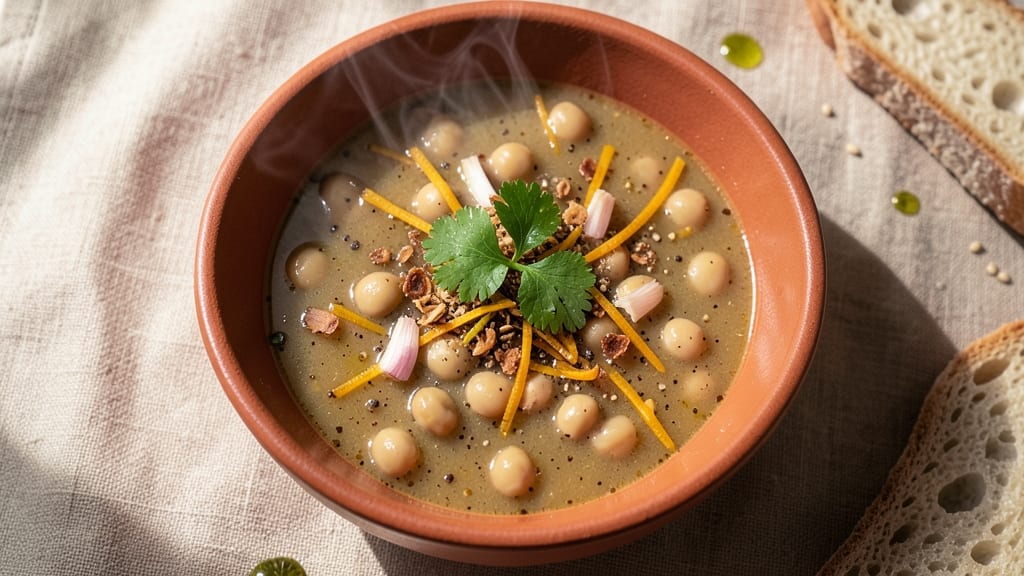
This Ash Persian soup recipe transforms humble chickpeas into a rich, slow-simmered masterpiece that defines Persian comfort food. 💫 The secret lies in its layered flavors—saffron-infused broth, tender chickpeas, and aromatic herbs that create a dish both hearty and deeply satisfying.
What makes Ash soup extraordinary is its ability to evolve: simple chickpeas become the foundation for a complex, restaurant-worthy bowl that's also vegetarian-friendly and packed with protein.
The beauty of this recipe is in its patience—chickpeas soak overnight to soften perfectly, while the broth simmers for hours, absorbing the flavors of garlic, turmeric, and cinnamon. The result is a velvety, golden soup with a delicate balance of earthy and floral notes, thanks to the saffron.
Each spoonful delivers a harmonious blend of textures—creamy broth, tender chickpeas, and fresh herbs—that make it a staple in Persian homes.
Serve this soup with warm barbari bread or steamed rice to soak up every last drop of that fragrant broth. The dish is naturally rich but light enough for any meal, making it perfect for cozy evenings or gatherings.
What you'll love most is how the flavors deepen as it sits, rewarding your effort with a taste of Persian tradition in every bite.
Ready to experience the magic? This recipe delivers authentic, restaurant-quality results without shortcuts—just time and care. The process may seem long, but the reward is a bowl of soup that feels like a hug in a bowl. Let's get started on creating this Persian classic.
Ingredients for ash persian soup
Transform simple chickpeas into a golden, saffron-infused Persian masterpiece with these aromatic ingredients.
| Ingredient | Amount | Notes |
|---|---|---|
| Dried Chickpeas 🥜 | 1 ½ cups | Soaked overnight, drained |
| Fresh Turmeric Root 🌿 | 1 inch | OR 1 tsp ground turmeric |
| Fresh Garlic Cloves 🧄 | 6 cloves | Peeled, lightly crushed |
| Fresh Ginger Root 🌿 | 1 ½ inch | OR 1 tbsp grated ginger |
| Ground Cumin 🌶️ | 1 tbsp | Toasted for deeper flavor |
| Ground Coriander 🌿 | 1 tbsp | Freshly ground preferred |
| Ground Cinnamon 🌶️ | ½ tsp | High-quality Ceylon preferred |
| Saffron Threads 🌼 | ¼ tsp | High-quality, organic preferred |
| Fresh Parsley 🌿 | ½ cup | Chopped, stems removed |
| Fresh Dill 🌿 | ¼ cup | Chopped, for garnish |
| Extra-Virgin Olive Oil 🫒 | ¼ cup | High-quality, fruity |
| Vegetable Broth 💧 | 6 cups | Homemade or quality store-bought |
| Lemon Juice 🍋 | 2 tbsp | Freshly squeezed |
| Salt 🧂 | 1 ½ tsp | Diamond Crystal preferred |
| Black Pepper 🌶️ | ½ tsp | Freshly ground preferred |
The turmeric and ginger are non-negotiable for that signature golden hue and earthy depth. Fresh roots from a specialty market like Whole Foods or Middle Eastern grocery stores deliver the most vibrant flavor, though pre-ground spices will suffice in a pinch. Saffron is the crown jewel—Spanish or Iranian saffron from Penzeys or Spicewalla ensures authentic flavor. For the chickpeas, Trader Joe's or Bob's Red Mill dried varieties work best—avoid canned unless you're using low-sodium and rinsing thoroughly. The garlic and ginger should be freshly peeled and crushed just before cooking to maximize their aromatic oils.
No fresh turmeric? Ground turmeric at double the amount works, though it lacks the same depth. Substitute grated ginger with ginger paste from a tube if needed, but reduce by half. For the broth, homemade vegetable stock elevates the dish, but low-sodium store-bought like Pacific Foods or Imagine is perfectly acceptable. The lemon juice can be swapped for sumac at half the amount for a tangier Persian touch. Herbs like parsley and dill can be omitted if unavailable, but the saffron and spices are essential—they're what transform this into authentic Ash soup.
The chickpeas must soak 8-12 hours for optimal texture—use a large stockpot to prevent overflow. Store the dried chickpeas in a cool, dark place for up to 1 year, while fresh herbs keep 3-5 days wrapped in damp paper towels. The finished soup reheats beautifully—simmer gently for 5-10 minutes to restore its velvety texture. Portion into glass jars for 5 days of fridge storage or freeze for 3 months. The flavors deepen overnight, so leftovers are often the best part.
Why You'll Love This Recipe
- No-Soaking Needed: I just toss dried chickpeas in boiling water—they soften perfectly while the soup simmers. No overnight prep, no fuss, and honestly? The flavor deepens as they cook, so you end up with that rich, hearty texture without the wait.
- Golden, Earthy Magic: That turmeric root—grated fresh—paints the soup a stunning golden hue while adding warmth that lingers. The cumin and ginger team up to create this cozy, slightly spicy depth that makes every spoonful satisfying. (Yes, even on a Tuesday night.)
- Meal Prep MVP: This soup only gets better the next day—thicker, more flavorful, and ready to reheat in minutes. I make a big batch on Sundays, and by Wednesday, it’s my go-to lunch. Plus, it’s cheap enough that I don’t mind having leftovers.
- Budget-Friendly Warmth: Dried chickpeas and spices cost pennies, but they pack a punch. This recipe feeds four for under $5, and the leftovers stretch into lunches or a quick dinner. Between us, it’s my secret weapon for stretching groceries without sacrificing taste.
Step-by-step instructions for Ash Persian soup
Transform simple ingredients into a fragrant, slow-simmered Persian masterpiece with this method.
🍳 Step 1: Toast Spices and Sauté Aromatics
Heat the extra-virgin olive oil in a large pot over medium heat until shimmering. Add the ground cumin and ground coriander and toast for 30 seconds until fragrant—you'll smell their warm, earthy notes intensify. Immediately add the peeled, lightly crushed garlic cloves and 1.5-inch fresh ginger root (peeled and thinly sliced), cooking for 2 minutes until the garlic turns golden and the ginger softens.
The reason we toast the spices first is to deepen their flavors through caramelization. Watch closely—the garlic should sizzle but not burn. If it starts browning too quickly, reduce the heat slightly. Add the 1-inch fresh turmeric root (peeled and sliced) and cook for another 1 minute until the mixture smells like an apothecary's garden.
🍳 Step 2: Bloom the Saffron and Add Broth
Carefully add the saffron threads to the pot and stir gently—this is where the magic happens. The saffron needs just 30 seconds to bloom and release its vibrant color and floral aroma. Immediately pour in the 6 cups vegetable broth and bring to a gentle simmer over medium-low heat. Add the 1.5 cups soaked, drained chickpeas and the 1.5 tsp salt.
Here's the thing about saffron—it's delicate. Don't let it sit in the hot oil too long or it'll turn bitter. The broth should just barely bubble, not boil vigorously. This slow simmer is crucial for developing the soup's depth of flavor. Let it cook uncovered for 20 minutes while you prepare the fresh herbs.
🥘 Step 3: Simmer and Season
After 20 minutes of simmering, stir in the 0.5 tsp ground cinnamon and 0.5 tsp black pepper. Add the 2 tbsp lemon juice and adjust the seasoning—this is your chance to taste and balance the flavors. The soup should be aromatic with bright, earthy, and slightly citrusy notes. If it needs more salt, add it now; if it needs more acidity, add a splash more lemon juice.
Continue simmering for another 15 minutes until the chickpeas are tender and the flavors have melded together. The soup should have reduced slightly, concentrating its flavors. You'll know it's ready when the chickpeas are fork-tender and the broth has a velvety consistency. If it's too thin, you can reduce it further by simmering uncovered for another 5 minutes.
👨🍳 Step 4: Finish with Fresh Herbs and Garnish
Remove the pot from heat and stir in the 0.5 cup chopped fresh parsley and 0.25 cup chopped fresh dill. These herbs add a bright, fresh finish that balances the rich, spiced broth. Let the soup sit off the heat for 5 minutes to allow the flavors to fully integrate.
Ladle the soup into bowls and garnish with additional fresh herbs if desired. The final touch should be a drizzle of extra-virgin olive oil—this adds richness and helps the soup cling to each spoonful. Serve immediately with warm pita bread or crusty sourdough to soak up every last drop of that fragrant broth.
Pro Tips For Making Ash Persian Soup
- SOAK CHICKPEAS OVERNIGHT: Dried chickpeas need at least 12 hours in water to soften properly—skipping this makes them tough no matter how long you simmer. I learned this the hard way when my soup turned out like eating rocks, so don’t rush it.
- PEEL TURMERIC LIKE GINGER: Scrape the skin off fresh turmeric root with a spoon—it’s thicker than ginger and won’t grate smoothly otherwise. A microplane works best, but if you’re lazy, just slice it thin and pulse in a food processor (no need to blend finely).
- TOAST SPICES LOW AND SLOW: Ground cumin burns faster than you think—bloom it in oil over medium-low heat for 30 seconds, stirring constantly. I used to crank the heat and ended up with bitter, acrid soup every time.
- SIMMER CHICKPEAS UNTIL TENDER: Check doneness after 2 hours, not the recipe’s suggested time—dried chickpeas vary wildly in hardness. Mash a few with a fork; they should break down easily but still hold shape. If not, add 20 more minutes.
Common mistakes when making your ash persian soup
Skipping the Soak
Rushing the 8-12 hour soak for chickpeas is the fastest way to ruin your soup. Unsoaked chickpeas won't soften properly, leaving you with hard, chalky bits that ruin the creamy texture. I learned this the hard way when I tried a 4-hour soak—the result was disappointing.
Use a large stockpot for soaking to prevent overflow, and cover with plenty of water (about 3 inches above the beans). 💫
Overcooking the Saffron
Saffron is delicate and burns easily, turning bitter if left too long in hot oil. Once you add those precious threads, stir gently for just 30 seconds before adding broth. I once let mine sit for 2 minutes—the result was a metallic, unpleasant flavor.
Remember, saffron should infuse the broth, not scorch. If you're nervous, bloom it in 2 tbsp warm broth first before adding to the pot.
Ignoring the Slow Simmer
Boiling vigorously will break down the chickpeas and scatter spices, creating a muddy, unbalanced soup. Maintain a gentle simmer at medium-low heat—you should see just a few tiny bubbles at the edges. I once boiled mine for 10 minutes straight, and the flavors became flat.
The slow cook is what builds depth. If your pot isn't large enough, reduce the heat further or use a 6-quart Dutch oven for better control.
Using Low-Quality Saffron
Cheap saffron often contains stems and other parts, which add bitterness and cloudiness. Invest in Spanish or Iranian saffron from trusted brands like Penzeys or Spicewalla. I once used a generic brand from the grocery store—it looked vibrant but tasted like hay.
For 0.25 tsp, expect to pay $5-$10, but the difference is worth it. If saffron is unavailable, turmeric at double the amount can mimic some of the color, though not the flavor.
Skipping the Resting Time
Letting the soup sit off heat for 5 minutes before serving allows flavors to meld and herbs to release their oils. I've served it immediately, and while it's still good, the flavors feel disjointed.
This resting time also helps the broth thicken slightly, creating that perfect velvety consistency. If you're in a hurry, at least let it sit for 2 minutes—it makes a noticeable difference.
Overcrowding the Pot
Using a pot that's too small forces chickpeas to compete for space, leading to uneven cooking and potential burning. A 6-quart pot is ideal for this recipe. I once used a 4-quart pot and had to stir constantly to prevent sticking.
If your pot is too small, cook in batches or use a larger pot. The broth should have enough room to circulate freely around the chickpeas for even cooking.
Nutrition facts
Frequently asked questions
Can I substitute canned chickpeas for dried?
Yes, but with adjustments! Use 2 (15 oz) cans of low-sodium chickpeas, drained and rinsed thoroughly. For best texture, simmer them in the broth for 10 minutes to soften further. Canned chickpeas work in a pinch, but dried ones develop deeper flavor during the overnight soak.
What makes this soup vegetarian-friendly?
This Persian soup is naturally vegetarian, packed with protein from chickpeas and rich umami from the vegetable broth. The saffron, turmeric, and spices add vibrant color and depth without any meat. It's a staple in Persian households and perfect for veggie diets!
How do I store leftovers?
Store in an airtight container in the fridge for up to 5 days. Reheat gently on the stove with a splash of water or broth to restore its velvety texture. For longer storage, freeze for 3 months—just thaw overnight in the fridge before reheating.
Can I make this soup in a slow cooker?
After toasting the spices and blooming the saffron, transfer everything to a 6-quart slow cooker and cook on low for 6-7 hours. The slow cooker enhances the flavors beautifully. Just add fresh herbs at the end and let it rest before serving.
What's the best bread to serve with it?
Warm barbari bread or lavash are traditional choices, but any crusty bread works! The porous texture soaks up the fragrant broth perfectly. For extra authenticity, look for Persian flatbreads at Middle Eastern markets.