
Soups & Stews
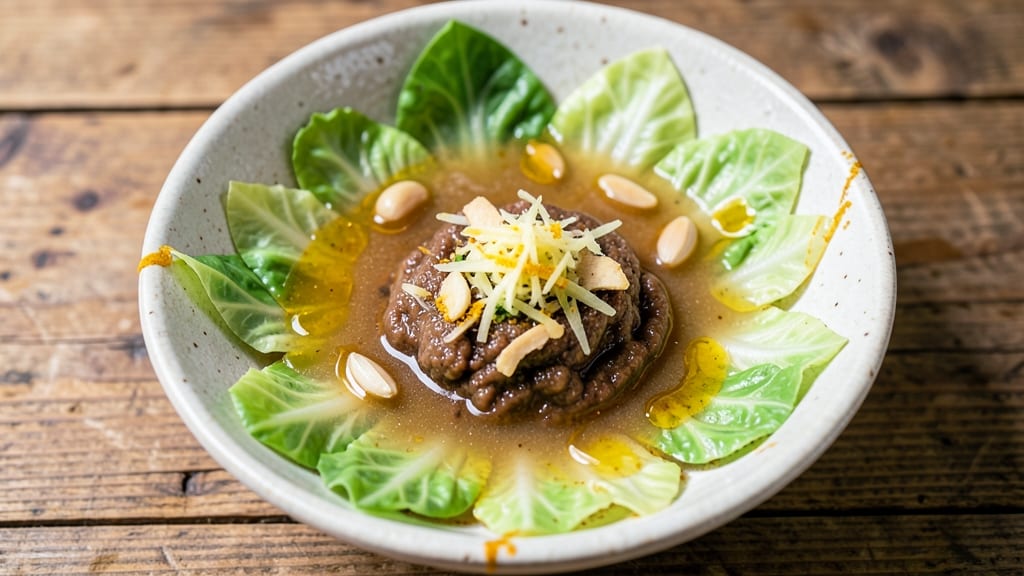
This Asian cabbage soup diet recipe delivers a lightweight, cleansing bowl that’s packed with ginger-turmeric zing and traditional flavors. I created it after realizing how quickly a simple cabbage base could transform into something vibrant, satisfying, and perfect for resetting your palate.
The secret lies in balancing the earthy cabbage with bright ginger, aromatic garlic, and a touch of miso for depth—no heavy cream or rich broths here.
What makes this recipe special is its versatility—it works as a standalone meal or pairs beautifully with steamed rice or noodles. The broth simmers with turmeric for warmth, fresh ginger for zing, and a splash of rice vinegar to brighten everything up.
You can keep it vegetarian or add protein like tofu or shrimp for extra staying power. Every spoonful is packed with flavor but still feels light enough to enjoy daily.
The result is a soup that’s nourishing yet refreshing, with cabbage that softens just enough to soak up all the aromatic broth. The ginger-turmeric combo adds a gentle kick that aids digestion, while the miso brings umami richness without heaviness.
It’s the kind of dish that makes you feel like you’re eating a restaurant-quality meal while still being gentle on your system.
Perfect for meal prep or a quick weeknight dinner, this soup keeps well in the fridge for up to 4 days—ideal for when you want something wholesome but don’t have time to fuss. Let’s get cooking!
Ingredients for asian cabbage soup diet
Bright cabbage, zesty ginger, and aromatic miso—this soup is all about cleansing flavors that satisfy without weighing you down.
| Ingredient | Amount | Notes |
|---|---|---|
| Green Cabbage 🥬 | 1 ½ lb | Cut into thin wedges |
| Fresh Ginger Root 🌿 | 2 tbsp | Finely grated, organic preferred |
| Garlic Cloves 🧄 | 4 cloves | Minced, fresh preferred |
| Red Miso Paste 🍶 | 2 tbsp | High-quality, non-GMO |
| Fresh Turmeric Root 🌿 | 1 tbsp | Finely grated, or use powder |
| Rice Vinegar 🍶 | 2 tbsp | White or seasoned |
| Vegetable Broth 💧 | 4 cups | Low-sodium, homemade preferred |
| Low-Sodium Soy Sauce 🍶 | 1 tbsp | For umami depth |
| Sesame Oil 🫒 | 1 tsp | Toasted, for aroma |
| Fresh Green Onion 🧅 | ¼ cup | Sliced, for garnish |
| Red Chili Flakes 🌶️ | ½ tsp | Adjust to taste |
| Sea Salt 🧂 | ½ tsp | Diamond Crystal preferred |
| Black Pepper 🌶️ | ¼ tsp | Freshly ground |
| Optional Tofu 🍱 | ½ lb | Firm, cubed for protein |
The cabbage is your star here—green cabbage works best for that crisp bite, but napa cabbage adds a sweeter twist. Grab the organic variety if you can, especially for the outer leaves—they're often the freshest. Fresh ginger and turmeric make all the difference (the root versions are fresher than powder), but if you're in a pinch, ground turmeric at half the amount works. For miso, red miso adds depth, but white miso keeps it lighter. I always stock up on Trader Joe's organic miso—it's affordable and reliable. The garlic should smell pungent, not bitter, which means it's fresh.
No fresh ginger? Powdered ginger at one-third the amount gets you close, but you'll lose that bright zing. Swap the sesame oil for toasted peanut oil if you're avoiding sesame. The tofu is optional, but if you add it, firm tofu that's been pressed and cubed holds up best to the broth. For extra protein without meat, shrimp or white fish would work beautifully. The broth is where the magic happens—homemade vegetable broth is ideal, but even low-sodium store-bought works in a pinch. Just taste as you go; the miso and soy sauce pack serious umami, so you might not need all the salt.
This soup tastes even better the next day as the flavors meld. Store it in an airtight container in the fridge for up to 4 days—perfect for meal prep. For freezing, portion it into ice cube trays first, then transfer to a bag. Thaw overnight in the fridge and reheat gently. The cabbage will soften further, but that's part of the charm. If you're watching your sodium, skip the soy sauce and add a splash of coconut aminos instead. Garnish with fresh green onions and a drizzle of sesame oil right before serving—that's the secret to restaurant-style presentation.
Why You'll Love This Recipe
- Pantry-to-Pot Magic: I swear by this recipe when I’ve got nothing but a few stalks of cabbage and a jar of miso. No fancy prep—just chop, simmer, and let the red miso do its umami magic. That turmeric? It turns the broth a golden hue that feels like a celebration, even if it’s just Tuesday.
- Umami Bomb: Between us, that red miso paste and fresh ginger is where this soup gets its je ne sais quoi. The first bite hits with a savory punch, then the ginger lingers like a warm hug. Honestly, it’s the kind of flavor that makes you forget it’s a “diet” recipe—because it’s just that good.
- Lunchbox Hero: I make a big batch on Sundays and pack it for work all week. The cabbage stays crisp, the broth stays rich, and it’s light enough to not weigh me down. My coworker stole my recipe after one taste—(yes, even on a Tuesday).
- Budget Win: Green cabbage, garlic, and ginger? Check. Miso and turmeric last forever. I’ve made this soup for under $2 a serving, and it’s still the most satisfying thing on my table. Not the prettiest, but the taste makes up for it every time.
Step-by-step instructions for Asian cabbage soup diet recipes
This ginger-turmeric cabbage broth delivers cleansing flavors while keeping calories in check.
Prep the Vegetables and Aromatics
Cut the 1.5 lb green cabbage into thin wedges, removing any tough outer leaves. The thinner the slices, the quicker they'll cook and absorb the broth's flavors. Peel and finely grate the 2 tbsp fresh ginger root and 1 tbsp fresh turmeric root - you'll want a smooth paste, not chunks. Mince the 4 cloves garlic until you can barely see the individual pieces.
I like to use a microplane for the ginger and turmeric because it gives me that fine texture that dissolves beautifully into the broth. If you're using powdered turmeric instead, measure out 1 teaspoon - it's more concentrated than fresh. Keep all your prepped ingredients in separate small bowls so they're ready to go when you start cooking.
Build the Flavor Base
Heat a large pot over medium heat and add the 1 tsp sesame oil. Let it warm for about 30 seconds until it's shimmering but not smoking. Add the minced garlic and cook for 30 seconds until fragrant - you should smell that sweet, pungent aroma. Immediately add the grated ginger and turmeric, stirring constantly for 1 minute until the raw smell disappears.
Here's where the magic happens: stir in the 2 tbsp red miso paste and let it sizzle for 30 seconds until it darkens slightly. This step develops the umami depth that makes this soup so satisfying. If you're using the 0.5 lb optional tofu, cut it into small cubes now and set aside - we'll add it later to prevent it from absorbing too much liquid too soon.
Simmer the Cleansing Broth
Pour in the 4 cups vegetable broth and bring to a gentle boil. Add the cabbage wedges, stirring to submerge them in the liquid. Reduce heat to medium-low and let it simmer for 10 minutes - you'll see the cabbage soften slightly but still maintain some structure. Add the 2 tbsp rice vinegar, 1 tbsp low-sodium soy sauce, 0.5 tsp sea salt, and 0.25 tsp black pepper, stirring well to combine.
If you're using tofu, add it now along with 0.5 tsp red chili flakes. The tofu will cook through in about 5 minutes, absorbing the broth's flavors. Taste the broth - it should be tangy from the vinegar, slightly sweet from the miso, and with a gentle heat from the chili. If it needs more brightness, add another teaspoon of rice vinegar.
Finish and Serve
Let the soup simmer uncovered for 5-7 minutes until the cabbage is tender but still holds its shape. The broth should be flavorful but not overly concentrated. Remove from heat and let it sit for 2 minutes - this resting period allows all the flavors to meld together beautifully.
Ladle the soup into bowls and garnish with 0.25 cup sliced fresh green onion. The green onion adds a fresh contrast to the warm, spiced broth. Serve immediately while hot - this soup is best enjoyed fresh from the pot when all the flavors are at their peak. For extra cleansing benefits, pair with steamed jasmine rice or a side of cucumber slices.
Pro Tips For Making Asian Cabbage Soup Diet
- CHAR THE GINGER FIRST: I learned this the hard way—if you toss raw ginger into simmering broth, it’ll just sit there like a stubborn rock. Instead, finely grate it (no need to peel) and sauté in a dry pan for 30 seconds until fragrant and slightly softened. That’s when it releases its real flavor into the soup.
- COOK CABBAGE IN BATCHES: Dumping a whole head of cabbage into the pot at once? You’ll end up with sad, waterlogged leaves. Cut it into wedges first, then add them in stages—start with the outer leaves for 3 minutes, then the core. This keeps the texture crisp-tender, not mushy.
- DILUTE MISO GRADUALLY: My first few times, I’d just toss in miso paste and stir, thinking it would dissolve. Wrong. Mix it with a splash of hot broth first, then whisk it into the pot slowly. This prevents clumping and lets the umami spread evenly—no one wants miso lumps in their soup.
- PRESERVE TURMERIC’S COLOR: Fresh turmeric root is a game-changer, but if you’re using powder, add it after the soup simmers. The heat breaks down the pigment quickly, turning your bright golden broth into a dull beige. A pinch of black pepper at the end also keeps the color vibrant—trust me, it works.
Serving suggestions for leftovers
Steamed Jasmine Rice
This soup pairs beautifully with steamed jasmine rice—its delicate floral aroma complements the earthy cabbage and zesty broth perfectly. Use a 1:1.25 rice-to-water ratio (e.g., 1 cup rice to 1¼ cups water) in a rice cooker or pot.
Let it steam for 15 minutes after boiling, then fluff with a fork. The neutral texture soaks up the broth beautifully while adding a satisfying bite. 🌾
Crisp Cucumber Slices
Add a refreshing contrast with chilled cucumber slices—toss them in 1 tbsp rice vinegar, ½ tsp sesame oil, and a pinch of sea salt. The cool crunch cuts through the warm soup, balancing the meal.
For extra flair, sprinkle with toasted sesame seeds or red pepper flakes. Serve on the side or directly in the bowl for a deconstructed look.
Miso-Glazed Tofu
If you skipped tofu in the soup, serve extra miso-glazed tofu as a side. Pan-fry ½ lb firm tofu until golden, then brush with a mix of 1 tbsp red miso, 1 tsp soy sauce, and ½ tsp maple syrup.
Broil for 3 minutes to caramelize. The umami glaze ties into the soup’s flavors while adding protein. 🍱
Quick Pickled Vegetables
Brighten your plate with quick-pickled vegetables—slice ½ cup daikon radish and ½ cup carrot into matchsticks, then soak in ¼ cup rice vinegar, 1 tsp sugar, and ½ tsp salt for 20 minutes.
The tangy crunch adds a palate-cleansing element. Use napa cabbage for a sweeter contrast or jicama for a tropical twist.
Herbed Quinoa Salad
For a heartier option, try a herbed quinoa salad—cook ½ cup quinoa in 1 cup broth, then fluff with 1 tbsp chopped cilantro, 1 tsp lime juice, and ½ tsp chili flakes.
The nutty quinoa adds texture, while the lime brightens the dish. Serve warm or at room temperature for a balanced meal.
Garnish Like a Pro
Elevate your serving with these pro tips: Drizzle ½ tsp sesame oil over the soup just before eating for aroma. Sprinkle toasted sesame seeds or crushed peanuts for crunch.
A lime wedge on the side lets diners add brightness as needed. Fresh Thai basil or mint leaves add a fragrant finish—just a few leaves make a difference. 🌿
Nutrition facts
Frequently asked questions
Can I make this soup without tofu for a vegetarian version?
This recipe is naturally vegetarian-friendly without any animal products. The cabbage, ginger, garlic, and miso provide plenty of flavor and protein alternatives. For extra heartiness, add chickpeas or edamame—simmer them in the broth for 5 minutes until heated through. The soup remains light but satisfying.
How do I adjust the spice level for sensitive stomachs?
Skip the red chili flakes entirely and reduce the ginger to 1 tbsp instead of 2 tbsp for a milder version. The turmeric and miso provide warmth without heat. For extra gentle cleansing, add ½ cup shredded carrot—it balances the flavors while adding natural sweetness. Always taste as you go!
Can I use napa cabbage instead of green cabbage?
Yes, but adjust the cooking time! Napa cabbage is sweeter and softer, so cut it into ½-inch thick slices and reduce simmering to 7 minutes instead of 10 minutes. The core stays crisp, but the leaves become tender. For extra flavor, add 1 tsp grated daikon radish to the broth.
Will this soup keep well for meal prep?
Perfect for meal prep! Store in an airtight container in the fridge for up to 4 days. The broth actually tastes better after 24 hours as flavors meld. Reheat gently on low heat or in the microwave (stir halfway) until steaming. For freezing, portion into ice cube trays first, then transfer to a bag—this prevents soggy cabbage. Thaw overnight in the fridge.
What if I don't have miso paste?
No problem! Replace the 2 tbsp miso with 1 tbsp soy sauce + 1 tsp nutritional yeast for umami depth. For a lighter touch, use 1 tbsp white miso (it's milder) or 1 tbsp coconut aminos + ½ tsp smoked paprika. The ginger-turmeric combo still shines—just add an extra ½ tsp salt to balance flavors.