
Soups & Stews
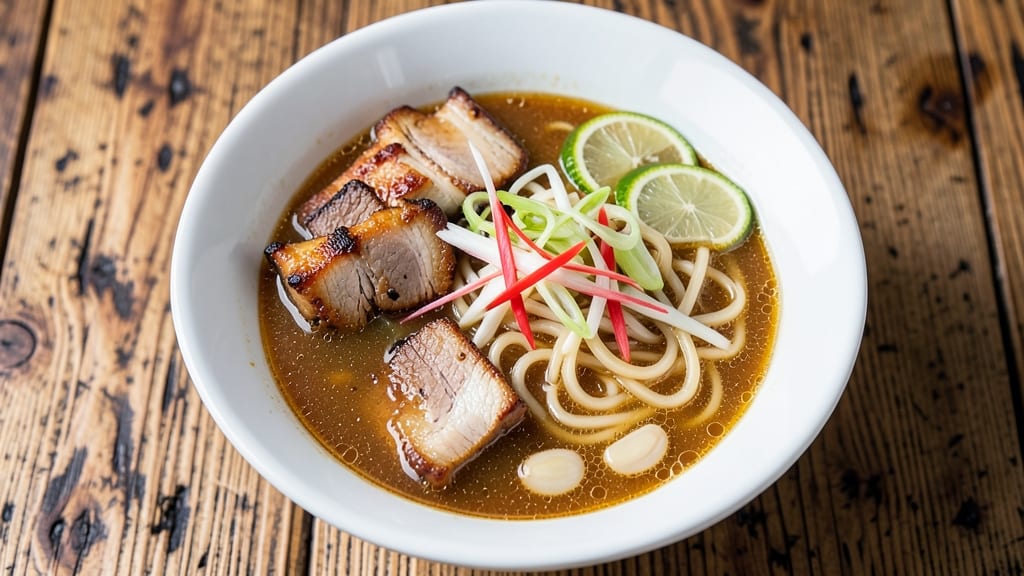
Asian ramen soup recipe transforms your kitchen into a steaming ramen stall with rich, umami-packed broth and silky noodles that melt in your mouth. The secret lies in slow-simmered pork bones and aromatics—ginger, garlic, and scallions—that infuse the broth with layers of savory depth. This one-pot masterpiece delivers restaurant-quality results without requiring a wok or specialized tools, making it perfect for weeknight dinners or cozy gatherings.
The broth is the heart of this ramen, simmered for hours to extract collagen and create a velvety texture.
We balance the richness with a touch of soy sauce for brightness and a splash of sesame oil for nuttiness, while fresh toppings like soft-boiled eggs, chashu pork, and green onions add texture and color.
The noodles cook directly in the broth, absorbing its flavors for an extra layer of comfort.
What you’ll end up with is a steaming bowl of ramen that’s creamy yet light, with a perfect balance of salty, sweet, and umami. The broth clings to the noodles, while the toppings provide a satisfying crunch and contrast.
This recipe stays true to traditional techniques while being approachable for home cooks—no prior ramen experience required.
Serve immediately with your favorite toppings, or customize it with vegan ingredients like shiitake mushrooms and tofu for a plant-based twist. The beauty of ramen lies in its adaptability, so feel free to experiment with flavors while keeping the soul of the dish intact.
Ingredients for asian ramen soup
Pantry staples and a few key ingredients create this fragrant, umami-packed ramen masterpiece.
| Ingredient | Amount | Notes |
|---|---|---|
| Pork Bones 🍖 | 2 lb | Marbled for rich flavor |
| Fresh Ginger 🧅 | ½ inch | Peeled, sliced thin |
| Garlic Cloves 🧄 | 8 cloves | Minced for depth |
| Scallions 🧅 | 1 whole | White and green parts |
| Ramen Noodles 🍜 | 1 package (8 oz) | Fresh or dried preferred |
| Soy Sauce 🥄 | ¼ cup | Light or dark variety |
| Sesame Oil 🫒 | 1 tbsp | Toasted for aroma |
| Green Onions 🧅 | ¼ cup | Sliced for garnish |
| Large Eggs 🥚 | 4 whole | Soft-boiled for topping |
| Chashu Pork 🍖 | ½ lb | Pre-cooked, sliced thin |
| Chicken Broth 💧 | 4 cups | Low-sodium preferred |
| White Miso Paste 🧈 | 2 tbsp | For umami richness |
| Salt 🧂 | 1 tsp | Kosher or sea salt |
| Black Pepper 🌶️ | ½ tsp | Freshly ground |
| Sesame Seeds 🌾 | 1 tbsp | Toasted for crunch |
Pork bones are the backbone—look for marbled cuts at your butcher or Costco for the best flavor. Fresh ginger and garlic? Asian markets have the freshest, but regular grocery stores work too. I always grab extra ginger because it keeps for weeks in the freezer. The ramen noodles can be fresh or dried—just check the package for cooking time. For the chashu pork, pre-cooked slices from Trader Joe's save time, but homemade is worth it if you're feeling ambitious.
No pork bones? Chicken thighs or beef shank work in a pinch for broth, but the flavor won't be identical. Swap soy sauce for coconut aminos if you're avoiding soy. Fresh ginger too spicy? Use half the amount and add a pinch of sugar to balance. The miso paste is non-negotiable—it's what gives that deep, savory umami. No miso? White bean paste or extra soy sauce can help. The sesame oil might seem small, but it's what ties everything together—don't skip it!
Broth keeps for 4-5 days in the fridge—taste and add more salt if needed. Noodles reheat best with a splash of water. Store toppings separately: eggs 2 days max, chashu 5 days. Freeze broth in 1-cup portions for quick ramen nights later. I always make extra—it's perfect for lunch the next day.
Why You'll Love This Recipe
- Porky Depth in Minutes: I swear by the pork bones here—simmering them for just 20 minutes unlocks that rich, savory broth without hours of work. No fancy equipment, just a pot and patience (the good kind).
- Ginger-Garlic Magic: That first bite? The fresh ginger and garlic cloves caramelize into something ridiculously good—sharp, sweet, and lingering. Honestly, I’ve tried store-bought broths, but this beats them every time.
- Leftovers That Shine: This soup actually improves the next day. The flavors meld, the noodles soften just right, and I’ve packed lunches from it for three days straight. (Yes, even on a Tuesday night.)
- Budget-Friendly Soul Food: Pork bones and fresh ginger might sound fancy, but they stretch this recipe into meals for days. I’ve fed my whole family for under $10—plus, the leftovers taste better than takeout. My secret weapon.
Step-by-step instructions for asian ramen soup
Let's build this rich, aromatic ramen from scratch—layering deep flavors in one pot.
Prepare the Pork Bones for Maximum Flavor
Preheat your oven to 450°F. Place the 2 lb pork bones on a baking sheet and roast for 20-25 minutes until they develop a deep golden brown crust. This step caramelizes the bone surfaces, unlocking intense umami flavors in the broth. Flip them halfway through for even browning.
While the bones roast, peel and slice the 0.5 inch fresh ginger into thin rounds, and mince the 8 cloves garlic cloves finely. Set these aside—they'll join the bones in the pot shortly. I like to use a microplane for the ginger to get those fragrant oils released early. The aroma alone will make your kitchen smell amazing.
Build the Umami-Packed Broth
Transfer the roasted pork bones to a large stockpot and add 4 cups chicken broth. Bring to a boil over high heat, then immediately reduce to a gentle simmer. Skim off any foam that rises to the surface for the first 10 minutes—this ensures a clear, clean broth. Add the sliced ginger and minced garlic to the pot.
Simmer uncovered for 2 hours to extract maximum flavor from the bones. You'll know it's working when the broth turns a rich amber color and smells deeply savory. If it reduces too much, add a little water to maintain 4 cups total liquid. The longer it simmers, the more collagen breaks down into gelatin, creating that silky texture we want.
Infuse with Aromatics and Seasonings
After 2 hours, strain the broth through a fine-mesh sieve into a clean pot, pressing gently on the solids to extract every last drop of flavor. Return the broth to the pot and discard the solids. Add the 2 tbsp white miso paste, 0.25 cup soy sauce, 1 tsp salt, and 0.5 tsp black pepper. Stir well to dissolve the miso completely—it should create a smooth, velvety base for your soup.
Bring the broth back to a gentle simmer and add the 1 whole scallions (white parts only), sliced into 0.25 inch rounds. Simmer for another 10 minutes to infuse the broth with subtle onion sweetness. This step adds another layer of complexity without overpowering the main flavors. The green parts of the scallions will be used later for garnish, so keep them separate.
Prepare the Noodles and Toppings
While the broth simmers, prepare the 1 package (8 oz) ramen noodles according to package instructions—but here's the trick: cook them for 1 minute less than directed. They'll finish cooking in the hot broth, preventing them from becoming mushy. Drain and set aside, reserving 1 cup of the starchy noodle water.
For the egg topping, bring a small pot of water to a gentle simmer and carefully lower in the 4 whole large eggs. Cook for exactly 6 minutes for perfectly set yolks with runny centers. Transfer to an ice bath to stop cooking, then peel and halve lengthwise. Keep them warm in a bowl of warm water while you finish assembling the soup.
Assemble and Serve with Confidence
Return the broth to a gentle simmer and add the 0.5 lb chashu pork, sliced into 0.25 inch strips. Let it warm through for 2-3 minutes. Stir in the 1 tbsp sesame oil and adjust seasoning if needed—the broth should taste deeply savory with just a touch of saltiness.
To serve, divide the cooked noodles among four bowls. Ladle the hot broth over the noodles, then add the halved eggs and chashu pork. Garnish with sliced green onions and toasted sesame seeds. The contrast of textures—silky broth, chewy noodles, creamy eggs, and crispy pork—makes every spoonful perfect. Serve immediately while everything is steaming hot.
Pro Tips For Making Asian Ramen Soup
- Char the Bones First: Blacken those pork bones in a dry pot for 5-7 minutes before adding liquid—this locks in deep, smoky flavor. I used to skip this and wondered why my broth tasted bland; the Maillard reaction is your friend here.
- Slice Ginger Thinly: Use a mandoline or sharp knife to cut ginger into paper-thin slices, not matchsticks. Thinner pieces infuse flavor without turning the broth bitter, and they dissolve just enough to tease your taste buds.
- Don’t Boil the Garlic: Add whole garlic cloves to the broth after the pork bones have simmered for 30 minutes, then remove them before serving. Boiling turns garlic bitter—this keeps it sweet and aromatic, like a hidden gift.
- Save the Scallion Greens: Reserve the bright green tops of scallions for garnish instead of chopping them all into the broth. Their fresh crunch and color elevate the dish at the end, making it feel restaurant-worthy without extra effort.
Common mistakes when making this dish
Skipping the Skim
One of the most common mistakes is neglecting to skim the broth during the initial simmer. Those first 10 minutes of foam contain impurities that can make your broth cloudy and bitter. I’ve seen home cooks rush this step, and the difference in clarity and flavor is night and day.
Use a fine-mesh skimmer or ladle to remove the foam—it’s worth the extra 5 minutes of effort. 🌟
Overcooking the Noodles
Many people cook ramen noodles straight in the broth, but they often overdo it, resulting in mushy, sad noodles. The trick is to par-cook them for 1 minute less than the package suggests, then finish them in the hot broth.
I’ve ruined more than a few batches by ignoring this step—always trust the timing! Reserve that starchy noodle water too; it’s liquid gold for adjusting broth consistency.
Underestimating Simmer Time
Patience is key with ramen broth, but I’ve seen cooks impatiently reduce the simmer time to 1 hour or less. True flavor develops during that 2-hour slow simmer—the collagen breaks down, creating that signature silky texture.
If you’re short on time, start with a pork bone broth base from the store (like Kikkoman) and build from there, but homemade is always better when you can spare the time.
Ignoring the Miso
Some recipes skip the miso paste or add it too late, missing out on its umami magic. Stir in the 2 tbsp white miso during the final 10 minutes of broth simmering—this lets it dissolve properly and infuse evenly.
Pro tip: Use a whisk to break up any clumps first. Without it, your broth will taste flat and lack that deep, savory richness that defines great ramen. 🧈
Overlooking the Egg Technique
Soft-boiled eggs can make or break your ramen, but many cooks either undercook or overcook them. Aim for exactly 6 minutes in simmering water for yolks that are set but still runny. Immediately shock them in ice water to stop cooking, then peel and halve lengthwise.
I’ve seen eggs turn rubbery or still completely liquid—both are avoidable with this precise timing. Keep them warm in a bowl of warm water until serving.
Neglecting the Aromatics
Fresh ginger and garlic are non-negotiable for authentic flavor, but some cooks use powdered versions or skip them entirely. Fresh ginger releases its oils when sliced thin, and minced garlic should sizzle gently in the pot.
I always double-check that these are added to the broth early—they’re the foundation of that fragrant aroma. For extra depth, add a splash of 1 tsp rice vinegar at the end to brighten the flavors. 🧅
Nutrition facts
Frequently asked questions
Can I make this ramen with chicken instead of pork?
For a lighter broth, use 2 lb chicken thighs and backs instead of pork bones. Roast them at 450°F for 30 minutes to render fat, then simmer for 2.5 hours instead of 2. The flavor will be more delicate but still deeply savory. Add an extra 1 tbsp soy sauce to compensate for the milder taste of chicken.
How do I make this vegan?
Swap pork bones for shiitake mushrooms or kombu seaweed (soaked in hot water for 20 minutes) for umami depth. Use vegan miso paste and coconut aminos instead of soy sauce. For protein, add tofu or tempeh (pan-fried with garlic and sesame oil). The broth will still be rich but plant-based—simmer mushrooms for 3 hours to extract maximum flavor.
Why is my broth cloudy?
Cloudiness usually means you didn't skim the foam during the first 10 minutes of simmering. This removes impurities that cause cloudiness. If it's too late, strain the broth through a cheesecloth-lined sieve for extra clarity. For extra richness, add 1 tbsp cornstarch mixed with water and simmer for 5 minutes to polish the broth.
Can I prepare the broth ahead of time?
Yes! The broth actually tastes better the next day as flavors meld. Cool it completely, then refrigerate for up to 4 days or freeze in 1-cup portions for 3 months. Reheat gently on low heat, skimming any fat that rises to the top. Pro tip: Add a splash of water when reheating to maintain the right consistency.
What's the best way to store leftover ramen?
Store noodles and toppings separately in airtight containers. The broth keeps for 4 days in the fridge. To reheat, combine broth and noodles in a pot, adding 2 tbsp noodle water to prevent dryness. Warm through on medium-low heat—never microwave, as it makes noodles rubbery. Toppings like eggs and chashu should be reheated separately and added fresh.