
Soups & Stews
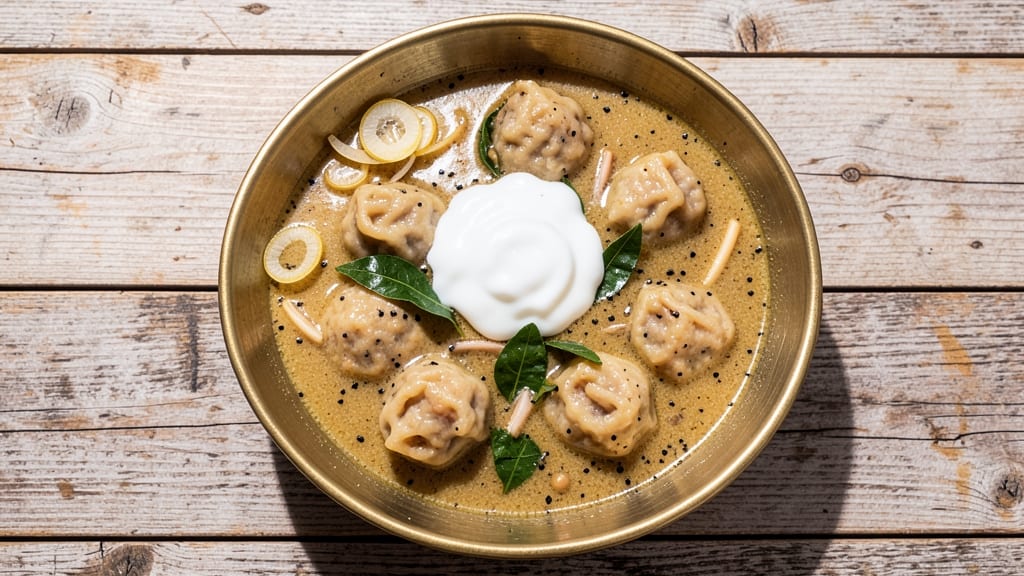
This Attukal Pongal soup recipe brings the sacred flavors of Kerala’s Attukal Pongala festival to your kitchen, where crispy lentil dumplings float in fragrant coconut broth.
The dish honors tradition with its spiced lentil base, tender vegetables, and aromatic spices—each element carefully balanced for that signature crispy texture that defines this cherished offering.
What makes this recipe special is its cultural depth: traditionally prepared by women during the 10-day Attukal Pongala festival, it’s as much about community as it is about taste.
The foundation of this soup lies in its lentil mixture, where split pigeon peas and rice are ground into a smooth batter, then shaped into delicate dumplings that crisp to golden perfection when fried.
The broth simmers with coconut milk, tamarind, and a blend of Kerala spices—ginger, garlic, and curry leaves—that infuse every spoonful with warmth. Unlike other lentil soups, the dumplings here are the star, offering a satisfying contrast of textures: tender inside, crisp outside.
What you’ll achieve is a dish that’s both comforting and celebratory, steeped in tradition yet approachable for home cooks. The aroma of coconut and spices will fill your kitchen, while the crispy dumplings deliver that satisfying crunch with every bite.
This recipe isn’t just about the food—it’s about the ritual, the gathering, and the joy of sharing a meal that carries centuries of cultural significance.
Perfect for festival celebrations or as a hearty vegetarian main, this Attukal Pongal soup brings the spirit of Kerala to your table.
The instructions are designed to guide you through each step—from preparing the lentil batter to frying the dumplings and simmering the broth—so you can recreate this beloved dish with confidence. Let’s begin.
Ingredients for attukal soup
Pantry staples meet Kerala tradition—crispy lentil dumplings and fragrant coconut broth await.
| Ingredient | Amount | Notes |
|---|---|---|
| Split Pigeon Peas (Toor Dal) 🌾 | 1 cup | Soaked overnight for smooth batter |
| Rice (Short Grain) 🍚 | ½ cup | Soaked overnight for smooth batter |
| Fresh Coconut Milk 🥥 | 1 ½ cups | Full-fat for richness (or 1 can, 13.5 oz) |
| Curry Leaves 🌿 | ¼ cup | Fresh, lightly crushed |
| Ginger 🧄 | 1 inch | Fresh, peeled and sliced |
| Garlic Cloves 🧄 | 4 cloves | Peeled and minced |
| Green Chilies 🌶️ | 2 whole | Slit lengthwise for heat |
| Tamarind Paste 🍋 | 2 tbsp | Or 1 tbsp lemon juice |
| Tomatoes 🍅 | 2 medium | Ripe, diced (or 1 cup chopped) |
| Onion 🧅 | 1 medium | Finely chopped (or 1 cup) |
| Garam Masala 🌶️ | 1 tsp | Ground whole spices |
| Turmeric Powder 🌿 | ½ tsp | Freshly ground preferred |
| Cumin Seeds 🌿 | ½ tsp | Toasted for aroma |
| Salt 🧂 | 1 tsp | Adjust to taste |
| Oil (Vegetable or Coconut) 🫒 | ½ cup | For frying dumplings |
The lentils and rice are the heart of this dish. Split pigeon peas and short-grain rice soak overnight for a smooth batter—don’t skip this step, or the dumplings won’t hold shape. For coconut milk, full-fat canned works best (like Thai Kitchen brand), but fresh is ideal if you’ve got it. Curry leaves? Indian grocery stores carry them fresh in bundles—look for vibrant green ones. The ginger and garlic should be freshly minced for that bright, zesty kick. If you can’t find tamarind paste, lemon juice works in a pinch, though it’ll taste slightly different.
No curry leaves? Substitute 1 tsp dried curry powder, but it won’t be the same. Green chilies too spicy? Remove seeds and halve the amount. The tomatoes and onion can be swapped for 1 cup diced bell pepper if you prefer. For the garam masala, homemade is best—toast cumin, coriander, cardamom, cinnamon, and cloves, then grind—but store-bought works too. The oil for frying? Coconut oil adds authentic flavor, but vegetable oil is fine. Just keep it hot enough to get those dumplings golden and crispy—that’s the magic.
The batter keeps for 2 days in the fridge, covered tightly. The fried dumplings? Eat them fresh—they lose crispness fast. The broth can be made ahead and reheated gently. Store leftovers for 3 days in the fridge, but the dumplings are best fried fresh. Pro tip: Double the batter and freeze half—just thaw and fry as needed. This dish is all about community, so make extra for sharing.
Why You'll Love This Recipe
- One-Pot Magic: This soup comes together in a single pot—no chopping frenzy, no last-minute ingredient hunts. The rice and dal simmer together while you prep the ginger and curry leaves, and honestly? That’s my kind of cooking.
- Coconut Cream Dream: The fresh coconut milk transforms this into something rich yet light—like a hug in a bowl. It’s creamy without being heavy, and the ginger gives it that zing that keeps you coming back.
- Lunchbox Hero: Between us, this is my go-to for meal prep. The flavors only get better the next day (yes, even on a Tuesday night), and it reheats like a dream. Pack it cold or warm—either way, it’s a win.
- Pocketbook Friendly: Toor dal and rice are my budget allies, and coconut milk stretches further than you’d think. I’ve fed four people for under $10, and they didn’t even notice the price tag. (Neither did I, until I checked the receipt.)
Step-by-step instructions for Attukal Pongal soup
Here's how to create those signature crispy lentil dumplings floating in fragrant coconut broth.
Prepare the Lentil-Rice Batter
Drain the soaked split pigeon peas and rice thoroughly, then grind them together in a food processor until you get a smooth, thick batter. I like to add about ¼ cup of water while grinding to help it blend evenly—this ensures no grainy texture in your dumplings. The batter should be thick enough to hold its shape when dropped but still flow smoothly.
Transfer the batter to a mixing bowl and stir in ½ teaspoon turmeric powder, ½ teaspoon cumin seeds, and 1 teaspoon salt. This seasoning step is crucial—it infuses flavor into the dumplings before they even hit the oil. Let the batter rest for 15 minutes while you prepare the broth. This resting time helps the flavors meld and makes the dumplings easier to shape later.
Create the Spiced Coconut Broth
Heat ½ cup oil in a large pot over medium heat. Add the toasted cumin seeds and let them sizzle for 30 seconds until fragrant—this releases their warm, earthy aroma. Add the finely chopped onion and cook for 5 minutes until softened and golden.
Stir in the minced garlic cloves, sliced ginger, slit green chilies, and lightly crushed curry leaves. Cook for another 2 minutes until the garlic turns golden and the chilies soften slightly. Add the diced tomatoes and cook for 5 minutes until they break down into a thick paste. This step builds the flavor foundation for your broth.
Simmer the Broth with Tamarind and Coconut
Pour in 1½ cups fresh coconut milk and stir well to combine with the spiced onion-tomato mixture. Add 2 tablespoons tamarind paste and 1 teaspoon garam masala, then bring the mixture to a gentle boil. Reduce heat to low and let it simmer uncovered for 15 minutes, stirring occasionally.
The broth should reduce slightly and develop a rich, aromatic fragrance. Taste and adjust the seasoning with additional salt if needed. Keep this broth warm on the stove while you prepare the dumplings—it's the perfect vehicle for those crispy bites you're about to create.
Fry the Lentil Dumplings to Golden Perfection
Heat ½ cup oil in a separate deep skillet over medium heat until it shimmers but doesn't smoke. Working in batches, carefully drop spoonfuls of the lentil-rice batter into the hot oil. I use a small ice cream scoop for uniform-sized dumplings—this ensures even cooking and crispiness.
Fry the dumplings for 3-4 minutes per batch, turning occasionally, until they turn a deep golden brown color. They should be crispy on the outside but still tender inside. Remove them with a slotted spoon and drain on paper towels. The key here is not to overcrowd the pan—this prevents the oil temperature from dropping, which is essential for that perfect crispy texture.
Assemble and Serve the Attukal Pongal Soup
Gently ladle the warm coconut broth into serving bowls. Arrange the crispy lentil dumplings on top, letting them float in the fragrant liquid. The contrast of the crispy exterior and warm broth creates the perfect bite—crunchy on the outside, tender on the inside, with each spoonful delivering layers of spiced coconut flavor.
Garnish with additional curry leaves and slit green chilies for freshness and a pop of color. Serve immediately while the dumplings are still crispy. This dish tastes even better the next day as the flavors meld further, but the dumplings will lose their crispiness if left sitting in the broth too long.
Pro Tips For Making Attukal Soup
- SOAK THE DAL LONGER: I learned this the hard way—skipping the extra 30 minutes of soaking makes the dal gummy no matter how long you cook it. Split pigeon peas need at least 4 hours (overnight is best) in warm water to soften properly. Drain well before cooking, or the soup will turn gluey instead of creamy.
- TOAST THE RICE FIRST: Dry-toast the short-grain rice in a separate pan until it smells nutty and lightly browns—about 3-4 minutes on medium heat. This prevents the rice from turning mushy in the soup and gives the dish that satisfying texture contrast. (Yes, even if you're impatient like me.)
- SIMMER THE COCONUT MILK LOW: After adding coconut milk, reduce the heat to the lowest setting and let it bubble gently. Boiling it hard will split the milk, turning your soup greasy and curdled. A slow simmer keeps the creaminess intact and lets the flavors meld properly.
- ADD CURRY LEAVES LATE: Toss the curry leaves into the soup only in the last 5 minutes of cooking. If you add them early, they’ll turn bitter and release too much oil, overpowering the delicate balance of coconut and dal. Fresh leaves should sizzle just before serving for that signature aroma.
Creative variations of this dish
Kerala Festival Twist
For a truly authentic Attukal Pongala experience, add 1 cup shredded coconut to the broth during the final 5 minutes of simmering. This creates a creamy texture that mirrors the festival's traditional preparation.
I also recommend serving with steamed rice and a side of mango pickle to balance the dish's richness. The pickle's tangy sweetness cuts through the coconut's creaminess beautifully. 🌿
Spicy Heat Level
Adjust the heat to your preference by controlling the green chilies. For mild heat, remove seeds and use 1 chili per serving. For medium heat, keep seeds in and use 2 chilies total.
If you love spice, add ½ tsp red chili powder to the broth for extra kick. I find 1-2 chilies gives that perfect balance of warmth without overwhelming the dish. 🌶️
Vegetarian Protein Boost
Make this soup heartier by adding ½ cup cooked chickpeas to the broth during the last 10 minutes of simmering. The chickpeas add protein and a satisfying texture contrast.
For extra richness, stir in 2 tbsp yogurt at the end—it cools the heat slightly while adding creaminess. This variation works especially well for lunchboxes or meal prep. 💪
Coconut Milk Variations
Swap out regular coconut milk for light coconut milk to make a lighter version, or use coconut cream for a richer, thicker broth. I've also experimented with cashew cream (blended soaked cashews) for a nutty twist that still maintains the dish's traditional essence.
Each variation changes the soup's mouthfeel while keeping the core flavors intact. 🥥
Regional Adaptations
In coastal Kerala regions, add ½ cup grated raw mango to the broth for a tangy, refreshing note. Inland areas often include 1 tsp fennel seeds toasted with the cumin for a sweeter aroma.
For a modern touch, blend ½ cup spinach into the batter before frying—it adds vibrant color and nutrients without altering the dish's essence. 🗺️
Sweet-Savory Balance
For a dessert-inspired version, reduce the tamarind to 1 tbsp and add 1 tbsp jaggery (palm sugar) to the broth. This creates a sweet-savory profile that's perfect for breakfast or festive occasions.
Garnish with toasted coconut flakes instead of curry leaves for a tropical finish. The jaggery enhances the coconut's natural sweetness while keeping the dish authentically Kerala-inspired. 🍯
Nutrition facts
Frequently asked questions about Attukal Pongal soup
What makes Attukal Pongal soup different from other Kerala soups?
This dish stands out for its unique lentil dumplings made from split pigeon peas and rice, which are fried to crispy perfection. Unlike other Kerala soups that focus on curries or stews, Attukal Pongal features these golden-brown dumplings floating in a fragrant coconut-tamarind broth—creating a satisfying texture contrast that's central to its cultural significance during the Attukal Pongala festival.
Can I make the batter ahead of time?
Yes! The batter keeps well for 2 days in the refrigerator when stored in an airtight container. For longer storage, freeze portions in small containers—thaw overnight in the fridge before using. The key is to ensure the batter is at room temperature when shaping the dumplings for even frying. This makes festival prep much easier when you're making large batches.
Why do the dumplings turn out soggy instead of crispy?
Soggy dumplings usually happen from one of three issues: oil temperature too low, overcrowding the pan, or using wet batter. Keep the oil at medium heat (not smoking), fry in small batches, and ensure your batter is thick enough to hold its shape. Pro tip: Pat the batter with paper towels before frying to remove excess moisture. The secret to crispiness is patience—don't rush the cooking time!
What's the best way to serve this dish traditionally?
Traditionally, Attukal Pongal soup is served as a festive offering during the Attukal Pongala festival, often accompanied by steamed rice and a side of mango pickle. The pickle's tangy sweetness perfectly balances the coconut's richness. For an authentic experience, serve in a large communal bowl and let everyone scoop their portions—it's meant to be shared!
Can I make this soup without a food processor?
If you don't have a food processor, soak the split pigeon peas and rice separately, then grind them individually using a mortar and pestle or blend with a hand mixer. For the batter, mix the ground ingredients with a fork until smooth. The texture may be slightly coarser, but it will still create delicious dumplings. The key is thorough blending to avoid graininess.