
Soups & Stews
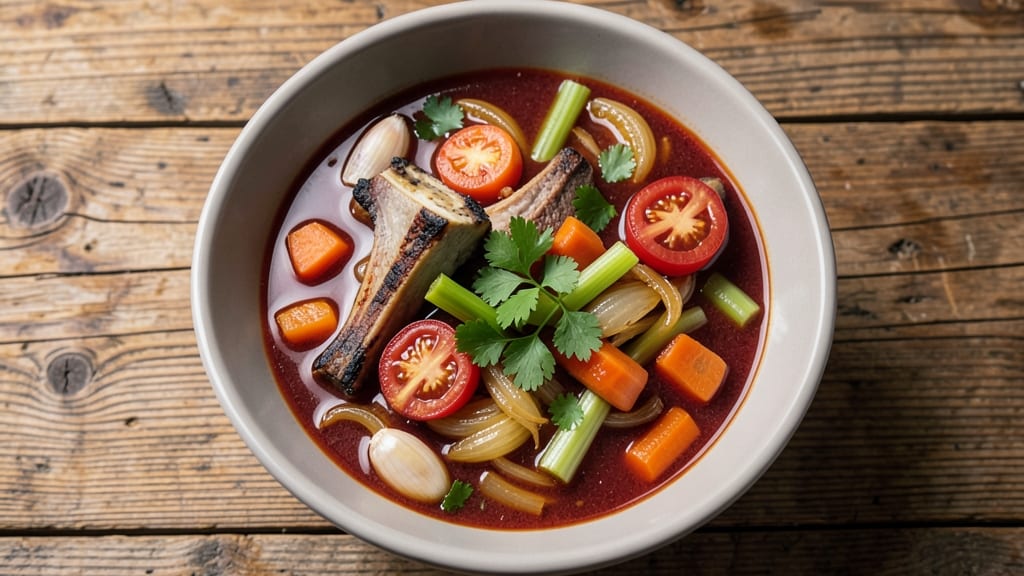
This au jus soup recipe transforms simple beef broth into a deeply flavorful, restaurant-worthy dish with just a few key techniques. The secret lies in pan-roasting beef bones and vegetables to develop a rich, caramelized base that forms the soul of the broth.
What starts as a basic simmer becomes a complex, umami-packed sauce through careful reduction and seasoning.
Unlike store-bought versions, this au jus builds flavor from scratch—searing beef, browning vegetables, and deglazing the pan to extract every last bit of savory goodness. The result is a velvety, aromatic broth with just the right balance of saltiness and depth, perfect for dipping or serving alongside roasted meats.
It’s the kind of soup that elevates a simple meal into something special.
For maximum richness, we’ll use a combination of beef bones, aromatics, and a splash of red wine to deepen the flavor profile. The slow simmer allows the broth to develop layers of complexity, while a final reduction intensifies the taste.
Garnish with fresh herbs or a drizzle of clarified butter for an extra touch of elegance.
This recipe delivers restaurant-quality results at home with minimal effort—ideal for weeknight dinners or holiday feasts. The technique is straightforward, but the flavor is anything but basic. Let’s get started.
Ingredients for au jus soup
Pan-roasted beef bones and aromatic vegetables form the foundation of this restaurant-quality au jus.
| Ingredient | Amount | Notes |
|---|---|---|
| Beef Bones 🦴 | 2 lb | Marrow bones preferred for richness |
| Yellow Onions 🧅 | 1 whole | Chopped into 1-inch pieces |
| Carrots 🥕 | 3 whole | Cut into 1-inch chunks |
| Celery Stalks 🌿 | 3 whole | Cut into 1-inch pieces |
| Garlic Cloves 🧄 | 6 cloves | Smashed for deeper flavor |
| Tomatoes 🍅 | 2 whole | San Marzano preferred, crushed |
| Red Wine 🍷 | ½ cup | Bold dry variety like Cabernet |
| Beef Broth 💧 | 6 cups | Homemade or high-quality store-bought |
| Olive Oil 🫒 | ¼ cup | For pan-roasting aromatics |
| Fresh Thyme 🌿 | 2 sprigs | Or 1 tsp dried thyme |
| Fresh Parsley 🌿 | ¼ cup | Chopped for garnish |
| Clarified Butter 🧈 | ¼ cup | For garnish (optional) |
| Diamond Crystal Kosher Salt 🧂 | 1 ½ tsp | Adjust to taste |
| Ground Black Pepper 🌶️ | ½ tsp | Freshly cracked |
| Bay Leaves 🌿 | 2 whole | For depth of flavor |
The beef bones are non-negotiable for authentic richness—marrow bones add velvety texture while knuckle bones contribute deep umami. Local butchers often sell them at better prices than grocery stores, and they'll even cut them for you. Look for bones with visible marrow channels and a rich, beefy aroma. For the vegetables, organic produce ensures cleaner flavor without competing with the beef's depth. Carrots and celery should be firm with vibrant color, while onions should have crisp layers. The garlic? Freshly smashed cloves release more flavor than pre-minced. If you can't find marrow bones, substitute with a mix of knuckle and neck bones, but expect slightly less richness.
No red wine? Substitute with beef broth plus 1 tbsp balsamic vinegar for acidity, though wine adds complexity you can't replicate. Fresh thyme is ideal, but dried works at one-third the amount—just toast it in the pan first for extra aroma. Store-bought broth lacks depth; if using it, simmer with an extra bay leaf and splash of soy sauce to build umami. The tomatoes can be canned (San Marzano if possible) or fresh, but avoid vine-ripened varieties—they're too acidic. For a quicker version, use 1 tbsp tomato paste instead of whole tomatoes and reduce the broth by 1 cup. The clarified butter is optional but adds luxurious finish; store-bought ghee works too.
This au jus develops better overnight—reheat gently before serving. Store in the fridge for up to 5 days or freeze for 3 months. For meal prep, portion into containers with a layer of clarified butter on top to preserve flavor. The broth reduces significantly during cooking, so start with 8 cups liquid if you prefer a thinner consistency. To intensify flavor, skim fat periodically during simmering or chill and remove solidified fat before reheating. Garnish with fresh parsley and a drizzle of clarified butter just before serving to maintain restaurant-quality presentation.
Why You'll Love This Recipe
- One-Pot Magic: I swear by this—just toss the bones, veggies, and garlic into one pot, cover with water, and let it simmer. No chopping boards left sticky, no extra pans to wash. Honestly, the only mess is the good kind: that rich, golden broth at the bottom.
- Deep Umami Bomb: The beef bones alone? Chef’s kiss. But add the caramelized onions and garlic, and you’ve got a flavor explosion—savory, slightly sweet, with that unmistakable depth. It’s the kind of taste that makes you pause mid-sip and go, “Wait, how did this get so good?”
- Leftovers That Shine: This soup only gets better the next day. Use it to braise steak, drizzle over mashed potatoes, or serve as a starter. I’ll be real: I’ve had it cold as a quick lunch when I’m too tired to reheat—still delicious, just in a different way.
- Budget-Buster Broth: Beef bones are cheap, and this recipe stretches them into gallons of flavor. Freeze extras for future soups or slow-cooked meals. Between us, this is how I feed my family for weeks without breaking the bank—no fancy ingredients, just pure, honest taste.
Step-by-step instructions for pan-roasted beef broth
This method transforms simple ingredients into a deeply flavorful au jus soup with layers of umami and complexity.
Prepare the Vegetable Base
In a large Dutch oven, heat the 0.25 cup olive oil over medium-high heat. Add the 1 whole chopped yellow onions, 3 whole carrots cut into 1-inch chunks, and 3 whole celery stalks cut into 1-inch pieces. Cook for 8-10 minutes, stirring occasionally, until the vegetables soften and begin to caramelize—you'll see them turn golden and smell intensely sweet.
Add the 6 cloves smashed garlic cloves and continue cooking for 1-2 minutes until fragrant but not browned. This step develops the aromatic foundation of your broth. If the vegetables stick, reduce the heat briefly and scrape the bottom with a wooden spoon to release any browned bits—these contain concentrated flavor.
Develop Richness with Tomatoes and Wine
Stir in the 2 whole crushed tomatoes and cook for 3-4 minutes until they break down and meld with the vegetables. Pour in the 0.5 cup red wine, scraping up any browned bits from the bottom of the pot. Let the wine simmer for 3-4 minutes until it reduces by half, intensifying its flavor and deepening the broth's complexity.
This reduction step is critical—it concentrates the wine's acidity and alcohol, which will later cook off, leaving behind a rich, savory base. If you notice the vegetables sticking again, add a splash of the 6 cups beef broth to deglaze and keep everything moist.
Build Depth with Herbs and Spices
Add the 2 sprigs fresh thyme, 2 whole bay leaves, 1.5 tsp diamond crystal kosher salt, and 0.5 tsp ground black pepper to the pot. Stir everything together and pour in the 6 cups beef broth. Bring the mixture to a gentle simmer, then add the 2 lb beef bones. The broth should cover the bones by about 1 inch—if not, add a little water.
Simmer uncovered for 1.5 hours, skimming any foam or impurities that rise to the surface with a fine-mesh skimmer. This skimming ensures a clear, refined broth. The bones will release collagen and marrow, creating a velvety texture and rich, gelatinous body.
Finish with Clarified Butter and Parsley
After 1.5 hours, remove the pot from heat and strain the broth through a fine-mesh sieve into a clean pot. Discard the solids. Return the strained broth to the pot and stir in the 0.25 cup clarified butter over low heat until it melts completely. This step adds a luxurious finish without the risk of burning or separating.
Finally, stir in the 0.25 cup chopped fresh parsley and adjust the seasoning with additional salt or pepper if needed. The parsley brightens the broth with freshness, balancing the deep, savory flavors. Serve the au jus soup immediately, garnished with an extra swirl of clarified butter for a restaurant-quality presentation.
Pro Tips For Making Au Jus Soup
- Char the Bones First: Skip the slow start—sear the beef bones in a dry pot over high heat until they turn deep brown, almost black in spots. This isn’t about burning; it’s about unlocking that rich, meaty flavor that’ll carry through the soup. (Yes, even if you’re impatient like me.)
- Slice Onions Thin: I used to chop onions into big chunks, thinking it’d save time. Wrong. For au jus, slice them paper-thin so they dissolve into the broth without leaving tough bits. A sharp knife and steady hand make this easier—no need for a food processor.
- Simmer, Don’t Boil: After adding liquid, keep the heat low enough that only tiny bubbles break the surface. Boiling scalds the vegetables and makes the broth cloudy. Patience here means a clearer, deeper-flavored soup—your future self will notice.
- Strain Twice, Once Fine: First strain through a coarse sieve to catch big debris, then a fine-mesh one for a silky texture. I learned this the hard way when a stray celery string ruined an otherwise perfect batch. No one wants to chew surprises in their soup.
Serving suggestions for leftovers
Classic Dipping Pairings
Serve this au jus soup alongside crispy roasted potatoes or golden fries for an irresistible dipping experience. The rich, savory broth contrasts perfectly with the buttery crunch of tater tots or smashed potatoes.
I like to keep a small bowl of warm cornbread on the side too—the sweetness balances the umami depth beautifully. 🍟
Meat Accompaniments
This au jus transforms simple grilled steak slices into a restaurant-worthy meal. Try pairing it with pan-seared ribeye or herb-crusted pork chops for a hearty dinner. The broth's depth enhances the meat's natural flavors, while the clarified butter adds a luxurious finish.
For a lighter option, serve with grilled chicken thighs—the fat cap renders beautifully when dipped. 🥩
Vegetable Contrasts
Brighten the rich flavors with roasted Brussels sprouts or asparagus spears—their natural sweetness cuts through the broth's intensity. I also recommend charred green beans or sautéed mushrooms for an earthy contrast. A simple arugula salad with lemon vinaigrette provides a refreshing crunch that cleanses the palate between bites. 🥦
Bread Service
No au jus experience is complete without crusty bread to soak up every last drop. Opt for a baguette or ciabatta for maximum absorption, or serve garlic bread with a sprinkle of Parmigiano-Reggiano.
For a gourmet touch, toast brioche slices and brush them with garlic-infused olive oil before serving. 🥖
Cheese Pairings
Add a sharp cheddar or Gruyère slice to your bread plate—the salty, nutty flavors complement the au jus perfectly. For a creamy option, serve with brie or camembert, which melts beautifully when dipped. The contrast between the rich broth and velvety cheese creates a luxurious bite. 🧀
Dessert Balance
End the meal with a bitter dark chocolate (70% cocoa or higher) to reset your palate. The deep, earthy notes contrast with the au jus's savory richness. Alternatively, a salted caramel tart or espresso affogato provides a sweet-savory balance that ties the meal together. ☕
Nutrition facts
Frequently asked questions
Can I make this au jus without beef bones?
Yes! For a vegetarian version, replace the bones with 2 cups extra beef broth and add 1 tbsp soy sauce or 1 tsp mushroom powder for umami depth. For chicken lovers, use 2 cups chicken broth and 1 chicken carcass (roasted first) instead. The key is building rich, caramelized aromatics from the vegetables and wine reduction.
How do I know when the broth is ready?
The au jus is done when it's deeply flavorful and slightly thickened from the collagen released by the bones. After 1.5 hours, taste it—it should be rich, savory, and balanced with herbs. If it's too thin, simmer uncovered for another 15-20 minutes to reduce. For maximum richness, let it rest overnight in the fridge, then skim off the solidified fat before reheating.
Can I make this in a slow cooker?
Follow the same steps for browning vegetables and deglazing, then transfer everything to a 6-quart slow cooker. Cook on low for 6-8 hours or high for 3-4 hours. The slow cooker's gentle heat extracts collagen beautifully, but you may need to strain and reduce the broth further to achieve the same intensity as stovetop simmering.
Why does my au jus taste weak?
Weak flavor usually comes from skipping the browning step or not reducing the wine enough. Always caramelize the vegetables and scrape up browned bits—they're packed with flavor. For extra depth, add 1 tsp fish sauce or 1 tbsp Worcestershire sauce at the end. If using store-bought broth, simmer with an extra bay leaf and a splash of soy sauce to boost umami.
How long will this au jus keep?
Store in an airtight container in the fridge for up to 5 days or freeze for 3 months. For best quality, portion into containers with a layer of clarified butter on top to preserve flavor. When reheating, warm gently on the stove—never microwave, as it can make the broth taste flat. Skim off any solidified fat before reheating for a cleaner finish.