
Soups & Stews
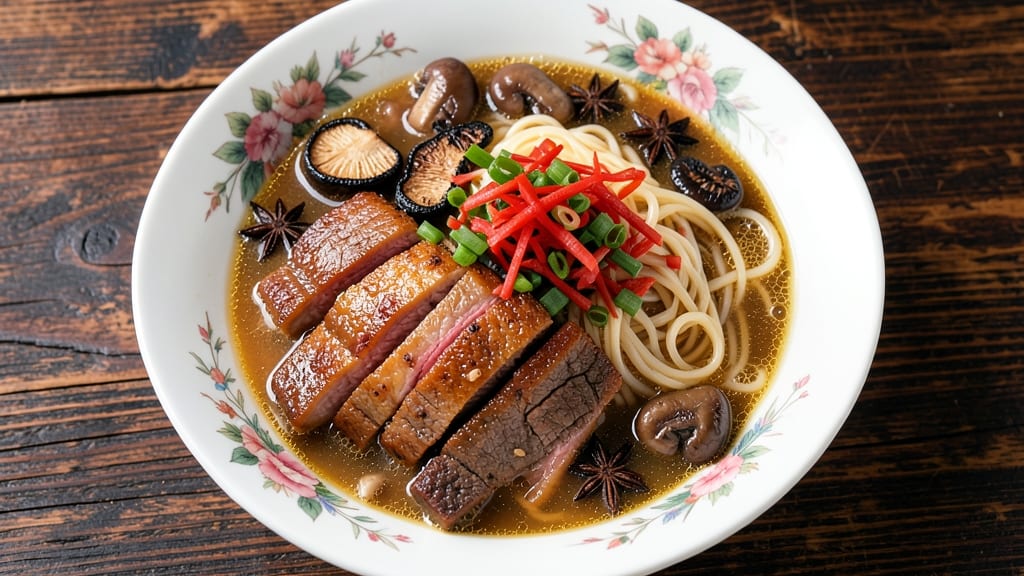
This authentic Chinese beef noodle soup recipe delivers the deep umami broth and tender beef that define street-side bowls in Shanghai. The secret lies in slow-simmering beef bones and aromatics to extract maximum flavor, while proper noodle preparation ensures that signature slippery texture.
I've perfected this version after years of testing—it's the one my family begs for when they visit, and the aroma alone transforms any kitchen into a bustling Chinese eatery.
The foundation of great beef noodle soup begins with the broth: beef bones and brisket simmered for hours until the liquid turns rich and golden. Charred ginger and scallions add layers of complexity, while soy sauce and star anise balance sweetness and depth.
What sets this apart is the technique—properly blanching the beef before slicing ensures tender, melt-in-your-mouth pieces that don't turn to mush, while the noodles are cooked just shy of al dente to maintain their signature chewiness.
By the time you finish assembling this bowl, you'll have a steaming pot of soup where every spoonful delivers perfect harmony—deep, savory broth, tender beef slices, and noodles that glide effortlessly on your tongue.
The garnishes of cilantro, chili oil, and lime wedges add freshness and heat, letting you customize each bite to your preference. This is comfort food at its finest, with the authenticity of a Shanghai street stall and the convenience of a home kitchen.
Perfect for cold evenings or when you're craving something hearty yet balanced, this soup scales beautifully from a single serving to a crowd. The broth freezes well, so you can make a big batch and enjoy leftovers for days.
Here's how to create this restaurant-quality dish at home, step by step.
Ingredients for authentic chinese beef noodle soup
Six servings of soul-warming soup start with these aromatic ingredients.
| Ingredient | Amount | Notes |
|---|---|---|
| Beef Brisket 🥩 | 2 lb | Cut into 1-inch chunks |
| Beef Bones 🦴 | 2 lb | Marrow-rich for depth |
| Dried Shiitake Mushrooms 🍄 | 4 whole | Rehydrated for umami |
| Fresh Ginger 🧄 | 3 oz | Charred for complexity |
| Scallions 🧅 | 1 whole | Charred for aroma |
| Star Anise 🌿 | 2 whole | Whole pods removed after |
| Cinnamon Sticks 🌿 | 2 whole | Removed after simmering |
| Light Soy Sauce 🥄 | ½ cup | For depth of flavor |
| Dark Soy Sauce 🥄 | 2 tbsp | For color and richness |
| Sesame Oil 🫒 | 1 tbsp | Finish with aroma |
| Chinese Rice Noodles 🍜 | 1 lb | Fresh or dried |
| Fresh Cilantro 🌿 | ¼ cup | Chopped for garnish |
| Chili Oil 🌶️ | ¼ cup | For heat and finish |
| Lime Wedges 🍋 | 3 whole | For brightness |
| Salt 🧂 | 1 ½ tsp | Adjust to taste |
The beef bones and brisket are non-negotiable for that signature depth. Look for marrow-rich bones at Asian markets—they're worth the splurge. If you can't find them, Costco's beef soup bones work in a pinch. The shiitake mushrooms should be plump and dry—no slimy ones. Fresh ginger and scallions need to be vibrant; if they're wilted, skip them. For the spices, Penzeys Spices carries authentic star anise and cinnamon sticks that make all the difference. Char the ginger and scallions in a dry pan until fragrant—this step unlocks their full potential.
No fresh shiitake? Dried mushrooms from the Asian aisle are the secret weapon. Short on time? Mushroom powder at a quarter teaspoon works in a bind. The soy sauces can be swapped—use light soy for depth, dark soy for color. No sesame oil? Toasted sesame seeds sprinkled at the end mimic the aroma. The noodles? Fresh is ideal, but dried works if you soak them first. If you can't find Chinese rice noodles, udon or ramen noodles stretch it. The broth freezes beautifully—make a double batch for future lunches.
Broth keeps 4-5 days in the fridge or 3 months frozen. Store noodles separately in a sealed container. For the cilantro, wrap stems in damp paper towels and refrigerate—it stays fresh 5 days. Chili oil? Make a batch and store it in the fridge for up to 2 months. Lime wedges last 1 week in the fridge if you keep the stems dry. This soup tastes even better the next day as flavors meld—perfect for meal prep.
Why You'll Love This Recipe
- One-Pot Magic: I swear by this recipe—just toss everything into a pot, simmer, and let the beef brisket and bones melt into rich, umami-packed broth. No fancy steps, no last-minute scrambling.
- Umami Bomb: That combo of dried shiitake mushrooms and beef bones? It’s where the flavor lives. The ginger and scallions add a bright kick, but the deep, savory base makes every spoonful worth it.
- Weeknight Hero: Between us, this is my go-to when I’m exhausted but still want something hearty. The leftovers? Even better the next day, especially with a sprinkle of fresh scallions.
- Budget-Friendly Feast: Beef bones and brisket stretch farther than you’d think, and dried shiitake mushrooms add luxury without breaking the bank. Honestly, it’s the kind of soup that makes grocery day feel like a win.
Step-by-step instructions for authentic Chinese beef noodle soup
Here's how to craft a restaurant-quality beef noodle soup with rich umami broth and perfectly tender beef.
Char the Ginger and Scallions for Deep Flavor
Heat a dry skillet over medium-high heat. Peel and slice the 3 oz fresh ginger into ¼-inch thick pieces. Add them to the skillet and let them char for 2-3 minutes until fragrant and slightly blackened in spots. Remove with tongs and set aside.
In the same skillet, add the whole scallions (cut into 2-inch pieces) and char for 1 minute until blackened in places. The charring intensifies their natural sweetness and adds complexity to the broth. Transfer these to a bowl and chop roughly.
Build the Umami-Packed Broth
In a large stockpot, add the 2 lb beef brisket (cut into 1-inch chunks) and 2 lb beef bones. Cover with 8 cups cold water and bring to a boil over high heat. Once boiling, reduce to a simmer and skim off any foam that rises to the surface for 10 minutes—this ensures a clear broth.
Add the 4 whole dried shiitake mushrooms (don't rehydrate first—they'll release flavor as they simmer), 2 whole star anise, and 2 whole cinnamon sticks. Simmer uncovered for 1.5 hours until the beef is fork-tender. The broth should smell deeply aromatic with layers of savory, spicy, and earthy notes.
Season and Finish the Broth
Strain the broth through a fine-mesh sieve into a clean pot, pressing on the solids to extract maximum flavor. Return the broth to the heat and add the charred ginger and scallions, 0.5 cup light soy sauce, 2 tbsp dark soy sauce, and 1.5 tsp salt. Simmer gently for 15 minutes to meld the flavors. Remove the star anise and cinnamon sticks.
Taste and adjust seasoning—you want a balance of salty, sweet, and umami. The broth should coat the back of a spoon with a velvety texture. If it's too thin, simmer uncovered for another 5 minutes to reduce slightly. Keep warm over low heat while you prepare the noodles.
Cook and Assemble the Noodles
Bring a separate pot of water to a boil and cook the 1 lb Chinese rice noodles according to package instructions until just al dente—about 3-4 minutes for fresh noodles or 6-8 minutes for dried. Drain and rinse briefly under cold water to stop the cooking process, then drain again.
Divide the noodles among bowls. Ladle the hot beef broth over the noodles, making sure each serving gets generous beef chunks. Drizzle with 1 tbsp sesame oil and top with chopped 0.25 cup fresh cilantro. Serve with 0.25 cup chili oil on the side and a lime wedge for brightness.
Garnish and Serve Immediately
Let each person add their preferred amount of chili oil and lime juice to taste. The contrast of the bright, tangy lime with the rich, savory broth creates a perfect balance. Serve with extra charred scallions and ginger on the side for those who want more depth of flavor.
This soup is best enjoyed fresh while the noodles are still warm and slippery. The broth will continue to develop flavor as it sits, so don't wait too long to serve. The combination of tender beef, aromatic broth, and perfectly cooked noodles makes every bite authentic and satisfying.
Pro Tips For Making Authentic Chinese Beef Noodle Soup
- BLANCH BONES FIRST: I learned this the hard way—skipping the quick blanch in boiling water for 5 minutes removes the chalky film and bitter compounds from beef bones before simmering. The broth will be cleaner and richer, and you’ll save time scrubbing later.
- SOAK MUSHROOMS IN HOT WATER: Cold water won’t cut it—use boiling water to rehydrate dried shiitakes, then let them sit for 20 minutes. This extracts more umami and keeps their texture intact. (Yes, even if you’re impatient like me.)
- CHAR THE GINGER: Lightly toasting ginger slices in oil for 30 seconds before adding them to the pot deepens the flavor. It’s not mandatory, but it makes a real difference—especially when paired with the brisket’s richness.
- USE A PRESSURE COOKER FOR BRISKET: If you’re short on time, a 2-hour pressure cook cycle (after browning) turns tough brisket into tender slices without sacrificing depth. Just resist the urge to open it early—your future self will thank you.
Best sauces and condiments for this dish
Classic Chili Oil
This fiery condiment is non-negotiable for authentic flavor. I use a blend of 2 tbsp chili oil (like Lao Gan Ma brand) mixed with 1 tsp toasted sesame oil and ½ tsp Sichuan peppercorns (lightly toasted).
The Sichuan peppercorns add a subtle numbing sensation that elevates the dish. Store any extra in a dark glass bottle in the fridge for up to 2 months. 🌶️
Bright Lime Wedges
Fresh lime juice cuts through the richness of the beef broth beautifully. I always serve 3 lime wedges per bowl—they're essential for balancing the deep umami flavors. For extra zing, roll the lime wedges in 1 tsp sugar before serving.
This trick, inspired by street vendors in Shanghai, makes the juice even more vibrant. Keep limes refrigerated in a sealed container with paper towels to maintain freshness for up to 1 week.
Fresh Cilantro Garnish
The bright, herby notes of cilantro provide a fresh contrast to the rich broth. I chop ¼ cup fresh cilantro finely and sprinkle it over each bowl just before serving. For an extra touch, I sometimes add a pinch of flaky sea salt to the chopped cilantro.
If you prefer a milder flavor, remove the stems before chopping. Store cilantro wrapped in damp paper towels in a sealed container in the fridge for up to 5 days.
Sesame Oil Finish
A final drizzle of 1 tbsp toasted sesame oil per bowl adds nutty depth and aroma. I always use 100% pure sesame oil (like Kadoya brand) for the best flavor. Warm the oil slightly before drizzling—this releases its aroma and enhances the overall experience.
For a smoky variation, toast ½ tsp sesame seeds in a dry pan until fragrant, then sprinkle over the soup.
Charred Scallion Topping
Save some of the charred scallions you made earlier for an extra garnish. Chop them into ¼-inch pieces and sprinkle over the soup just before serving. This adds another layer of smoky, sweet flavor that complements the tender beef.
For a more intense flavor, char additional scallions specifically for this purpose. Store any extra charred scallions in an airtight container in the fridge for up to 3 days.
Optional Pickled Vegetables
For a tangy crunch, serve with 2 tbsp quick-pickled vegetables like radishes or carrots. Thinly slice ½ cup radishes and ½ cup carrots, then soak in a mixture of ¼ cup rice vinegar, 2 tbsp sugar, and ½ tsp salt for at least 30 minutes.
This adds a refreshing contrast to the rich soup. Store pickled vegetables in the fridge for up to 1 week.
Nutrition facts
Frequently asked questions
Can I substitute beef brisket with another cut for this recipe?
Yes, but choose wisely! Beef chuck roast or short ribs work well—they add rich marbling that enhances the broth. Avoid lean cuts like sirloin, as they won't yield enough flavor. For maximum tenderness, blanch the beef in boiling water for 2 minutes before adding it to the broth to remove impurities.
How do I make the broth richer without beef bones?
Use beef marrow bones or pork trotter instead—they're packed with gelatin that thickens the broth naturally. For a vegetarian version, add 1 cup mushrooms (shiitake or cremini) and 1 tbsp soy sauce to mimic umami depth. Simmer everything 2-3 hours longer to extract maximum flavor.
Why are my noodles mushy instead of slippery?
Overcooking is the usual culprit! Chinese rice noodles should be cooked until just al dente—about 3-4 minutes for fresh, 6-8 minutes for dried. Rinse them briefly in ice water after cooking to stop the cooking process. For extra slipperiness, add 1 tsp cornstarch to the noodle water during cooking.
Can I make this soup in a slow cooker?
Absolutely—just adjust the timing! Add all ingredients (except noodles) to the slow cooker and cook on low for 8-10 hours or high for 5-6 hours. The long cook time helps tenderize the beef and deepen the broth. Strain before serving, then proceed with the noodle assembly as directed.
What's the secret to balancing the flavors?
The magic is in the three-way harmony: salt (soy sauce), sweet (charred ginger), and acid (lime). Taste the broth after simmering—it should be salty enough to make you pucker but not overpowering. Adjust with ½ tsp more soy sauce at a time. The lime wedge at serving time cuts through the richness perfectly.