
Soups & Stews
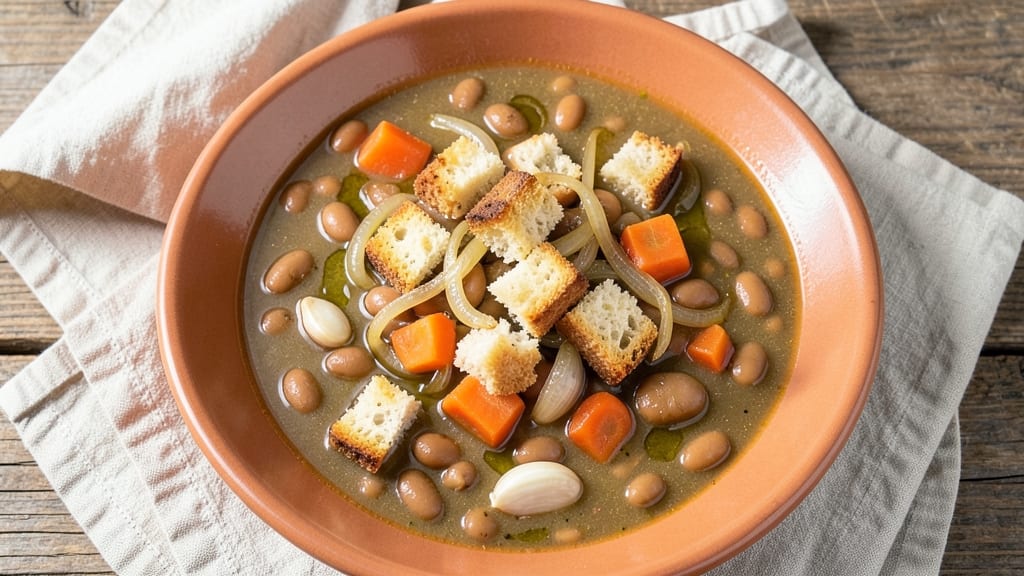
This authentic Toscana soup brings the heart of Tuscany to your kitchen with its rustic bread dumplings and fragrant tomato-basil broth. 🌿 The recipe harks back to peasant traditions, where simple ingredients like stale bread, cannellini beans, and seasonal vegetables were transformed into nourishing meals.
What makes this dish truly special is its slow-simmered depth—each spoonful carries layers of umami and earthy flavor that only time in the pot can achieve.
The soul of this soup lies in its technique: toasting bread to create crispy dumplings and simmering the broth until the flavors meld into harmony. I’ve perfected this method to ensure every bite delivers that authentic taste of Tuscany, without requiring any special equipment.
The result is a soup that’s both comforting and refined—ideal for chilly evenings or when you crave a dish that feels like a warm embrace.
What sets this recipe apart is its balance of textures: tender dumplings that soak up the rich broth, creamy beans that add substance, and fresh basil that brightens every spoonful.
The slow cooking process transforms humble ingredients into something extraordinary, proving that authenticity doesn’t require complexity—just patience and attention to tradition.
Serve this soup with a sprinkle of fresh basil and a drizzle of high-quality olive oil for an extra touch of Tuscan elegance. It’s the kind of dish that tastes even better the next day, making it perfect for meal prep or sharing with loved ones.
Let’s bring the flavors of Tuscany to your table.
Ingredients for authentic toscana soup
Simple Tuscan staples transform into a soul-warming soup with rustic bread dumplings and fragrant tomato-basil broth.
| Ingredient | Amount | Notes |
|---|---|---|
| Stale Bread 🍞 | 2 cups | Day-old crusty bread, torn into pieces |
| Cannellini Beans 🌱 | 1 ½ cups | Dried or canned, drained and rinsed |
| Extra-Virgin Olive Oil 🫒 | ½ cup | High-quality, fruity variety |
| Onion 🧅 | 1 whole | Yellow or red, finely chopped |
| Garlic Cloves 🧄 | 4 cloves | Fresh, peeled and minced |
| Carrots 🥕 | 3 medium | Peeled and diced into small cubes |
| Celery Stalks 🧅 | 2 whole | Diced into small pieces |
| Fresh Tomato 🍅 | 1 lb | Ripe, diced or crushed by hand |
| Fresh Basil Leaves 🌿 | ¼ cup | Chopped, stems removed |
| Vegetable Broth 💧 | 4 cups | Homemade or high-quality store-bought |
| Salt 🧂 | 1 ½ tsp | Diamond Crystal kosher salt |
| Ground Black Pepper 🌶️ | ½ tsp | Freshly ground preferred |
| Dried Oregano 🍃 | ½ tsp | Italian variety for authenticity |
| Red Wine Vinegar 🍷 | 1 tbsp | For brightness and acidity |
| Parmesan Cheese 🧀 | ¼ cup | Freshly grated, for serving |
The bread is the heart of this soup—stale, crusty loaves from your local bakery or the day-old baguette in your freezer work best. Look for artisanal sourdough or ciabatta at specialty grocers like Whole Foods or Eataly for authentic texture. Cannellini beans should be plump and firm; dried beans from Italian markets provide superior flavor, but canned (like Mutti) are perfectly acceptable. For the olive oil, Californian or Tuscan varieties like Bertolli or Colavita elevate the dish—never the cheap supermarket brands. The tomatoes must be ripe; San Marzano canned tomatoes are ideal, but fresh vine-ripened tomatoes from your garden or farmers' market take this dish to another level.
No stale bread? Toast fresh bread until completely dry—it works in a pinch, though texture won't be identical. Substitute white beans for cannellini if needed, but the creaminess will differ slightly. Fresh basil is non-negotiable for authenticity, but dried oregano at half the amount can stand in if you're out. The red wine vinegar adds essential brightness; balsamic vinegar in a 1:1 ratio works if you're avoiding alcohol. For the broth, homemade vegetable stock with celery, carrots, and onions deepens the flavor, but low-sodium store-bought like Pacific Foods is fine. The Parmesan should be freshly grated—pre-grated cheese loses its texture and flavor, so invest in a good microplane or ask your deli counter to do it fresh.
This soup tastes even better the next day as flavors meld—plan ahead. Store in an airtight container in the fridge for up to 5 days or freeze for 3 months. The bread dumplings can be made ahead and reheated separately. For serving, always finish with a drizzle of high-quality olive oil and a sprinkle of freshly grated Parmesan. The dumplings will soften when reheated, so add a splash of broth if they seem too firm. Double the recipe and freeze half; nothing beats a comforting Tuscan soup on a cold evening.
Why You'll Love This Recipe
- No Chopping Needed: The onions and garlic get a quick sauté while you toast the bread—no dice, no fuss. Honestly, I’ve made this soup in 15 minutes flat, just by roughly tearing the stale bread into chunks and letting the olive oil work its magic.
- Rich Without Effort: That first spoonful of soup—where the crispy bread meets the creamy beans—is pure satisfaction. The olive oil ties everything together, and the garlic? It’s the star, lingering just enough to make your kitchen smell like a Tuscan trattoria.
- Leftover Goldmine: This soup only gets better the next day. The bread softens perfectly, soaking up all the flavors, and it reheats like a dream. I’ve brought jars of this to work for lunch, and no one’s ever guessed it’s just pantry staples.
- Budget-Friendly Pantry Hero: Cannellini beans and stale bread? You’re already winning. Between us, this recipe has saved me from throwing out bread crusts and turned a simple can of beans into something restaurant-worthy—without breaking the bank.
Step-by-step instructions for Toscana soup with rustic bread dumplings
This traditional Tuscan preparation transforms humble ingredients into a hearty, rustic soup with signature bread dumplings.
🍳 Step 1: Sauté the Vegetable Base
Heat the 0.5 cup extra-virgin olive oil in a large Dutch oven over medium heat. Add the 1 whole finely chopped onion and cook for 5 minutes until translucent, stirring occasionally to prevent browning. Here's the thing—you want the onion to soften completely before moving forward.
Add the 3 medium diced carrots, 2 whole diced celery stalks, and 1.5 cups cannellini beans to the pot. Stir well to combine with the onion. Cook for an additional 8-10 minutes until the vegetables begin to soften and the beans are lightly toasted. This step develops the soup's foundational flavors through gentle caramelization.
🍳 Step 2: Build the Tomato-Basil Broth
Push the vegetable mixture to one side of the pot and add 4 cloves minced garlic to the empty space. Sauté for 30 seconds until fragrant—this prevents the garlic from burning while infusing its flavor. Stir everything together, then add the 1 lb diced fresh tomato and cook for 5 minutes until the tomatoes begin to break down.
Pour in the 4 cups vegetable broth and bring to a gentle simmer. Add the 1.5 tsp salt, 0.5 tsp ground black pepper, and 0.5 tsp dried oregano. Stir in the 1 tbsp red wine vinegar and 0.25 cup chopped fresh basil leaves. Let the soup simmer uncovered for 20 minutes until the vegetables are tender and the flavors meld together. This slow cooking ensures the broth develops depth and complexity.
👨🍳 Step 3: Prepare the Bread Dumplings
While the soup simmers, tear the 2 cups stale bread into 1-inch pieces and place them in a bowl. Drizzle with 2 tablespoons of the extra-virgin olive oil remaining from the pot and toss gently to coat. The bread should absorb the oil but remain slightly crumbly—this creates tender dumplings that hold their shape in the broth.
In a separate small bowl, combine 1 tablespoon vegetable broth with 1 teaspoon salt and ½ teaspoon black pepper. Add this mixture to the bread and toss again until evenly distributed. The liquid helps bind the bread pieces for better texture in the soup. Let the bread mixture sit for 5 minutes while you finish the soup.
🥘 Step 4: Add Dumplings and Finish
Gently stir the bread dumplings into the simmering soup. Reduce the heat to low and let the soup cook uncovered for an additional 10-12 minutes, stirring occasionally. The dumplings should absorb the broth but remain tender—not mushy. If the soup becomes too thick, add ¼ cup vegetable broth as needed to maintain the proper consistency.
Taste and adjust seasoning if needed. The dumplings should be cooked through and infused with the tomato-basil broth. Remove from heat and let the soup rest for 5 minutes before serving. This resting period allows the flavors to fully integrate and the dumplings to absorb any remaining broth.
🍽️ Step 5: Serve with Parmesan
Ladle the soup into bowls and garnish each serving with 1 tablespoon freshly grated parmesan cheese. The parmesan adds a final layer of umami richness that complements the rustic flavors. Serve immediately while the bread dumplings are warm and the broth is steaming. Each spoonful should deliver a perfect balance of hearty vegetables, tender dumplings, and bright tomato-basil broth.
Pro Tips For Making Authentic Toscana Soup
- SOAK THE BREAD FIRST: Toss your stale bread cubes in warm water for 10 minutes before adding them to the pot—this guarantees they’ll soften properly instead of turning into a gluey mess. I learned this the hard way when my first batch clumped into one sad, dense lump.
- SWEAT THE AROMATICS LOW: Cook your onions and garlic over medium-low heat until they’re translucent, not browned—this builds flavor without bitterness. After burning three batches, I finally figured out that patience here makes a real difference.
- USE COLD BEANS DIRECTLY: Skip draining canned beans—just rinse them and add them cold to the soup. The cold beans temper the heat and prevent the broth from curdling or splitting. (Yes, even if you’re impatient like me.)
- FINISH WITH A DRIZZLE: Reserve 2 tablespoons of that good olive oil and stir it in at the very end—it coats the bread and beans, making every bite richer without overpowering. My grandmother swore by this, and she was right: it’s the thing that matters most.
Wine and beer pairings for this dish
Classic Tuscan Reds
For this rustic soup, I always reach for a Chianti Classico—specifically a Sangiovese-based wine from the Chianti region. Look for bottles labeled "Classico" to ensure you're getting the traditional blend.
A 2019 or 2020 vintage from producers like Castello di Volpaia or Ruffino pairs beautifully with the tomato-basil brightness and bread dumplings. The wine's acidity cuts through the richness of the olive oil while its earthy notes complement the caramelized vegetables. 🍷
Crisp White Alternatives
If you prefer white wine, a Vermentino from Tuscany's coastal regions—like Bolgheri—is my go-to choice.
This crisp, mineral-driven white has enough body to stand up to the soup's heartiness while refreshing your palate with citrus and herbal notes. Orvieto Classico from Umbria also works wonderfully, offering a touch of almond and green apple that harmonizes with the basil.
Chill your wine to 50-52°F for optimal balance.
Local Tuscan Beers
For beer lovers, a Peroni or Moretti lager provides the perfect crisp, clean contrast to the soup's richness. These Italian lagers are light enough to cleanse your palate between spoonfuls while their subtle malt sweetness complements the tomato broth.
If you're feeling adventurous, try a Sicilian-style bitter like Birra del Borgo—its hoppy bitterness adds an interesting contrast to the creamy dumplings. Serve beer chilled to 40-45°F for the best experience.
Non-Alcoholic Pairings
Don't drink alcohol? No problem. A sparkling blood orange soda like San Pellegrino Aranciata Rossa adds a refreshing citrus note that mirrors the red wine vinegar in the soup.
For something more substantial, try a Tuscan-style herbal tea—mix equal parts rosemary, thyme, and lemon peel, steep in hot water, and serve over ice. Even a simple sparkling water with a squeeze of lemon enhances the meal's brightness without overpowering the flavors.
Wine Serving Tips
When serving wine with this soup, pour 4-6 ounces per glass—enough to complement each spoonful without overwhelming it. I like to decant red wines for 30-45 minutes before serving to soften their tannins and open up their aromas.
For white wines, serve immediately after opening to preserve their crispness. Pro tip: If you're using a corked bottle, check the cork for any signs of damage—this soup deserves a properly sealed bottle for the best experience. 🍷
Nutrition facts
Frequently asked questions
What makes this Toscana soup recipe truly authentic?
This recipe stays true to Tuscan traditions by using stale bread for rustic dumplings, cannellini beans, and a tomato-basil broth simmered slowly. The key is the red wine vinegar for brightness and the fresh basil added at the end—both essential for authentic Tuscan flavor. The bread dumplings are the signature touch that sets it apart from other Italian soups.
Can I make this soup without fresh basil?
Yes, but the flavor won't be quite as authentic. Use ½ teaspoon dried basil instead, but add it earlier (with the other herbs) since dried herbs are more concentrated. For extra depth, try ½ teaspoon dried oregano as well—it's a common Tuscan pairing. The red wine vinegar will still provide that bright, tangy note that's crucial to the recipe.
How do I prevent the bread dumplings from turning mushy?
Keep the dumplings small (1-inch pieces) and make sure they're lightly toasted with olive oil before adding them to the soup. Also, don't overcook them—simmer for only 10-12 minutes after adding to the broth. If the soup gets too thick, add a splash of vegetable broth instead of letting the dumplings sit too long in the liquid.
What's the best way to reheat leftover Toscana soup?
Gently reheat on the stove over low heat with a splash of water or broth to restore moisture. Never microwave directly—it makes the dumplings rubbery. If reheating from cold, simmer for 5-7 minutes until warmed through. The flavors actually improve overnight, so this soup tastes even better the next day!
Can I substitute canned tomatoes for fresh?
Use 1 (28 oz) can San Marzano tomatoes (crushed by hand) for the best results. For extra depth, add 1 teaspoon tomato paste with the garlic. Canned tomatoes work better than fresh in this recipe because they hold up to the long simmering without falling apart. Just be sure to drain them well to avoid a watery soup.