
Soups & Stews
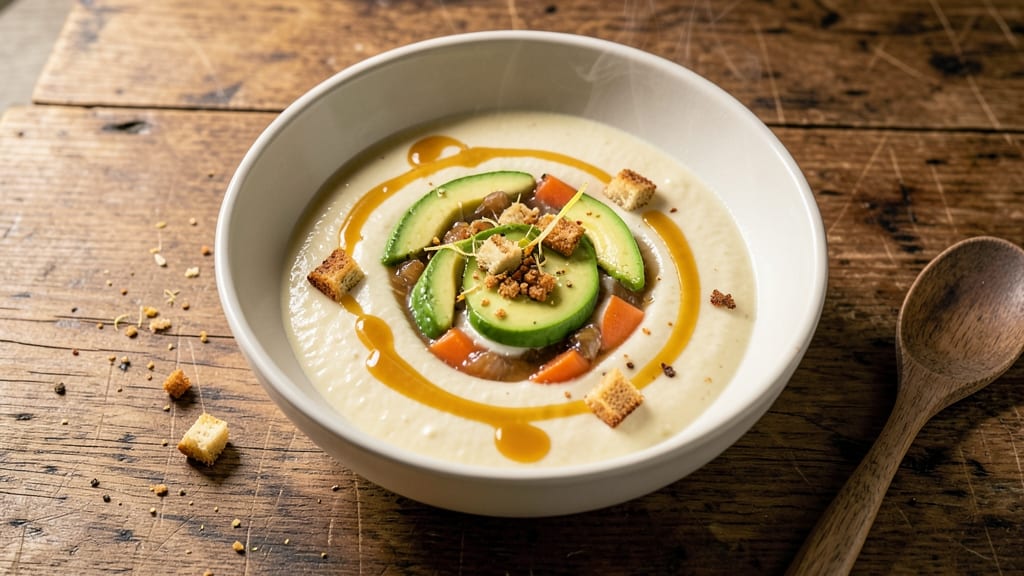
This avocado cream soup recipe delivers velvety richness in just 20 minutes—perfect for creamy, plant-based comfort on any day. The secret lies in blending ripe avocados with coconut milk until perfectly smooth, creating a texture that rivals traditional cream soups.
I developed this recipe after craving something luscious yet light, and it never fails to impress.
What makes this soup special is its foolproof technique: simmering aromatic vegetables in vegetable broth before blending with avocado and coconut milk ensures depth of flavor without heavy cream.
The result is a velvety, golden-hued soup with a subtle sweetness from the avocado and a hint of brightness from lime juice. It’s rich enough to satisfy cravings but light enough for summer dinners.
By the time you’re done, you’ll have a restaurant-quality soup that’s creamy, smooth, and packed with healthy fats. Garnish with fresh cilantro, a drizzle of olive oil, or a sprinkle of chili flakes for extra depth.
Serve with crusty bread or as a light starter before your main course. Here’s how to make it effortlessly.
The beauty of this recipe is its versatility—it works as a standalone meal or pairs beautifully with grilled fish, salads, or tacos. Plus, it’s naturally vegan, gluten-free, and ready in under 20 minutes, making it ideal for busy weeknights. Let’s get started!
Ingredients for avocado cream soup
Nine simple ingredients transform into velvety avocado cream soup in under 20 minutes.
| Ingredient | Amount | Notes |
|---|---|---|
| Ripe Avocados 🥑 | 2 whole | Pitted, flesh scooped |
| Full-Fat Coconut Milk 🥥 | 1 can | 13.5 oz can, chilled overnight |
| Yellow Onion 🧅 | 1 whole | Medium, diced |
| Garlic Cloves 🧄 | 3 cloves | Fresh, minced |
| Carrots 🥕 | 2 medium | Peeled, diced small |
| Vegetable Broth 💧 | 3 cups | Low-sodium preferred |
| Fresh Lime Juice 🍋 | 2 tbsp | Freshly squeezed |
| Extra-Virgin Olive Oil 🫒 | 2 tbsp | For richness |
| Fresh Cilantro 🌿 | ¼ cup | Chopped, for garnish |
| Salt 🧂 | ½ tsp | Sea salt preferred |
| Ground Black Pepper 🌶️ | ¼ tsp | Freshly ground |
| Chili Flakes 🔥 | ½ tsp | Optional, for heat |
The avocados are the heart of this soup—ripe but firm ones blend into luxurious creaminess. Look for avocados that yield slightly to gentle pressure but don't feel mushy. Trader Joe's and Whole Foods carry excellent quality, or check the produce section for ones with vibrant green skin. The coconut milk needs to be full-fat for that restaurant-quality texture—store the can upright overnight so the cream rises to the top for even richer flavor. Carrots and onion build the aromatic base, so don't skip chopping them small for even cooking.
No avocados? Silken tofu at double the amount works as a substitute, though texture differs slightly. Swap regular coconut milk for cashew cream if you want extra richness. For a deeper flavor, toast the garlic and onion in olive oil for 2-3 minutes before adding broth. The lime juice brightens everything, so if you're short, lemon juice works too. As for the chili flakes, they're optional but add that restaurant-quality kick—adjust to taste. For extra depth, a pinch of smoked paprika blends beautifully into the final mixture.
This soup keeps beautifully for 3-4 days in the fridge—taste improves as flavors meld. For longer storage, freeze for up to 3 months in airtight containers. I like to portion it into single servings before freezing for quick lunches. The texture thickens slightly when reheated, so add a splash of broth or water when warming. Garnish with fresh cilantro and a drizzle of olive oil right before serving to keep everything vibrant.
Why You'll Love This Recipe
- No Blender Required: I swear by this trick—just mash the avocados with a fork right in the pot. No fancy gadgets, no extra cleanup. The coconut milk blends right in while you stir, and honestly? It’s smoother than anything I’ve made with a blender.
- Creamy Without Dairy: That full-fat coconut milk does the heavy lifting here, turning the soup into a velvety dream without a single drop of cream. The carrots add just enough sweetness to balance the rich avocado, and the garlic? Oh, it’s there—in the best way.
- Lunchbox Magic: This soup keeps beautifully for days, and I mean days. Pack it in a jar for work lunches—it stays thick and delicious, no reheating tricks needed. My kids even ask for it in their bento boxes, and that’s saying something.
- Budget-Friendly Luxury: Avocados might seem fancy, but buying them ripe and using the whole fruit (peels and all) stretches every dollar. Carrots and onions are pantry staples, and coconut milk lasts forever in the fridge. It’s fancy enough for guests but won’t break the bank.
Step-by-step instructions for avocado cream soup
Here's how to create a velvety, ultra-smooth avocado soup with perfect texture every time.
Sauté Aromatics Until Fragrant
Heat the 2 tablespoons extra-virgin olive oil in a large pot over medium heat. Add the 1 whole yellow onion and 2 medium carrots, diced small, cooking for 5-6 minutes until the vegetables soften and the onion becomes translucent.
Stir in the 3 cloves garlic cloves, minced, and cook for an additional 1 minute until fragrant. Be careful not to let the garlic burn—it should smell sweet and nutty, not bitter. This aromatic base forms the flavor foundation for your entire soup, so take your time getting it right.
Build the Creamy Base
Pour in the 3 cups vegetable broth and bring to a gentle simmer. Reduce heat to medium-low and let the vegetables cook for 8-10 minutes until they're completely tender and the broth has reduced slightly, intensifying the flavors.
While the broth simmers, scoop the flesh from the 2 whole ripe avocados (about 1½ cups) and add it to the pot. Stir gently to combine, then pour in the 1 can full-fat coconut milk. The soup should begin to thicken immediately as the coconut milk emulsifies with the warm broth. If it looks too thick, add 2-3 tablespoons of water to reach your desired consistency.
Season and Blend to Silky Perfection
Add the 2 tablespoons fresh lime juice, 0.5 teaspoon salt, 0.25 teaspoon ground black pepper, and 0.5 teaspoon chili flakes (if using). Stir well to distribute the seasonings evenly. Let the soup cook for 2-3 minutes to allow the flavors to meld together.
For the signature ultra-smooth texture, carefully transfer the soup to a blender in two batches (don't overfill). Blend each batch until completely smooth, about 30-45 seconds, scraping down the sides as needed. The result should be a velvety, almost custard-like consistency with no lumps. If it's too thick after blending, thin with additional broth or water as needed.
Finish and Garnish
Return the blended soup to the pot and warm through over low heat for 2-3 minutes, stirring occasionally. The soup should be warm but not hot—just enough to maintain its creamy texture without breaking the emulsion.
Ladle the soup into bowls and garnish immediately with 0.25 cup chopped fresh cilantro. The bright green color not only looks beautiful but also adds a fresh, herbal note that balances the richness. Serve with warm crusty bread or tortilla chips for dipping, and enjoy immediately while the soup is at its peak texture and temperature.
Pro Tips For Making Avocado Cream Soup
- Cook Onions Low: If you blast those onions on high, you’ll end up with bitter, charred bits that ruin the whole soup. Keep the heat at medium-low and let them soften for 8–10 minutes—just until they’re translucent, not golden. (Yes, even if you’re impatient like me.)
- Pit Avocados First: Slice those avocados before removing the pits, or you’ll end up with a mushy mess when blending. Twist the pit out with a spoon, then scoop out the flesh—this keeps the texture smooth and creamy. (I learned this the hard way after blending a pit by accident.)
- Don’t Overblend: If you turn this soup into avocado paste, you’ve gone too far. Pulse the avocado and coconut milk in short bursts—just until combined—so the texture stays velvety, not gluey. (Your future self will thank you.)
- Sweat Carrots Too: Toss those carrots in with the onions and garlic—they’ll soften faster and blend seamlessly into the soup. Skip this, and you’ll end up with chewy bits that scream "I rushed this." (Does it look weird? Yes. Does it work? Every single time.)
Common mistakes when making this dish
Overblending Risks
The biggest mistake I see is overblending the soup, which can turn it into a thick, gloopy mess instead of velvety perfection. Avocados are delicate—blending for more than 45 seconds per batch breaks down their natural oils, creating a texture closer to pudding than smooth soup.
I recommend using an immersion blender if you're nervous about transferring hot soup to a countertop blender—it keeps everything in the pot and gives you better control. 🥑
Underripe Avocados
Using underripe avocados is another common pitfall that results in a grainy, unsatisfying texture. The flesh should be bright green and yield slightly to gentle pressure, but not mushy. If your avocados feel too firm, let them sit at room temperature for 30 minutes before using.
I keep a stash of ripe avocados in the fridge to extend their shelf life, but never refrigerate them until they're fully ripe.
Skipping the Coconut Milk Chilling
Many recipes call for chilled coconut milk, but people often skip this step—and it makes a huge difference! Chilling the can overnight lets the thick cream separate from the watery liquid.
For the richest texture, scoop out just the thick cream portion (about ½ cup) and blend it with the avocado first. The rest of the can can be used in smoothies or curries without thinning the soup. 🥥
Adding Lime Juice Too Early
Adding lime juice before blending can cause the avocado to oxidize prematurely, making the soup taste bitter. Always add the 2 tablespoons lime juice after blending when the soup is warm.
The acidity brightens the flavors beautifully, but timing is everything. If you're worried about oxidation, squeeze the lime just before adding it to the soup—don't pre-measure it.
Ignoring the Broth Reduction
Rushing the broth reduction step is a mistake that dulls the flavor. Simmering the vegetables in broth for 8-10 minutes concentrates their natural sweetness and develops depth. If you're short on time, at least let it simmer for 5 minutes—the difference in flavor is noticeable.
I like to taste the broth before adding the avocado to ensure it has enough body to carry the creamy elements.
Overheating After Blending
Heating blended avocado soup too vigorously can cause it to separate or develop a skin on top. Always warm the soup gently over low heat for just 2-3 minutes after blending.
If you need to reheat leftovers, do it slowly on the stovetop or in a microwave-safe bowl with a splash of water to prevent curdling. The goal is to keep it warm, not cook it further. ⚡
Nutrition facts
Frequently asked questions
Can I make this soup without avocados?
Yes! For a similar texture, use 1½ cups silken tofu or 1 cup cashew cream instead of avocado. The soup will still be creamy but with a slightly different flavor profile. If using tofu, blend it until completely smooth before adding other ingredients.
How do I prevent the soup from separating?
Always blend the soup in two batches and avoid overheating after blending. Warm it gently over low heat for just 2-3 minutes—never let it boil. If separation happens, stir in 1 tablespoon coconut milk or a splash of broth to restore creaminess.
Is this soup naturally vegan?
This recipe uses coconut milk instead of dairy, making it fully plant-based. The avocado provides healthy fats, while the lime juice and fresh cilantro add brightness. It's also gluten-free and perfect for dairy-free diets.
Can I make this soup ahead of time?
Yes, but blend it fresh before serving. Store the blended soup in an airtight container in the fridge for up to 3 days. Reheat gently on the stovetop with a splash of broth or water. For longer storage, freeze for up to 3 months—thaw overnight in the fridge.
What are the best toppings for this soup?
Fresh cilantro, a drizzle of olive oil, or a sprinkle of chili flakes add great flavor. For extra crunch, try toasted pumpkin seeds or crumbled tortilla chips. A wedge of lime on the side lets everyone add brightness to taste.