
Soups & Stews
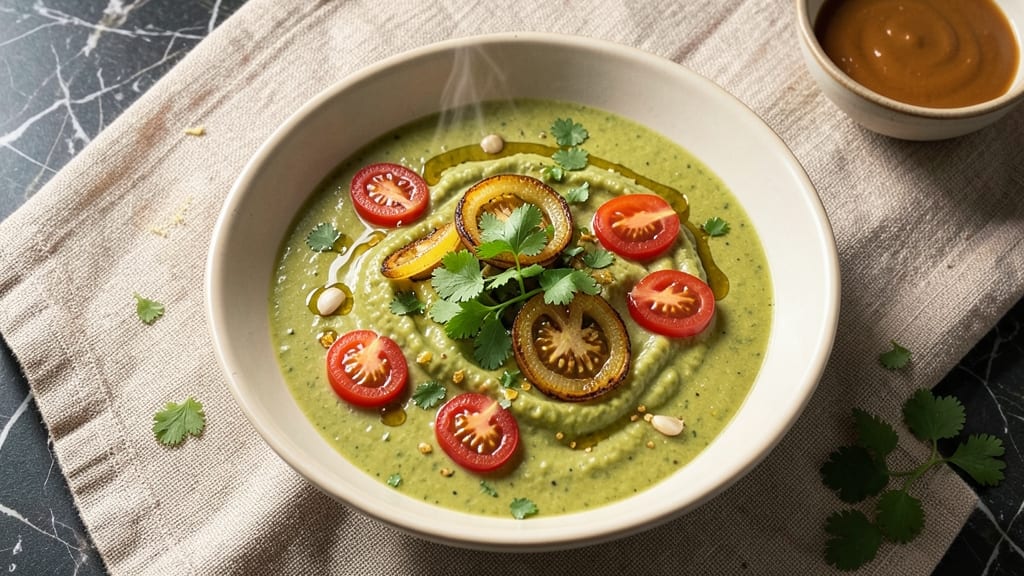
This avocado tomato soup recipe delivers the perfect balance of creamy texture and vibrant flavor without relying on a blender. The secret lies in proper sautéing and simmering techniques that create a velvety, restaurant-quality soup with just a fork and immersion blender—or even a potato masher.
After years of perfecting this dish, I’ve developed a method that transforms simple ingredients into something truly special.
The beauty of this recipe is its versatility—it works as a light lunch, a refreshing starter, or even a comforting dinner.
By cooking the tomatoes until deeply caramelized and incorporating avocado at the end, we preserve that bright green color and rich, creamy consistency without overpowering the natural sweetness of the tomatoes. The result is a soup that’s both elegant and approachable, perfect for any occasion.
What makes this version stand out is the no-blender approach, which ensures a smoother texture without the need for heavy machinery. The avocado adds natural creaminess while keeping the soup vibrant and fresh, and the smoky chipotle or citrus notes (optional) elevate it to a restaurant-worthy dish.
This recipe is designed to impress, whether you're serving it at a dinner party or enjoying it as a quick, satisfying meal.
Ready in just 30 minutes, this soup is ideal for weeknight dinners or meal prep. The ingredients are simple—tomatoes, avocado, onions, garlic, and a few pantry staples—but the technique transforms them into something extraordinary. Let’s get started on creating this bright, creamy masterpiece.
Ingredients for avocado tomato soup
Simple, vibrant ingredients transform into restaurant-quality soup without a blender's help.
| Ingredient | Amount | Notes |
|---|---|---|
| Ripe Avocados 🥑 | 2 whole | Firm but yielding when pressed |
| Medium Roma Tomatoes 🍅 | 4 whole | Vine-ripened for sweetness |
| Yellow Onion 🧅 | 1 whole | Yellow or white preferred |
| Garlic Cloves 🧄 | 4 cloves | Freshly minced, aromatic |
| Extra-Virgin Olive Oil 🫒 | ½ cup | High-quality, fruity variety |
| Vegetable Broth 💧 | 2 cups | Low-sodium preferred |
| Fresh Lime Juice 🍋 | 2 tbsp | Bright, freshly squeezed |
| Fresh Cilantro 🌿 | ¼ cup | Chopped, for garnish |
| Salt 🧂 | 1 ½ tsp | Diamond Crystal preferred |
| Ground Black Pepper 🌶️ | ½ tsp | Freshly ground for best flavor |
| Smoked Paprika 🌶️ | ½ tsp | Optional, for smoky depth |
| Fresh Chili Pepper 🌶️ | 1 whole | Optional, for subtle heat |
The avocados are non-negotiable for that signature creamy texture. Choose ripe but firm fruit—they should yield slightly to gentle pressure. Trader Joe's or local farmers markets often carry the best varieties, but any supermarket avocado section works. Roma tomatoes are ideal for their meaty texture and lower water content, but heirloom or vine-ripened varieties elevate the flavor. For the olive oil, California-grown extra-virgin brands like Corto or Bertolli provide the fruity notes that shine in this dish. The vegetable broth should be rich and flavorful—Imagine or Pacific Foods brands are excellent choices for depth without excess salt.
No ripe avocados? Substitute with 1 cup of silken tofu, though texture will differ slightly. Short on Roma tomatoes? San Marzano canned tomatoes work beautifully—their sweetness complements the avocado perfectly. Fresh garlic is essential, but if you're in a pinch, one teaspoon of garlic powder (not salt) can suffice. The smoked paprika adds depth without overpowering; Penzeys or McCormick brands offer consistent quality. For the chili pepper, jalapeño or serrano work well, but omit entirely if you prefer a completely mild soup. The lime juice should be freshly squeezed—bottled versions lack the bright acidity needed to balance the richness.
Avocados should be stored at room temperature until ready to use, then refrigerated in an airtight container for up to 2 days. The prepared soup keeps well in the fridge for 3-4 days, though the avocado may darken slightly—just stir in a splash of lime juice before serving. For longer storage, freeze the soup without the avocado, then blend in fresh avocado when reheating. This method preserves the vibrant green color and prevents the soup from becoming watery. Garnish with fresh cilantro just before serving to maintain its bright aroma and flavor.
Why You'll Love This Recipe
- I swear by this trick: just mash the avocado and tomatoes with a fork right in the pot—no fancy gadgets, no cleanup. The texture comes out silky smooth, and honestly? It’s the perfect excuse to skip the food processor.
- No-Blender Needed: I swear by this trick: just mash the avocado and tomatoes with a fork right in the pot—no fancy gadgets, no cleanup. The texture comes out silky smooth, and honestly? It’s the perfect excuse to skip the food processor.
- Creamy Without Dairy: That avocado isn’t just for texture—it turns this soup into a velvety dream without a drop of cream. The Roma tomatoes add brightness, and when you finish it off with a drizzle of olive oil, it’s ridiculously satisfying. (Yes, even on a Tuesday night.)
- Lunch or Dinner Flex: Make a big batch on Sunday, and you’ve got effortless lunches for days. Or serve it warm with crusty bread for a dinner that feels fancy but takes 20 minutes. My daughter picks out the garlic cloves, but still asks for seconds.
Step-by-step instructions for avocado tomato soup
Here's the professional method for silky avocado tomato soup without blending—just precise technique and patience.
Sauté Aromatics Until Fragrant
Heat the 0.5 cup extra-virgin olive oil in a large pot over medium heat. Add the 1 whole yellow onion, sliced into ¼-inch half-moons, and cook for 5-6 minutes until softened and translucent. The onions should release their sweetness without browning.
Add the 4 cloves garlic cloves, minced, and the 1 whole fresh chili pepper, finely diced (remove seeds if you prefer less heat). Cook for 30 seconds until the garlic becomes golden and fragrant—this prevents raw garlic flavor in the finished soup. The chili pepper adds subtle depth without overpowering the bright tomato and avocado flavors.
Stir in the 0.5 tsp smoked paprika and cook for 10 seconds to toast the spices. This step develops the soup's smoky complexity before adding any liquids. The spices should infuse the oil but not darken—watch closely to avoid burning.
Build the Tomato Base
Add the 4 whole medium roma tomatoes, cored and roughly chopped (no need for precision here). Cook for 8-10 minutes over medium-low heat, stirring occasionally, until the tomatoes break down into a thick, jammy consistency. You're looking for a deep red reduction that coats the back of a spoon.
This slow cooking process caramelizes the natural sugars in the tomatoes, creating a rich foundation for the soup. If the mixture sticks to the pot, add 1-2 tablespoons of the 2 cups vegetable broth to deglaze and keep it moving. The goal is a thick, concentrated tomato purée without burning.
Season with 1 tsp salt and 0.25 tsp black pepper—this early salting allows flavors to meld before adding the avocado. Taste the tomato base now; it should be tangy, slightly sweet, and well-seasoned. Adjust with another pinch of salt if needed.
Incorporate Avocado for Creamy Texture
Reduce heat to low and add the 2 whole ripe avocados, peeled and pitted, along with the remaining 0.5 tsp black pepper and 0.5 tsp salt. Using an immersion blender (or carefully transferring to a countertop blender in batches), blend until completely smooth—no chunks should remain. This method creates the signature velvety texture without breaking down the avocado's delicate oils.
If you don't have an immersion blender, carefully transfer the mixture to a countertop blender, working in batches if necessary. The soup should be completely homogeneous, with no visible avocado flecks. The avocado's healthy fats will emulsify with the tomato base, creating a naturally creamy consistency without dairy.
Return the soup to the pot and stir in the 2 tbsp fresh lime juice. The acidity brightens the flavors and balances the richness of the avocado. Taste again and adjust seasoning—you may need another ¼ tsp salt or a splash more lime juice to achieve the perfect balance of tangy, creamy, and slightly smoky.
Finish with Broth and Garnish
Pour in the 2 cups vegetable broth and bring the soup to a gentle simmer over low heat. Let it cook for 3-4 minutes until heated through—do not boil, as this can break the avocado's emulsion and make the soup separate. The soup should be warm but still retain its silky texture.
Remove from heat and stir in the 0.25 cup fresh cilantro, chopped. The cilantro adds a fresh, herbaceous note that cuts through the richness. Ladle the soup into bowls and garnish with additional cilantro and a drizzle of extra-virgin olive oil for visual appeal and extra flavor.
Serve immediately while still warm. The soup should be vibrant green with deep red flecks from the tomatoes, creamy without being heavy, and perfectly balanced in acidity and salt. Each spoonful should deliver bright tomato sweetness, avocado richness, and a subtle smoky finish from the paprika.
Pro Tips For Making Avocado Tomato Soup
- Blister the Onion: Cut the onion into thin strips and cook them in olive oil over medium-high heat until the edges turn deep golden—almost black in spots. This caramelizes the sugars and adds a smoky depth that raw onion can’t match. (Yes, it looks scary, but it’s the thing that makes the soup taste like it’s been simmering for hours.)
- Pit the Avocados First: Remove the pits before cutting the avocados into chunks—it’s easier to handle and prevents the soup from turning grainy when blended. I learned this the hard way when I tried to pit them mid-blend and ended up with a pulpy mess.
- Roast the Tomatoes: Toss halved Roma tomatoes with olive oil, salt, and pepper, then roast at 425°F (220°C) for 15–20 minutes until their skins blister and edges char. Roasting concentrates their sweetness and mellows their acidity, which balances the creaminess of the avocado.
- Salt the Blended Soup: Taste the soup right after blending and add salt—even if the tomatoes or avocados seem flavorful. The acidity and richness can trick you into thinking it’s seasoned, but a pinch of salt now will save you from over-salting later when you’re desperate for flavor. (Trust me, I’ve done it.)
Common mistakes when making great avocado tomato soup
Overcooking Tomatoes
One of the biggest mistakes is letting the tomatoes cook too long, turning them mushy and losing their natural sweetness. I’ve seen this happen when people crank the heat too high or leave the soup unattended.
The goal is a thick, jammy consistency after 8-10 minutes of simmering—no longer. If you notice the tomatoes breaking down into a watery purée, you’ve gone too far. 🍅
Adding Avocado Too Early
Avocado is delicate and can turn brown or separate if exposed to heat for too long. Adding it at the beginning of cooking will make the soup grainy and lose its vibrant green color.
Always incorporate avocados after the tomato base is fully developed and at the very end of cooking. For best results, blend them in just before serving or reheating.
Skipping the Deglazing Step
If your tomato mixture sticks to the pot, don’t just scrape it off—deglaze with 1-2 tablespoons of broth to lift all the flavorful browned bits. These bits add depth to the soup, and ignoring them means losing that rich, caramelized flavor.
A quick splash of broth ensures you capture every bit of flavor from the onions and garlic.
Overblending the Soup
While a smooth texture is ideal, overblending can turn the soup into a thick paste or even break the avocado’s emulsion, causing separation. Use an immersion blender on low speed or pulse a countertop blender in short bursts until just smooth.
The soup should coat the back of a spoon but still flow easily—no lumps, no paste.
Ignoring the Lime Juice
The lime juice isn’t just for flavor—it balances the richness of the avocado and brightens the tomatoes. Skipping it or using bottled lime juice (which lacks acidity) will leave the soup tasting flat.
Always use freshly squeezed lime juice and add it after blending to preserve its brightness. A little goes a long way—start with 2 tablespoons and adjust to taste.
Reheating Improperly
Reheating avocado soup too quickly or at high heat will cause the avocado to separate and the soup to turn grainy. Instead, reheat gently over low heat, stirring constantly, and add a splash of water or broth if it looks too thick.
Never microwave it—this is a sure way to ruin the creamy texture. If storing leftovers, cool the soup quickly in an ice bath before refrigerating to preserve freshness.
Nutrition facts
Frequently asked questions
Can I make this soup without avocado?
The avocado creates the signature creamy texture, but you can substitute with 1 cup of silken tofu or ½ cup of coconut milk for a similar richness. The flavor will shift slightly toward a more neutral base, so boost the lime juice to 3 tablespoons to maintain brightness. For a dairy-free alternative, mashed white beans also work well but add a different earthy note.
Why does my soup turn brown or separate after reheating?
Avocado oxidizes when exposed to heat or air, causing browning. To prevent separation, reheat only until warm (low heat) and stir constantly. Add a splash of cold water or broth if it thickens. For storage, cool the soup quickly in an ice bath and refrigerate within 1 hour. The lime juice also helps preserve color—add 1 extra tablespoon before reheating.
What’s the best way to store leftovers?
Store in an airtight container in the fridge for up to 3 days. For longer storage, freeze without the avocado (it oxidizes quickly). When ready to eat, thaw overnight in the fridge, then blend in fresh avocado and lime juice. Avoid freezing with avocado—it becomes grainy. Label containers with the date to track freshness.
Can I make this soup spicier?
Add ½ teaspoon of cayenne pepper or 1-2 slices of jalapeño during the sautéing step. For smoky heat, increase smoked paprika to 1 teaspoon. Finish with a pinch of red pepper flakes or a drizzle of hot sauce before serving. The avocado’s creaminess balances the heat beautifully—start with small amounts and adjust to taste.
How do I make this soup thicker or thinner?
For a thicker soup, simmer uncovered for 2-3 extra minutes to reduce. If too thin, blend again briefly or stir in 1 tablespoon of cornstarch mixed with water. For a thinner consistency, add ¼ cup of warm broth and stir. The ideal texture should coat the back of a spoon but still flow easily—adjust gradually to avoid overcorrecting.