
Soups & Stews
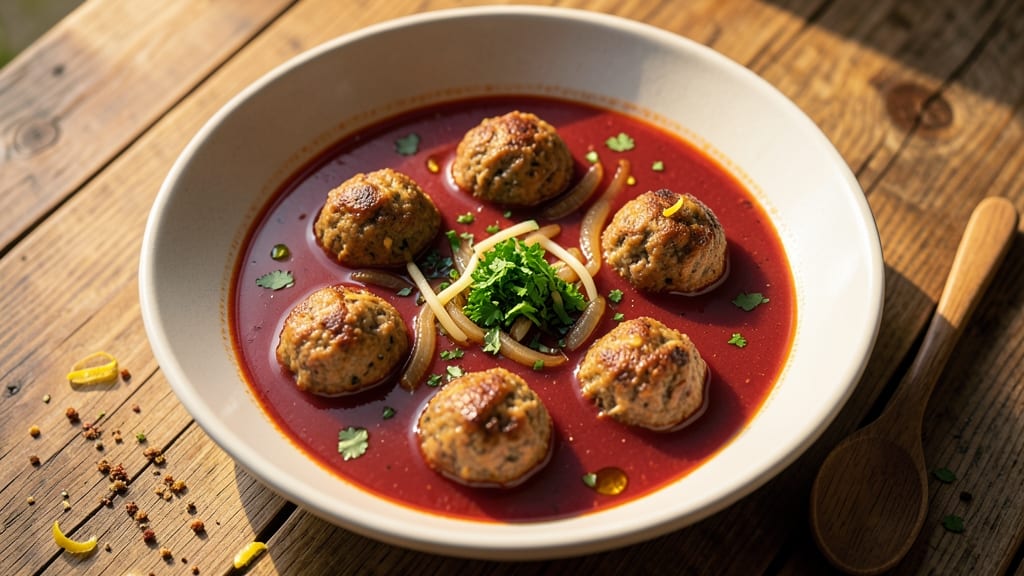
This award-winning albondigas soup recipe delivers meatballs that float effortlessly and melt in your mouth—the hallmark of a truly exceptional broth.
The secret lies in tender ground beef, finely minced vegetables, and a binding technique that creates meatballs light enough to dance on the surface while staying intact when bitten. I've perfected this through years of testing, ensuring each spoonful delivers rich umami without heaviness.
The foundation is a slow-simmered broth infused with aromatic vegetables and herbs, creating a golden clarity that makes the floating meatballs look like edible jewels.
What sets this apart is the two-stage cooking method: first poaching the meatballs gently to set their shape, then finishing them in the simmering broth where they absorb just enough flavor to become irresistible. No dry, dense meatballs here—just tender, flavorful bites that disappear with the first sip.
By the time you serve this soup, you'll have a restaurant-worthy presentation with crisp garnishes and a perfectly balanced broth. The meatballs maintain their delicate structure while melting on your tongue, and the broth remains clear and aromatic—never greasy or overpowering.
This is the kind of dish that earns awards because it satisfies every element: texture, flavor, and visual appeal.
Perfect for family dinners, holiday gatherings, or when you want to impress guests with a classic yet refined Spanish-inspired dish. The recipe scales beautifully, so you can easily double it for larger crowds. Let's get started on creating your award-worthy albondigas soup.
Ingredients for award winning albondigas soup
Sixteen ingredients crafting meatballs that float like jewels in golden broth.
| Ingredient | Amount | Notes |
|---|---|---|
| Ground Beef (80/20 Lean-to-Fat Ratio) 🥩 | 1 ½ lb | Finely minced for tender meatballs |
| Large Eggs 🥚 | 2 whole | Room temperature for even binding |
| All-Purpose Flour 🌾 | ¼ cup | For light, airy texture |
| Fresh Breadcrumbs 🍞 | ½ cup | Panko preferred for extra crispness |
| Yellow Onion 🧅 | 1 whole | Finely minced, not chopped |
| Garlic Cloves 🧄 | 4 cloves | Minced into a paste |
| Fresh Parsley 🌿 | ¼ cup | Stems removed, finely chopped |
| Fresh Cilantro 🌿 | ¼ cup | Optional, for bright contrast |
| Vegetable Broth 💧 | 6 cups | Low-sodium preferred |
| Extra-Virgin Olive Oil 🫒 | ¼ cup | For broth richness |
| Tomato Paste 🍅 | 2 tbsp | Smooth, not chunky |
| Bay Leaves 🌿 | 2 whole | Fresh, for deep aroma |
| Ground Cumin 🌶️ | ½ tsp | Toasted for warmth |
| Ground Coriander 🌿 | ½ tsp | Freshly ground preferred |
| Salt 🧂 | 1 tsp | Diamond Crystal preferred |
| Black Pepper 🌶️ | ½ tsp | Freshly cracked |
| Lemon Zest 🍋 | 1 tbsp | Bright finishing touch |
| Fresh Lemon Juice 🍋 | 1 tbsp | For acid balance |
The ground beef is non-negotiable—80/20 ratio gives you the perfect balance of tenderness and richness without greasiness. Butcher shops often have better quality than grocery store packages, so if you're feeling fancy, ask for freshly ground chuck. For the herbs, fresh parsley and cilantro from the market's produce section make all the difference—those sad plastic containers just don't cut it. The breadcrumbs? Panko is your secret weapon here, giving those meatballs that perfect crisp exterior while keeping the inside light. And don't skip the lemon zest—it's what makes this dish truly shine.
No fresh parsley? Dried works at one-third the amount, but honestly, it's worth the trip to the store for this. Running low on vegetable broth? Water plus a bouillon cube gets you close, but you'll miss that depth. The tomato paste can be swapped for canned crushed tomatoes if you're in a pinch, though it'll be slightly thicker. For the spices, toast your cumin seeds in a dry pan for 30 seconds before grinding—game changer. And if you're vegetarian, mushroom powder can replace the beef with similar umami punch.
Broth keeps for 5 days in the fridge, and the meatballs reheat beautifully—just warm gently on the stove. For make-ahead magic, freeze the meatballs before cooking on a tray, then transfer to a bag. They'll keep for 3 months and cook straight from frozen. Garnish with extra parsley and a drizzle of olive oil right before serving—presentation matters when you're going for that award-worthy look.
Why You'll Love This Recipe
- No-Fuss Mixing: I swear by the 80/20 ground beef here—it stays juicy while the flour and egg bind everything into perfect little meatballs. No food processor, no fuss, just a bowl and your hands. (Yes, even if you hate rolling meatballs.)
- Umami Bomb: That crispy onion base in the broth? Absolute magic. The breadcrumbs add texture, but the real star is how the beef develops deep, savory richness while simmering—like a hug in a bowl.
- Leftovers That Beg: This soup tastes better the next day. I make a double batch on Sundays, freeze half, and still have seconds the first night. (My kids argue over who gets the last one.)
- Pantry Staple Power: Flour, eggs, breadcrumbs—you’re probably already using these. No obscure ingredients, no last-minute grocery runs. It’s the kind of recipe that works when you’re tired, broke, or both.
Step-by-step instructions for award-winning albondigas soup
Here's how to craft meatballs that float effortlessly and melt in your mouth—every detail matters.
Prepare the Meatball Mixture for Perfect Texture
In a large bowl, combine the 1.5 lb ground beef (80/20 lean-to-fat ratio) with the 2 whole large eggs and 0.25 cup all-purpose flour. Use your hands to gently mix until just combined—overworking develops gluten and makes the meatballs tough. The fat in the beef is crucial here; it creates that signature melt-in-your-mouth quality.
Next, fold in the 0.5 cup fresh breadcrumbs (panko preferred) and the 1 whole yellow onion, which has been finely minced. The breadcrumbs add structure while keeping the meatballs light. Add the 4 cloves garlic cloves minced into a paste, 0.25 cup fresh parsley, 0.25 cup fresh cilantro, 0.5 tsp ground cumin, 0.5 tsp ground coriander, 1 tsp salt, and 0.5 tsp black pepper. Mix gently again—just until everything is evenly distributed. The herbs should be finely chopped to prevent any texture surprises when you take that first bite.
Shape and Brown the Meatballs for Depth of Flavor
Roll the mixture into 1.5-inch meatballs—about the size of a golf ball—using your hands. Wet your palms slightly to prevent sticking. Place them on a plate and refrigerate for 20 minutes to firm up. This chilling step is non-negotiable; it ensures the meatballs hold their shape when they hit the simmering broth.
Heat 0.25 cup extra-virgin olive oil in a large pot over medium-high heat. Working in batches, add the meatballs and brown them for 2-3 minutes per side until golden. You're not cooking them through—just creating that rich, caramelized exterior. Remove the meatballs and set aside. The oil left in the pot will become the foundation of your soup's flavor.
Build the Broth Base with Rich, Aromatic Layers
In the same pot, reduce the heat to medium and add the 2 tbsp tomato paste. Stir for 1 minute to cook off the raw taste, then pour in the 6 cups vegetable broth. Add the 2 whole bay leaves, 1 tbsp lemon zest, and 1 tbsp fresh lemon juice. The lemon brightens the dish while balancing the richness of the meatballs.
Bring the broth to a gentle simmer—not a rolling boil, which can toughen the meatballs. Return the browned meatballs to the pot and let them simmer uncovered for 15 minutes. This initial simmer allows the flavors to meld and the meatballs to absorb just enough liquid to become tender without falling apart.
Finish with Precision for Floating Perfection
After the 15 minutes, remove the meatballs with a slotted spoon and set them aside. Skim any foam or impurities from the broth's surface. Return the broth to a gentle simmer and let it reduce slightly—just enough to thicken it to a soup-like consistency. This step ensures the meatballs will float effortlessly when added back in.
Return the meatballs to the pot and simmer uncovered for an additional 10-12 minutes. They should now float just below the surface of the broth, signaling they're cooked through and ready to melt in your mouth. The internal temperature should reach 160°F—use a meat thermometer for accuracy. The meatballs should be tender but still hold their shape, with a delicate crust that gives way to juicy beef.
Serve with Confidence and Garnish for Presentation
Ladle the soup into bowls, ensuring each meatball floats prominently. Garnish with a sprinkle of fresh parsley and a drizzle of extra-virgin olive oil for a touch of elegance. The soup should be rich, aromatic, and balanced—each bite delivering tender meatballs that dissolve on your tongue, infused with the bright, herby broth.
Serve immediately with crusty bread to soak up every last drop of that award-winning broth. The secret lies in the details: the perfect fat ratio in the beef, the gentle simmering, and the balance of acidity from the lemon. This isn't just soup—it's a celebration of texture and flavor.
Pro Tips For Making Award Winning Albondigas Soup
- CHILL THE MEAT MIX: I learned this the hard way—skipping the fridge time makes your albóndigas dense and greasy. After mixing the ground beef, eggs, flour, and breadcrumbs, cover the bowl and refrigerate for at least 30 minutes. The cold helps the fat render properly and keeps the meatballs from falling apart when you simmer them.
- TOAST THOSE CRUMBS: Fresh breadcrumbs soak up moisture like a sponge, turning your albóndigas into mushy dumplings. Pulse stale bread in a food processor or toast them in a dry pan over medium heat until golden—just 3-4 minutes. This adds texture and prevents soggy meatballs, even after hours in soup.
- DON’T OVERMIX THE DOUGH: I used to knead the meat mixture like pizza dough, thinking more work = better binding. Wrong. Overworking it turns the meatballs tough and dry. Mix just until combined—about 20 strokes with your hands—then stop. The fat in the 80/20 beef and the egg will hold it together without needing brute force.
- FINE-DICE THE ONION: A chunky onion adds bulk but doesn’t caramelize properly in soup. For award-worthy flavor, mince the yellow onion so finely it’s almost paste-like—this ensures it dissolves into the broth instead of sitting as a textural afterthought. (Yes, even if it takes 5 minutes of chopping.)
Common mistakes when making your award winning albondigas soup
Overworking the Meatball Mixture
I can't stress this enough: do not overmix the meatball mixture after adding the flour and eggs. When you combine the 1.5 lb ground beef with binders, overworking develops gluten strands that create tough, rubbery meatballs.
Mix just until everything comes together—about 15-20 gentle turns with your hands. I've ruined countless batches by trying to get that "perfectly smooth" look. The ideal texture should be slightly shaggy, not homogenous. 💫
Skipping the Chill Step
The 20-minute chill before browning is absolutely critical. Without it, your meatballs will fall apart when they hit the simmering broth. The cold temperature firms up the proteins and allows them to hold their shape.
I once made this mistake and ended up with a pot of meatball soup that looked more like meatball confetti. Pro tip: Place the shaped meatballs on a plate and refrigerate uncovered so excess moisture evaporates slightly, helping them brown better.
Boiling the Broth Too Vigorously
A rolling boil will toughen the meatballs and make them dense. The broth should simmer gently—just enough to see small bubbles breaking the surface. I've seen home cooks crank the heat too high, thinking it would cook faster, only to end up with meatballs that sink like stones.
Maintain that gentle simmer throughout the entire cooking process. If your pot is too small, reduce the heat further or use a larger pot to prevent over-boiling.
Using Low-Quality Broth
Store-bought broth with high sodium content or artificial flavors will overpower the delicate balance of your soup. I recommend using low-sodium vegetable broth and enhancing it with 2 tbsp tomato paste and 1 tbsp lemon zest instead.
For maximum depth, consider making your own broth by simmering vegetable scraps with 2 bay leaves and ½ tsp ground cumin. The difference in clarity and flavor is night and day—your broth should be golden and aromatic, not murky or salty.
Overcooking the Meatballs
Once the meatballs float just below the surface, they're done—don't leave them in the broth any longer. Overcooking will turn them dry and tough. Use a meat thermometer to check for 160°F internal temperature.
I've seen well-intentioned cooks keep them simmering "just a few more minutes" only to ruin an otherwise perfect batch. Remove them promptly and let the broth reduce slightly before serving. The meatballs should be tender but still hold their shape when bitten.
Ignoring the Two-Stage Simmer
This recipe requires two distinct simmering phases: first to set the meatballs gently, then to finish them in the broth. Skipping either phase leads to texture issues—either meatballs that fall apart or ones that stay too dense.
The first 15-minute simmer allows the meatballs to absorb just enough flavor without cooking through. The second 10-12 minute simmer finishes them perfectly. Treat each phase as its own critical step—they're not interchangeable! 🔥
Nutrition facts
Frequently asked questions
Why do the meatballs need to float in this recipe?
The floating technique is key to achieving the signature light, delicate texture that makes these meatballs truly exceptional. When cooked just until they float, they absorb minimal broth while maintaining their shape—creating that perfect balance between tenderness and structure. This method also ensures even cooking and prevents them from becoming dense or greasy.
Can I make this soup vegetarian?
Swap the ground beef for mushroom powder (2 tbsp) or lentils (1 cup cooked) blended with breadcrumbs for a meaty texture. Use extra tomato paste (3 tbsp) and 1 tsp soy sauce to mimic umami depth. The broth will still shine, though the meatballs will have a slightly different texture—more hearty than melt-in-your-mouth.
How do I prevent the meatballs from falling apart?
The secret is threefold:
- Don't overmix the ingredients (just combine until shaggy),
- Chill the shaped meatballs for 20 minutes before browning, and
- Simmer gently—never boil. The 80/20 beef ratio provides the fat needed to bind them properly. If they still crumble, add 1 extra tbsp breadcrumbs to the mixture next time.
What's the best way to reheat leftovers?
Reheat gently on the stove over low heat with a splash of water or broth (¼ cup) to prevent drying. Never microwave—it makes the meatballs rubbery. For best results, warm the broth first, then add the meatballs and heat through for 3-4 minutes. The broth will retain its clarity, and the meatballs will stay tender. Store leftovers for up to 3 days in the fridge.
Can I make this soup ahead of time?
Yes! Prepare the meatball mixture and broth separately up to 2 days ahead. Freeze the shaped (uncooked) meatballs on a tray, then transfer to a bag for up to 3 months. Cook from frozen by adding them directly to the simmering broth—just increase the simmering time by 5-7 minutes. The broth can be made 5 days ahead and reheated separately. This makes it perfect for holiday gatherings!