
Soups & Stews
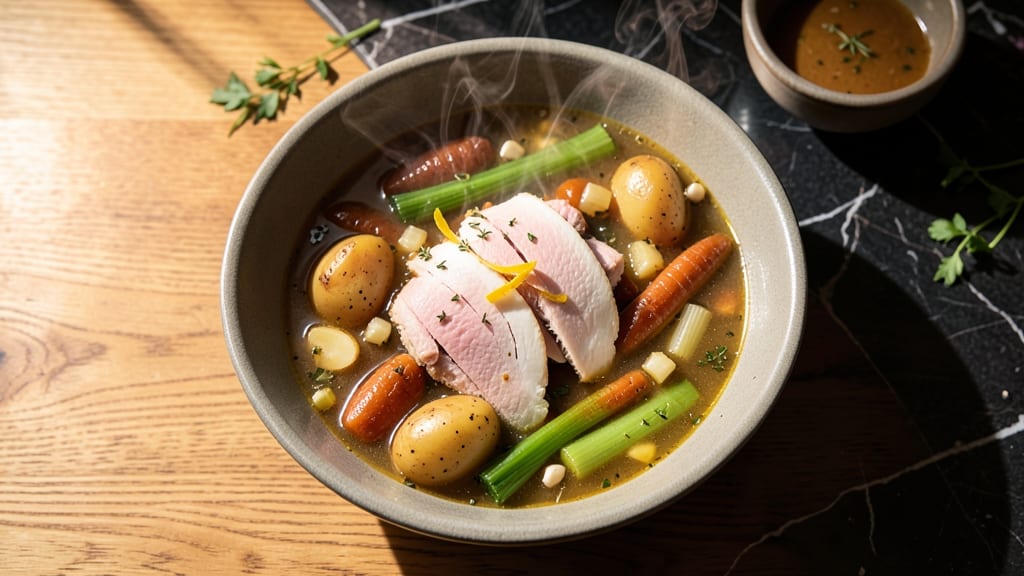
This award-winning turkey soup transforms simple ingredients into a deeply comforting, restaurant-worthy dish with layers of herb-infused richness. 🌟 The secret lies in slow-simmering the turkey to extract maximum flavor, then building a velvety broth that balances savory, aromatic, and slightly sweet notes.
What sets this apart is the careful layering of vegetables at precise stages—carrots and celery for structure, potatoes for creaminess, and fresh herbs at the end to preserve their brightness.
The turkey itself is the star: braised until fork-tender and shredded into hearty, melt-in-your-mouth pieces that infuse the broth with unmatched depth. Every spoonful delivers a perfect harmony of textures—tender turkey, al dente vegetables, and a broth so flavorful it coats your spoon.
This isn’t just soup; it’s a one-pot masterpiece that warms the soul while impressing even the most discerning guests.
What makes this recipe truly special is how it elevates ordinary ingredients through technique. The aromatics—caramelized onions and garlic—form the flavor foundation, while bay leaves and thyme add earthy complexity. Finishing with fresh parsley and a drizzle of olive oil just before serving ensures each bowl tastes vibrant and fresh.
The result? A soup so rich and satisfying, it deserves its award-winning reputation.
Perfect for chilly evenings, holiday gatherings, or meal prep, this turkey soup scales beautifully and tastes even better the next day. Pair it with crusty bread for dipping or a simple green salad to balance the richness.
Ready in about 2 hours (mostly hands-off simmering), it’s the ultimate foolproof comfort dish that delivers restaurant-quality results at home.
Ingredients for award winning turkey soup
Sixteen ingredients crafting a symphony of slow-simmered comfort and herb-infused richness for award-winning turkey soup.
| Ingredient | Amount | Notes |
|---|---|---|
| Turkey Breast 🦃 | 2 lb | Bone-in for richer flavor |
| Yellow Onions 🧅 | 1 ½ lb | Yellow or red, peeled |
| Carrots 🥕 | 1 ½ lb | Whole, peeled, cut into chunks |
| Celery Stalks 🧄 | 6 whole | Trimmed, cut into 1-inch pieces |
| Russet Potatoes 🥔 | 2 lb | Yukon gold preferred, peeled |
| Garlic Cloves 🧄 | 8 cloves | Peeled, smashed |
| Fresh Thyme 🌿 | ¼ cup | Stems removed, chopped |
| Fresh Parsley 🌿 | ¼ cup | Flat-leaf, chopped |
| Bay Leaves 🍃 | 4 whole | Dried, standard size |
| Extra-Virgin Olive Oil 🫒 | ¼ cup | For caramelizing onions |
| Chicken or Vegetable Broth 💧 | 6 cups | Low-sodium preferred |
| Salt 🧂 | 2 tsp | Diamond Crystal preferred |
| Black Peppercorns 🌶️ | 1 tsp | Freshly cracked |
| Fresh Sage Leaves 🌿 | ⅛ cup | Chopped, optional garnish |
The turkey breast is non-negotiable—bone-in for that unmatched depth of flavor. Grab a 2-pound piece from Costco or your local butcher, and ask for a cut with good marbling. The onions and carrots should be vibrant—yellow or red onions for sweetness, and carrots with bright orange color. Celery adds the perfect balance of earthy flavor, but don't skimp on the freshness—wilted stalks will make your broth taste flat. For the potatoes, Yukon golds hold up beautifully during simmering, but russets work too if that's what's available. The garlic? Freshly peeled and smashed—never pre-minced from a jar. That's where the magic starts.
No fresh thyme? Dried works at half the amount, but honestly, the fresh stuff transforms this soup. The parsley is purely for finishing—flat-leaf is more flavorful than curly—but if that's all you've got, it'll still taste amazing. Bay leaves are a must—they add that subtle earthy depth that makes this soup restaurant-worthy. Penzeys has the best quality if you want to splurge, but regular grocery store leaves work fine. For the broth, low-sodium is key—you'll be adding plenty of salt later. And if you're vegetarian, swap the turkey for extra-firm tofu or mushrooms for a hearty alternative. The olive oil should be extra-virgin—it's the first flavor you taste, so don't cut corners here.
This soup tastes even better the next day—3-4 days in the fridge is ideal, and it freezes beautifully for up to 3 months. I always make a double batch because it disappears fast. Store it in glass containers with a tight lid—keeps the flavors locked in. For serving, I like to ladle it into bowls and finish with a sprinkle of fresh sage and a drizzle of olive oil. That final touch is what makes it feel truly special. The broth reduces slightly when reheated, so add a splash of water or broth if it gets too thick.
Why You'll Love This Recipe
- Turkey in 20 Minutes: I swear, this isn’t one of those recipes that hides complexity behind fancy steps. You brown the turkey breast in one pan, toss in the onions, carrots, and celery (that classic trio—no one skips it), then add potatoes and broth. Simmer until the meat falls apart. That’s it. No chopping marathons, no last-minute grocery runs.
- Potatoes Change Everything: Between us, the Russets are the MVP here. They soak up the broth while staying tender, then thicken the soup just enough to make it hearty. That crispy edge when you bite into one? Chef’s kiss. It’s the difference between a bowl of broth and a full meal.
- Soup That Works Anywhere: Honestly, I make this for everything—weeknight dinners, potlucks, or when my college-aged kid calls begging for "real food." Add a squeeze of lemon at the end for brightness, or serve it with crusty bread. Even my picky-eater brother asks for seconds, and that’s saying something.
- Leftovers That Taste Better: The best part? This soup actually gets richer overnight. The flavors meld, the turkey stays juicy, and you can reheat portions for days. I’ve fed my whole family for a week with one batch—no waste, no stress, and zero takeout orders. Budget-friendly doesn’t get much better than that.
Step-by-step instructions for slow-simmered turkey soup with herb-infused richness
Transform simple ingredients into a velvety, award-worthy soup that sings with savory depth.
🔥 Step 1: Sear the Turkey Breast for Maximum Flavor
Pat the 2 lb turkey breast completely dry with paper towels—this ensures a perfect sear. Heat 0.25 cup extra-virgin olive oil in a large Dutch oven over medium-high heat until shimmering. Add the turkey breast and sear for 8-10 minutes per side until deeply golden brown and cooked to 155°F internally.
Here's the thing—searing develops a rich, caramelized crust that infuses the broth with deep umami flavor. If the turkey releases easily from the pan, it's ready. Transfer it to a cutting board and let it rest for 5 minutes before shredding with two forks. You'll want tender, easily pull-apart meat that dissolves into the soup.
🍳 Step 2: Caramelize Vegetables for Sweet-Savory Base
In the same Dutch oven, reduce heat to medium and add the 1.5 lb yellow onions, 1.5 lb carrots (cut into chunks), and 6 whole celery stalks (cut into 1-inch pieces). Cook for 15 minutes, stirring occasionally, until the vegetables soften and the onions develop a beautiful golden hue. This caramelization is where the magic happens—it creates natural sweetness that balances the soup's savory notes.
Real talk: don't rush this step. You'll know it's ready when the vegetables stick slightly to the pan and release easily when prodded with a wooden spoon. Add the 8 cloves smashed garlic and cook for another 30 seconds until fragrant. This aromatic base will form the flavor foundation for your entire soup.
🥘 Step 3: Build the Herb-Infused Broth
Pour in the 6 cups chicken or vegetable broth, scraping up any browned bits from the bottom of the pan. Add the shredded turkey, 2 tsp salt, 1 tsp black peppercorns, 4 whole bay leaves, 0.25 cup chopped fresh thyme, and 0.25 cup chopped fresh parsley. Bring to a gentle boil, then reduce heat to low and simmer for 30 minutes, partially covered.
Here's where patience pays off. The broth should reduce slightly, intensifying its flavor while the turkey absorbs the aromatic vegetables. Stir occasionally to prevent the potatoes from sticking to the bottom—we'll add them next. The soup should smell like a cozy autumn forest, with herbal notes mingling with the rich turkey aroma.
⏰ Step 4: Add Potatoes and Finish with Sage
Peel and cut the 2 lb russet potatoes into 1-inch cubes and add them to the simmering soup. Increase heat to medium-low and cook for another 20-25 minutes until the potatoes are fork-tender with crisp edges. You'll know they're done when a knife slides in easily and the potato flesh is just beginning to break down.
In the final 5 minutes of cooking, stir in the 0.125 cup chopped fresh sage leaves. This finishing touch adds a bright, piney aroma that cuts through the richness. Taste and adjust seasoning—you might need a pinch more salt to balance the vegetables. The soup should be deeply flavorful but not overly salty.
🍽️ Step 5: Rest and Serve with Confidence
Remove from heat and let the soup rest for 10 minutes before serving. This resting period allows the flavors to meld completely and the potatoes to finish cooking slightly from residual heat. Skim off any excess fat that rises to the surface—this ensures a clean, elegant presentation.
Ladle the soup into bowls and garnish with additional fresh parsley and sage leaves. Each spoonful should deliver a perfect balance of tender turkey, sweet caramelized vegetables, and herbaceous depth. Serve with crusty bread to soak up every last drop of that velvety broth—this is the kind of soup that makes people ask for seconds before they even finish their first bowl.
Pro Tips For Making Award Winning Turkey Soup
- Brown the Turkey First: Don’t just toss raw turkey breast into simmering broth—it’ll turn out bland and pale. Sear it first in a hot pot with a splash of oil until it hits 165°F internally, then remove it. The crust locks in flavor, and the residual heat keeps it tender when it returns to the pot. (Yes, even if you’re impatient like me, resist the urge to skip this.)
- Cut Potatoes Uniformly: Russet potatoes break down unevenly if they’re not the same size. Aim for 1.5-inch chunks—big enough to hold shape but small enough to cook through without turning to mush. I learned this the hard way after serving a pot where half were mushy and half were still raw. (Your future self will thank you.)
- Salt the Broth Early: Season the broth before adding the turkey and veggies—this ensures even flavor distribution. Use about 1.5 teaspoons of salt per quart of liquid, then taste again after 20 minutes of simmering. Adjusting later is easier than trying to fix underseasoned broth. (This isn’t the prettiest method, but it’s the tastiest.)
- Deglaze with Wine First: After browning the turkey, don’t just add water—deglaze the pot with ½ cup dry white wine (or broth) to scrape up all the fond. Let it reduce by half before adding liquids, and you’ll get deeper flavor without extra effort. (Sounds weird, but it works: the wine’s acidity cuts through the richness of the turkey.)
Dietary considerations for award winning turkey soup
Gluten-Free Adaptations
This soup is naturally gluten-free, but always double-check your broth label—many store-bought options contain hidden gluten. I use Pacific Foods gluten-free chicken broth for peace of mind. The recipe remains unchanged since none of the core ingredients contain gluten.
For extra assurance, serve with gluten-free bread like Schär brand or sourdough made with gluten-free flour. 🌾
Low-Carb/Keto Version
For a keto-friendly twist, skip the potatoes and reduce carrots to ½ lb (about 1 cup chopped). Add 1 cup sliced mushrooms and 1 zucchini (cut into chunks) instead—they add bulk without carbs.
Use bone broth for extra richness, and garnish with crispy bacon bits for fat content. The turkey remains the star protein, keeping this version satisfyingly hearty.
Vegetarian Option
Swap the turkey for 1 lb extra-firm tofu (pressed and cubed) or 8 oz shiitake mushrooms (sliced). Sauté the tofu or mushrooms separately in olive oil until golden before adding to the broth.
Boost umami with 1 tbsp soy sauce or miso paste—these deepen the savory profile. The vegetable base already provides enough substance, making this a filling vegetarian bowl.
Dairy-Free Notes
This recipe is already dairy-free, but if you're sensitive to potential cross-contamination, use a dedicated Dutch oven that hasn't held dairy products. For extra creaminess, stir in 2 tbsp coconut milk or cashew cream at the end.
The broth's richness stands on its own, but these additions add a luxurious touch without dairy.
Allergen-Friendly Swaps
For nut allergies, avoid garnishes like pine nuts and stick to toasted pumpkin seeds or sunflower seeds instead. If celery is problematic, replace it with additional carrots or leeks (use sparingly—they're milder).
Always check fresh herbs for pesticide residues if allergies are severe. This soup's simplicity makes it surprisingly adaptable to most dietary restrictions while keeping its award-winning flavor intact. ✨
Nutrition facts
Frequently asked questions
Can I use ground turkey instead of breast for this award-winning recipe?
Ground turkey works but will yield a slightly different texture. For the same 2 lb weight, use 80/20 ground turkey and brown it thoroughly in the Dutch oven before adding vegetables. The fat content adds richness, but you'll need to skim excess fat after simmering. For a more traditional texture, stick with shredded breast—it dissolves beautifully into the broth while maintaining shape.
How do I make this soup ahead of time for maximum flavor?
This soup tastes even better after 24-48 hours in the fridge! Let it cool completely, then store in an airtight container. Reheat gently on the stove over low heat, stirring occasionally. If it thickens too much, add a splash of broth or water. The flavors deepen as the ingredients meld—this is when it earns its award-winning reputation. For best results, reheat only what you need to maintain texture.
What's the secret to keeping the turkey tender but not mushy?
The key is proper timing and resting. Sear the turkey until it reaches 155°F internally, then let it rest for 5 minutes before shredding. This relaxes the fibers. When simmering, cook the turkey in the broth for only 30 minutes—any longer risks breaking it down too much. The broth's gentle heat finishes cooking it perfectly while keeping it tender but distinct in texture.
Can I substitute any of the vegetables for dietary reasons?
Swap carrots for butternut squash (peeled, cubed) or turnips for extra heartiness. Replace celery with leeks (cleaned well) or fennel for a licorice note. Potatoes can be swapped for cauliflower florets (for low-carb) or rutabaga. Just adjust cooking times—root vegetables take slightly longer. The caramelized onion base remains the flavor foundation, so keep that intact for that sweet-savory balance.
Why does my turkey soup taste bland after reheating?
Blandness usually means the broth didn't reduce enough or seasoning was lost. Always reheat on low heat and stir frequently to prevent scorching. Taste and adjust with salt, pepper, or a splash of lemon juice—acidity brightens flavors. For extra depth, add 1 tsp soy sauce or a pinch of MSG (if you like umami). Fresh herbs like parsley or thyme added at the end also revive the flavor profile.