
Soups & Stews
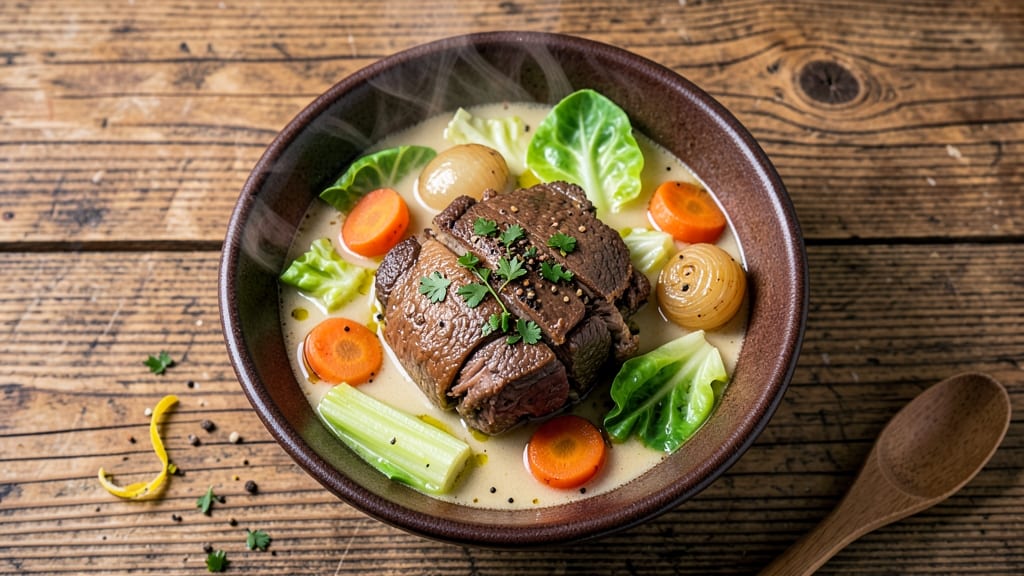
This award-winning vegetable beef soup with cabbage delivers restaurant-quality depth in every spoonful, where tender beef and hearty vegetables meld into a rich, slow-braised masterpiece. 💛 The secret lies in a careful balance of ingredients and precise cooking techniques that transform simple vegetables into something extraordinary—something that's earned its place on competition tables.
What sets this recipe apart is the slow-braised method, which develops layers of flavor as the beef and vegetables simmer together for hours.
The cabbage softens just enough to absorb the savory broth while maintaining its natural texture, creating a perfect harmony of tender meat, crisp vegetables, and a velvety sauce. This isn't just soup—it's a comforting, satisfying meal that feels like a warm hug in a bowl.
The result is a soup that's rich yet balanced, with a depth of flavor that comes from caramelized onions, toasted spices, and a touch of umami from the beef broth. The cabbage adds a subtle sweetness that rounds out the dish, while the beef provides hearty substance.
Every ingredient plays a role, ensuring that each bite is as flavorful as the last.
Perfect for chilly evenings, family gatherings, or when you crave a meal that's both nourishing and impressive. The beauty of this recipe is its versatility—it can be served as a light lunch or a hearty dinner, and it reheats beautifully, making it ideal for meal prep.
Let's create this award-worthy soup together.
Ingredients for award winning vegetable beef soup recipe with cabbage
Sixteen thoughtfully chosen ingredients transform simple vegetables and beef into an award-winning masterpiece.
| Ingredient | Amount | Notes |
|---|---|---|
| Beef Chuck Roast 🥩 | 2 lb | Trimmed of excess fat, cut into 1-inch cubes |
| Yellow Onions 🧅 | 2 large | Thinly sliced, approximately 2 cups total |
| Green Cabbage 🥬 | 1 small head | Core removed, cut into wedges (about 6 cups shredded) |
| Carrots 🥕 | 4 medium | Peeled, cut into 1-inch chunks (about 1.5 cups total) |
| Celery Stalks 🧄 | 4 medium | Trimmed, cut into 1-inch pieces (about 1 cup total) |
| Garlic Cloves 🧄 | 6 whole | Minced, for deep aromatic base |
| Roma Tomatoes 🍅 | 4 medium | Peeled, seeded, chopped (about 1.5 cups total) |
| Beef Broth 💧 | 6 cups | Low-sodium preferred, homemade or high-quality store-bought |
| Red Wine 🍷 | 1 cup | Bold dry variety like Cabernet Sauvignon |
| Tomato Paste 🍅 | ½ cup | High-quality, for concentrated flavor |
| Bay Leaves 🌿 | 2 whole | Fresh preferred, for aromatic depth |
| Fresh Thyme 🌿 | 2 tbsp | Leaves only, finely chopped |
| Fresh Parsley 🌿 | ¼ cup | Chopped, for bright finishing touch |
| Olive Oil 🫒 | ¼ cup | Extra-virgin, for initial sautéing |
| Kosher Salt 🧂 | 2 tsp | Diamond Crystal preferred, adjust to taste |
| Ground Black Pepper 🌶️ | 1 tsp | Freshly ground, for subtle heat |
The beef selection is critical for this slow-braised soup. Chuck roast delivers the ideal tenderness through long cooking, while sirloin or ribeye would remain too firm. Purchase from a reputable butcher or Costco for consistent quality—look for well-marbled cuts. The cabbage should be firm with crisp leaves, avoiding any with yellowing or wilted spots. For the tomatoes, San Marzano if available, or any ripe Roma variety. All vegetables should be freshly cut just before cooking to preserve texture and flavor.
No red wine? Substitute with additional beef broth plus a splash of balsamic vinegar for depth. Fresh thyme unavailable? Dried thyme works at one-third the amount, but fresh offers superior aroma. The tomato paste can be replaced with 2 tablespoons of tomato sauce if needed, though it lacks the concentrated flavor. For a vegetarian adaptation, swap beef for extra-firm tofu (pressed and cubed) and use vegetable broth. The onions and garlic form the flavor foundation—never skip caramelizing them for that rich, sweet base.
This soup develops even better flavors overnight, so make a double batch and store in airtight containers. Keeps 5-6 days refrigerated or 3 months frozen—portion before freezing for easy reheating. For meal prep, freeze individual servings in ziplock bags with 1-inch headspace. Reheat gently on the stove with a splash of broth to restore richness. The cabbage softens further upon reheating, so adjust cooking time slightly if serving immediately.
Why You'll Love This Recipe
- One-Pot Wonder: I swear by this recipe when I’m too tired to wash a million pots—just brown the beef, toss in all the chopped veggies (onions, carrots, celery, cabbage), and let it simmer. The cabbage softens into tender, slightly sweet strands while the beef falls apart like it’s been slow-cooked for hours. Honestly, the cleanup is just a big spoon and a wipe-down.
- Deep Umami Magic: That beef chuck roast? It’s the star—slow-cooked until it’s fork-tender, then shredded into rich, flavorful chunks. The cabbage soaks up all the savory broth, and the carrots add just enough natural sweetness to balance the earthy celery and onions. Between us, this isn’t just soup; it’s a full meal in a bowl with layers of taste.
- Lunchbox Hero: I make a double batch every Sunday because this soup begs to be packed for work or school lunches. The cabbage stays crisp enough to hold its shape, and the beef stays hearty—no sad, mushy leftovers here. My kids actually finish their lunches (a miracle), and I get to enjoy the seconds.
- Budget Meal Master: A chuck roast stretches further than you’d think, and cabbage is one of the most affordable veggies out there. I’ve fed six people for under $15 with this recipe, and the leftovers? Even better the next day. It’s my go-to when groceries are tight, but somehow it still feels like a special meal.
Step-by-step instructions for slow-braised vegetable beef soup
Transform humble ingredients into a restaurant-quality soup with deep flavor and tender meat.
🔥 Step 1: Sear the Beef for Maximum Flavor
Heat a Dutch oven over medium-high heat until it's smoking hot. Add the 0.25 cup olive oil and swirl to coat the bottom evenly. Working in batches to avoid crowding, add the 2 lb beef chuck roast cubes and sear for 3-4 minutes per side until they develop a deep golden brown crust. This step is critical—it creates the Maillard reaction that builds rich, complex flavors.
As you sear, resist the urge to move the beef constantly. Let each piece develop that crust undisturbed, then gently shake the pot to release any stuck bits. Transfer the browned beef to a plate and set aside. You'll want to keep those flavorful fond bits in the pot for later.
🍳 Step 2: Build the Aromatic Vegetable Base
In the same Dutch oven, add the 2 large yellow onions and 4 medium celery stalks cut into pieces. Cook for 5-6 minutes until softened and beginning to caramelize. Add the 4 medium carrots and 6 whole garlic cloves, stirring to combine. Cook for another 3 minutes until the garlic becomes fragrant and the vegetables release their natural juices.
Here's where the magic happens: Stir in the 0.5 cup tomato paste and cook for 2 minutes until it darkens slightly. This paste will form the flavor foundation of your soup. Add the 1 cup red wine and scrape up all those delicious browned bits from the bottom of the pot—this is called deglazing, and it captures all that concentrated flavor you worked so hard to create.
🥘 Step 3: Simmer the Soup for Deep Flavor Development
Return the beef to the pot along with the 6 cups beef broth, 2 whole bay leaves, and 2 tbsp fresh thyme. Bring to a gentle boil, then immediately reduce heat to low and cover partially. Let it simmer for 1.5 hours, stirring occasionally. This slow cooking time is essential—it allows the beef to become fork-tender while developing that rich, braised flavor.
After 1 hour, add the 1 small head green cabbage cut into wedges and the 4 medium roma tomatoes chopped. The cabbage will soften beautifully during the remaining cooking time. The soup should reduce slightly, concentrating its flavors. You'll know it's ready when the beef easily pulls apart with a fork and the broth has thickened slightly.
Pro Tips For Making Award Winning Vegetable Beef Soup Recipe With Cabbage
- Sear the Chuck Roast Hard: I learned this the hard way—skipping the sear means flavorless beef. Get that roast screaming hot in a dry pot for 3-4 minutes per side until it’s deep brown, almost black in spots. The crust locks in juices and builds the soup’s depth. (Yes, even if you’re impatient like me.)
- Cut Cabbage into Wedges: Whole cabbage heads sink and steam instead of caramelizing. Cut each quarter into 1-inch-thick wedges, keeping the core intact—this lets them soften evenly while still hitting that sweet, tender spot. Skip the shredding; it turns mushy faster.
- Salt the Water Like the Sea: Your soup needs 1.5–2 teaspoons of salt per quart of water, minimum. I used to eyeball it and ended up with bland broth. Taste the water before adding veggies—it should taste like the ocean, not like tears. Adjust later if needed, but start here.
- Brown Celery and Carrots First: Don’t just toss them in raw—they’ll turn to mush. Sauté onions until soft, then add celery and carrots in 2 tablespoons of oil. Cook 5 minutes until edges darken. This builds flavor and prevents a watery, sad soup. (Your future self will thank you.)
Common mistakes when making your award winning vegetable beef soup recipe with cabbage
Overcooking the Cabbage
One of the most common mistakes is letting the cabbage turn mushy. Since cabbage softens as it cooks, add it only after the beef has been simmering for 1 hour—this ensures it reaches perfect tenderness without losing its structure.
If you add it too early, it'll disintegrate into the broth, losing its pleasing texture. 🥬
Skipping the Sear
Many home cooks rush the searing step, but this is where the Maillard reaction creates deep, caramelized flavors. If you skip it or sear too quickly, your soup will taste flat.
Use medium-high heat and let the beef develop a deep brown crust—don’t rush it! This step is non-negotiable for that restaurant-quality depth.
Using High Heat
Simmering on high heat causes the broth to boil vigorously, which can make the soup watery and dilute the flavors. Always maintain a gentle simmer—just enough to see small bubbles at the edges.
High heat also risks toughening the beef instead of tenderizing it. Keep the heat low and steady for that melt-in-your-mouth texture.
Ignoring the Fond
After searing the beef, many people discard the browned bits (fond) at the bottom of the pot. These bits are flavor gold! When you deglaze with wine, you’re dissolving all that concentrated umami into your soup.
Always scrape up those fond bits with a wooden spoon—it’s the secret to a rich, layered taste.
Adding Salt Too Early
Salting the soup too soon can draw out moisture from the beef and vegetables, making them tough and watery. Instead, add kosher salt in stages—start with 1 tsp during the initial sear, then add the remaining 1 tsp in the last 30 minutes of cooking.
This ensures perfect seasoning without compromising texture.
Rushing the Cooking Time
This soup needs at least 1.5 hours of slow simmering to develop its full depth of flavor. If you cut the time short, the beef will be chewy, and the broth will lack complexity.
Think of it like a slow dance—patience is key! The longer it simmers, the more the ingredients meld together into a harmonious masterpiece. ⏳
Nutrition facts
Frequently asked questions
Can I substitute red wine with another ingredient?
Yes! If you don't have red wine, use 1 cup beef broth plus 2 tablespoons balsamic vinegar for depth. For a non-alcoholic option, try 1 cup apple cider or 1 cup tomato juice. The wine adds acidity and richness, so these substitutes help maintain balance without the alcohol flavor.
How do I make this soup vegetarian?
Swap the beef for 2 lbs extra-firm tofu (pressed and cubed) or 2 cups lentils. Use 6 cups vegetable broth instead of beef broth, and add 1 teaspoon soy sauce for umami depth. The cabbage and carrots will still soften beautifully, creating a hearty, flavorful base.
Can I prepare this soup in a slow cooker?
Brown the beef and vegetables in a skillet first, then transfer everything to a 6-quart slow cooker. Add the broth, wine, and spices, then cook on low for 6-7 hours or high for 3-4 hours. The slow cooker maintains gentle heat, perfect for tenderizing the beef and developing rich flavors.
What's the best way to reheat leftovers?
Gently reheat on the stove over low heat with a splash of broth or water to restore moisture. Never microwave directly from the fridge—this can make the cabbage rubbery. For best results, reheat until steaming hot (165°F), then adjust seasoning if needed. The flavors actually improve overnight!
Why does my cabbage turn mushy?
Cabbage softens quickly—add it only after the beef has simmered for 1 hour. If added too early, it overcooks. For extra texture, try green cabbage wedges instead of shredded leaves, as they hold up better. The key is patience: let the cabbage cook just until tender, not mushy!