
Soups & Stews
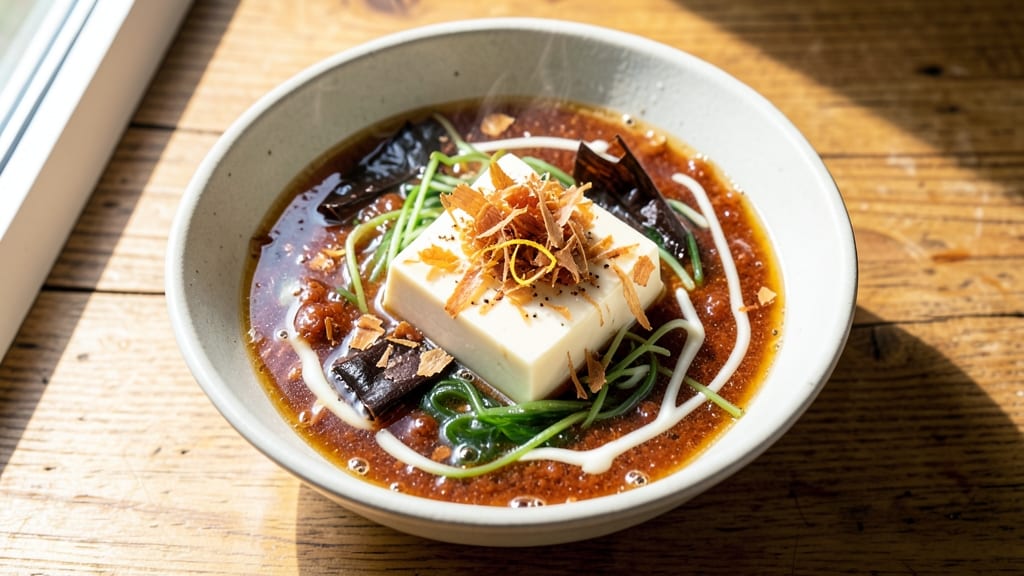
Awase miso soup brings the comforting essence of Japanese home cooking to your table with its perfect balance of umami-rich red and white miso pastes. This traditional recipe transforms simple ingredients—silky tofu, delicate wakame seaweed, and fragrant scallions—into a harmonious bowl that's both nourishing and deeply satisfying. The key lies in the miso blend, where the earthy depth of red miso meets the gentle sweetness of white, creating a broth that's complex yet approachable.
What sets this soup apart is its adaptability—whether you stick to the classic tofu and wakame or add mushrooms, corn, or spinach for modern twists.
The process is straightforward: simmering dashi stock until fragrant, dissolving the miso paste gently to preserve its delicate flavors, and finishing with fresh herbs for brightness. It's a dish that respects tradition while inviting creativity, making it perfect for both everyday meals and special gatherings.
Each spoonful delivers a symphony of textures and tastes—silky tofu, tender seaweed, and the velvety broth that coats your palate with umami warmth. The aroma alone evokes a sense of comfort, while the preparation itself is surprisingly simple, requiring just 30 minutes of hands-on time.
This is the kind of soup that feels like a hug in a bowl, balancing simplicity with depth in every bite.
For those with dietary considerations, this recipe is naturally vegetarian, though traditional versions may contain dashi made from fish. A simple substitution of kombu (seaweed) broth ensures it's vegan-friendly while maintaining that authentic Japanese flavor profile.
Whether you're serving it as a light lunch or a starter for a larger meal, awase miso soup delivers both tradition and versatility in every serving.
Ingredients for awase miso soup
Umami-rich miso pastes, delicate seaweed, and silky tofu create this comforting Japanese classic.
| Ingredient | Amount | Notes |
|---|---|---|
| Red Miso Paste 🧂 | 2 tbsp | Fermented soybean paste for depth |
| White Miso Paste 🧂 | 2 tbsp | Sweeter, lighter miso variety |
| Silken Tofu 🍲 | 12 oz | Block form, soft texture |
| Dried Kombu Seaweed 🍃 | 1 sheet | 4x4 inches for kombu broth |
| Dried Bonito Flakes 🐟 | 1 tbsp | Vegetarian alternative: omit |
| Wakame Seaweed 🍄 | ½ cup | Dried, rehydrates quickly |
| Green Onions 🧅 | 3 whole | Thinly sliced for garnish |
| Water 💧 | 4 cups | Filtered preferred for clarity |
| Dried Shiitake Mushrooms 🍄 | 2 whole | Optional for extra umami |
| Sesame Oil 🫒 | ½ tsp | Toasted, for aroma |
| Diamond Crystal Kosher Salt 🧂 | ¼ tsp | Adjusts broth seasoning |
| Dried Shiitake Mushroom Broth 🍲 | 1 cup | Vegetarian alternative to dashi |
The miso pastes are the heart of this soup. Japanese import brands like Honten deliver the most authentic flavor, but Trader Joe's or local Asian markets carry reliable options. Red miso provides deep, earthy notes while white miso adds sweetness—never skip both. For kombu, dried sheets from specialty stores yield the best flavor; avoid pre-packaged seaweed snacks. The wakame should be bright green and free of grit. If using bonito flakes, opt for the highest quality—Japanese brands like Nisshin are ideal, though they're optional for vegetarian versions. Silken tofu should be firm but still silky—check the package for 'soft' or 'medium' labels.
No kombu? Dried shiitake mushrooms make a decent dashi substitute—simmer 2 dried shiitakes in 4 cups water for 20 minutes. Short on miso? Double the white miso and add 1 tsp soy sauce for depth. The green onions can be replaced with chives or scallions, though they add a slightly sharper bite. For extra richness, add 1 tbsp nutritional yeast when dissolving the miso. The sesame oil should be toasted, not flavored—regular sesame oil works, but Kadoya brand is a great find at Asian markets. If you can't find Diamond Crystal salt, Maldon flakes work beautifully for finishing.
Store miso pastes in airtight containers in the fridge for up to 6 months—they'll last longer at room temperature, but the fridge preserves freshness. Kombu sheets keep 1 year unopened in a cool, dark place. Rehydrated wakame lasts 3 days in the fridge, so buy fresh or freeze extras. The finished soup reheats beautifully—simmer gently for 2-3 minutes to restore its velvety texture. For meal prep, store in glass containers with a thin layer of oil on top to prevent skin formation. Freeze for up to 3 months by portioning into ice cube trays before transferring to bags.
Why You'll Love This Recipe
- No-Measure Guessing: I’ve made this soup a hundred times—just eyeball the miso. A teaspoon of red, a teaspoon of white, stir it in. The kombu soaks overnight (yes, really), and the bonito flakes add umami without measuring. It’s the kind of recipe that feels effortless once you’ve done it twice.
- Umami Bomb Combo: That first sip—salty, sweet, funky—is where this soup shines. The red miso brings depth, the white keeps it bright, and the silken tofu soaks up all the goodness like a sponge. Honestly, it’s the only soup that makes my taste buds do a happy dance.
- Lunchbox Hero: I pack this cold the next day, and it’s still perfect. The tofu holds its shape, the broth stays rich, and the kids actually eat their veggies (if I sneak them in). It’s my go-to for work lunches or school lunches—no reheating needed, just grab and go.
- Pantry Staple Magic: Between us, this recipe uses things you’re probably already buying. Miso, kombu, bonito—these ingredients last forever, and the soup itself costs pennies per serving. I’ll make four bowls for the price of one takeout meal, and it’s way better for you.
Step-by-step instructions for awase miso soup
Here's how to craft this balanced umami masterpiece with layered flavors and silky texture.
Prepare the Kombu Broth Base
In a clean pot, combine the 4 cups water with the 1 sheet dried kombu seaweed. Bring to a gentle simmer over medium heat until you see small bubbles forming at the edges. The kombu releases its mineral-rich essence into the water—this is your flavor foundation. Simmer uncovered for 5 minutes to extract maximum umami without bitterness.
Remove the kombu immediately after simmering—if left too long, it becomes bitter. Strain the broth through a fine-mesh sieve into a clean bowl, discarding the seaweed. The broth should be clear with a faint oceanic aroma. If using the 1 cup dried shiitake mushroom broth, dissolve it in ½ cup hot water separately, then combine with the kombu broth. This creates a vegetarian-friendly alternative to traditional dashi.
Rehydrate and Prepare Ingredients
While the broth simmers, prepare the 0.5 cup wakame seaweed by placing it in a heatproof bowl. Pour 1 cup hot kombu broth over the wakame and let it soak for 5 minutes. The seaweed will rehydrate and triple in size—this texture contrast is essential to awase miso's balance. Drain any excess liquid but reserve it for the soup.
Slice the 12 oz silken tofu into ½-inch cubes and set aside. Thinly slice the 3 whole green onions, separating the white and green parts. The white portions will cook in the soup while the greens will garnish at the end. If using, soak the 2 whole dried shiitake mushrooms in ½ cup hot water for 10 minutes until pliable, then slice them thinly.
Build the Miso Paste Mixture
In a small bowl, combine the 2 tbsp red miso paste and 2 tbsp white miso paste. Using a fork or small whisk, gently mix until you achieve a smooth, marbled texture—this blend creates the signature depth of awase miso. The red miso provides rich umami while the white adds brightness. Keep this mixture separate until the broth reaches 160°F—adding miso to boiling water destroys its delicate flavors.
In a separate small bowl, toast the 1 tbsp dried bonito flakes in a dry skillet over low heat for 30 seconds until fragrant. This step enhances their savory aroma without burning. Set aside to cool slightly—you'll add them just before serving for maximum freshness.
Assemble and Simmer the Soup
Return the kombu broth to medium heat and bring it to a gentle simmer. Add the 0.25 tsp Diamond Crystal kosher salt and the rehydrated wakame seaweed (with its soaking liquid). Stir once to distribute the salt evenly. The soup should now have a delicate seaweed aroma—this is your quality checkpoint.
Reduce heat to low and carefully whisk in the miso paste mixture in a figure-eight motion. This gentle incorporation prevents clumping and creates a velvety texture. Add the tofu cubes and dried shiitake mushrooms (if using) and simmer for 3-4 minutes—just enough to warm through without breaking down the tofu's delicate structure. The soup should be steaming gently with a glossy sheen.
Finish and Serve Professionally
Remove the pot from heat and let the soup rest for 2 minutes. This brief pause allows flavors to meld without further cooking. Just before serving, drizzle in the 0.5 tsp sesame oil and sprinkle with the toasted dried bonito flakes. The oil adds a nutty aroma while the bonito flakes contribute a delicate umami pop.
Divide the soup among 4 bowls, garnishing each with the sliced green onion whites and a sprinkle of green onion greens. Serve immediately with the remaining green onion whites on the side for stirring into individual bowls. The contrast between the silky tofu, tender wakame, and rich miso creates a harmonious balance in every spoonful.
Pro Tips For Making Awase Miso Soup
- Bloom the Kombu: Tear the dried kombu into 2-inch strips and soak it in cold water for 10 minutes before heating—this jumpstarts the umami without bitterness. I used to just toss it in hot water, and it always tasted like overcooked seaweed. The cold soak extracts flavor gently.
- Separate the Miso: Mix the red and white miso after removing the kombu but before adding tofu—this prevents the kombu’s tannins from clashing with the white miso’s delicate flavor. My first few batches had a weird metallic aftertaste until I realized the order mattered.
- Toast the Bonito Slowly: Sprinkle dried bonito flakes in two batches, 30 seconds apart, over the lowest heat setting—this avoids burning and lets the dashi aroma develop fully. I learned this the hard way when my soup smelled like fish campfire one time.
- Cube the Tofu Fresh: Cut silken tofu into 1-inch cubes right before serving—it stays silky and absorbs the broth better than pre-cut blocks. I used to prep it hours ahead, and it turned to mush. Fresh cubes make all the difference in texture.
Pro cooking tips for this recipe
Miso Paste Magic
The secret to authentic awase miso lies in how you blend the pastes. I always combine 2 tbsp red miso with 2 tbsp white miso in a small bowl, then gently mix with a fork until just marbled—never fully combined.
This creates pockets of rich, earthy red miso balanced with the milder white. The key is adding the miso to broth that's simmering at 160°F, not boiling, to preserve its delicate flavors. I use a thermometer for precision—this prevents the miso from "cooking off" its complexity. 🌟
Broth Temperature Control
Never let your kombu broth boil when adding miso—this destroys its delicate enzymes and creates a bitter, clumpy mess. I maintain the broth at low simmer (160°F) using a candy thermometer for accuracy. If you don't have one, look for small bubbles at the edges but no rolling boil.
The broth should taste clean and oceanic before adding miso. I also recommend straining the broth through a fine-mesh sieve to remove any kombu particles that could make the soup cloudy. ⚡
Tofu Texture Secrets
Silken tofu's delicate texture is the soul of awase miso. I cut it into ½-inch cubes right before adding to the soup to prevent sogginess. For extra silkiness, I press the tofu between paper towels for 5 minutes before cubing—this removes excess moisture without drying it out.
Add the tofu during the final 3-4 minutes of simmering so it stays creamy, not rubbery. Pro tip: If your tofu looks dry, add 1 tsp rice vinegar to the broth when you add the miso—it helps maintain moisture. 💫
Wakame Rehydration
Wakame seaweed needs proper rehydration to avoid a mushy texture. I place 0.5 cup dried wakame in a heatproof bowl and pour 1 cup hot kombu broth over it, letting it soak for exactly 5 minutes. The seaweed should triple in size but remain tender.
Drain any excess liquid but save it—the minerals in the wakame soaking water enhance the broth's depth. Never over-soak, or the wakame will turn slimy. I also recommend using organic wakame from Japanese markets for the best texture. 🍃
Finishing Touches
The final flourishes elevate awase miso from good to extraordinary. I always toast 1 tbsp bonito flakes in a dry skillet for 30 seconds until fragrant—this enhances their umami without burning. Just before serving, I drizzle 0.5 tsp toasted sesame oil and sprinkle the flakes on top.
The oil adds nutty aroma while the flakes provide a textural contrast. For vegetarian versions, omit the bonito and add 1 tsp toasted sesame seeds instead. Always serve with fresh green onions on the side for individual seasoning. 💛
Equipment Essentials
Investing in a few key tools makes awase miso soup preparation effortless. I use a stainless steel fine-mesh sieve for straining kombu broth—it removes particles without losing flavor. A candy thermometer ensures precise broth temperature control.
For miso blending, I prefer a small whisk or rubber spatula to gently combine the pastes. Don't skimp on the kombu sheets—cheap dried seaweed snacks won't deliver the same umami punch. A small skillet for toasting bonito flakes completes my essential toolkit. 🔥
Nutrition facts
Frequently asked questions
What's the difference between awase miso and regular miso soup?
Awase miso stands out because it blends both red and white miso pastes—red for deep umami and white for sweetness—creating a more complex flavor than single-miso versions. The ratio of 2 tbsp each balances richness and brightness, while traditional miso soups typically use just one type. This blend also makes awase miso more approachable for beginners since the white miso softens the intensity of the red.
Can I make this recipe vegetarian or vegan?
For a vegetarian version, simply omit the dried bonito flakes and use kombu-only broth instead of dashi. For vegan awase miso, replace the bonito with 1 tsp toasted sesame seeds and ensure your miso paste is vegan-certified (some contain fish-based enzymes). The umami will still shine through with the miso blend and wakame.
Why does my miso soup turn bitter or clumpy?
Bitter flavor usually means the kombu simmered too long or the broth boiled after adding miso. Always remove kombu after 5 minutes and add miso only when the broth reaches 160°F—never boiling. For clumps, whisk the miso paste into a small amount of warm broth first, then stir into the pot. Using lower-quality miso or over-simmering the tofu can also create off flavors.
How can I make this soup ahead of time?
Prepare the soup up to 2 days in advance by storing it in an airtight container in the fridge. When reheating, simmer gently for 3-4 minutes on low heat—never microwave, as it can make the tofu rubbery. For freezing, portion into ice cube trays, then transfer to a bag for up to 3 months. Thaw overnight in the fridge before reheating.
What ingredients can I add for extra depth?
For more umami, try adding 1 tbsp nutritional yeast when dissolving the miso or ½ cup shiitake mushrooms. For texture, include ½ cup corn kernels or 1 cup baby spinach (added at the end). A pinch of grated ginger or 1 tsp mirin enhances sweetness. Just