
Soups & Stews
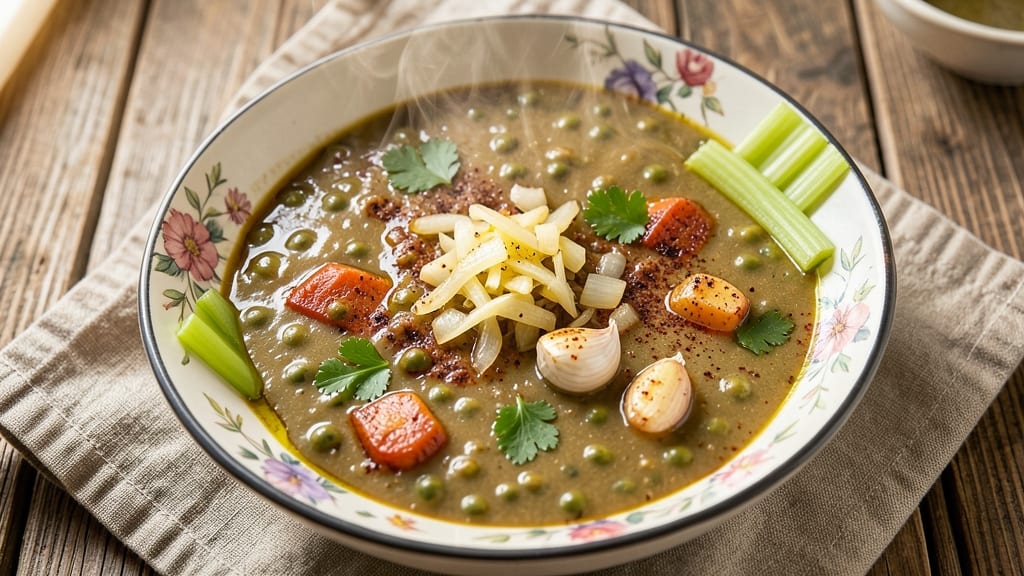
This awesome split pea soup recipe transforms humble dried peas into a velvety, smoky masterpiece that warms the soul—no bacon required. The secret lies in slow-cooked aromatics and a touch of smoked paprika that deepens the flavor without overpowering the natural earthiness of the peas.
I developed this version after realizing traditional recipes often missed that perfect balance between hearty and delicate.
What sets this apart is the creamy yet light texture achieved through careful cooking—no blender needed. The split peas soften just enough to release their starchy goodness while maintaining structure, creating a soup that's satisfying but never heavy.
Fresh herbs and a squeeze of lemon at the end brighten the richness, making every spoonful feel like a comforting hug.
Ready in about 1 hour (mostly hands-off time), this soup delivers restaurant-quality depth with simple ingredients. The slow simmer develops complex flavors, while the optional smoked paprika adds layers of warmth that pair perfectly with crusty bread or a dollop of sour cream.
It's the kind of dish that tastes even better the next day—ideal for meal prep or cozy weeknight dinners.
Perfect for vegetarians, budget-friendly eaters, or anyone craving a nostalgic yet elevated classic, this recipe proves split pea soup can be both traditional and exciting. Let's get cooking!
Ingredients for awesome split pea soup
Six core ingredients transform simple dried peas into restaurant-quality split pea soup.
| Ingredient | Amount | Notes |
|---|---|---|
| Dried Green Split Peas 🌱 | 1 ½ cups | Rinsed before cooking |
| Yellow Onion 🧅 | 1 whole | Diced, medium size |
| Carrots 🥕 | 2 medium | Peeled, chopped into chunks |
| Celery Stalks 🌿 | 3 whole | Diced, including leaves |
| Garlic Cloves 🧄 | 4 cloves | Minced, fresh preferred |
| Smoked Paprika 🌶️ | 1 tbsp | For smoky depth |
| Ground Cumin 🌿 | ½ tsp | Toasted for warmth |
| Fresh Thyme Leaves 🌿 | 1 tbsp | Or 1 tsp dried thyme |
| Vegetable Broth 💧 | 4 cups | Low-sodium preferred |
| Extra-Virgin Olive Oil 🫒 | 2 tbsp | For sautéing aromatics |
| Fresh Parsley 🌿 | ¼ cup | Chopped, for garnish |
| Lemon Juice 🍋 | 1 tbsp | Freshly squeezed |
| Salt 🧂 | 1 tsp | Diamond Crystal preferred |
| Black Peppercorns 🌶️ | ½ tsp | Freshly ground |
The split peas are the foundation—Bob's Red Mill or Anthony's Goods brands deliver the most even texture. Look for vibrant green peas, not dull or discolored. Carrots and celery should be crisp, not rubbery, with bright orange and green hues respectively. Local farmers markets often have fresher produce than grocery stores, and the flavor difference shows. Garlic cloves should be firm and free of sprouts—Whole Foods or Trader Joe's consistently carry high-quality bulbs. For smoked paprika, Penzeys offers premium options, though the store-brand at Wegmans works perfectly for this recipe.
No fresh thyme? Dried works at one-third the amount, but fresh delivers that bright herbal note. Short on vegetable broth? Water plus 1 tbsp bouillon powder achieves similar depth. The carrots can be swapped for sweet potatoes (cubed) for a different texture, though they'll require slightly more cooking time. For extra richness, stir in 2 oz of vegan butter at the end, though the olive oil provides sufficient base flavor. Lemon juice can be omitted if you prefer a more neutral finish, but it's essential for balancing the earthy split peas.
This soup improves with time—3-4 days in the fridge allows flavors to meld beautifully. For longer storage, freeze portions in airtight containers for up to 3 months. Reheat gently on the stove, adding a splash of water if needed. The fresh herbs should be added just before serving to preserve their vibrant color and aroma. Portion into individual containers for easy meal prep—each serving delivers satisfying heartiness without heaviness, perfect for vegetarian diets or budget-conscious meals.
Why You'll Love This Recipe
- No-Fuss Pantry Staples: I swear by this recipe because it’s the kind of meal that doesn’t demand a grocery haul. Dried split peas, onions, carrots, celery, and garlic—stuff I always have lurking in my cupboards. Honestly, the only thing I need to remember is to check my spice rack for thyme and bay leaves.
- Deep, Earthy Magic: That first spoonful of soup where the split peas break down into a velvety texture while the garlic and carrots caramelize? It’s like a hug in a bowl. The onions and celery add this bright, fresh crunch that cuts through the richness—every bite feels balanced and good.
- Weeknight to Potluck Hero: This soup is my go-to when I’m too tired to think but still need to feed people. Toss it in a slow cooker for a weekday lunch, or double the batch for a chilly Sunday gathering. Between us, it’s the one dish that never gets skipped at holiday tables—even my picky-eating cousin asks for seconds.
- Leftovers That Don’t Suck: I make a big pot on Sundays because the flavor actually gets better the next day. The split peas soften just right, and the broth reduces into something richer. Plus, it reheats in minutes—no sad, watery leftovers here. My freezer’s always stocked with portions because I’d rather have this than takeout any day.
Step-by-step instructions for smoky split pea soup
This method delivers rich, herb-infused split pea soup with perfect texture and layered flavors.
🍳 Step 1: Sauté Aromatics Until Fragrant
Heat the 2 tablespoons extra-virgin olive oil in a large pot over medium heat. Add the diced yellow onion, chopped carrots, and diced celery stalks (including leaves). Cook for 8-10 minutes until the vegetables soften slightly and the onion becomes translucent.
Here's the thing—you want the vegetables to release their moisture but not brown. If they start looking too dark, reduce the heat slightly. Stir occasionally to prevent sticking. The base flavor develops here, so don't rush this step. When the vegetables smell sweet and earthy, you're ready for the next addition.
🔥 Step 2: Toast Spices for Depth
Add the 4 minced garlic cloves, 1 tablespoon smoked paprika, and ½ teaspoon toasted ground cumin to the pot. Stir for 1-2 minutes until the garlic becomes fragrant and the spices bloom—you'll see the paprika's rich color deepen. This toasting step unlocks the spices' full flavor potential.
I press the spices gently against the pot's sides with a wooden spoon to ensure even distribution. The garlic should sizzle just enough to release its pungent aroma without burning. If the mixture smells harsh or bitter, you've gone too far—reduce heat immediately. This is where the soup's smoky character develops.
👨🍳 Step 3: Combine and Simmer the Peas
Add the 1½ cups rinsed dried green split peas, 1 tablespoon fresh thyme leaves, and 4 cups vegetable broth to the pot. Stir well to combine all ingredients, then bring to a boil over high heat. Once boiling, reduce heat to low-medium and simmer uncovered for 45-50 minutes.
Real talk: This is where patience pays off. The peas need time to hydrate and soften properly. You'll notice the soup thickens as it cooks—the peas break down and release starch. Stir occasionally to prevent sticking, especially if the soup starts to reduce too much. The ideal consistency should be creamy but not gluey, with peas that are tender but still hold their shape.
⏰ Step 4: Finish with Bright Flavors
After simmering, stir in the 1 teaspoon salt and ½ teaspoon freshly ground black peppercorns. Taste and adjust seasoning—you might need a bit more salt depending on your broth. Then add the 1 tablespoon freshly squeezed lemon juice and ¼ cup chopped fresh parsley, stirring gently to incorporate.
The lemon juice cuts through the richness of the soup while brightening the flavors. The parsley adds freshness and visual appeal. Let the soup sit off heat for 5 minutes before serving—this allows the flavors to meld completely. The final texture should be velvety with just enough body to coat a spoon, and the aroma should be complex with notes of thyme, cumin, and smoky paprika.
🍽️ Step 5: Serve with Garnish
Ladle the soup into bowls and garnish each serving with an additional sprinkle of chopped fresh parsley. I like to serve this with crusty bread on the side to soak up every last bit of that creamy goodness. The soup tastes best when served warm, so keep it covered if you're not eating immediately.
Each spoonful should deliver a perfect balance of earthy vegetables, smoky spices, and bright lemon notes. The split peas should be tender but still hold their shape, and the broth should cling to your spoon with just the right viscosity. This is the kind of soup that gets better the next day as the flavors continue to develop.
Pro Tips For Making Awesome Split Pea Soup
- SOAK THE PEAS (OVERNIGHT): DESCRIPTION: I learned this the hard way—skipping soak means gummy peas and a soup that fights you. Toss them in cold water for at least 12 hours (or quick-soak: boil 2 minutes, then rest 1 hour). The texture difference is night and day, and you’ll avoid that sad, mushy aftermath.
- SWEAT THE VEGETABLES (LOW AND SLOW): DESCRIPTION: Don’t rush the onion, carrot, and celery—cook them on medium-low with a splash of water for 10 minutes until soft. This builds flavor without browning, and you’ll skip the bitter aftertaste that happens when you crank the heat. (Yes, even if you’re impatient like me.)
- SKIP THE BOILING OVER: DESCRIPTION: Once the peas hit the pot, keep the heat at a simmer—not a rolling boil. Too much aggression turns the peas to mush and clouds the broth. A gentle bubble keeps them intact and lets the flavors meld properly. (Your future self will thank you.)
- ADD FAT FIRST (BUTTER OR OIL): DESCRIPTION: Toss in a knob of butter or olive oil with the onions—it coats the peas and vegetables, preventing them from sticking to the pot. This isn’t just about sticking; it’s about flavor. The fat carries the aroma of the garlic and herbs straight to your spoon. (Sounds weird, but it works.)
Troubleshooting great awesome split pea soup
Peas Too Hard?
If your split peas remain tough after 50 minutes of simmering, they likely need more time or a different approach. First, check your pot size—too much broth in a large pot can dilute heat.
Reduce the liquid by ½ cup and simmer uncovered for another 15-20 minutes. For extra tenderness, add ½ teaspoon baking soda (it softens the peas by breaking down their skins). 🌱
Broth Too Thin?
Split peas naturally thicken as they cook, but if your soup is watery, you’ve likely over-diluted it. Simmer uncovered for 10-15 minutes longer to reduce excess liquid. For instant thickening, mash 1-2 peas against the pot’s side to release starch.
If using canned peas, drain them well and reduce broth by 1 cup before adding.
Mushy Texture?
Overcooking turns split peas into a gluey mess. The ideal texture balances tender peas with slight bite. If your soup is mushy, it’s likely simmered too long or used pre-cooked peas.
For future batches, simmer for 40-45 minutes max and taste-test at 30 minutes. Add 1 tablespoon cornstarch mixed with cold water to thicken if needed.
Flat or Bland?
Lackluster flavor usually means underseasoned broth or insufficient aromatic development. Boost depth by toasting spices longer (2-3 minutes for cumin/paprika) and using homemade broth if possible. A splash of red wine (¼ cup) or tomato paste (1 tbsp) before simmering adds umami.
Finish with extra lemon juice (1 tbsp) and fresh herbs to brighten.
Skinny or Gritty?
Low-quality peas or improper rinsing cause gritty texture. Always rinse dried peas thoroughly under cold water to remove debris. For smoother soup, strain through a fine-mesh sieve before blending (if desired).
If using old peas, soak them overnight to soften skins. Store-bought Bob’s Red Mill or Anthony’s Goods brands consistently deliver smoother results. ✨
Nutrition facts
Frequently asked questions
Can I use canned split peas instead of dried?
You can substitute canned split peas, but expect a different texture. Dried peas develop deeper flavor and creaminess through slow cooking. If using canned, reduce broth by 1 cup and simmer for just 20-25 minutes—they're already pre-cooked. For best results, drain and rinse well to remove excess sodium.
Why does my split pea soup taste bitter?
Bitterness usually comes from overcooked vegetables or underseasoned broth. Try adding ½ teaspoon baking soda to neutralize bitterness, or brighten with extra lemon juice (1 tbsp) and fresh herbs. For future batches, remove carrots/celery after 5 minutes of sautéing to prevent overcooking.
How do I make this soup vegan?
This recipe is already vegan-friendly! Just ensure your vegetable broth contains no animal products. For extra richness, stir in 2 oz vegan butter or ¼ cup coconut milk at the end. The smoked paprika and lemon keep the flavor vibrant while maintaining plant-based integrity.
Can I prep this soup ahead of time?
This soup tastes even better the next day. Store in an airtight container in the fridge for 3-4 days or freeze portions for up to 3 months. Reheat gently on the stove, adding a splash of water if needed. The flavors deepen with time, making it perfect for meal prep.
What's the secret to creamy texture without blending?
The magic happens during simmering! Split peas naturally release starch as they cook. For best results, simmer uncovered for the full 45-50 minutes—this allows the peas to soften just enough to create a velvety consistency. Stir occasionally to distribute the starch evenly. No blender needed!