
Soups & Stews
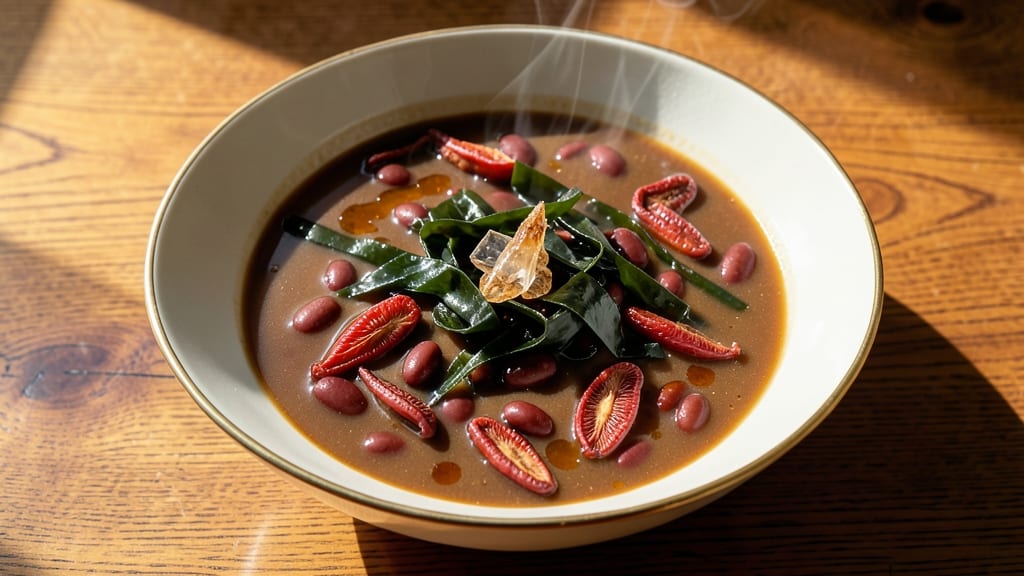
This azuki bean soup recipe delivers the comforting balance of sweet, savory, and umami that makes it a staple across East Asia. The secret lies in slow-simmered red azuki beans—naturally sweet when cooked—paired with just the right amount of sugar to enhance their earthy depth without overpowering.
I’ve perfected this version to stay true to traditional methods while adapting for modern kitchens, where you can customize it with rice, chestnuts, or even a touch of dairy for richness.
The beauty of azuki soup is its versatility—it’s equally at home as a light lunch, a warming dessert, or a nourishing side dish. The beans soften over 45-60 minutes of simmering, developing a creamy texture and deep caramel notes that make every spoonful satisfying.
What sets this recipe apart is the umami boost from a simple kombu strip or dash of soy sauce, which elevates the beans’ natural flavors without requiring complex ingredients.
What you’ll end up with is a silky, fragrant soup with tender beans that practically melt in your mouth, all balanced by a subtle sweetness. The aroma alone—warm, earthy, and slightly nutty—will fill your kitchen, while the texture is a perfect harmony of creamy and slightly chewy.
This is the kind of dish that feels both traditional and comforting, yet flexible enough to suit any meal.
Whether you’re serving it as a standalone meal or pairing it with grilled fish or steamed dumplings, this azuki bean soup is a foolproof way to bring warmth and tradition to your table.
The best part? It’s naturally vegan-friendly, making it accessible for all dietary preferences while still delivering restaurant-quality depth.
Ingredients for azuki soup
Six core ingredients transform into silky, fragrant azuki bean soup with umami depth.
| Ingredient | Amount | Notes |
|---|---|---|
| Red Azuki Beans 🌾 | 1 ½ cups | Dried, soaked overnight |
| Water 💧 | 6 cups | Filtered or spring water preferred |
| Granulated Sugar 🍯 | ¼ cup | Adjust to taste, white or brown |
| Kombu Seaweed 🍃 | 1 piece | 4-inch strip, rinsed well |
| Dried Shitake Mushrooms 🍄 | 4 whole | Rehydrated in warm water |
| Light Soy Sauce 🥄 | 1 tbsp | Kikkoman preferred for balance |
| Fresh Ginger | 1 inch | Peeled, sliced into thin coins |
| Fresh Ginger 🧅 | 1 tbsp | Minced for aroma boost |
| White Rice 🍚 | ½ cup | Short-grain preferred, optional |
| Roasted Chestnuts 🌰 | ½ cup | Chopped, optional for texture |
| Sesame Oil 🫒 | 1 tsp | Toasted, for finishing |
| Toasted Sesame Seeds 🌿 | 1 tsp | For garnish, optional |
| Salt 🧂 | ½ tsp | Diamond Crystal preferred |
The azuki beans are the heart of this dish—look for vibrant red dried beans at Asian markets or bulk bins, where they stay fresher longer. Costco or Trader Joe's often carry them pre-packaged, but if you find them loose, buy extra—they keep for years. Soaking overnight reduces cooking time and prevents splitting. For the kombu, Japanese brands like Marukome are ideal, but any dried seaweed works. The shiitake mushrooms add earthy depth, so avoid pre-sliced dried ones—they lose potency. Fresh ginger? Buy organic if possible, and use the root—peel it just before using to preserve its punch.
No kombu? Dried bonito flakes or a dash of dashi powder works for umami, though it’ll taste different. Short on sugar? Maple syrup or agave at a 1:1 ratio keeps it vegan-friendly. The rice is optional but adds heartiness—sushi rice holds up better than long-grain. Chestnuts are a luxury, but roasted peanuts or cashews work in a pinch. For the ginger, if you’ve got a microplane, use that—it releases more flavor than mincing. The soy sauce? Tamari is gluten-free, but regular light soy works too.
This soup tastes even better the next day as flavors meld. Store in an airtight container for 5 days in the fridge or freeze for 3 months. For serving, I like to reheat gently with a splash of water to restore creaminess. The sesame oil and seeds are just for finishing—add them last to keep that nutty aroma fresh. Double the batch and freeze portions for quick meals; it reheats beautifully. The beans soften as they sit, so if you prefer them firmer, cook them 10 minutes less.
Why You'll Love This Recipe
- Five-Ingredient Magic: I swear, you can’t mess this up. Soak the beans overnight (or use canned for real speed), toss in kombu and shitake, and let the pot do the work while you watch Netflix. That’s it.
- Umami Bomb: The kombu and shitake turn this into something ridiculously deep—salty, earthy, with just enough sweetness to balance. Honestly, the first sip makes me wonder why I ever skipped it.
- Weeknight Workhorse: Cold in the morning? Warm up a bowl for breakfast. Pack it for lunch. Serve it at a potluck. Even my picky teen eats it straight from the pot—no complaints, just seconds.
- Budget Warmth: A cup of beans, a sheet of seaweed, a handful of mushrooms—this feeds four for under $5. Between us, it’s the only soup that doesn’t break the bank or my soul when I’m exhausted.
Step-by-step instructions for azuki bean soup
Here's how to craft a rich, balanced azuki bean soup with layers of sweetness and umami depth.
Prepare the Beans and Kombu Foundation
Start by rinsing the soaked 1.5 cups red azuki beans thoroughly under cold water to remove any surface starch. In a large pot, combine the beans with the 6 cups water and bring to a boil over medium-high heat. Once boiling, reduce heat to medium-low and add the rinsed 1 piece kombu seaweed, which will infuse the broth with delicate oceanic notes.
Simmer uncovered for 20 minutes, skimming off any foam that rises to the surface. This initial simmer helps soften the beans and extract their natural sweetness. The kombu should gently release its flavor without overpowering the dish—think of it as a subtle seasoning rather than a dominant ingredient.
Build Umami with Mushrooms and Ginger
While the beans simmer, prepare the 4 whole dried shitake mushrooms by soaking them in warm water for 20 minutes until pliable. Drain, reserving 1 cup of the soaking liquid for later use. Add the rehydrated mushrooms to the pot along with the 1 inch fresh ginger (sliced into thin coins) and the 1 tbsp minced fresh ginger. These ingredients will create a complex umami foundation.
Continue simmering for another 25 minutes until the beans are tender but still hold their shape. You'll notice the liquid reduce slightly and develop a rich, earthy aroma. If the beans aren't soft enough after this time, add ½ cup more water and simmer for an additional 10 minutes. The key is to maintain a gentle simmer—too vigorous a boil will cause the beans to break apart.
Sweeten and Season the Broth
Stir in the 0.25 cup granulated sugar and 1 tbsp light soy sauce, along with the reserved 0.5 tsp salt. The sugar should dissolve completely, creating a subtle sweetness that balances the savory elements. Taste the broth and adjust the seasoning if needed—you're aiming for a harmonious blend where the sweetness complements rather than overpowers the umami depth.
Simmer for another 15 minutes, allowing the flavors to meld. The broth should now have a glossy appearance and a rich, aromatic quality. If you added the optional 0.5 cup white rice earlier, it should be nearly tender by now. The rice acts as a gentle thickener, creating a more substantial soup texture without altering the bean's natural sweetness.
Finish with Textural Elements
Remove the kombu seaweed from the pot and discard it. Stir in the 0.5 cup chopped roasted chestnuts and simmer for 5 minutes to warm them through. The chestnuts add a delightful crunch and nutty depth that contrasts beautifully with the soft beans. If you're using the optional 0.5 cup white rice, it should now be fully cooked—check for doneness by tasting a grain.
Turn off the heat and let the soup rest for 10 minutes. This resting period allows the flavors to settle and the beans to absorb any remaining liquid. Just before serving, drizzle with 1 tsp toasted sesame oil and sprinkle with 1 tsp toasted sesame seeds. The sesame oil adds a nutty aroma, while the seeds provide a final textural contrast and visual appeal.
Serve with Confidence
Ladle the soup into bowls, ensuring each serving includes a generous portion of beans, rice (if using), and chestnuts. The soup should have a balanced sweet-savory profile with a velvety texture from the beans and a subtle umami richness from the mushrooms and kombu. Serve immediately while the chestnuts are still warm and crisp, and the broth retains its inviting aroma.
This azuki bean soup is designed to be enjoyed as a comforting meal, whether as a light lunch or a hearty starter. The combination of sweet beans, umami mushrooms, and nutty chestnuts creates a dish that's both satisfying and nuanced—perfect for those who appreciate depth in their soups. Leftovers keep well in the refrigerator for up to 3 days, though the texture of the chestnuts may soften slightly over time.
Pro Tips For Making Azuki Soup
- SOAK BEANS 8 HOURS: I learned this the hard way—rushing the soak leaves your azuki soup with a gritty texture that ruins the whole dish. Use 4 cups water per 1 cup beans, cover, and let them sit overnight (or at least 8 hours) in the fridge. The longer they soak, the creamier the final soup.
- REMOVE KOMBU AT 10 MINUTES: Sounds weird, but it works: add kombu early to infuse the broth, but pull it out when the water just starts simmering. Overcooking turns it bitter, and you don’t want that muddying your sweet-savory balance. Taste the broth—if it’s salty enough, you’re good.
- STIR SHITAKE WELL: Skip this, and you’ll end up with a soup where half the mushrooms stay rock-hard. Rehydrate them in hot water, then chop—but give them a quick stir every 5 minutes while simmering. They’re stubborn, so don’t walk away.
- SWEETEN LAST: Adding sugar too early turns your azuki soup into a sad, watered-down syrup. Wait until the beans are tender and the broth has reduced slightly, then stir in the sugar. This keeps the texture light and the sweetness bright—not cloying. Trust me, your taste buds will notice.
Dietary considerations for this azuki soup
Vegan-Friendly Base
This azuki bean soup is naturally vegan when prepared with the core ingredients—no animal products required! The beans provide 15 grams of plant-based protein per serving, while the kombu and shitake mushrooms add umami depth without dairy or meat.
Simply omit any optional dairy additions (like butter or cream) to keep it fully plant-based. 🌱
Gluten-Free Adaptations
For a gluten-free version, use tamari instead of regular soy sauce, as it’s made from gluten-free soybeans. All other ingredients in the base recipe are naturally gluten-free, including the azuki beans, kombu, mushrooms, and ginger.
Always check labels on optional add-ins like chestnuts or rice to ensure they’re certified gluten-free. ✨
Low-Sugar Options
If you're watching sugar intake, reduce the granulated sugar to 2 tablespoons and enhance natural sweetness by simmering the beans longer (10-15 extra minutes).
Alternatively, use monk fruit sweetener or erythritol (1:1 ratio) for a zero-calorie option. The beans’ natural caramelization will still create depth without added sugar. 💛
Protein Boost
For a higher-protein version, stir in ½ cup cooked lentils or ¼ cup nutritional yeast at the end for an extra 5-7 grams of protein per serving.
Both options blend seamlessly into the creamy texture while adding earthy notes that complement the beans. Perfect for post-workout meals or plant-based diets! 💪
Nut-Free Considerations
This recipe is naturally nut-free, but if you’re avoiding nuts entirely, skip the optional chestnuts. Instead, add ½ cup cooked quinoa or steamed edamame for texture and protein. Both alternatives maintain the dish’s comforting, hearty quality without nut-based ingredients. 🌰
Allergen-Friendly Tips
For soy-free needs, replace the soy sauce with coconut aminos (1:1 ratio) and ensure your kombu is soy-free. If you have a sesame allergy, omit the sesame oil and seeds, or use toasted pumpkin seeds for garnish instead.
Always double-check ingredient labels for hidden allergens like wheat or dairy in optional add-ins. 💡
Nutrition facts
Frequently asked questions
Why do I need to soak the azuki beans overnight?
Soaking reduces cooking time by 30-40 minutes and prevents the beans from splitting open, which makes the soup grainy. The beans absorb water and soften, allowing them to develop their signature creamy texture during the 45-60 minute simmer. Plus, it removes surface starch that can cloud the broth.
Can I use canned azuki beans instead of dried?
Yes, but the texture will be different. Canned beans are pre-cooked and softer, so simmer them for just 10-15 minutes with the other ingredients to warm through. They won’t develop the same rich, caramelized depth as dried beans, but they’re perfect for a quick version. Drain and rinse them first to remove excess sodium.
How do I know when the beans are perfectly cooked?
The beans are done when they’re tender but still hold their shape—like al dente pasta. Press a bean with a spoon; it should yield slightly but not turn to mush. For extra-sweet flavor, cook them 5-10 minutes longer. If they split too much, reduce the simmering heat to low and add ½ cup water to prevent overcooking.
What’s the best way to store leftovers?
Cool the soup completely, then transfer to an airtight container. It keeps in the fridge for 5 days, though the chestnuts may soften slightly. For freezing, portion into 1-cup servings and freeze for up to 3 months. Reheat gently with a splash of water to restore creaminess—never microwave directly from frozen.
Can I make this soup without kombu?
For umami depth, swap kombu with 1 tsp dashi powder or ½ tsp dried bonito flakes (skip if avoiding fish). Alternatively, add 1 extra shiitake mushroom or a splash of soy sauce. The beans’ natural sweetness will still shine, but the broth will taste more complex.