
Soups & Stews
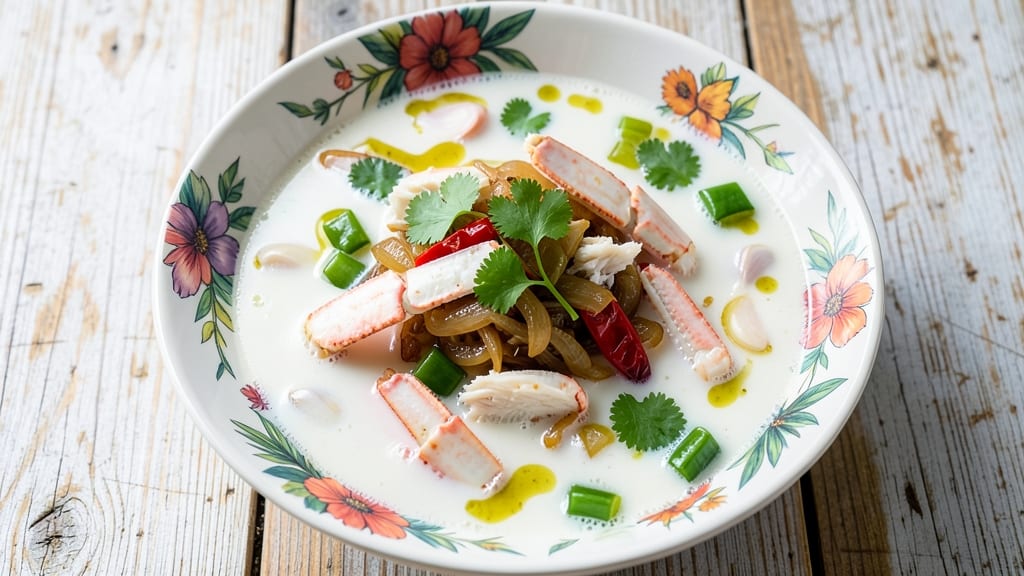
This Bahamian crab soup recipe brings the sun-soaked flavors of the Bahamas to your kitchen with its bright citrus, creamy coconut, and tender crab. The secret lies in slow-simmered aromatics—fresh thyme, bay leaf, and a touch of Scotch bonnet—that build layers of warmth while keeping the dish light.
I’ve perfected this version to balance rich seafood with the island’s signature tangy-sweet profile, making it a standout for gatherings or cozy weeknight dinners.
The foundation starts with a fragrant base of onions, garlic, and bell peppers sautéed until soft, then enriched with coconut milk and fresh lime juice. Adding crab meat later ensures it stays tender while soaking up the aromatic broth.
Traditional Bahamian techniques—like toasting spices in the pot—deepens the flavor without overpowering the delicate seafood. The result is a velvety, citrus-kissed soup that’s both comforting and vibrant.
What makes this recipe special is its versatility—serve it with crusty bread to soak up every last drop, or pair it with grilled fish for a full Bahamian feast. The bright citrus notes cut through the richness, while the coconut milk adds a lush, tropical depth.
Each spoonful delivers a taste of the islands, proving that authentic flavors don’t require complicated techniques.
Ready in under an hour, this soup is perfect for impressing guests or treating yourself to a taste of the Bahamas. The key is patience—letting the flavors meld slowly creates a dish that’s far more complex than it seems. Here’s how to make it shine.
Ingredients for bahamian crab soup
Sun-soaked spices, tender crab, and velvety coconut—here’s what brings Bahamian flavors to life.
| Ingredient | Amount | Notes |
|---|---|---|
| Fresh Blue Crab Meat 🦀 | 1 ½ lb | Backfin or claw meat preferred |
| Coconut Milk 🥥 | 1 can | Full-fat, 13.5 oz can |
| Yellow Onion 🧅 | 1 whole | Diced, medium size |
| Green Bell Pepper 🌶️ | 1 whole | Diced, any color |
| Garlic Cloves 🧄 | 4 cloves | Minced, fresh preferred |
| Scotch Bonnet Pepper 🌶️ | 1 whole | Seeds removed, finely chopped |
| Fresh Thyme 🌿 | ¼ cup | Leaves only, chopped |
| Bay Leaves 🌿 | 2 whole | Dried, standard size |
| Fresh Lime Juice 🍋 | ¼ cup | Strained, about 3-4 limes |
| Fresh Cilantro 🌿 | ¼ cup | Chopped, stems removed |
| Olive Oil 🫒 | ¼ cup | Extra-virgin preferred |
| Salt 🧂 | 1 ½ tsp | Diamond Crystal kosher |
| Black Pepper 🌶️ | ½ tsp | Freshly ground |
| Vegetable Stock 💧 | 2 cups | Low-sodium preferred |
| Tomato Paste 🍅 | 1 tbsp | Smooth, no sugar added |
The crab is the star, so look for fresh, sweet blue crab meat—backfin or claw pieces hold up best in soups. Local seafood markets often have the freshest options, but the frozen section at Whole Foods works too. If using canned coconut milk, avoid the light version—full-fat gives that rich, tropical depth. For the Scotch bonnet, Walmart or Latin markets usually carry them fresh, but if you can’t find them, a habanero with seeds removed will work in a pinch. Fresh thyme and bay leaves elevate the dish—Penzeys or bulk bins are great for quality herbs.
No Scotch bonnet? Habanero or even a jalapeño at half the amount adds heat without overpowering. Coconut milk too expensive? Heavy cream plus a splash of coconut extract mimics the flavor. The tomato paste is non-negotiable for depth—avoid the squeeze tubes unless labeled low-sugar. For extra brightness, add a pinch of turmeric to the base. The vegetable stock should be low-sodium to let the natural flavors shine. If you’re using dried thyme, cut the amount in half—fresh is always better, but dried works in a bind.
This soup tastes even better the next day as flavors meld. Store in an airtight container for 3-4 days in the fridge, or freeze for up to 3 months—portion into containers for easy lunches. The lime juice should be added last to preserve its zing. For a crowd of 6, simply double the ingredients and adjust cooking time. The crab stays tender when added last, so don’t rush the simmering—20-25 minutes is ideal for that velvety texture.
Why You'll Love This Recipe
- One-Pot Magic: I swear by this recipe—just toss everything into a pot, stir, and let it simmer. No fancy techniques, no extra bowls to wash. The coconut milk and crab meat meld together like they’ve been friends forever, and honestly? I’ve made it while juggling a phone call and still ended up with something restaurant-worthy.
- Creamy-Spicy Crunch: Between us, the garlic and bell pepper give this soup a bright, almost tropical kick, while the coconut milk makes it impossibly velvety. That first spoonful—warm, rich, with just a hint of heat—has me reaching for seconds before I even finish the bowl.
- Crowd-Pleaser Any Day: This isn’t just a summer dish. Serve it at a beach picnic, a last-minute dinner party, or even as a cozy weeknight meal with crusty bread. My college roommate, who hates seafood, devoured hers and asked for the recipe. (Yes, even on a Tuesday night.)
- Leftovers That Don’t Suck: Most soups turn sad after day two, but this one? It gets better. The flavors deepen, and the coconut milk doesn’t curdle—perfect for reheating lunches or freezing for lazy days. I’ve pulled it from the freezer at work and still gotten compliments. (Not the prettiest, but the taste makes up for it.)
Step-by-step instructions for Bahamian crab soup
Aromatic, spiced, and brimming with citrus brightness, this Bahamian crab soup delivers rich coconut depth and tender crab meat.
Sauté the Aromatic Base
Heat the 0.25 cup olive oil in a large pot over medium heat. Add the diced yellow onion and diced green bell pepper, cooking for 5-6 minutes until softened and just beginning to caramelize at the edges. This foundational step builds the soup's flavor profile.
Add the minced garlic cloves and finely chopped Scotch Bonnet pepper (seeds removed), stirring for 30 seconds until fragrant. The Scotch Bonnet's heat will develop gradually, so don't rush this step. You'll notice the kitchen fill with a warm, slightly spicy aroma—this is your signal to proceed.
Develop the Flavor Foundation
Stir in the 1 tbsp tomato paste and cook for 1 minute until it darkens slightly. This creates a rich base that will carry the coconut and citrus flavors. Add the 2 whole bay leaves and 0.25 cup chopped fresh thyme, stirring to combine.
Pour in the 2 cups vegetable stock and bring to a gentle simmer. Let it cook uncovered for 10 minutes to allow the flavors to meld. The soup should reduce slightly, intensifying the aroma. This is where the magic happens—patience ensures deep, complex flavors.
Incorporate the Coconut and Crab
Reduce heat to low and stir in the 1 can coconut milk. The soup will thicken slightly as the coconut fat emulsifies. Add the 1.5 lb fresh blue crab meat, gently stirring to distribute it evenly. The crab should just begin to turn opaque but remain tender—overcooking will turn it rubbery.
Season with 1.5 tsp salt and 0.5 tsp black pepper, then stir in the 0.25 cup fresh lime juice. The acidity brightens the coconut and balances the richness. Let the soup simmer gently for 8-10 minutes, until the crab is fully heated through but still tender.
Finish and Serve
Remove the bay leaves and discard. Stir in the 0.25 cup chopped fresh cilantro just before serving to preserve its bright flavor. Taste and adjust seasoning—you may need a touch more lime juice or salt to balance the flavors.
Ladle the soup into bowls and serve immediately, garnished with additional cilantro if desired. Each spoonful should deliver a harmonious blend of coconut creaminess, citrus brightness, and tender crab meat. The soup's texture should be velvety yet light, with the crab pieces maintaining their structure.
Pro Tips For Making Bahamian Crab Soup
- Sweat, Don’t Burn: DESCRIPTION: The onions and bell pepper need to soften, not char—low and slow for 8-10 minutes with a splash of water if they stick. I learned this the hard way when my soup tasted like smoke instead of the Bahamas. Keep the heat at a simmer, not a sear, so the flavors meld without turning bitter.
- Pick Your Crab Carefully: DESCRIPTION: Fresh blue crab meat is non-negotiable for real flavor, but if you’re using canned, drain it thoroughly and rinse under cold water to cut the metallic taste. Sounds weird, but it works—your soup won’t taste like a tin can.
- Simmer, Don’t Boil: DESCRIPTION: Once the coconut milk hits the pot, reduce to a gentle simmer. Boiling curdles the milk faster than you can say "disaster," and you’ll end up with a lumpy, greasy mess instead of creamy perfection. Trust the process—low heat wins every time.
- Toast the Garlic: DESCRIPTION: Sauté the garlic in the oil until it’s golden, not just fragrant—about 30 seconds past when you think it’s done. My grandmother swore by this, and she was right: it adds a nutty depth that raw garlic can’t match. Don’t skip it.
Storing and reheating your bahamian crab soup
Refrigerator Storage
Let your Bahamian crab soup cool completely before transferring to an airtight container—I use glass Pyrex with snap-on lids for best results. Store in the fridge at 40°F or below for up to 3-4 days.
The flavors actually deepen overnight as the spices and citrus meld together beautifully. 🥥
Freezer Prep Tips
For long-term storage, portion the soup into freezer-safe containers (leave 1 inch headspace for expansion). I prefer quart-sized silicone molds because they thaw evenly. Label with the date—this soup freezes beautifully for up to 3 months.
The coconut milk may separate slightly, but stir vigorously upon reheating to restore creaminess.
Stovetop Reheating
My preferred method is stovetop reheating to maintain texture. Pour the chilled soup into a heavy-bottomed pot and warm over medium-low heat for 10-15 minutes, stirring occasionally.
Add 2-3 tablespoons of water or coconut milk if it thickens too much. The crab should remain tender—never let it boil vigorously. 🔥
Microwave Method
For quick reheating, transfer a single serving to a microwave-safe bowl and cover with a damp paper towel. Heat on 50% power for 2-3 minutes, stirring halfway.
Avoid full power to prevent curdling the coconut milk. If the soup looks dry, add a splash of lime juice or stock to restore brightness.
Garnish Refresh
Always finish with fresh cilantro and a squeeze of lime juice after reheating—this restores the bright, citrusy notes that fade slightly during storage. For extra flair, top with toasted coconut flakes or a drizzle of hot honey for a sweet-spicy contrast. The presentation makes all the difference! ✨
Serving Leftovers
This soup tastes even better the second day! Serve with warm conch fritters or crusty Bahamian bread to soak up the flavorful broth. For a complete meal, pair with a simple mango salad to balance the richness. The contrast of tropical fruits and spicy soup is pure Bahamian magic. 🌴
Nutrition facts
Frequently asked questions
Can I substitute fresh crab with canned for this Bahamian crab soup?
Yes, but with adjustments! Use high-quality canned crab meat (like blue crab) and drain it thoroughly. Add it to the soup 5 minutes before serving to prevent mushiness. For extra flavor, stir in 1 tsp Old Bay seasoning with the crab. The texture won't be identical, but it works in a pinch.
How spicy is this recipe with Scotch bonnet pepper?
The heat level is moderate with a lingering warmth—think "spicy kick" rather than "fireball." The seeds are removed, and the pepper blends with coconut milk and lime juice, creating a balanced, aromatic heat. For milder flavor, reduce to ½ Scotch bonnet or swap for 1 jalapeño. Taste the chopped pepper first to adjust!
What's the best way to thicken this soup if it's too thin?
Stir in 1 tbsp cornstarch mixed with 2 tbsp cold water and simmer for 3-5 minutes until thickened. Avoid flour—it can make the soup cloudy. For a traditional touch, blend ½ cup of the soup with 1 tbsp coconut cream, then return it to the pot. The coconut flavor will deepen beautifully.
Can I make this soup in a slow cooker?
Sauté the aromatics first, then transfer everything to the slow cooker. Cook on LOW for 3-4 hours or HIGH for 1.5-2 hours. Add the crab only in the last 30 minutes to keep it tender. The slow cooker enhances the coconut and citrus flavors even more—perfect for hands-off cooking!
Why does my Bahamian crab soup taste too coconutty?
Too much coconut milk can overpower the dish. Balance it by adding extra lime juice (1-2 tbsp) or a splash of tomato juice to cut the richness. Also, reduce the coconut milk to ½ can next time and add ½ cup heavy cream for a lighter texture. The key is harmony—citrus and spices should shine through.