
Soups & Stews
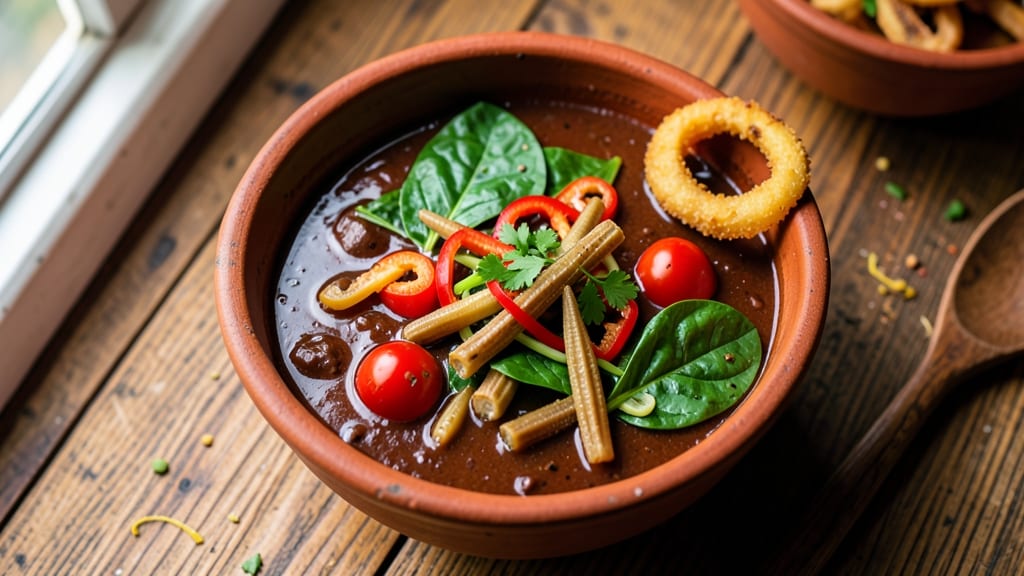
This Banga soup recipe Nigeria brings the rich, velvety comfort of West African home cooking to your kitchen. 🌟 Born from generations of Nigerian tradition, it combines tender beef, aromatic okra, and leafy greens into a soup so flavorful it becomes a centerpiece for any meal.
I first tasted it in a Lagos home kitchen and knew it deserved a place in my own cooking repertoire—now I'm sharing the secrets to make it authentically at home.
The soul of Banga lies in its slow-simmered base, where okra thickens the broth into a luxurious, slightly stringy texture that coats every spoonful. Traditional recipes call for beef or tripe, but fish or goat work beautifully too.
Leafy greens like spinach or pumpkin leaves add vibrant color and earthy depth, while a blend of spices creates that signature West African warmth. The key? Patience—this isn't a quick soup, but the results are worth every minute of simmering.
What you'll create is a restaurant-quality Banga with tender meat, perfectly blended okra broth, and greens that stay vibrant. The aroma alone will have everyone gathering around the table, and each bite delivers layers of umami, spice, and freshness.
It's the kind of dish that feels like a hug in a bowl, perfect for family gatherings or when you want to share Nigerian hospitality with friends.
Serve it with pounded yam, eba, or rice to soak up every last drop of that velvety broth. The recipe includes all the traditional techniques—slow simmering, proper blending, and careful seasoning—to ensure authentic flavor. Let's get cooking and bring a taste of Nigeria to your home!
Ingredients for banga soup recipe nigeria
Six servings of velvety goodness—just these ingredients transform into Nigeria's soulful Banga.
| Ingredient | Amount | Notes |
|---|---|---|
| Beef Tripe 🥩 | 1 ½ lb | Cut into 1-inch pieces |
| Dried Okra 🌿 | 1 cup | Soaked in warm water |
| Fresh Spinach 🌱 | 2 cups | Packed, stems removed |
| Pumpkin Leaves 🌿 | 2 cups | Chopped, fresh or frozen |
| Onions 🧅 | 2 whole | Medium, chopped |
| Fresh Tomatoes 🍅 | 4 whole | Medium, blended |
| Garlic Cloves 🧄 | 6 cloves | Minced, fresh preferred |
| Scotch Bonnet Peppers 🌶️ | 2 whole | Seeds removed, chopped |
| Ground White Pepper 🌶️ | 1 tsp | Freshly ground preferred |
| Ground Nutmeg 🌿 | ½ tsp | Freshly grated |
| Coconut Milk 🥥 | 13 ½ oz | Full-fat canned |
| Palm Oil 🫒 | ½ cup | Red palm oil preferred |
| Salt 🧂 | 1 ½ tsp | Adjust to taste |
| Fish Stock 🐟 | 4 cups | Homemade or quality store-bought |
The tripe is the star here, so look for fresh, clean cuts at your local African market or butcher shop. Ebeye Market in Lagos or specialty stores like African World Market carry it pre-cut, which saves time. If you can't find tripe, beef or goat stew meat works beautifully—just cut it into similar-sized pieces. The okra? Dried is traditional, but fresh works too—just soak it first. For the greens, pumpkin leaves are ideal, but spinach or kale in a pinch won't disappoint. The scotch bonnet peppers? Don't skip the seeds if you love heat—leave them in for that authentic Nigerian kick.
No palm oil? Coconut oil or vegetable oil works in a pinch, but the flavor won't be quite the same. Running short on fish stock? Vegetable broth with a splash of soy sauce gets you close. Fresh tomatoes? Canned San Marzano tomatoes are a lifesaver when you're in a hurry—just blend them with a little water. The coconut milk can be swapped for cashew milk or extra coconut cream if you want it richer. And if you can't find scotch bonnet peppers, jalapeños or habaneros will give you that spicy punch, just adjust the amount to taste.
This soup tastes even better the next day—make extra if you can. Store it in the fridge for up to 5 days, or freeze portions for 3 months. The okra thickens as it sits, so you might need to add a splash of water when reheating. For serving, keep the palm oil and peppers on the side so everyone can adjust to their spice preference. The greens will wilt slightly when reheated, but a quick stir with a little hot water brings them back to life.
Why You'll Love This Recipe
- Tripe’s Secret Friend: The beef tripe softens into melt-in-your-mouth perfection—no tough chewing, just rich, gelatinous goodness. Honestly, the first time I made this, I was skeptical, but after the first bite? Total conversion.
- Okra’s Magic Thickener: Dried okra turns this soup into a velvety dream without constant stirring. I’ll be real: my first attempt was gloppy, but once I soaked the okra properly, the broth thickened just enough to coat every spoonful—no lumps, no fuss.
- Feeds the Whole House: Pumpkin leaves and spinach bulk it up fast, so you’re not stuck with sad leftovers. Between us, this is my go-to for Sunday gatherings—plenty for seconds, and the kids actually finish their plates.
- Budget Meal That Lasts: Tripe’s cheap, the greens stretch forever, and the flavor only gets better the next day. I make a double batch on Saturdays, and by Wednesday, it’s still the star of my lunch—just reheat and enjoy.
Step-by-step instructions for Banga soup
Let's create this rich, spicy West African delight with tender tripe and vibrant greens.
🔥 Step 1: Prepare the Tripe and Build the Base
In a large pot, combine the 1.5 lb beef tripe cut into 1-inch pieces with 4 cups fish stock. Bring to a boil over medium-high heat for 5 minutes to blanch the tripe, then drain and rinse thoroughly with cold water. This removes impurities and makes the tripe more tender.
Return the tripe to the pot and add 0.5 cup palm oil. Heat on medium heat for 3-4 minutes until the oil shimmers. Add the 2 whole onions (chopped) and cook for 5 minutes until soft and translucent. Stir in the 6 cloves garlic and 2 whole Scotch Bonnet peppers (chopped), cooking for another 2 minutes until fragrant. This aromatic base forms the flavor foundation of your soup.
👨🍳 Step 2: Develop the Okra and Tomato Sauce
Add the 1 cup dried okra (soaked and drained) to the pot. Cook for 8-10 minutes on medium heat, stirring occasionally, until the okra softens and begins to thicken the sauce. This step creates that signature velvety texture that sets Banga Soup apart.
Next, pour in the 4 whole fresh tomatoes (blended) and cook for 10 minutes on medium heat. The tomatoes will break down into a rich, slightly sweet sauce that balances the heat from the Scotch Bonnet peppers. Stir in 1.5 tsp salt, 1 tsp ground white pepper, and 0.5 tsp ground nutmeg, mixing well to distribute the seasonings evenly throughout the sauce.
🥘 Step 3: Incorporate the Leafy Greens and Coconut Milk
Add the 2 cups fresh spinach and 2 cups pumpkin leaves to the pot. Stir gently to wilt the greens, which should take about 3-4 minutes on medium heat. The greens should soften but still retain some texture—don't overcook them or they'll turn mushy.
Pour in the 13.5 oz coconut milk and stir well. Simmer the entire soup for 15-20 minutes on low heat, allowing the flavors to meld together. The coconut milk adds a creamy richness that perfectly complements the spicy and savory elements of the soup. Taste and adjust seasoning if needed—you might want to add a pinch more salt or nutmeg to taste.
⏰ Step 4: Simmer and Serve with Perfect Texture
Once the soup reaches your desired consistency and flavor profile, remove it from heat. Let it rest for 5 minutes to allow the flavors to settle. The soup should be thick enough to coat the back of a spoon but still have a light, velvety texture.
Serve the Banga Soup hot, accompanied by pounded yam, fufu, or swallow. The soup's rich, spicy, and slightly creamy profile makes it a satisfying meal on its own, but these traditional accompaniments enhance the dining experience. Remember, the longer the soup sits, the more flavorful it becomes—so don't hesitate to let it rest before serving!
Pro Tips For Making Banga Soup Recipe Nigeria
- TRIPE FIRST, ONIONS LATER: Don’t let the tripe sit in water with onions—it’ll turn mushy. After blanching, drain and set aside, then build your soup base with onions, tomatoes, and spices before adding the tripe back. I learned this the hard way when my first batch turned into a watery stew.
- SOAK DRIED OKRA RIGHT: Toss dried okra in hot water for 10 minutes before adding it to the pot—this softens the seeds and prevents that weird grittiness. Skip this, and you’ll end up picking out little black specks like a dental floss commercial.
- LOW AND SLOW FOR LEAVES: Pumpkin leaves and spinach need gentle heat or they’ll turn to sludge. Once the tripe is tender (about 1.5 hours), add the greens and simmer on the lowest heat possible—just enough to keep a slow bubble. I used to rush this, and the leaves would collapse into a sad, slimy mess.
- SALT THE TRIPE TWICE: Sprinkle salt before blanching the tripe, then add another pinch when you return it to the pot. This keeps the meat from tasting bland after hours of cooking. (Yes, even if you’re impatient like me.)
Troubleshooting great banga soup recipe nigeria
Tripe Too Tough?
If your tripe remains chewy after cooking, it likely needs more time in the pot. After the initial blanching, return it to the simmering broth and cook for an additional 30-45 minutes on low heat.
The key is patience—tripe should be fork-tender, not rubbery. I've found that adding a 1-inch piece of ginger to the broth during this extended cook time helps tenderize it further. 💪
Okra Not Thickening?
Dried okra needs proper soaking and cooking time to release its natural thickening properties.
Broth Too Watery?
Banga soup should have that signature velvety texture, so if your broth is too thin, don't panic. Simmer the soup uncovered for an additional 10-15 minutes—the liquid will reduce naturally. For quicker results, blend ½ cup of the pumpkin leaves with ¼ cup of the broth and stir it back in. The natural pectin in the leaves helps thicken the soup beautifully. Just be careful not to over-blend or you'll end up with a puree instead of a soup!
Greens Turning Mushy?
Leafy greens like spinach and pumpkin leaves cook quickly and can turn to mush if left unattended. The secret is to add them late in the cooking process and stir them in gently. Once they're wilted but still slightly crisp (3-4 minutes), remove them from heat immediately.
If they do turn mushy, try adding them in batches—start with 1 cup and let it cook while you prepare the rest separately. This way, you can control the texture perfectly. 🥗
Spice Level Off?
If your Banga soup isn't spicy enough, it's likely because the Scotch Bonnet peppers weren't cooked long enough to release their heat. Simmer the soup for an additional 5-10 minutes to let the flavors meld.
For extra kick, add ½ tsp of cayenne pepper or a pinch of ground African bird's eye pepper at the end. Remember, you can always adjust the heat at the table by serving the peppers on the side for those who want more spice!
Oil Separating?
Palm oil has a tendency to separate from the broth, especially if the soup sits too long. To prevent this, stir the soup vigorously before serving to re-emulsify the oil.
If it still separates, simply reheat the soup gently and stir in 1 tbsp of coconut milk to help bind the oil back into the broth. The coconut milk's natural fats will create a more stable emulsion. This trick keeps your soup looking and tasting its best! 🥥
Nutrition facts
Frequently asked questions
Can I substitute beef tripe in this Nigerian Banga recipe?
If you can't find tripe, use beef stew meat or goat meat cut into similar-sized pieces. For extra tenderness, marinate the meat in lemon juice and salt for 30 minutes before cooking. Fish lovers can also use tilapia or mackerel fillets—just reduce cooking time to 10-12 minutes to avoid overcooking.
What makes Banga soup different from other Nigerian soups?
Banga stands out for its okra-thickened broth and leafy greens like pumpkin leaves or spinach. Unlike Egusi or Okra soups, it combines coconut milk for creaminess with Scotch Bonnet peppers for heat. The slow simmering creates that signature velvety texture, while the tripe or meat adds hearty protein—making it richer than lighter soups like Efo Riro.
How do I adjust the spice level for kids or sensitive eaters?
Remove the seeds from Scotch Bonnet peppers to reduce heat, or use mild jalapeños instead. For extra mildness, serve the peppers on the side so everyone can add to taste. Kids often enjoy the creamy coconut milk and greens—just skip the peppers entirely for them. The nutmeg and white pepper add warmth without spice, so those flavors will still shine through.
Can I make Banga soup ahead of time?
This soup tastes even better the next day! Store it in the fridge for up to 5 days or freeze for 3 months. The okra thickens as it sits, so add a splash of water when reheating. For serving, keep extra palm oil and peppers on the side—this lets everyone customize their bowl. The flavors deepen overnight, making it perfect for meal prep.
What's the best way to serve Banga soup?
Traditional pairings include pounded yam, eba, or jollof rice to soak up the rich broth. For a lighter option, serve with garri or plantains. In Nigeria, it's often a centerpiece for celebrations—pair with fried plantains or moin moin for a complete meal. The key is keeping the sides simple so the soup shines as the star!