
Soups & Stews
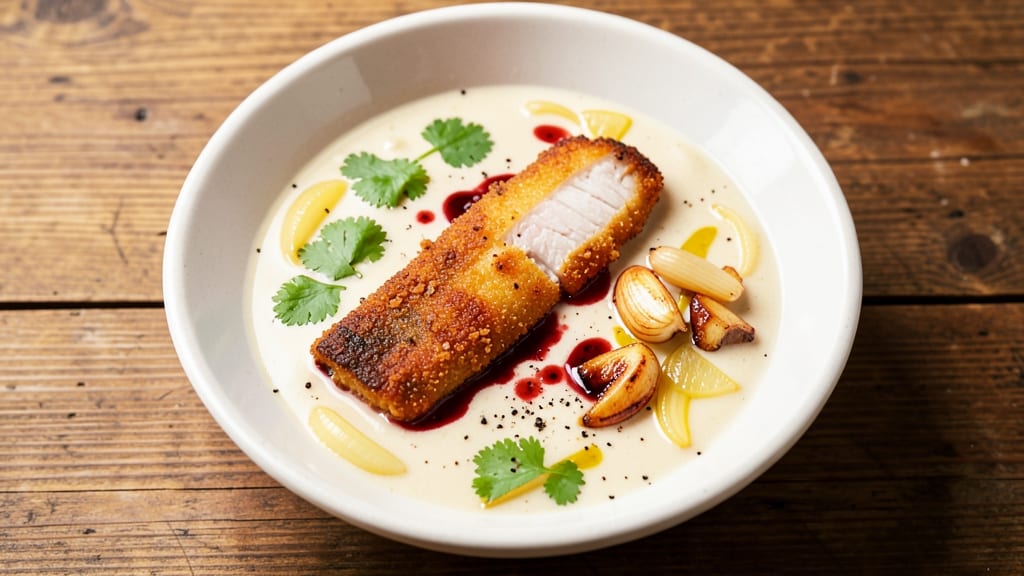
This bangus soup recipe delivers the ultimate Filipino comfort food experience—crispy fried milkfish in a rich, tangy tamarind broth that balances sweet, sour, and savory flavors. 🌟 The secret lies in perfectly frying the fish until golden and crispy, then simmering it in a fragrant broth infused with garlic, ginger, and bay leaves, creating a dish that's both hearty and light.
What sets this recipe apart is the traditional Filipino technique of using tamarind paste for depth of flavor, while still keeping the preparation approachable for home cooks.
The broth is built layer by layer—starting with a base of onions, garlic, and ginger, then enriched with tomatoes and shrimp paste for umami. This method ensures every spoonful is packed with authentic Filipino taste without requiring specialized ingredients.
By the time you serve this soup, you'll have tender fish with crispy edges floating in a vibrant broth that's aromatic and satisfying. The crispy fried bangus adds a delightful textural contrast, while the tamarind-infused broth ties everything together with its signature tangy-sweet profile.
It's the kind of dish that brings warmth to any table, whether you're serving it for a family meal or sharing it with friends.
The beauty of this recipe is its versatility—you can keep it traditional or add modern twists like a splash of cream for richness or chili flakes for heat.
The instructions are designed to guide you through each step with confidence, ensuring crispy fish and perfectly balanced broth every time. Let's get cooking!
Ingredients for bangus soup
Filipino comfort food starts with these fresh ingredients for authentic bangus soup.
| Ingredient | Amount | Notes |
|---|---|---|
| Bangus (Milkfish) Fillets 🐟 | 1 ½ lb | Skin-on, cut into 1-inch pieces |
| All-Purpose Flour 🌾 | ½ cup | For breading fish |
| Garlic Cloves 🧄 | 6 cloves | Minced for broth |
| Fresh Ginger 🌿 | ½ cup | Finely chopped, peeled |
| Yellow Onions 🧅 | 1 whole | Thinly sliced for broth |
| Tamarind Paste 🍯 | ¼ cup | Filipino tamarind preferred |
| Shrimp Paste 🍤 | 1 tbsp | Filipino bagoong is best |
| Medium Tomatoes 🍅 | 2 whole | Diced for broth |
| Bay Leaves 🌿 | 2 whole | For broth aroma |
| Vegetable Oil 🫒 | 3 cups | For frying fish |
| Salt 🧂 | 1 ½ tsp | Adjust to taste |
| Black Peppercorns 🌶️ | ½ tsp | Crushed for seasoning |
| Sugar 🍚 | 1 tbsp | Balances tamarind tang |
| Chicken Broth 💧 | 4 cups | Low-sodium preferred |
The bangus makes this dish special—look for fresh, skin-on fillets at your local Filipino market or Asian grocery. If you can't find it, snapper or sea bass works in a pinch, but the texture won't be quite the same. The tamarind paste is non-negotiable for that signature tangy-sweet flavor; Filipino brands like Calamba are best, but any good tamarind paste will do. For shrimp paste, bagoong isili from the Philippines adds the most authentic umami, though regular shrimp paste works too. The ginger and garlic should be fresh—no substitutions here.
No tamarind paste? Lime juice plus 1 tbsp brown sugar gets you close. Running out of shrimp paste? Anchovy paste at half the amount works in a bind. The tomatoes can be canned diced tomatoes if fresh aren't available, but they'll add a different texture. For the broth, homemade chicken stock is ideal, but low-sodium store-bought is fine. The fish needs to be fried until golden—don't rush this step, or you'll lose that crispy texture. The sugar balances the tamarind's acidity, so don't skip it.
The fried fish stays crispy for about 10 minutes after frying, so work quickly when assembling the soup. Store leftovers in the fridge for 2-3 days, but the broth reheats beautifully—just add a splash of water if it gets too thick. The tamarind paste and shrimp paste can be stored in the pantry for up to 6 months once opened. For extra richness, stir in a splash of coconut milk when serving, but keep it traditional for the classic experience.
Why You'll Love This Recipe
- One-Pan Magic: I swear by this recipe—just toss the bangus fillets in a hot pan with a quick flour-dusting of flour, and the rest is simmering while you chop veggies. Minimal cleanup, maximum flavor.
- Crispy-Creamy Contrast: That golden crust on the bangus? Pure satisfaction. The flour coating gives it a satisfying crunch, while the garlic-ginger broth keeps it tender and ridiculously flavorful.
- Weeknight Hero: Between us, this is my go-to when I’m too tired to fuss. Toss in some onions and ginger, let it bubble, and boom—dinner’s ready before the kids even notice the pot’s on the stove.
- Budget-Friendly Feast: A single fillet stretches for two servings, and the ingredients? Affordable without sacrificing taste. Honestly, it’s the kind of meal that makes grocery day feel like a win.
Step-by-step instructions for crispy fried bangus in tamarind broth
Achieve perfect crispy fish and rich tamarind broth with these precise techniques.
🍳 Step 1: Prepare and Fry the Bangus to Crispy Perfection
Pat the 1.5 lb bangus fillets completely dry with paper towels—this is crucial for maximum crispiness. Season both sides generously with 1.5 tsp salt and 0.5 tsp crushed black peppercorns. Let them sit for 10 minutes while you prepare the next steps.
Heat 3 cups vegetable oil in a deep skillet or Dutch oven to 350°F (use a thermometer for accuracy). While the oil heats, dredge each fillet in 0.5 cup all-purpose flour, shaking off any excess. Fry the fillets in batches for 3-4 minutes per side until they turn a deep golden brown with crispy skin. Remove and drain on a wire rack—don't stack them or they'll steam instead of stay crispy.
👨🍳 Step 2: Build the Tamarind Broth Foundation
In the same skillet (no need to clean it—the browned bits add flavor), add 1 whole yellow onion sliced thinly and cook over medium heat for 3 minutes until softened. Add 6 cloves minced garlic and 0.5 cup finely chopped ginger, cooking for another 1 minute until fragrant.
Stir in 1 tbsp shrimp paste and cook for 30 seconds—this releases incredible umami flavors. Add 2 whole medium tomatoes diced and 0.25 cup tamarind paste, stirring constantly for 2 minutes—you'll see the tamarind dissolve and create a glossy base. Pour in 4 cups chicken broth and bring to a gentle simmer.
🥘 Step 3: Simmer the Broth and Infuse Flavors
Add 1 tbsp sugar and 2 whole bay leaves to the simmering broth. Let it cook uncovered for 15 minutes—this allows the tamarind to develop its signature tangy-sweet balance while the bay leaves infuse subtle aromatic notes. Taste and adjust seasoning with additional salt if needed.
Here's the thing—don't rush this step. The broth should reduce slightly, becoming more concentrated. You'll know it's ready when the flavors meld together and the tamarind's natural sweetness shines through without being overpowering. Skim off any foam that rises to the surface during this time.
🔥 Step 4: Combine Fish and Broth for Perfect Harmony
Return the crispy fried bangus fillets to the skillet with the simmering broth. Gently spoon some of the hot broth over the fish to infuse it with flavor. Let everything cook together for 5-7 minutes—just enough time for the fish to warm through without losing its crispy texture.
Watch carefully during these final minutes. The fish should be heated through but still maintain its golden crust. If you see the broth getting too thin, reduce heat slightly to prevent the fish from steaming. The contrast between the crispy exterior and warm broth creates the perfect bite.
🍽️ Step 5: Serve Immediately with Crispy Integrity
Transfer the bangus fillets to serving plates, spooning the rich tamarind broth generously over each piece. Garnish with additional crushed black peppercorns and serve immediately while the fish is still crispy. The broth should coat the back of a spoon with a balance of tangy, sweet, and savory flavors.
Real talk: This dish is best enjoyed fresh. The crispy texture disappears quickly as the fish absorbs the warm broth. For the ultimate experience, serve with steamed jasmine rice to soak up every last drop of that flavorful tamarind broth.
Pro Tips For Making Bangus Soup
- CRISP THE FLOUR FIRST: Toss your bangus fillets in the flour before frying—don’t just dip and drop. A quick shake in a bowl with a pinch of salt and pepper ensures an even, golden crust that won’t clump. I used to rush this, and half my fish ended up with patchy, sad coating.
- MINCE GINGER FINE: Skip the lazy chopping—grate or finely mince the ginger until it’s almost paste-like. This releases more flavor into the broth, especially when simmering. My first few batches tasted bland until I realized I was just hiding chunks in the mix.
- LOW AND SLOW SIMMER: Once the bangus is cooked, reduce the heat to a bare simmer—just enough to keep bubbles tiny and lazy. High heat turns the broth cloudy and rubberizes the fish. I learned this after serving soup that looked like it had been boiled in a pressure cooker.
- USE COLD WATER FOR FLOUR: Mix the flour with ice water before dredging the fish—just enough to form a slurry, not a paste. This creates a lighter, crispier crust than dry flour alone. Sounds weird, but it works: my fried bangus now stays crisp even after sitting in soup.
Dietary considerations for bangus soup
Gluten-Free Adaptations
This recipe is naturally gluten-free as long as you use a certified gluten-free flour blend for breading the bangus. I recommend King Arthur Gluten-Free Measure for Measure Flour—it mimics all-purpose flour perfectly and creates a crispy crust.
Just ensure your tamarind paste and shrimp paste are also gluten-free, as some brands may contain wheat fillers. 🌾
Low-Carb Options
For a lower-carb version, skip the flour breading entirely and pat the bangus dry before frying. The natural oils in the fish will create a crispy skin on their own. You can also reduce the sugar in the broth to ½ tablespoon while keeping the tamarind's tangy balance.
Serve with cauliflower rice instead of traditional jasmine rice to cut carbs further.
Vegetarian Substitutions
While bangus soup is traditionally pescatarian, you can adapt it for vegetarians by replacing the fish with extra-firm tofu or mushrooms like king oyster.
For tofu, press and slice it into thick fillets, then marinate in 1 tablespoon soy sauce, 1 teaspoon garlic powder, and ½ teaspoon black pepper before frying. The tamarind broth remains the same, but add 1 teaspoon miso paste for extra umami depth.
Dairy-Free Considerations
This recipe is already dairy-free, but if you're adding coconut milk for richness (as some modern variations do), ensure it's 100% pure coconut milk with no stabilizers or additives. The tamarind broth naturally complements dairy-free diets, and the crispy fried fish provides satisfying texture without any dairy components.
Always check labels on broths and pastes for hidden dairy traces.
Allergen-Friendly Tips
For shellfish allergies, omit the shrimp paste entirely and replace it with 1 teaspoon fish sauce (if fish allergies aren't a concern) or 1 teaspoon soy sauce for umami. If you're avoiding all seafood, use mushroom powder (like umami bouillon) instead.
For nut allergies, ensure your tamarind paste isn't processed in shared facilities with tree nuts, as some brands may have cross-contamination risks.
Keto-Friendly Modifications
To make this keto-friendly, eliminate the flour breading and fry the bangus skin-side down first to create a crispy crust naturally. Use 1 cup bone broth instead of chicken broth and reduce the sugar to ½ teaspoon or omit entirely.
The tamarind's natural sweetness will still shine through. Serve with zucchini noodles or a side of sautéed spinach for a low-carb meal that keeps the authentic flavors intact. 💪
Nutrition facts
Frequently asked questions
Why does the fish need to be fried before adding it to the broth?
The frying step creates that signature crispy texture that makes this soup special! The golden crust contrasts perfectly with the warm, tangy broth. Plus, frying first prevents the fish from becoming mushy when simmered later. Just be sure to drain it properly on a wire rack to maintain crispiness.
Can I use fresh tamarind instead of tamarind paste?
Yes, but you'll need to adjust the amount. Fresh tamarind pulp is much more concentrated—use about 1/4 cup for every 1 tbsp of paste called for in the recipe. It's tart and fibrous, so strain it through a fine-mesh sieve before adding to the broth for a smoother texture.
What if I don't have shrimp paste (bagoong)?
No problem! For umami depth, use 1 tbsp anchovy paste or 1 tsp fish sauce instead. If avoiding seafood entirely, try 1 tsp soy sauce or ½ tsp mushroom powder. The broth will still be flavorful, though the authentic Filipino taste will be slightly different.
How can I make the broth less tangy?
Reduce the tamarind to 2 tbsp instead of ¼ cup and increase the sugar to 2 tbsp to balance it. You can also add ½ cup coconut milk at the end for creaminess, which helps mellow the acidity while adding richness.
Can I prepare this soup ahead of time?
Fry the fish and make the broth separately, then refrigerate both components for up to 2 days. When ready to serve, reheat the broth gently and add the crispy fish just before serving. For the best texture, avoid reheating the fish directly in the broth—it'll lose its crispiness.