
Soups & Stews
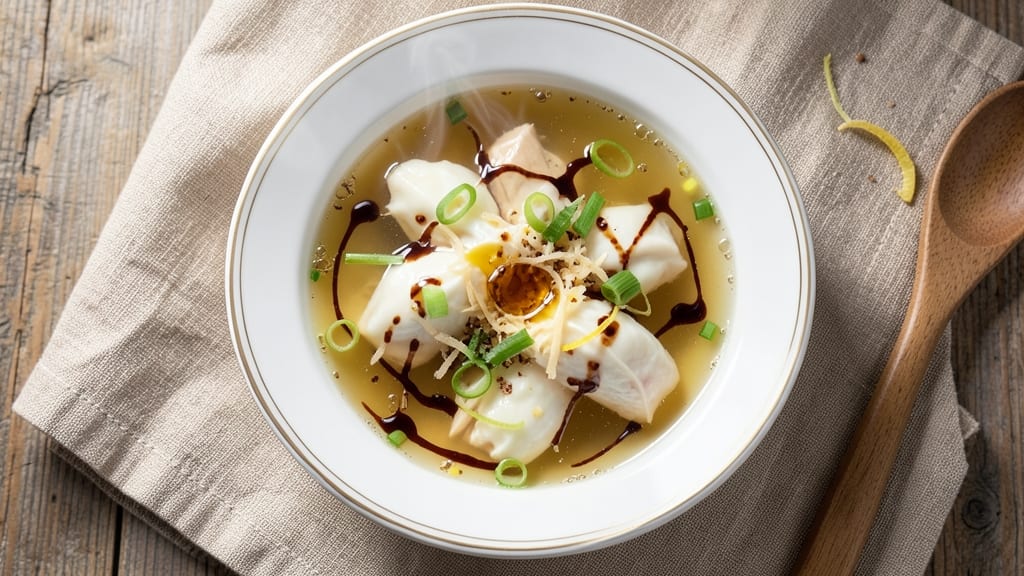
This bariatric egg drop soup recipe delivers gentle comfort without compromising nutrition—perfect for post-surgery recovery with its high-protein, low-calorie balance. The secret lies in using egg whites for protein while keeping portions digestible, and a light chicken broth base that won’t weigh you down.
What makes this version work is the gradual incorporation of egg, creating silky strands without heavy cream or excess fat.
The recipe focuses on minimal ingredients to avoid digestive strain while maximizing flavor. A touch of ginger and green onion adds brightness, while a splash of low-sodium soy sauce provides umami depth without salt overload.
The broth is simmered just long enough to develop depth without losing its clarity—a crucial detail for bariatric-friendly soups.
What you’ll end up with is a warm, protein-rich bowl that’s easy on the stomach but packed with nutrients. Each spoonful delivers gentle satisfaction, making it ideal for meal plans that require low-volume, high-nutrition options. The texture is smooth yet substantial, ensuring comfort without heaviness.
Serve immediately for the best experience, or store in the fridge for up to 3 days—perfect for prepping ahead. Pair with a small side of steamed vegetables to round out the meal while keeping portions in check. Let’s make this nourishing soup your go-to comfort dish.
Ingredients for bariatric egg drop soup
Minimal ingredients that pack maximum protein and comfort for gentle digestion.
| Ingredient | Amount | Notes |
|---|---|---|
| Egg Whites 🥚 | ½ cup | Freshly refrigerated preferred |
| Low-Sodium Chicken Broth 🍲 | 2 cups | Homemade or high-quality store-bought |
| Fresh Ginger 🌿 | ½ tsp | Finely grated, aromatic |
| Green Onions 🧅 | 2 whole | Thinly sliced, white and green parts |
| Low-Sodium Soy Sauce 🍶 | 1 tbsp | For umami depth without excess salt |
| Sesame Oil 🫒 | ½ tsp | Light toasted aroma only |
| Cornstarch 🌾 | ¼ tsp | For gentle thickening |
| Water 💧 | 1 tbsp | For cornstarch slurry |
| White Pepper 🌶️ | ⅛ tsp | Freshly ground for subtle flavor |
| Garlic Cloves 🧄 | 1 clove | Minced, aromatic base |
| Sesame Seeds 🥜 | ½ tsp | Toasted for garnish |
The egg whites are the star here—liquid or pasteurized works best for easy digestion, and Carton brands like Liquid Eggs are perfect. Fresh ginger should be brightly colored and firm—avoid any that's shriveled or discolored. For the broth, homemade is ideal, but quality low-sodium store-bought like Pacific Foods or Swanson works too. The soy sauce makes all the difference—low-sodium versions like Kikkoman Low-Sodium keep the flavor without the salt overload. Green onions add freshness, so grab the freshest bunch you can find—they should be crisp and vibrant, not wilted.
No low-sodium soy sauce? Coconut aminos at half the amount works in a pinch. Fresh ginger not available? Ground ginger at one-quarter the amount gets you close, though it lacks the bright zing. The cornstarch slurry is key—it creates that signature silky texture without heaviness. If you don't have cornstarch, arrowroot powder works too. For extra protein, you can whisk in 1 extra tbsp of egg whites, but keep portions small. The sesame oil should be lightly toasted—just a hint of aroma, not overpowering. And if you're avoiding gluten, double-check your soy sauce and broth labels.
This soup reheats beautifully—just warm gently on the stove or microwave until steaming. Keeps for 3 days in the fridge or 1 month frozen in airtight containers. For prepping ahead, make the broth and store separately, then assemble fresh when ready to serve. The egg whites should be added just before serving to maintain that silky texture. Garnish with toasted sesame seeds right before eating for that restaurant-quality touch. Portion into small bowls—this is a light but satisfying meal, perfect for bariatric-friendly eating.
Why You'll Love This Recipe
- Two-Ingredient Magic: I swear by this—just broth, egg whites, and a whisper of ginger. Honestly, if you can boil water, you can make this. The egg whites stream like silk right into the simmering broth, and that’s it. No chopping, no fuss, just pure, light satisfaction in a bowl.
- Umami Bomb: Between us, that low-sodium soy sauce and ginger? It’s the secret weapon. The soup tastes rich without the heaviness—like a hug for your taste buds. The green onions add this bright, fresh finish that cuts through the warmth, and the egg whites? They’re the creamy, protein-packed cherry on top.
- Post-Surgery Superstar: Here’s what sold me—this is actually gentle on the stomach after bariatric surgery. The broth is light but flavorful, the egg whites are easy to digest, and the ginger? It settles things without irritation. I keep a batch in the fridge for those days when I need something nourishing but not taxing.
- Budget Meal Reinvented: A carton of egg whites and a bouillon cube stretch to feed my whole family. I’ll be real: it’s not the prettiest, but the taste makes up for it. Plus, leftovers reheat like a dream—just add a splash of water, and you’ve got another meal. My wallet and my freezer both thank me.
Step-by-step instructions for bariatric egg drop soup
This gentle yet flavorful soup delivers protein-rich comfort in just minutes—perfect for sensitive digestion.
Prepare the Aromatic Base
In a small saucepan, combine the 2 cups low-sodium chicken broth with the minced garlic clove and finely grated fresh ginger. Bring to a gentle simmer over medium heat—you'll see small bubbles form around the edges but not a rolling boil. This low-and-slow approach preserves the delicate flavors while ensuring the broth heats through evenly.
Simmer for 3-4 minutes until you can smell the aromatic garlic and ginger infusing the broth. The broth should be hot but not boiling—just warm enough to release their natural oils. This foundational step creates the soup's comforting base without overpowering your digestive system.
Create the Cornstarch Slurry
In a small bowl, whisk together the 0.25 teaspoon cornstarch with the 1 tablespoon water until completely dissolved. This simple slurry will gently thicken the broth just enough to create that signature egg drop soup texture without heaviness. The key here is thorough mixing—no lumps should remain, or you'll end up with a slightly grainy soup.
Keep this mixture nearby as you'll add it to the simmering broth in the next step. The cornstarch will cook out completely in the hot broth, creating a silky, velvety finish that coats the back of your throat without being overwhelming.
Thicken the Broth
Carefully pour the cornstarch slurry into the simmering broth while stirring gently with a wooden spoon. The broth should begin to thicken almost immediately—you'll notice it go from clear to slightly opaque with a satiny sheen. Continue simmering for 1-2 minutes until the broth reaches your desired consistency: just thick enough to coat a spoon but still light enough to sip easily.
This is where the magic happens—the broth should now have body but remain delicate on your palate. If it thickens too much, you can always add a splash of hot water to adjust the consistency. The goal is a luxurious yet gentle texture that's easy to digest while still satisfying.
Incorporate the Egg Whites
Remove the pan from heat and let it sit for 30 seconds—this prevents the egg whites from immediately cooking solid when they hit the hot broth. Then, using a fork or small whisk, gently stir the 0.5 cup egg whites into the broth in a slow, steady stream. The heat from the broth will begin to cook the egg whites, creating those beautiful, delicate ribbons that give egg drop soup its signature appearance.
Continue stirring gently for 30-45 seconds until the egg whites are just set but still maintain their delicate, wispy texture. You want them to be fully cooked but not rubbery—think of them like soft, silky clouds floating in the broth. The residual heat will continue cooking them slightly as they sit.
Finish and Serve with Garnishes
Return the pan to low heat and stir in the 1 tablespoon low-sodium soy sauce and 0.125 teaspoon white pepper. The soy sauce adds just the right amount of umami depth without overpowering, while the white pepper provides a subtle, aromatic warmth. Let the soup heat through for 30 seconds while you prepare the garnishes.
Divide the soup between two bowls and garnish each serving with thinly sliced green onions (white and green parts) and a delicate drizzle of 0.5 teaspoon sesame oil. Sprinkle with 0.5 teaspoon toasted sesame seeds for a final touch of texture and aroma. Serve immediately while the egg whites maintain their perfect, delicate consistency.
The result is a protein-packed, comforting soup that's gentle on digestion while delivering rich flavor in every sip. The egg whites provide that satisfying, almost custard-like texture without being heavy, making this an ideal choice for bariatric-friendly meals.
Pro Tips For Making Bariatric Egg Drop Soup
- Whisk Egg Whites Cold: I learned this the hard way—whipping egg whites straight from the fridge makes them fluffier and easier to ribbon into the broth. If you use room-temperature whites, they’ll clump like sad, overcooked scrambled eggs. Pop them in the fridge for 10 minutes first, then whisk like you’re trying to fold in your last nerve.
- Simmer Broth Low and Slow: The broth shouldn’t be boiling when you add the egg whites—it’ll turn them rubbery faster than you can say "protein intolerance." Keep it at a bare simmer, just tiny bubbles breaking the surface, or the silkiness of the egg ribbons will turn to glue. Trust me, your stomach will notice the difference.
- Mince Ginger Like Confetti: Skip the thick slices or grated chunks—this soup needs fine ginger for a bright, even flavor without bite. Use a microplane or the smallest blade of your grater, then let it bloom in the broth for 2 minutes before adding anything else. That’s when the magic happens, not when you toss it in at the end.
- Salt the Broth Early: Low-sodium broth is a blessing, but it’s also a flavor ghost if you don’t wake it up. Add a pinch of salt (yes, even if it’s labeled low-sodium) and let it sit while you prep the rest—ginger, onions, whatever. Your taste buds will thank you later, and you won’t end up drowning the dish in soy sauce to compensate.
Perfect pairings for this bariatric egg drop soup
Light Protein Boosters
For an extra protein kick without adding calories, stir in 1 tablespoon of liquid egg whites (about 7 grams protein) or fold in ¼ cup finely shredded cooked chicken breast (about 12 grams protein).
Both options blend seamlessly into the broth and keep the soup digestible while boosting nutritional value. 🥚
Vegetable Pairings
Serve with steamed bok choy or jicama sticks for a crisp, low-carb contrast that adds volume without calories. Both vegetables pair beautifully with the soup’s delicate flavors and provide fiber for digestion.
For extra color, add thinly sliced cucumber or bell pepper strips—they stay fresh and crunchy even when served cold.
Beverage Pairings
A warm cup of jasmine tea complements the soup’s light, aromatic profile without overpowering its flavors. For a caffeine-free option, try hot ginger tea—it enhances the ginger’s natural warmth and aids digestion. If you prefer something cold, a sparkling water with lemon cleanses the palate between sips. 🍵
Garnish Variations
Swap sesame seeds for toasted pumpkin seeds (about ½ teaspoon) for a nutty crunch and extra protein. For a pop of color, add thinly sliced red chili flakes (about ¼ teaspoon) for a mild heat that doesn’t overwhelm.
Fresh cilantro leaves also work beautifully—just chop 2 tablespoons finely and sprinkle on top.
Meal Prep Add-Ons
Prep a small batch of brown rice or quinoa to serve alongside the soup for added fiber and protein. Cook ¼ cup dry rice per serving and store separately in the fridge. When ready to eat, reheat the rice and serve with the soup—this keeps portions controlled while adding substance.
For extra convenience, pre-chop veggies and store them in airtight containers for quick assembly. ❄️
Nutrition facts
Frequently asked questions
Can I use whole eggs instead of egg whites for this bariatric recipe?
It's best to stick with egg whites for this version to keep it low-calorie and easy to digest. Whole eggs add fat and cholesterol, which may be harder to process after bariatric surgery. If you want richer flavor, consider adding just 1 extra tablespoon of egg whites—they provide protein without the extra calories. The recipe is specifically designed to be gentle on your digestive system while still delivering satisfying protein.
How can I make this soup even lower in sodium?
Skip the soy sauce entirely and use 1 teaspoon of coconut aminos instead—it has less sodium and similar umami flavor. You can also reduce the broth to 1.5 cups and add 0.5 cup water to maintain volume while cutting sodium. For extra flavor without salt, add a pinch of white miso paste (½ teaspoon) or a splash of rice vinegar (½ teaspoon)—both add depth without sodium overload.
Will this soup be too thin for my taste after weight loss surgery?
If you prefer a thicker texture, increase the cornstarch to 0.5 teaspoon (still mixed with 1 tablespoon water). For even more body, simmer the broth for an extra 1-2 minutes after adding the slurry. The key is to keep it smooth but not heavy—this version is designed to be easy to sip while still feeling satisfying. You can also add a small dollop of Greek yogurt (½ tablespoon) per serving for creaminess without excess fat.
Can I prepare this soup ahead of time?
Yes! Make the broth base and store it in the fridge for up to 3 days or freeze for 1 month. When ready to serve, simply reheat the broth, add the cornstarch slurry, and then incorporate the egg whites just before eating. Never add egg whites to cold broth—they won't cook properly. For meal prep, consider making a double batch of broth and keeping the egg whites separate until serving to maintain that signature silky texture.
What if I don't have cornstarch?
Use arrowroot powder (¼ teaspoon) as a 1:1 substitute—it creates a similar silky texture. If you only have all-purpose flour, reduce to ⅛ teaspoon and mix with 1 tablespoon cold water to prevent lumps.